
Hanging a banner from the ceiling might sound simple, but if you want a display that looks professional and stays secure, there’s more to it than just tape and string. Whether you’re decorating for a birthday, a corporate event, a trade show, or a school function, the way you hang your banner can make a big difference in its visibility and safety.
Many people overlook small details, leading to crooked signs, damaged ceilings, or banners that fall down halfway through the event. In this guide, you’ll discover every essential step, from choosing the best hardware to understanding ceiling types, and learn expert tips that most first-timers miss.
Get ready to hang your banner confidently, safely, and with results that will impress anyone who walks in the room.
Understanding Your Banner And Space
Before you even pick up a ladder, take a few minutes to study your banner and the location. This small step saves time and prevents mistakes later.
Know Your Banner’s Material And Weight
Banners come in different materials, like vinyl, fabric, or paper. Each has its own weight and flexibility. A heavy vinyl banner needs sturdier support compared to a lightweight fabric banner. Trying to hang a heavy banner with flimsy tape is a recipe for disaster. Always check the weight and feel of the banner before deciding how to hang it.
Measure The Banner And The Hanging Area
Use a tape measure to check the length and height of both the banner and the available ceiling space. Make sure your banner fits and that it won’t block lights, sprinklers, or important signs. For example, a 6-foot banner in a narrow hallway will look awkward and may cause people to bump into it.
Check The Banner’s Grommets Or Hanging Points
Most banners have grommets (metal-reinforced holes) at the corners or along the edge. These are made to hold hooks or cords. If your banner doesn’t have grommets, you’ll need to add them or use another secure method. Never punch holes in a banner without reinforcement, as it will tear easily.
Identifying Ceiling Types And Their Challenges
Not all ceilings are the same. The way you hang your banner depends greatly on the ceiling’s material and construction.
Common Ceiling Types
1. Drop Ceiling (suspended Ceiling):
These are made from lightweight tiles sitting on a metal grid. Common in offices and schools.
2. Drywall Ceiling:
The standard ceiling in homes and many retail spaces. Solid and smooth.
3. Exposed Beams Or Pipes:
Seen in industrial buildings or trendy event spaces. The structure is visible.
4. Acoustic Tile Ceiling:
Similar to drop ceilings but designed to absorb sound.
5. Concrete Or Plaster Ceiling:
Very solid, common in basements or older buildings.
Table: Ceiling Type Vs. Hanging Method Compatibility
| Ceiling Type | Best Hanging Methods | Special Considerations |
|---|---|---|
| Drop Ceiling | Ceiling hooks, clips | Avoid heavy loads |
| Drywall | Adhesive hooks, anchors | Check for studs |
| Exposed Beams | Rope, zip ties | Easy to adjust height |
| Acoustic Tiles | Lightweight clips | Do not damage tiles |
| Concrete/Plaster | Screw hooks, anchors | Need power tools |
Knowing your ceiling type prevents damage and makes the installation process smoother.

Credit: 40visuals.com
Selecting The Right Hanging Hardware
The hardware you choose affects the banner’s stability and the safety of everyone below. Here are some common options, along with their pros and cons.
Popular Hanging Tools
1. Adhesive Hooks:
Stick to flat surfaces. Good for lightweight banners but may fail on textured or dirty ceilings.
2. Magnetic Hooks:
Perfect for metal ceilings or beams. No holes needed.
3. Drop Ceiling Clips:
Snap onto the metal grid of a suspended ceiling. Easy and fast.
4. Screw Hooks Or Eye Bolts:
Strongest option for drywall or concrete, but require drilling.
5. Zip Ties:
Great for attaching to pipes or beams. Very secure.
6. Bungee Cords:
Provide flexibility and prevent banner tearing in windy areas.
7. S-hooks:
Simple way to connect banners to existing loops or wires.
Table: Hardware Comparison By Banner Weight
| Hardware Type | Max Weight (approx.) | Best for Banner Type |
|---|---|---|
| Adhesive Hook | 2-5 lbs | Paper, light fabric |
| Magnetic Hook | 10-20 lbs | Vinyl, fabric |
| Ceiling Clip | 5-10 lbs | Most banners |
| Screw Hook | 20+ lbs | Heavy vinyl |
| Zip Tie | 15+ lbs | Vinyl, large banners |
Pro tip: For banners over 10 feet long or 10 pounds, use hardware rated for at least double the banner’s weight.
Gathering Tools And Safety Equipment
Don’t start hanging until you have all tools ready. This keeps the process efficient and safe.
Essential Tools
- Measuring tape (for spacing and height)
- Step ladder or scaffold
- Level (to avoid a crooked banner)
- Pencil or chalk (for marking spots)
- Drill or screwdriver (if using anchors or hooks)
- Protective gloves and goggles (if drilling above your head)
Safety First
Many accidents happen from using the wrong ladder or overreaching. Always use a ladder that’s tall enough so you don’t have to stand on the top step. If the ceiling is higher than 10 feet, consider a scaffold or get help from a professional.
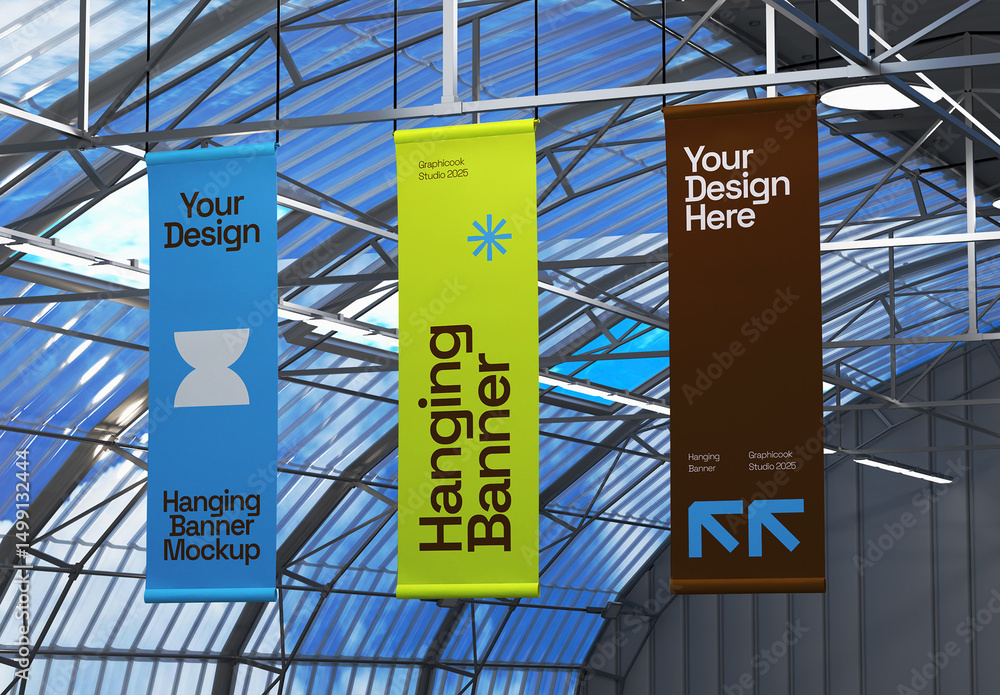
Credit: stock.adobe.com
Planning The Hanging Process
A little planning makes a big difference. Here’s what you should do before installing anything.
Find The Best Spot
Look for a place where your banner will be visible but not in the way. Avoid blocking exits, safety signs, or fire sprinklers. If the banner is for a stage or main area, center it carefully using a measuring tape.
Mark The Hanging Points
Hold the banner up with help from a friend. Mark exactly where the hooks or clips should go. If the banner has grommets, the marks should align perfectly. For banners without grommets, mark the corners and midpoints.
Decide The Hanging Height
A banner should be high enough that people walk under it comfortably but low enough to read. For most events, 7 to 8 feet from the floor is ideal.
Insider tip: If you’re hanging multiple banners in a row, use a chalk line or string stretched between the end points to keep them perfectly aligned.
Step-by-step Guide: How To Hang A Banner From The Ceiling
Now that you’re prepared, let’s break down the actual process. Adjust the steps to fit your specific ceiling and hardware.
Step 1: Clean The Ceiling Surface
Dust or grease can make adhesive hooks fail. Wipe the area with a damp cloth and let it dry completely. For other hardware, this step prevents tools from slipping.
Step 2: Install The Hanging Hardware
Depending on your ceiling type and hardware:
- For adhesive hooks, press firmly for 30 seconds and wait 1 hour before hanging.
- For ceiling clips, snap them onto the grid gently to avoid bending the frame.
- For screw hooks, drill a small pilot hole first. This prevents cracking in drywall or plaster.
- For magnetic hooks, just attach them to a metal beam and slide them into position.
- For zip ties, loop them around a pipe or beam and leave space for adjusting height.
Step 3: Attach The Banner
- Thread string, rope, or wire through the banner’s grommets.
- Tie knots or attach S-hooks, making sure both sides are even.
- For banners without grommets, use wide clips or a hem bar to avoid tearing the material.
Tip: Don’t pull the banner too tight. Leave a little slack so the material doesn’t wrinkle.
Step 4: Adjust And Level
Use a level or just step back and eyeball from a distance. Adjust the cords or move the hardware slightly until the banner is perfectly straight. It’s much easier to fix now than after everything is secured.
Step 5: Secure Everything
Double-check every knot, hook, or clip. Give the banner a gentle tug to make sure it won’t fall. This is especially important for events with children or crowded spaces.
Step 6: Inspect For Safety
Make sure nothing sharp or loose is hanging down. Check that the hardware isn’t blocking any sprinklers or safety devices. If you’re leaving the banner up for several days, inspect the area daily.
Mistakes To Avoid When Hanging A Banner
Many people make simple mistakes that ruin their banner or create a safety risk. Here’s what to watch out for:
- Using weak tape or glue: These rarely hold for long, especially on ceilings.
- Ignoring ceiling weight limits: Drop ceilings can only hold a few pounds safely.
- Skipping cleaning: Dusty surfaces cause adhesives to fail.
- Over-tightening cords: This can tear the banner or warp its shape.
- Blocking safety features: Never cover fire alarms, sprinklers, or exit signs.
- Standing on unsafe surfaces: Chairs and tables are not ladders. Always use the right equipment.
Advanced Tips For A Professional Look
Want your banner to look like it was hung by a pro? Try these advanced tricks:
Use A Banner Frame
A banner frame keeps the edges perfectly straight and prevents curling. Many event planners use lightweight aluminum frames that hang from the ceiling and give banners a crisp, flat look.
Hide The Hardware
Choose clear fishing line or white hooks to blend with the ceiling. You can also tape over S-hooks with matching colored tape. This keeps attention on the message, not the hanging tools.
Add Weight To The Bottom
If your banner curls or flaps in the breeze, attach a dowel rod or hem bar to the bottom. This makes the banner hang flat and improves readability.
Hang Multiple Banners Evenly
For an eye-catching display, hang several banners at the same height and distance apart. Use a laser level or measuring tape for perfect alignment.

Credit: www.theglobaldisplaysolution.com
Real-world Examples
Let’s look at two situations to show how these steps work in practice.
Corporate Event In A Hotel Ballroom
Sarah’s company wanted to hang a 12-foot vinyl banner above the stage in a hotel ballroom with a drop ceiling. She used ceiling clips rated for 10 lbs and zip ties for extra support. By marking the exact center and getting help to lift the banner, she achieved a perfectly straight, secure installation.
The banner stayed up all weekend and was easy to remove without damage.
School Gymnasium With Exposed Beams
Coach Lee needed to hang a series of banners in the gym for a sports tournament. He used sturdy rope looped over the beams, secured with zip ties. By adding wooden dowels to the bottoms, the banners stayed flat even when the gym doors opened and the air moved.
No tools were needed, and the banners were taken down in minutes after the event.
Table: Banner Hanging Method Suitability By Event Type
| Event Type | Recommended Hardware | Banner Type |
|---|---|---|
| Birthday Party | Adhesive hooks, lightweight clips | Paper, fabric |
| Trade Show | Screw hooks, banner frame | Vinyl, heavy fabric |
| School Gym | Zip ties, rope | Vinyl, fabric |
| Wedding | Clear line, decorative hooks | Fabric |
| Corporate Event | Ceiling clips, S-hooks | Vinyl, fabric |
Maintenance And Removal
After your event, you want to remove your banner safely and leave no trace.
How To Remove Banner Hardware
- For adhesive hooks, follow manufacturer’s instructions to avoid peeling paint or damaging the ceiling.
- For clips or hooks, gently twist and lift off the grid or beam.
- For drilled anchors, unscrew carefully and patch any holes with spackle if needed.
Storing Your Banner
Roll up vinyl banners with the printed side out to prevent creases. Fabric banners should be folded or rolled loosely. Avoid storing in damp areas to prevent mold.
Non-obvious Insights For Success
Most beginners miss these valuable tips:
- Ceiling load limits: Even strong-looking ceilings can only hold so much weight. Always check before hanging anything heavy.
- Temperature and humidity: In hot, humid rooms, adhesives and tapes may fail faster. Plan for extra support if your event is outdoors or in a gym.
- Pre-test hardware: Hang a small weight or even a bag of flour for an hour before installing your banner. This reveals weak spots in your setup.
- Consider banner movement: In rooms with fans or open windows, banners can sway. Secure the bottom edge or use heavier materials to prevent distraction.
- Reuse hardware: Good-quality hooks and clips can be used again for future events, saving money and time.
Frequently Asked Questions
How Much Weight Can A Drop Ceiling Safely Hold?
Most drop ceilings are designed to hold less than 10 pounds per grid square. Always check the manufacturer’s guidelines. For heavier banners, distribute the weight across multiple grid sections or use additional supports.
Can I Hang A Banner Without Making Holes In The Ceiling?
Yes, you can use adhesive hooks, magnetic hooks, or ceiling clips that do not require drilling. These options are ideal for rented spaces or areas where you can’t make permanent changes.
What Is The Best Way To Keep A Banner From Curling?
Attach a dowel rod or weighted bar to the bottom edge. This provides tension and keeps the banner flat. For fabric banners, ironing before hanging can also help.
Is It Safe To Hang Banners Above Crowded Areas?
It is safe if you use the correct hardware and double-check the installation. For large events, always inspect the banner and hardware before people arrive, and avoid hanging heavy banners directly over where people stand or walk.
How Do I Hang A Banner On A Concrete Or Plaster Ceiling?
You will need masonry anchors and screws. Drill a small pilot hole, insert the anchor, and screw in a hook or eye bolt. Always wear eye protection and use the right drill bit for concrete.
Hanging a banner from the ceiling can transform a space and create lasting memories. With the right planning, tools, and safety steps, you’ll achieve a display that’s both beautiful and secure. For more tips on event decorating and hardware, check out this resource from Wikipedia. Now, you’re ready to make your next banner stand out—right above the crowd.