
Magnalite pots and pans are special cookware that many people love. They are known for their classic design, excellent heat distribution, and long-lasting durability. If you own Magnalite cookware, you know how well it cooks food and how much it can add to your kitchen. But keeping it clean and in good condition is not always simple. Many people worry about damaging the surface or losing the shiny look. Cleaning Magnalite is different from cleaning other pots and pans, and using the wrong method can cause stains, dullness, or even warping.
In this guide, you’ll learn exactly how to clean Magnalite pots and pans safely. You’ll discover practical steps, what products to use, and what to avoid. Even if you are new to Magnalite, these tips will help you keep your cookware looking and working like new for years.
You will also find advice for tough stains, burnt food, and long-term care. Plus, you’ll get answers to common questions, with clear explanations for every step.
Let’s start by understanding what makes Magnalite cookware unique and why it needs special cleaning care.
What Is Magnalite Cookware?
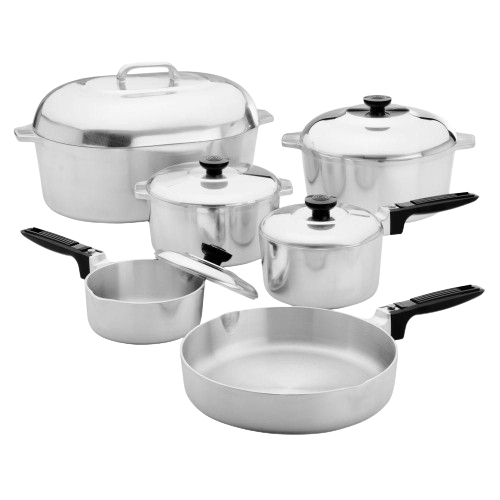
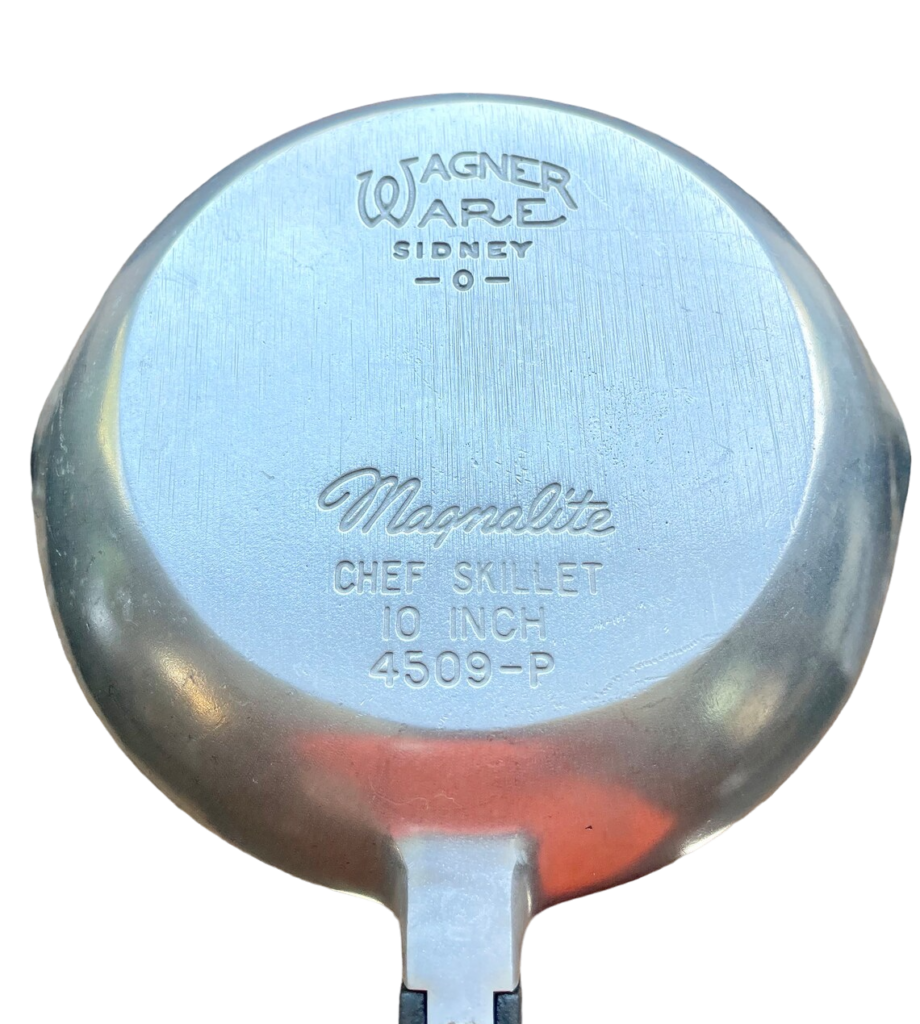
Magnalite is a line of cookware originally made from a unique blend of cast aluminum and magnesium. These pots and pans became popular in the 1930s and are still loved today for their even heating, lightweight feel, and classic silver appearance. The surface is not coated with nonstick chemicals. Instead, it relies on the smooth, polished aluminum surface, which can react to certain foods or cleaning products.
Magnalite pots and pans are made to last for decades with the right care. However, aluminum is a soft metal. It can scratch, discolor, or pit if cleaned the wrong way. That’s why learning the correct cleaning methods is so important.
Why Special Cleaning Matters For Magnalite
Many people ask: “Why can’t I just wash Magnalite like any other pot?” The answer is that regular dish soaps, harsh scrubbing pads, or even dishwashers can damage the surface. Aluminum reacts with acids, salts, and some detergents. If you clean it the wrong way, you might see dark stains, white spots, or even loss of the shiny finish.
Here are the main reasons why special cleaning matters:
- Aluminum reacts easily: Acidic foods, salty water, or harsh cleaners can cause oxidation or pitting.
- Surface is not coated: There is no nonstick layer to protect the metal.
- Hand-washing is best: Dishwashers use strong detergents and high heat, which can warp or dull the pot.
- Polished look can fade: Scrubbing with the wrong pad removes the shine.
Knowing these facts helps you avoid common mistakes and keep your cookware in top shape.
Essential Supplies For Cleaning Magnalite
Before you start, gather the right supplies. Using the correct tools makes cleaning safer and more effective. Here’s what you’ll need:
- Soft sponge or cloth: Avoid anything rough or abrasive.
- Mild dish soap: Choose a gentle, non-citrus formula.
- Baking soda: Useful for stains or mild scrubbing.
- Cream of tartar: Helps remove tough discoloration.
- White vinegar: Works for removing mineral deposits.
- Wooden or silicone spatula: For scraping off stuck food.
- Soft towel: For drying the cookware.
- Aluminum polish (optional): To restore shine.
Avoid: Steel wool, metal brushes, harsh chemicals, or the dishwasher.
Step-by-step Guide: How To Clean Magnalite Pots And Pans
Cleaning Magnalite is not complicated, but you must follow the right steps for the best results. Here is a complete, easy-to-follow process.
1. Let The Pot Cool Down
Never clean Magnalite while it’s hot. Sudden changes in temperature can warp the metal. Allow the cookware to cool completely before washing.
2. Rinse With Warm Water
Rinse the pot or pan under warm running water. This helps remove loose food and prevents scratches during cleaning.
3. Wash With Mild Soap And Soft Sponge
Add a small amount of mild dish soap to a soft sponge or cloth. Gently wash the inside and outside of the cookware. Avoid using scented or strong detergents, as they can react with the aluminum.
- Use circular motions for even cleaning.
- For stuck food, let the pan soak in warm water for 15–20 minutes.
4. Remove Stubborn Food Bits
If food is stuck, don’t scrape with metal. Instead:
- Fill the pot with warm water and a few drops of mild dish soap.
- Let it soak for 30 minutes.
- Use a wooden or silicone spatula to gently lift food bits.
5. Tackle Stains And Discoloration
Magnalite can develop dark spots, white stains, or dullness. Here are some solutions:
For Light Stains:
- Sprinkle baking soda on the stain.
- Add a little water to make a paste.
- Gently rub with a soft sponge.
- Rinse well.
For Dark Or Tough Stains:
- Mix 2 tablespoons of cream of tartar with 1 quart of water.
- Pour into the pot and bring to a gentle boil for 10 minutes.
- Let the water cool, then wash and rinse as usual.
For Water Spots Or White Residue:
- Wipe with a cloth dipped in white vinegar.
- Rinse completely and dry.
6. Restore Shine (optional)
If your Magnalite has lost its shine:
- Use an aluminum polish designed for cookware.
- Apply a small amount with a soft cloth.
- Buff gently in small circles.
- Rinse and dry fully.
7. Dry Immediately
Always dry Magnalite with a soft towel right after washing. Do not air-dry, as water spots or streaks may form.
8. Store Properly
Stack pots and pans with a soft cloth or paper towel in between. This prevents scratches and keeps the cookware looking new.
Credit: magnalitestore.com
How To Remove Burnt-on Food From Magnalite
Burnt food can be frustrating, but you don’t need to panic. Here’s how to safely clean it:
- Fill the pot with warm water and a tablespoon of baking soda.
- Let it soak for at least 1 hour (overnight for tough burns).
- Bring the water to a boil for 10 minutes, then turn off the heat.
- Allow to cool, then use a wooden spatula to loosen the burnt bits.
- Wash as usual with mild soap and a soft sponge.
Never use sharp tools or harsh scrubbers, which will scratch the surface.
Common Mistakes To Avoid
Many owners make the same errors when cleaning Magnalite. These mistakes can shorten the life of your cookware or ruin its look.
- Using the dishwasher: The high heat and strong detergent can warp and dull the pot.
- Scrubbing with steel wool: This scratches the aluminum and removes the shine.
- Letting food dry on the pan: This makes cleaning harder and can cause stains.
- Using bleach or harsh chemicals: These can pit or corrode the metal.
- Not drying after washing: Water spots or streaks will form if left to air dry.
Credit: magnalitepots.com
Quick Comparison: Magnalite Vs. Other Cookware Cleaning
Magnalite is different from stainless steel or nonstick cookware. Here’s a simple comparison.
| Cookware Type | Recommended Cleaning | What to Avoid |
|---|---|---|
| Magnalite (Aluminum) | Hand wash with mild soap, soft sponge | Dishwasher, steel wool, harsh chemicals |
| Stainless Steel | Hand wash or dishwasher, scrubber safe | Bleach, leaving food to dry |
| Nonstick Coated | Hand wash with mild soap, soft sponge | Metal utensils, abrasive pads, dishwasher |
How To Clean Magnalite Lids And Handles
Magnalite lids and handles also need care, but the methods are similar.
- Lids: Most are made of the same aluminum or glass. Clean with mild soap and a soft sponge. For glass lids, a little vinegar removes streaks.
- Handles: Usually aluminum or heat-resistant plastic. Wash gently, and avoid soaking wooden handles to prevent cracking.
If the handles are removable, clean and dry them separately.
Dealing With Oxidation And Pitting
Sometimes, Magnalite shows white or gray spots—this is oxidation. Small pits can also appear if acidic foods or salt are left in the pan. Here’s how to treat them:
Removing Oxidation
- Mix a paste of baking soda and water.
- Rub gently on the affected area.
- Rinse and dry.
Fixing Pitting
Pitting is permanent, but it can be prevented by:
- Never storing food in the pan.
- Rinsing right after use.
- Avoiding acidic foods sitting in the pot.
Minor pitting does not affect cooking, but deep pits mean the pan may need replacing.
How To Maintain Magnalite’s Appearance
Magnalite looks best when it’s shiny and clean. Here’s how to keep it looking new:
- Polish every few months with a special aluminum cleaner.
- Avoid cooking highly acidic foods (like tomatoes) for long periods.
- Do not leave salty water or brine in the pot overnight.
- Store in a dry place to prevent moisture damage.
How To Clean Magnalite Dutch Ovens And Roasting Pans
Magnalite Dutch ovens and roasting pans are larger, but cleaning is similar.
- Remove food and let the pan cool.
- Soak with warm, soapy water if there are stuck bits.
- Use a wooden spatula to gently scrape.
- For heavy stains, boil a mix of water and cream of tartar, then wash as usual.
If your Dutch oven is used for roasting, clean grease with a little baking soda and mild soap, but never use oven cleaner.
Cleaning Magnalite After Cooking Acidic Foods
Acidic foods like tomato sauce or vinegar can react with aluminum. If you cook these, clean the pan right away:
- Rinse immediately.
- Wash with mild soap and a soft sponge.
- If you notice darkening, polish with a baking soda paste.
Repeated cooking of acidic foods may dull the finish, but does not make the pan unsafe.
Storing Magnalite Cookware
Proper storage prevents scratches and keeps your pots and pans in good shape.
- Always dry completely before storing.
- Place a soft cloth or paper towel between stacked items.
- Store in a cool, dry cabinet.
- Avoid hanging by the handles if they are heavy, as this may bend or loosen the handle over time.
Practical Tips For Long-term Magnalite Care
Here are some useful tips for keeping your Magnalite cookware perfect for decades:
- Don’t preheat empty: Heating the pan with nothing inside can warp the metal.
- Use gentle utensils: Wood, silicone, or nylon is best.
- Spot-clean after each use: Wipe away any food or oil before washing.
- Avoid extreme temperature changes: Let the pan cool before washing.
- Inspect regularly: Look for signs of wear, especially if you use the pans often.
How To Restore Old Or Vintage Magnalite
If you find an old Magnalite pot at a yard sale or inherit one from family, you can often bring it back to life.
- Start by washing with mild soap and water.
- For deep stains, boil a mix of water and cream of tartar inside the pan.
- Scrub gently with a baking soda paste.
- Polish with an aluminum cleaner for extra shine.
If there is heavy pitting or damage, the pan may still be safe, but avoid using it for highly acidic foods.
Cleaning Magnalite For Health And Safety
Magnalite is safe for most cooking, but aluminum can react with some foods. To protect your health:
- Never cook or store highly acidic or salty foods for long periods.
- Rinse the pan after every use.
- Avoid using old pans with deep pits for food storage.
There is no solid evidence that using aluminum cookware like Magnalite is unsafe for most people. For more on aluminum safety, see the Wikipedia page.
Cost And Value: Is Caring For Magnalite Worth It?
Magnalite cookware can last a lifetime if cared for properly. Here is a look at how Magnalite compares to other types when it comes to cost and care effort.
| Cookware Type | Average Lifespan | Effort to Maintain | Replacement Cost |
|---|---|---|---|
| Magnalite | 30+ years | Medium | $80–$300 |
| Stainless Steel | 20+ years | Low | $50–$200 |
| Nonstick | 2–5 years | Low | $20–$150 |
The extra effort to care for Magnalite pays off in durability and quality. Many families pass down Magnalite pots from generation to generation.
Troubleshooting: Dealing With Specific Magnalite Problems
Even with good care, you might sometimes face problems. Here’s how to handle them.
Gray Or Black Streaks
- Cause: Reaction with acidic food, or metal utensils.
- Solution: Clean with a baking soda paste, rinse, and dry.
Dull, Flat Finish
- Cause: Frequent washing or dishwasher use.
- Solution: Polish with aluminum cleaner, buff with soft cloth.
White, Chalky Spots
- Cause: Mineral deposits from water.
- Solution: Wipe with vinegar, rinse, and dry.
Food Tastes Metallic
- Cause: Cooking highly acidic or salty foods.
- Solution: Rinse and clean promptly after cooking. Avoid storing food in the pan.
Magnalite Cleaning Myths Debunked
Many people share advice about cleaning Magnalite that is not always true. Here are some common myths and the real facts.
- Myth: “Magnalite must be seasoned like cast iron.”
- Fact: Magnalite does not need seasoning. The aluminum surface is not porous.
- Myth: “Dishwasher is safe for aluminum if you use gentle detergent.”
- Fact: All dishwashers are too harsh for Magnalite.
- Myth: “You can use any metal polish on Magnalite.”
- Fact: Only use polish designed for aluminum cookware.
- Myth: “Magnalite is ruined if it’s dull or stained.”
- Fact: Most stains and dullness can be cleaned or polished away.
How To Clean Magnalite On A Regular Basis
To make cleaning easy, build these habits into your cooking routine:
- Rinse and wipe after each use.
- Wash gently after every meal.
- Dry immediately with a soft towel.
- Polish once every few months to maintain shine.
Spending just a few extra minutes after each meal can keep your cookware looking beautiful.

Credit: www.reddit.com
Environmental Impact: Is Magnalite Cleaning Eco-friendly?
Magnalite cleaning is mostly eco-friendly if you avoid harsh chemicals and stick to mild soap, baking soda, and vinegar. Aluminum cookware is recyclable and lasts many years, reducing waste compared to cheap nonstick pans.
Two Non-obvious Tips For Magnalite Owners
- If you notice rainbow discoloration (often from overheating), try rubbing gently with a paste of cream of tartar and water. This is more effective than baking soda for restoring the silver look.
- For vintage Magnalite with strong odors, boil a mixture of water and a few lemon slices inside the pan for 10 minutes, then rinse well. This removes smells without damaging the metal.
Frequently Asked Questions
How Often Should I Polish Magnalite Cookware?
For most users, polishing every 3–6 months is enough to keep your Magnalite shiny. If you use the pots daily or cook acidic foods often, you may want to polish more frequently. Always use a safe aluminum polish and never over-buff, as this can thin the surface over many years.
Can I Use Magnalite On Induction Cooktops?
No, Magnalite is made from cast aluminum, which is not magnetic. Induction cooktops require cookware with a magnetic base, like stainless steel or cast iron. You can use Magnalite on gas, electric, and ceramic stovetops.
Is It Safe To Use Scratched Or Pitted Magnalite?
Minor scratches or pits are normal and safe for most cooking. However, deep pitting can trap food or bacteria. If your pan is deeply pitted or the surface feels rough, avoid using it for acidic foods and consider replacing it if the damage is severe.
Why Does My Magnalite Pan Turn Dark After Washing?
Darkening often happens if you use harsh detergent, let acidic food sit, or air-dry the pan. To restore the silver look, clean with a baking soda or cream of tartar paste, rinse well, and dry immediately.
Can I Season Magnalite Like Cast Iron?
No, Magnalite does not need seasoning. Seasoning is for cast iron to create a nonstick layer. For Magnalite, just keep the surface clean and polished with gentle products.
Magnalite cookware is a special investment that rewards careful cleaning and smart maintenance. With these tips, your pots and pans can stay beautiful and functional for many years. If you follow these steps, you’ll enjoy the full benefits of Magnalite’s famous cooking performance and timeless style.