
Washing microwavable stuffed animals can be confusing, especially if you worry about damaging their warmth, scent, or softness. Many people love these cozy companions for comfort, heat therapy, and even stress relief. But after weeks or months of use, they can get dirty, collect dust, or even start to smell.
Keeping them clean is important for both hygiene and the life of the toy. Yet, because these plushies often contain special fillings like grains or dried flowers, cleaning them is not as simple as tossing them in the washing machine.
If you’ve ever wondered how to wash microwavable stuffed animals safely and effectively, this guide covers everything you need to know.
You’ll learn why these plushies require special care, what materials are inside, and how to spot clean or deep clean them without risk. We’ll go through all the steps, share mistakes to avoid, and even compare different cleaning methods. Whether your microwavable stuffed animal is for your child, yourself, or as a gift, understanding how to wash it properly will help it last longer and stay safe to use.
What Are Microwavable Stuffed Animals?
Microwavable stuffed animals, sometimes called heatable plushies or warmies, are soft toys designed to be heated in a microwave. They usually contain special fillings such as flaxseed, wheat, buckwheat, or dried lavender. These fillings store heat and sometimes give off a soothing scent. People use them for warmth, relaxation, muscle aches, or even to help children sleep.
Unlike regular stuffed animals, microwavable ones are not just for play. They also work as simple heat packs. This means washing them is more complicated, because getting the filling wet can lead to mold, clumping, or loss of scent.
Common Fillings And Their Care Needs
- Flaxseed and wheat: These grains absorb moisture. If they get too wet, they can spoil.
- Dried lavender or herbs: Water can wash out their scent or cause them to rot.
- Clay beads: Some newer plushies use synthetic beads, which are easier to clean but may still be sensitive to water.
Understanding what’s inside your microwavable stuffed animal is the first step to cleaning it properly.
Why Washing Microwavable Stuffed Animals Is Different
Washing a regular teddy bear is usually easy—most can go in the washing machine. But microwavable stuffed animals need special treatment for several reasons:
- Water-sensitive fillings: Grains and herbs can spoil, mold, or lose their scent if soaked.
- Heat retention: Wet fillings do not heat properly and may even burst in the microwave.
- Safety risks: Moldy or damp fillings can cause health problems, especially for children or people with allergies.
- Longevity: Proper cleaning methods help the toy last longer and work as designed.
This is why you must always check the care label and use gentle methods.
How To Check If Your Stuffed Animal Is Machine Washable
Before you start cleaning, find out if your microwavable stuffed animal can go in the washing machine or if it needs hand cleaning.
Steps To Check Washability
- Read the care label: Most reputable brands include a label with cleaning instructions.
- Check the filling: If the label is missing, feel the plush. If it contains grains, seeds, or dried flowers, avoid getting the inside wet.
- Removable inserts: Some toys have a removable inner bag for microwaving. If so, you can often machine wash the outer shell.
Examples
- Warmies brand plushies: Usually not machine washable; spot clean only.
- Microwavable plushies with removable pouches: Outer covers can often be washed, but check the label.
If you’re not sure, it’s safest to spot clean.
Basic Cleaning Methods For Microwavable Stuffed Animals
There are two main cleaning methods, depending on the toy’s design:
- Spot cleaning
- Washing removable covers
Let’s look at how to do each safely.
Spot Cleaning: The Safest Way
Spot cleaning is the most common and safest method for microwavable stuffed animals. This method cleans the surface without wetting the filling.
What You Need
- Mild liquid soap or detergent
- Clean cloths or sponges
- A bowl of warm water
- A dry towel
- (Optional) Soft brush
Step-by-step Instructions
- Prepare the cleaning solution: Mix a small amount of mild soap with warm water in a bowl.
- Dip the cloth: Wet the cloth or sponge in the soapy water, then wring it out so it’s damp, not soaking.
- Gently clean the surface: Rub the dirty areas gently, being careful not to soak the fabric.
- Rinse with a clean cloth: Use another damp cloth with plain water to remove soap residue.
- Pat dry: Press a dry towel against the cleaned area to absorb moisture.
- Air dry: Leave the stuffed animal in a well-ventilated area until fully dry.
Tips For Better Results
- Clean only small areas at a time.
- Never immerse the toy in water.
- Use as little water as possible.
- Avoid using harsh chemicals or bleach.
Example
If your plushie has a food stain, dampen a cloth with the cleaning solution, dab the spot gently, and immediately blot with a dry towel.
Washing Removable Covers
Some microwavable stuffed animals have a cover or “skin” that you can remove, with the heatable pouch inside. These covers are usually machine washable.
How To Wash Removable Covers
- Remove the inner pouch: Always take out the microwavable filling before washing.
- Check the care label: Follow specific instructions for temperature and settings.
- Wash gently: Use cold or warm water and a mild detergent.
- Air dry: Let the cover dry completely before replacing the filling.
Can You Tumble Dry The Cover?
Check the label. Most covers should be air dried to avoid shrinking, but some can go in the dryer on a low setting.
What If The Cover Is Not Removable?
If you cannot remove the cover, stick to spot cleaning to avoid damaging the filling.
Deep Cleaning: When And How To Do It
Sometimes, spot cleaning is not enough. For example, if the stuffed animal has a stubborn stain, strong odor, or has been exposed to illness, you may need to deep clean it. However, true deep cleaning is risky for most microwavable stuffed animals.
Safe Deep Cleaning Tips
- Use steam: A handheld garment steamer can kill germs and freshen up the surface without soaking the filling.
- Sanitizing spray: Use a fabric-safe disinfectant spray (test first on a small area).
- Sunlight: Placing the plush in indirect sunlight for a few hours can help remove odors and bacteria.
What To Avoid
- Never soak or immerse the whole stuffed animal.
- Avoid strong heat sources (like hairdryers) that could damage the filling.
Drying Microwavable Stuffed Animals
Proper drying is essential. Dampness can cause mold inside the stuffing, which is difficult to remove.
Drying Steps
- Pat with a towel: Absorb as much moisture as possible right after cleaning.
- Air dry thoroughly: Place the plush in a dry, ventilated area, away from direct sunlight and heat.
- Check before microwaving: Make sure the toy is completely dry before using it again in the microwave.
How Long Does It Take To Dry?
Drying time depends on humidity and airflow. Usually, allow at least 24 hours for spot-cleaned areas and longer if the cover was washed.
Key Insight
Never microwave a damp stuffed animal. Moisture can cause the filling to overheat, burn, or even catch fire.
Comparing Cleaning Methods
It can be helpful to see how different cleaning methods compare in terms of effectiveness and safety.
| Cleaning Method | Best For | Risks | Effectiveness |
|---|---|---|---|
| Spot Cleaning | General dirt, stains | Minimal risk | Good for surface cleaning |
| Machine Washing Cover | Removable covers | Shrinking, color fading | Very effective |
| Steam Cleaning | Sanitizing | Possible dampness inside | Moderate |
| Soaking | None | Mold, filling damage | Unsafe for most plushies |
Common Mistakes To Avoid
People often make mistakes that can ruin their microwavable stuffed animal. Avoid these to keep your plushie safe and clean.
Top Mistakes
- Washing the whole toy in water: The most common mistake. It can spoil the filling.
- Using too much soap or harsh cleaners: These can damage fabric or leave residues.
- Not drying thoroughly: Moisture can lead to mold and bad smells.
- Microwaving when still damp: Can cause burns or fires.
- Ignoring the care label: Always follow the manufacturer’s instructions.

Credit: warmies.com
How Often Should You Clean Microwavable Stuffed Animals?
How often to clean depends on use. For toys used daily, light spot cleaning once a week is good practice. Wash removable covers every 2–4 weeks. If someone is sick, clean more often.
Signs Your Plushie Needs Cleaning
- Visible dirt or stains
- Musty or strong odor
- Allergy or dust symptoms when using
Tips For Removing Specific Stains And Odors
Some stains and smells are stubborn. Here’s how to handle the most common ones.
Food Stains
- Use a small drop of mild detergent and warm water.
- Dab gently with a soft brush or cloth.
Sweat Or Body Oils
- Mix a little baking soda into the cleaning solution.
- Wipe and then rinse with a damp cloth.
Pet Hair
- Use a lint roller or slightly damp rubber glove to pick up hair.
Strong Odors
- Sprinkle baking soda on the surface, let sit for 20–30 minutes, then brush off.
- Place near (not in) sunlight for a few hours.
Mold Or Mildew Smell
If you smell mold, the filling is likely damaged. It’s best to replace the toy for safety.

Credit: www.amazon.sg
Special Care: Plushies For Babies And Kids
Microwavable stuffed animals used by young children need extra attention. Babies and toddlers often put toys in their mouths or sleep with them.
Safety Tips
- Clean more often, especially after illness.
- Avoid strong-scented detergents.
- Check for loose threads or damage before use.
Allergy Concerns
Children with allergies may react to dust, mold, or natural fillings. If your child has allergies, use extra care and consider plushies with synthetic fillings.
How To Store Microwavable Stuffed Animals
Proper storage keeps your plushie clean and extends its life.
Storage Tips
- Store in a cool, dry place.
- Avoid plastic bags, which can trap moisture.
- Use a breathable fabric bag or keep on a shelf.
- Never store while still damp.
Traveling With Your Plushie
If you take your microwavable stuffed animal on trips, pack it in a clean fabric pouch. Avoid leaving it in hot cars or damp places.
Troubleshooting Problems After Washing
Sometimes, your microwavable stuffed animal doesn’t look or smell right after cleaning. Here’s what you can do.
Filling Feels Clumpy
- Gently shake and knead the toy to loosen grains.
- If the clumping remains, the filling may be damaged.
Loss Of Scent
- Add a few drops of essential oil to the outside (never inside) if the scent fades.
- For severe loss, consider replacing the plushie.
Persistent Odor
- If the smell remains after cleaning, it may be time for a new toy.
Table: Quick Reference For Washing Popular Brands
Here’s a comparison of cleaning instructions for popular microwavable stuffed animal brands:
| Brand | Filling Type | Removable Cover | Washing Method |
|---|---|---|---|
| Warmies | Flaxseed & lavender | No | Spot clean only |
| Intelex | Wheat & herbs | Some models | Spot clean or wash cover |
| Cozy Plush | Wheat | No | Spot clean only |
| Cuddle Buddies | Clay beads | Yes | Machine wash cover |
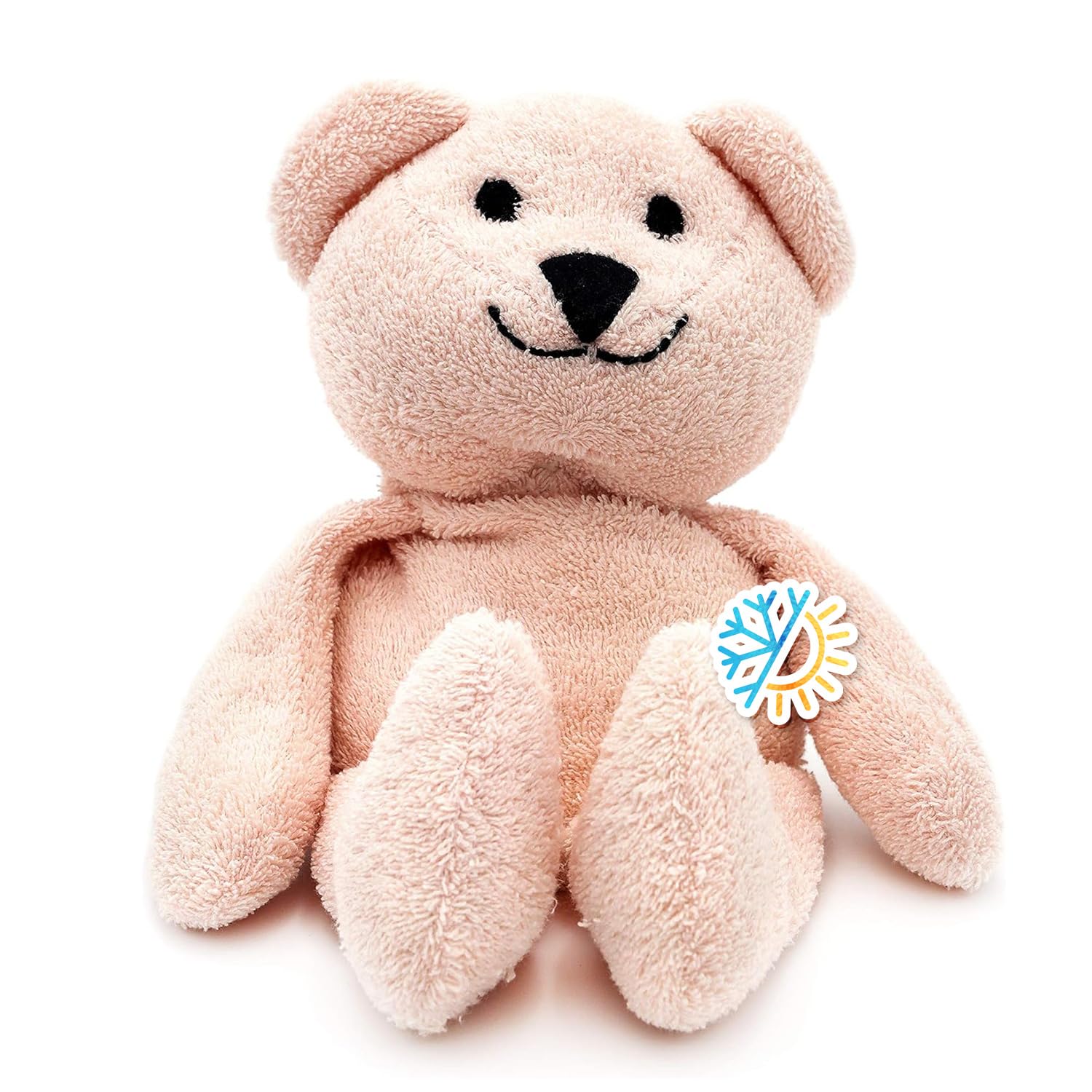
Credit: www.amazon.sg
When To Replace Your Microwavable Stuffed Animal
Even with good care, these plushies don’t last forever. You should replace your microwavable stuffed animal if:
- The filling smells musty or burned
- The fabric is ripped or leaking
- The toy does not heat up properly
- The scent is completely gone (for herbal plushies)
On average, these toys last 1–3 years with regular use.
Are There Washable Alternatives?
If you want a plushie that is easy to clean, look for these features:
- Removable, washable covers
- Synthetic fillings (like clay beads) instead of grains
- Machine washable labeling
Some brands now make microwavable stuffed animals with these improvements. Always read product descriptions before buying. For more on the science and safety of microwavable plushies, see the Wikipedia page on microwave heating pads.
Frequently Asked Questions
How Can I Clean A Microwavable Stuffed Animal With No Removable Cover?
Use spot cleaning only. Dampen a cloth with mild soapy water and clean the surface gently. Do not soak the toy, and dry it well before using it in the microwave again.
Is It Safe To Use Disinfectant Sprays On Microwavable Stuffed Animals?
Yes, but choose a spray that is safe for fabrics and children. Always test on a small area first, and let the toy air out before use. Avoid sprays with strong chemicals or heavy scents.
What Should I Do If My Microwavable Stuffed Animal Smells Bad After Washing?
If the smell is mild, air the toy outside for a few hours or sprinkle baking soda on it and brush off. If the smell is strong or musty, the filling may have spoiled. In that case, it is safest to replace the toy.
Can I Put My Microwavable Stuffed Animal In The Dryer?
Only put the outer cover in the dryer if the care label says it is safe. Never put the whole stuffed animal with filling in the dryer. The heat can damage the filling or cause a fire risk.
How Long Do Microwavable Stuffed Animals Last With Regular Cleaning?
With good care, most microwavable stuffed animals last 1–3 years. Lifespan depends on the type of filling, how often they are used, and how they are cleaned and stored.
Keeping your microwavable stuffed animal clean extends its life and makes it safe and pleasant to use. By following the right cleaning methods and avoiding common mistakes, you can enjoy your cozy companion for years while keeping germs and odors away.