
A sliding couch on a wood floor can be a daily frustration. You sit down, and your sofa moves back an inch. You lean to pick up the remote, and it slides again. This small problem can quickly turn into scratched floors, damaged furniture legs, and even safety concerns if someone loses balance.
Luckily, you don’t have to live with a wandering couch. There are practical, effective ways to keep your sofa in place, and many of them are simple enough for anyone to do at home.
This guide explores everything you need to know about how to stop couches from sliding on wood floors. Whether you want quick fixes, long-term solutions, or a blend of both, you’ll find clear steps, key factors to consider, and common mistakes to avoid. You’ll also discover product options, DIY tricks, and expert advice drawn from real-life experiences. By the end, you’ll have all the knowledge you need to keep your couch exactly where you want it—without damaging your beautiful wood floor.
Why Do Couches Slide On Wood Floors?
Wood floors are smooth and hard, which makes them attractive and easy to clean. However, these same qualities mean furniture legs have very little grip. The friction between the couch and the floor is low, so even a small push or movement can cause sliding.
Most couches have legs made from wood, plastic, or metal. These materials don’t naturally grip wood floors. Over time, even heavier couches can start to shift, especially if children jump on them or if you have lightweight furniture. The problem can be worse if the floor has been polished or waxed, which makes it even more slippery.
Humidity and temperature changes can cause wood floors to expand and contract. This can make the surface even more slippery, especially in climates where the seasons change dramatically.
Dangers And Downsides Of A Sliding Couch
A couch that moves every time you use it isn’t just annoying. It can actually cause real problems:
- Scratched floors: Couch legs can leave ugly marks, especially if they have metal tips or rough edges.
- Safety risks: Someone could trip if the sofa slides unexpectedly, especially children or the elderly.
- Furniture damage: Sliding can loosen joints in the couch, causing wobbling or breaks.
- Unstable room layout: Your living room might always feel “off” because the sofa never stays where you want it.
These issues are not just cosmetic. For example, a survey by the National Floor Safety Institute found that slips and trips cause over 1 million hospital emergency room visits each year in the US. While most are from wet floors, moving furniture adds to the risk at home.

Credit: www.amazon.com
How To Stop Couches From Sliding On Wood Floors: The Most Effective Solutions
There are several ways to keep your couch from moving. Some are quick fixes, and others give you a permanent solution. The best method depends on your budget, the look you want, and whether you want a temporary or long-lasting answer.
1. Use Furniture Grippers
Furniture grippers are one of the easiest and most effective solutions. These are pads made from rubber or silicone that go under each leg of your couch.
How they work:
The pads increase friction between the couch and the floor, so the legs don’t slide easily.
How to use them:
- Measure the size of your couch legs.
- Buy grippers that match the size and shape.
- Clean the bottom of the couch legs and the floor.
- Place a gripper under each leg.
Benefits:
- Simple to install
- Affordable (usually $5–$15 per set)
- Available in different sizes and shapes
Drawbacks:
- Some styles are visible
- Can collect dust over time
Pro tip: Choose grippers with textured bottoms for extra grip.
2. Try Rubber Pads Or Cups
Rubber pads or cups work like grippers but are often thicker and more durable. They’re especially good for heavy couches.
How to use them:
- Pick the right diameter to fit your couch legs.
- Clean both the floor and the couch legs.
- Place the rubber cup under each leg.
Advantages:
- Protects floors from scratches
- Strong hold, even for recliners or sectionals
Keep in mind: Thicker pads may slightly raise your sofa.
3. Place An Area Rug Under The Couch
An area rug adds both style and grip. It creates friction between the rug and the couch legs, which helps keep the sofa in place.
How to do it right:
- Pick a rug large enough for all the couch legs.
- Use a rug pad underneath for extra grip.
- Make sure the rug doesn’t slide (see below for more).
Hidden benefit: Rugs absorb sound, making your living room quieter.
Caution:
If the rug itself slides on the wood, use a non-slip rug pad underneath. Otherwise, you could make the problem worse.
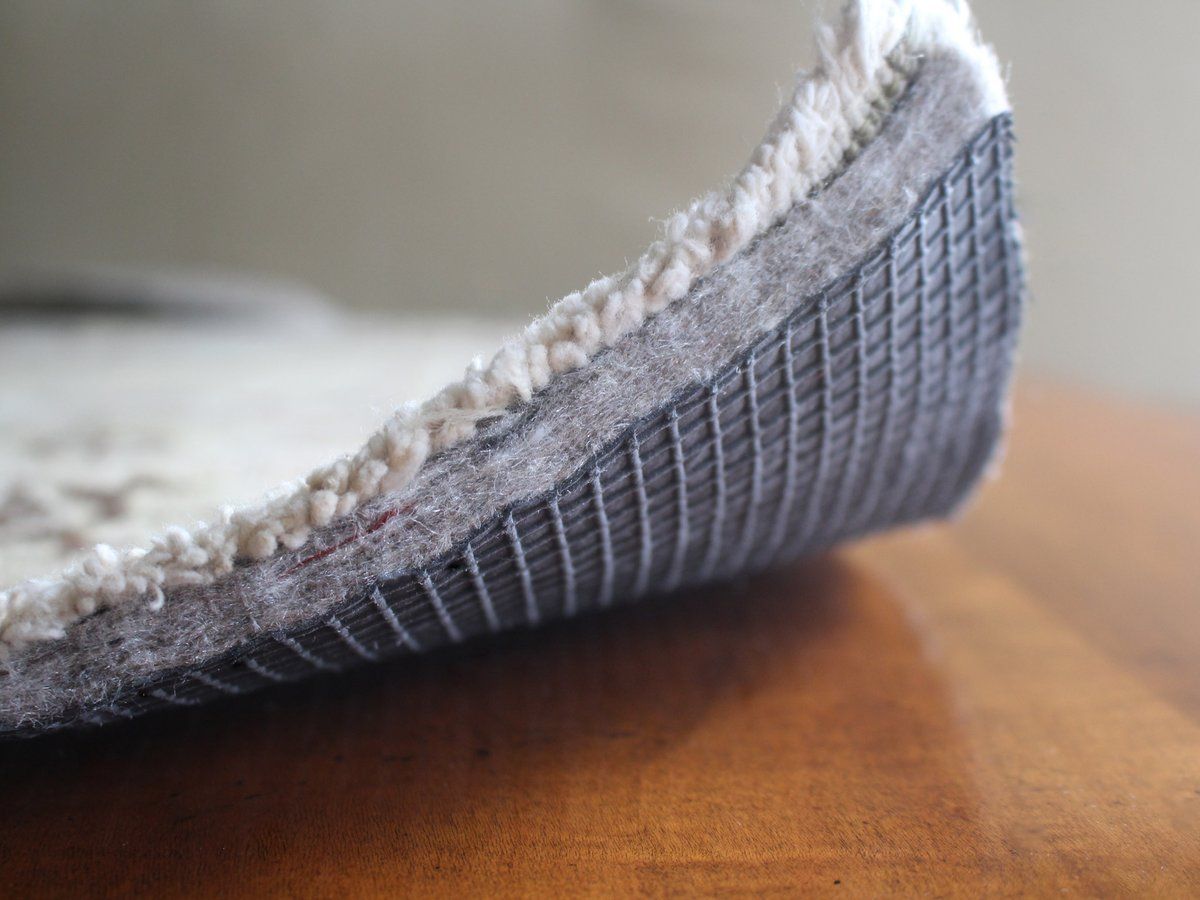
4. Use Non-slip Rug Pads
A non-slip rug pad is a thin layer of material placed under a rug to keep it from moving. These are usually made of rubber or felt with a grippy texture.
How to use:
- Lay the pad flat on the wood floor.
- Place the rug on top.
- Set your couch on the rug.
Why this works:
The pad grips both the wood and the rug, making the whole setup more stable.
5. Try Velcro Strips
For couches with wide, flat legs, Velcro strips can be a clever solution. You attach one side to the couch leg and the other to the floor.
Steps:
- Clean the bottom of the couch leg and the floor area.
- Stick the hook side of the Velcro to the floor, and the loop side to the leg.
- Press the couch down firmly.
Important:
This method is best for people who don’t mind attaching adhesive to their floor. It may leave residue if removed.
6. Install Stop Blocks
Stop blocks are pieces of wood or rubber placed behind the back legs of your couch. They work as a physical barrier.
How to use:
- Cut blocks to fit snugly behind the couch legs.
- Paint or cover them to match your floor.
- Place the blocks at the edge of a wall or baseboard.
Good for:
- Heavy couches
- Rooms where the sofa is up against the wall
Tip: Avoid using metal blocks, as they can scratch the floor.
7. Attach Furniture Leg Socks
Leg socks are soft covers that slip over each couch leg. They’re usually made of fabric, felt, or a mix of materials.
Benefits:
- Reduce sliding
- Prevent scratches
- Come in many colors and designs
Downside:
They may not work for all leg shapes, especially if legs are very thick or have wheels.
8. Use Double-sided Tape
Double-sided tape is a quick, temporary fix. You stick the tape to the bottom of the couch legs, then press them down onto the floor.
How to do it:
- Clean the contact area well.
- Cut tape to size and stick to each leg.
- Press the couch into place.
Best for:
Short-term use or rental homes, since tape can leave marks if left too long.
9. Try Caster Cups (if Your Couch Has Wheels)
Some couches have wheeled legs (casters). This makes sliding worse. Caster cups are small, deep rubber cups designed to hold wheels in place.
How to use:
- Buy caster cups that fit your wheel size.
- Place one under each wheel.
Result:
The wheels sit inside the cup and can’t roll. These are also used for pianos and beds.
10. Consider Adjustable Furniture Feet
Some couches come with adjustable feet that let you raise or lower the legs. You can buy these separately and swap them out.
How this helps:
Adding feet with a rubber bottom increases grip. Adjustable feet also help level the couch on uneven floors.
Tip:
Look for feet with built-in rubber or silicone pads, not just hard plastic.
11. Use Anti-slip Mats
An anti-slip mat is similar to a rug pad but often thicker and with a sticky texture. You can cut them to fit the couch legs or use a larger piece under the whole couch.
How to use:
- Cut to size and place under each leg.
- For lightweight couches, put a mat under the whole sofa.
Bonus:
These mats can also be used under other furniture (tables, beds, etc. ).
12. Secure The Couch To The Wall (advanced)
If your couch always slides away from the wall, consider securing it directly.
How:
- Install small brackets or straps from the back of the couch to the wall.
- Use L-brackets, heavy-duty straps, or even furniture anchors (like those used for earthquake safety).
Warning:
This is a more permanent solution and requires drilling. Only do this if you’re sure you won’t want to move the couch often.
13. Place Heavy Objects Behind The Couch
If you don’t want to use tools or buy products, sometimes placing a bookshelf, console table, or storage trunk directly behind the couch can help.
Why this works:
The extra weight and size create a barrier, stopping the couch from moving backward.
Drawback:
This doesn’t help if the couch slides sideways, and it limits your room layout options.
14. Use Sticky Gel Pads
Gel pads are newer products made from sticky, flexible silicone. They grip both the floor and the couch leg but don’t leave residue.
How to use:
- Peel off the protective film.
- Stick one gel pad to the bottom of each leg.
- Press firmly.
Why choose gel pads:
They’re nearly invisible, reusable, and don’t damage floors.
15. Change The Couch Leg Material
If you’re comfortable with DIY, you can replace slippery plastic or metal legs with wooden legs or legs that have a rubber base.
How to do it:
- Remove the old legs (usually they screw out).
- Buy replacement legs (hardware stores or online).
- Install the new legs.
Extra tip:
Some hardware stores sell rubber “caps” that fit over existing legs, which is a simpler option.
16. Regular Maintenance And Cleaning
Dirt and dust build up under furniture and can act like tiny ball bearings. Regularly clean under your couch and wipe the legs.
Why this matters:
Even the best grippers won’t work well if there’s dust in the way.
Tip:
Use a vacuum and a damp cloth every few weeks.
17. Level The Floor
If your floor is uneven, one leg may not touch the ground, making sliding worse. Check for uneven boards or high spots.
How to fix:
- Use a carpenter’s level to check.
- Add shims or pads under shorter legs.
- For major problems, consult a flooring professional.
18. Combine Methods For Best Results
Sometimes, one solution isn’t enough. For example, you might use both grippers and a rug, or leg socks and an anti-slip mat.
Why combine?
- Better results for heavy or oddly shaped couches
- Extra safety in homes with kids or pets
Expert advice:
Don’t overdo it. Too many layers can make the couch unstable.
Comparing The Most Popular Solutions
Choosing the right method depends on your needs. Here’s a comparison of the most common options:
| Method | Cost | Visibility | Ease of Installation | Floor Protection |
|---|---|---|---|---|
| Furniture Grippers | Low | Low to Medium | Very Easy | Excellent |
| Area Rug + Rug Pad | Medium to High | Low | Easy | Excellent |
| Stop Blocks | Low | Medium | Moderate | Very Good |
| Gel Pads | Medium | Very Low | Easy | Very Good |
Real-world Examples: What Works Best?
Let’s look at three common living room setups and which solutions work best.
| Room Type | Best Solution | Why It Works |
|---|---|---|
| Small Apartment | Furniture Grippers + Rug | Easy to install, no tools needed, affordable |
| Family Home with Kids | Rug Pad + Stop Blocks | Extra grip and safety, less risk of sliding during play |
| Minimalist Modern Space | Gel Pads or Adjustable Feet | Invisible, keeps clean look, no visible hardware |
Common Mistakes To Avoid
When trying to stop your couch from sliding, people often make a few key mistakes:
- Choosing the wrong size gripper: If the gripper is too small, it won’t spread the weight and may not grip well.
- Ignoring cleaning: Dust under the legs can reduce grip, even if you use the best products.
- Not checking for uneven floors: If one leg is shorter, your couch will always wobble and slide.
- Using cheap pads: Very thin or low-quality pads can compress over time and lose their grip.
- Forgetting to check compatibility: Some solutions (like Velcro or adhesive) may damage delicate wood finishes.

Credit: ducttapeanddenim.com
Product Recommendations
When shopping for anti-slip products, look for:
- Rubber furniture grippers: Durable and non-marking. Brands like X-Protector and SlipToGrip are well-rated.
- Non-slip rug pads: Look for felt-and-rubber combinations. Mohawk Home and Gorilla Grip are popular choices.
- Gel pads: Look for reusable, washable silicone pads.
- Caster cups: For sofas with wheels, Shepherd and Slipstick make reliable options.
Always read reviews and check the return policy before buying. For more ideas, see Family Handyman’s guide on stopping sliding furniture.
Non-obvious Insights Beginners Miss
- Humidity affects grip. In damp or humid climates, wood can become more slippery. Check your home’s humidity and use a dehumidifier if needed.
- Weight distribution matters. If your couch has a heavy end (like a recliner), put extra grip on that side. Uneven weight can make one side slide more than the other.
- Regularly check for wear. Even the best pads or grippers can break down over time. Inspect every few months and replace as needed.
When To Call A Professional
If your couch still slides after trying several solutions, or if you notice damage to your floor, it may be time to call a flooring specialist. Especially with older wood floors, sometimes refinishing or leveling is the best long-term answer.
Frequently Asked Questions
Why Does My New Couch Slide More Than My Old One?
Newer couches often have smoother or harder plastic feet, which slide easily on polished wood. Older couches may have rougher or worn feet that grip better. Try adding grippers or rubber pads to your new sofa for better stability.
Will These Solutions Damage My Wood Floor?
Most anti-slip products, like rubber pads, grippers, and gel pads, are designed to protect your floor. Avoid using products with harsh adhesives or very hard materials. Always test a small area first and keep the floor clean.
How Often Should I Replace Furniture Grippers Or Pads?
Check your grippers or pads every 6 months. If you notice wear, cracking, or loss of grip, replace them. High-traffic homes may need to replace pads more often.
Can I Stop A Sliding Couch Without Buying Anything?
Yes, you can try placing heavy objects behind the couch or using a tightly woven rug. However, store-bought grippers and pads usually give better, longer-lasting results.
What Should I Do If My Couch Has Wheels?
Use caster cups made for wheels. Place one under each wheel to prevent rolling. For extra grip, choose cups with rubber bottoms.
A sliding couch can be more than just a nuisance—it can damage your floor, hurt your furniture, and disrupt your living space. Thankfully, with the right products and a little know-how, you can keep your sofa exactly where you want it.
Whether you choose grippers, a rug, gel pads, or a DIY solution, regular maintenance is key. Don’t ignore small movements—fix them early for a safer, more comfortable home. With these tips and insights, you’ll enjoy your living room without the constant shuffle.
Credit: www.rugpadusa.com