
Installing a magnetic door lock access control system is one of the most effective ways to boost building security, manage entry, and track who comes and goes. Whether you are responsible for a small office, an apartment building, or a large commercial property, this system brings peace of mind and convenience. Many people find the idea of installing such a system intimidating, but with the right guidance, you can do it yourself—or at least understand what professionals are doing. Let’s walk through everything you need to know, from basics to advanced tips, making sure you get a reliable, secure result.
What Is A Magnetic Door Lock Access Control System?
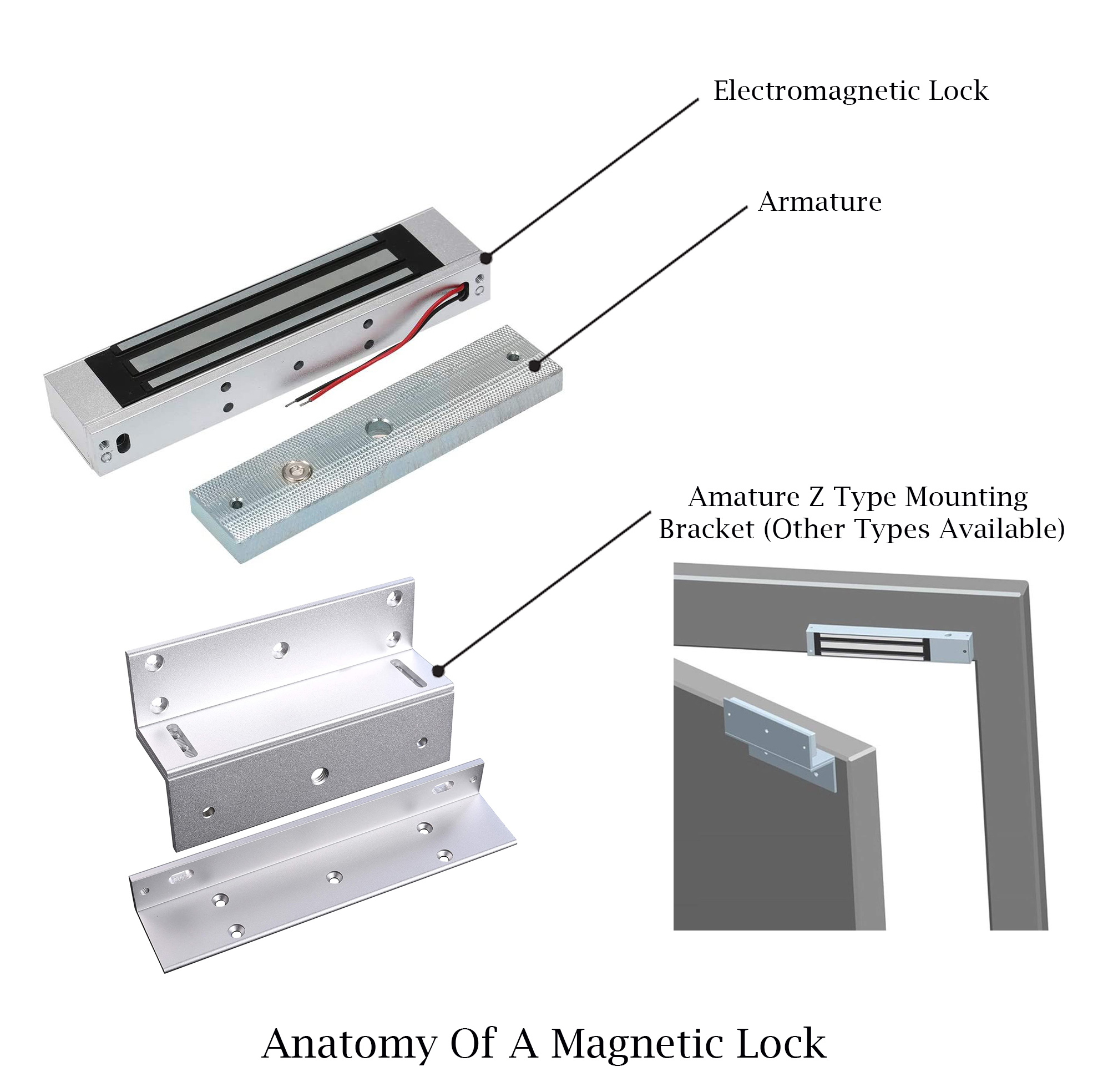
A magnetic door lock (often called a maglock) uses an electromagnet and a metal plate to secure a door. When powered, the magnet holds the door closed with a strong force, often more than 600 pounds. An access control system controls who can open the door, using methods like keypads, cards, or even fingerprints. Together, these parts create a smart, high-security entry point.
Maglocks are common in:
- Office buildings
- Schools
- Hospitals
- Residential complexes
They are especially popular because they have no moving parts, which means less wear and tear compared to traditional locks. When paired with access control, you can set up schedules, monitor entry logs, and easily add or remove users.
Tools And Materials You Will Need
Before starting, gather all tools and parts. Having everything ready will save time and frustration.
Basic Tools:
- Power drill and bits (metal and wood)
- Screwdrivers (flat and Phillips)
- Wire stripper and cutter
- Level
- Tape measure
- Pencil or marker
- Ladder (if needed)
- Multimeter (for checking voltage)
Materials:
- Magnetic door lock (maglock)
- Armature plate (comes with maglock)
- Access control device (keypad, card reader, biometric scanner, etc.)
- Power supply (usually 12V DC, sometimes 24V DC)
- Exit button (for safe exit)
- Door position sensor (optional but recommended)
- Relay module (may come with access control panel)
- Electric cables (correct gauge for power and signal)
- Mounting brackets (for unusual doors)
- Screws, anchors, and cable ties
Pro tip: Check the door type before buying a maglock. Some doors need special brackets or plates. Also, always buy a power supply with enough current for all devices.

Credit: www.youtube.com
Planning Your Installation
Never skip the planning stage. A good plan prevents mistakes, wasted time, and extra costs.
Step 1: Assess The Door And Frame
Not every door is the same. Metal, wood, glass, and fire doors all need different approaches.
- Outward-opening doors often need special Z-brackets.
- Glass doors require surface mounting and careful drilling.
- Heavy or fire-rated doors may need stronger locks.
Check the door’s swing direction, thickness, and material.
Step 2: Choose The Right Lock Strength
Maglocks come in different holding forces, usually 600 lbs (light duty), 1200 lbs (standard), and 1500+ lbs (heavy duty).
- For office doors, 600–1200 lbs is enough.
- For main entrances or high-security areas, use 1200 lbs or more.
Step 3: Plan Cable Routes
Decide how to run wires from the power supply and access device to the door. Hidden routes (above ceilings, inside walls) look better and are safer.
Step 4: Location For Exit Button
The exit button must be easy to reach and clearly visible. Place it about 3. 5–4 feet (1–1. 2 meters) from the floor, and at least 1–2 feet from the door frame.
Non-obvious insight: Always check local building codes. Some areas require a mechanical release or motion sensor inside for emergency exit.
Step-by-step Installation Guide
Step 1: Mark And Prepare The Door
- Hold the maglock on the door frame where you want it installed.
- Use a level to make sure it’s straight.
- Mark holes for screws and wiring with a pencil.
For glass or aluminum doors, use masking tape to avoid cracks or scratches.
Step 2: Install The Magnetic Lock
- Drill pilot holes for mounting screws.
- Attach the maglock to the frame with the screws provided.
- If using brackets, fix the bracket first, then the lock.
- Feed wires through the frame or bracket as needed.
Pro tip: Do not overtighten screws, especially with aluminum or glass frames.
Step 3: Mount The Armature Plate
- The armature plate goes on the door itself, exactly aligned with the maglock.
- Use the supplied template to drill holes.
- Most kits include a rubber washer and a pivot pin—these allow the plate to “float” and make perfect contact with the magnet.
- Secure the plate with screws, but do not make it too tight; the plate should move slightly.
Step 4: Wire The Power Supply
- Connect the maglock to the power supply, matching positive (+) and negative (-) wires.
- Use a multimeter to check voltage at the lock (should match the maglock’s rating, usually 12V DC).
- Run wires neatly and secure with cable ties.
Step 5: Connect The Access Control Device
- Mount the keypad or card reader near the door, at a convenient height.
- Run wires from the access device to the power supply and to the relay input.
- Most access devices have labeled terminals (GND, +12V, NO, NC, COM).
- Follow the wiring diagram in your product manual.
Non-obvious insight: Many access devices have a “tamper” output—connect this to an alarm system for extra security.
Step 6: Install The Exit Button
- Mount the exit button inside, near the door.
- Wire it to break the lock circuit when pressed (usually connects to the relay’s “NO” terminal).
- Test to make sure pressing the button cuts power to the maglock, releasing the door.
Step 7: Test The System
Before closing everything up, test each part:
- Swipe a card or enter a code—door should unlock.
- Press exit button—door should unlock.
- Try power failure—door should unlock (fail-safe).
- Check that the armature plate is pulled firmly when locked.
Step 8: Secure And Finish
- Hide or secure all cables.
- Install any covers or faceplates.
- Clean up and make sure all screws are tight.
- Record access codes and settings for later use.
Common Wiring Diagram Explained
Understanding the wiring helps you install, troubleshoot, or upgrade your system. Here’s a typical layout:
| Component | Connection | Notes |
|---|---|---|
| Power Supply | Maglock, Access Device, Exit Button | Often 12V DC, check total current draw |
| Access Device | Relay Module | Controls lock release |
| Exit Button | Relay Module (NO terminal) | Breaks power to unlock door |
| Maglock | Relay Output | Locks when powered, unlocks when power is cut |
Always double-check the wiring with your product’s manual. Even small mistakes can cause the system to fail or be unsafe.
Integrating With Other Security Systems
A magnetic access control system often works best when combined with other security features:
- CCTV cameras near the door for visual records
- Alarm systems for tamper alerts
- Fire alarm integration so doors unlock automatically in emergencies
Most modern access panels offer connectors for these systems. For example, connecting a fire alarm relay will cut power to all maglocks during an alarm, ensuring safe exit.
Setting Up User Access
Once hardware is installed, you need to program who can enter.
- For keypad systems, set up PIN codes for each user.
- For card systems, enroll cards or fobs for every authorized person.
- Biometric systems require fingerprint or face registration.
Always keep a backup (master) code or card in a safe place. Regularly update user lists if people leave or join.
Troubleshooting Common Issues
Even with careful installation, things sometimes go wrong. Here’s how to solve the most common problems.
Maglock Not Holding
- Check power supply voltage with a multimeter.
- Make sure armature plate is aligned and not too tight.
- Inspect for damaged wires or loose connections.
Door Not Unlocking
- Test the exit button—if it does not work, check wiring.
- Try the access device—if it does not respond, check programming.
- Make sure the relay is working (listen for a click when triggered).
System Loses Power
- Check for blown fuses or tripped breakers.
- Inspect for poor connections at terminals.
- If using backup batteries, test their voltage.
False Alarms Or Tamper Alerts
- Secure all device covers.
- Check for exposed wires touching metal.
- Make sure tamper outputs are connected correctly.
Non-obvious insight: Environmental factors like humidity or dust can cause maglocks to lose strength over time. Clean contacts regularly for best performance.
Safety And Compliance
Security is important, but safety comes first. Maglocks are “fail-safe”—they unlock if power is lost, allowing safe exit. But you must still:
- Provide a clear, easy way to exit (button or motion sensor).
- Comply with fire codes—most require doors to unlock automatically during alarms.
- Display exit instructions near the door.
Check your local regulations before installing, especially in public or shared buildings.
Comparing Maglocks With Other Lock Types
Not sure if a maglock is right for you? Here’s how it compares with other common systems:
| Lock Type | Holding Force | Reliability | Access Control Integration | Fail-Safe/Fail-Secure |
|---|---|---|---|---|
| Magnetic Lock | 600–1500+ lbs | Very high | Excellent | Fail-safe (unlocks on power loss) |
| Electric Strike | 300–1200 lbs | High | Good | Both options available |
| Mechanical Deadbolt | Varies | Medium | Poor | N/A |
Key takeaway: Maglocks are best for high-traffic, controlled environments. For residential or low-traffic doors, electric strikes or smart deadbolts may be enough.
Tips For A Professional-looking Installation
- Hide all cables inside the wall or use trunking for a neat appearance.
- Label wires at both ends to avoid confusion during future maintenance.
- Test everything before closing up. Save time by finding problems early.
- Use lock covers to protect against dust and tampering.
- Document codes and wiring diagrams for the next installer or technician.
Maintenance And Best Practices
Magnetic door locks require little maintenance, but regular checks keep them working smoothly.
- Inspect armature plate contact monthly. Clean with a soft cloth to remove dust.
- Test access devices every few weeks.
- Check backup power—replace batteries as needed.
- Review user access lists to remove old users.
Non-obvious insight: Surge protectors help prevent damage from electrical spikes, especially in areas with unstable power.

Credit: www.youtube.com
Real-world Example: Small Office Installation
Let’s look at a practical scenario—a small office with 20 staff members.
- Chosen maglock: 1200 lbs, surface mount
- Access device: RFID card reader with keypad
- Power supply: 12V DC, 3A
- Exit button: Illuminated push plate
- Integration: CCTV at entrance, fire alarm relay
Steps followed:
- Measured and marked door and frame.
- Installed maglock with L-bracket.
- Mounted access reader at 4 feet height.
- Wired everything through the ceiling.
- Registered 20 cards, set unique PINs for each.
- Tested with and without power (simulated fire alarm).
- Installed trunking for a clean look.
Result: The office now tracks every entry, and staff can enter quickly with a card or code. In emergencies, the door unlocks for safe exit.
Cost Breakdown
Budget is often a key concern. Here’s a typical cost breakdown for a single-door system:
| Component | Estimated Cost (USD) |
|---|---|
| Maglock (1200 lbs) | $60–$150 |
| Access Control Reader | $50–$200 |
| Power Supply (12V, 3A) | $30–$70 |
| Exit Button | $10–$40 |
| Cabling & Accessories | $15–$40 |
| Professional Installation (optional) | $100–$300 |
| Total (DIY) | $165–$500 |
| Total (Pro Install) | $265–$800 |
Actual prices vary by brand, location, and features. For most small businesses, the investment pays off in better security and peace of mind.
Advanced Features You Can Add
After basic installation, you may want extra features for even more control.
- Time-based access: Limit entry to certain hours.
- Remote unlock: Open the door from your phone or computer.
- Audit trails: Keep records of every entry and exit.
- Integration with HR systems: Automatically update access when someone joins or leaves.
These features require advanced controllers or software, but even budget systems now offer some of these options.
Mistakes To Avoid
Many beginners make the same errors. Avoid them for a smooth experience.
- Choosing the wrong lock strength. Always buy stronger than you think you need.
- Ignoring fire safety rules. Always provide a safe exit.
- Poor cable management. Loose or visible wires are untidy and unsafe.
- No backup plan. Keep a manual override or backup battery.
- Forgetting to update user lists. Remove ex-staff immediately.
Credit: www.doorclosersusa.com
When To Call A Professional
DIY is possible for many people, but call an expert if:
- You have glass or fire-rated doors.
- The building has complex wiring or strict codes.
- You want integration with alarms, cameras, or other systems.
- You are not comfortable with electrical work.
A professional ensures safety, compliance, and peace of mind.
Where To Learn More
If you want to go deeper into access control technology, the Wikipedia Access Control page is a reliable source for further reading.
Frequently Asked Questions
How Does A Magnetic Door Lock Work?
A magnetic door lock uses electricity to create a strong magnetic force between an electromagnet (on the frame) and a metal plate (on the door). When powered, the magnet holds the door tightly shut. When power is cut, the door unlocks immediately.
Is A Maglock Safe During Emergencies Like Fire?
Yes. Most maglocks are fail-safe, meaning they unlock if power is lost. When connected to a fire alarm or emergency button, the door will unlock automatically so people can exit safely.
Can I Install A Magnetic Lock On Any Door Type?
Magnetic locks work on most doors—wood, metal, or glass. However, glass and fire-rated doors may need special brackets or a professional installer to ensure safety and proper function.
How Long Does It Take To Install A Maglock System?
For a simple single-door system, most people need 2–4 hours if they have basic tools and experience. Complex systems or multi-door setups take longer and may require professional help.
What Maintenance Does A Maglock Need?
Maglocks are low maintenance. Check the contact surfaces monthly and clean off dust. Test the system regularly, and replace backup batteries as needed. Inspect all wiring once a year.
Installing a magnetic door lock access control system is a smart investment for any property needing controlled entry. With careful planning, the right tools, and attention to safety, you can enjoy reliable, modern security for years to come.