
Washing a hammock might sound simple, but doing it right can make your hammock last longer, stay comfortable, and look fresh. Whether you hang your hammock in the backyard, on a camping trip, or inside your home, it collects dust, sweat, pollen, and sometimes even mildew or bird droppings.
If you’ve never washed a hammock before, or if you’re worried about damaging it, don’t worry. With the right steps, you can keep your hammock clean without losing strength or comfort.
Many people accidentally damage their hammocks by using harsh cleaners, scrubbing too hard, or drying them incorrectly. Others forget to check the type of material, which is important because cotton, polyester, and rope hammocks all need a slightly different approach.
In this guide, you’ll learn practical steps for washing all common hammock types. You’ll also discover tips for tough stains, how to prevent mildew, and what mistakes to avoid. By the end, you’ll know how to wash your hammock safely, quickly, and confidently.
Understanding Your Hammock’s Material
Before you start, it’s important to know what your hammock is made of. Different materials need different cleaning methods. Using the wrong technique can weaken the fabric or fade colors.
Common Hammock Materials
- Cotton: Very comfortable and soft, but absorbs water easily and takes longer to dry. Cotton can shrink if washed in hot water or dried with high heat.
- Polyester: More resistant to mold and dries faster. Polyester hammocks are durable and can handle regular washing better than cotton.
- Nylon (Parachute): Lightweight, quick-drying, and strong. Popular for camping hammocks. Nylon is sensitive to high heat and strong chemicals.
- Rope (Cotton or Polyester): Classic style, often seen in backyard hammocks. Rope can collect dirt and mold in the twists if not cleaned properly.
Why Material Matters
- Shrinkage: Cotton can shrink if washed or dried with heat.
- Color Fading: Harsh soaps or sunlight can fade bright hammocks.
- Mold Resistance: Synthetic hammocks (polyester, nylon) resist mildew better than cotton.
Knowing your hammock’s material helps you pick the right cleaning method. If you are unsure, check the tag or brand’s website.
Preparing To Wash Your Hammock
Washing your hammock starts before you even get it wet. Preparation helps protect your hammock and makes cleaning easier.
Remove Accessories
Take off spreaders, pillows, or any removable parts. Hammocks with wooden spreader bars often have these attached. You don’t want to get wood or metal parts wet if you can avoid it.
Shake Off Loose Dirt
Give your hammock a good shake outside. This removes leaves, dirt, sand, and insects. For rope hammocks, you can use a soft brush to gently knock out debris from the ropes.
Inspect For Damage
Check for frayed ropes, broken strings, or weak spots. Washing a damaged hammock can make the problem worse. Repair any small tears or loose threads before washing.
Choose A Clean, Large Washing Area
You need space to spread out your hammock. Outdoor patios, clean grass, or bathtubs work well. Avoid washing your hammock on rough surfaces like gravel or concrete, which can snag or tear the fabric.
Hand Washing Your Hammock
Hand washing is gentle and works for all hammock types. It’s the safest method, especially for cotton, rope, or hammocks with delicate designs.
What You Need
- A large bucket or tub (bathtub works best)
- Mild detergent (non-bleach, non-fabric softener)
- Soft brush or sponge
- Hose or shower for rinsing
Steps To Hand Wash
- Fill the Tub: Use cool or lukewarm water. Hot water can shrink cotton or damage nylon.
- Add Detergent: Mix in a small amount of mild detergent. Avoid bleach or strong chemicals—these can weaken fibers and fade colors.
- Submerge the Hammock: Place the hammock in the water. If it has spreader bars that cannot be removed, keep these out of the water as much as possible.
- Gently Agitate: Use your hands to swish the hammock. For rope hammocks, gently massage the ropes to loosen dirt.
- Spot Clean Stains: Use a soft brush or sponge on any stains. Do not scrub hard—this can fray the material.
- Rinse Thoroughly: Drain the soapy water. Refill with clean water or use a hose to rinse. Repeat until all soap is gone. Soap left in the fibers can cause skin irritation or attract dirt.
- Squeeze Out Water: Press the hammock gently to remove water. Never wring or twist—it can stretch or damage the fibers.
Pro Tips
- For tough stains (like mildew or bird droppings), a small amount of white vinegar mixed with water can help. Test on a small area first.
- If your hammock is very dirty, soak it for 30–45 minutes before scrubbing.
Washing A Hammock In The Washing Machine
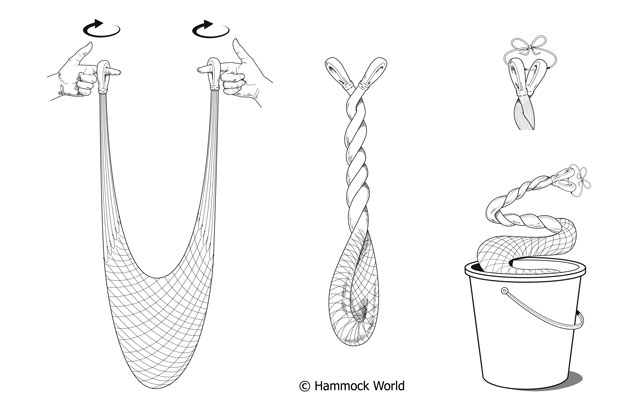
Many fabric hammocks can be washed in a machine, but there are important rules to follow. Never machine wash rope hammocks or hammocks with wooden spreader bars.
Machine-washable Hammocks
- Camping hammocks (nylon, polyester) usually machine wash well.
- Cotton or polyester fabric hammocks may be machine washable if they do not have spreader bars or metal rings.
Machine Washing Steps
- Remove Hardware: Take off carabiners, chains, or other hardware. They can damage both the hammock and your washing machine.
- Fold or Tie the Hammock: Fold the hammock in half and tie the ends together with string or rope. This stops the hammock from tangling.
- Use a Laundry Bag: If possible, place the hammock in a large mesh laundry bag or old pillowcase.
- Choose Gentle Cycle: Use cold water and a gentle or delicate cycle. Never use hot water or strong agitation.
- Add Mild Detergent: Use a small amount. Do not add bleach or fabric softener.
- Rinse Thoroughly: If your machine allows, run an extra rinse cycle to remove all soap.
Quick Comparison Table: Machine Wash Vs Hand Wash
| Method | Best For | Pros | Cons |
|---|---|---|---|
| Machine Wash | Nylon, polyester, some cotton | Fast, easy | Can tangle, not for rope/wooden spreader |
| Hand Wash | All types | Gentle, safe | More time, more effort |
Important Note
Always check the care label or manufacturer instructions. Some brands have specific requirements.
Credit: www.reddit.com
Special Cleaning For Rope Hammocks
Rope hammocks need extra attention because dirt and mildew collect in the twists. Most rope hammocks are made from cotton or polyester rope.
Key Steps For Rope Hammock Cleaning
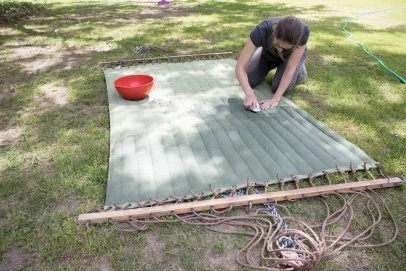
- Lay Flat: Spread the hammock on a clean, flat surface (like a deck or tarp).
- Mix Soapy Water: Use mild detergent and cool water in a bucket.
- Scrub Gently: Use a soft brush (like a toothbrush) to clean between rope twists. Focus on spots with stains or mildew.
- Rinse with Hose: Spray with a hose until all soap is removed.
- Lift and Shake: Pick up the hammock and shake to remove excess water and open the ropes.
- Dry Completely: Hang in a sunny, breezy spot. Ensure ropes are fully dry before using or storing.
Avoid These Mistakes
- Do not use bleach (weakens rope).
- Do not twist or wring the hammock.
- Never put a rope hammock in the dryer.
Drying Your Hammock The Right Way
How you dry your hammock is just as important as washing it. Improper drying can cause mildew, shrinkage, or even permanent damage.
Best Drying Practices
- Hang to Dry: Stretch the hammock out fully. This prevents shrinking and keeps the shape.
- Use Sunlight: Sunlight helps kill bacteria and mildew. But avoid long hours in direct sun for bright-colored hammocks, as colors can fade.
- Avoid Dryers: The heat from dryers can shrink or melt hammock fibers, especially nylon or cotton.
- Check for Full Dryness: Hammocks can feel dry on the surface but still be damp inside ropes or folds. Let the hammock hang for several hours, turning if possible.
Drying Time Estimates
| Hammock Material | Average Drying Time | Best Drying Method |
|---|---|---|
| Cotton | 6–12 hours | Hang in sun, avoid dryer |
| Polyester | 2–6 hours | Hang outdoors |
| Nylon | 1–3 hours | Hang, air dry |
| Rope (cotton/poly) | 6–24 hours | Hang stretched out |
Credit: www.hgtv.com
Removing Stubborn Stains And Mildew
Sometimes hammocks get stains that regular washing won’t remove. Mildew is common, especially if a hammock is left damp. Here’s how to tackle these problems.
Removing Mildew
- Mix Vinegar Solution: 1 part white vinegar to 4 parts water.
- Apply to Affected Area: Use a spray bottle or sponge.
- Let Sit: Leave for 10–15 minutes.
- Scrub Gently: Use a soft brush to remove mildew.
- Rinse Thoroughly: Remove all vinegar to avoid smell.
- Dry in Sun: Sunlight helps kill mildew spores.
Treating Tough Stains
- Spot Clean: Use a mix of mild soap and water. For greasy stains, a tiny drop of dish soap helps.
- Repeat if Needed: Some stains take two or three tries.
- Avoid Bleach: Especially on colored or cotton hammocks, as it damages fibers and fades colors.
Common Mistakes
- Using bleach on natural fibers (weakens them).
- Letting mildew set for too long (can rot the fabric).
- Scrubbing too hard (frays ropes or fabrics).
Caring For Hammock Hardware
Your hammock may have carabiners, chains, or metal rings. These parts need care too.
Cleaning Hardware
- Remove from Hammock: Clean separately.
- Wash with Soap and Water: Use a sponge or cloth.
- Dry Thoroughly: Prevents rust.
- Check for Rust or Damage: Replace any damaged parts before next use.
Maintaining Wooden Spreader Bars
- Wipe with a damp cloth.
- Dry immediately.
- Apply wood oil occasionally to keep them smooth and protected.
Credit: www.hammockworld.com.au
How Often Should You Wash Your Hammock?
Washing frequency depends on use and environment. Here are some practical guidelines.
- Frequent Use (Daily/Weekly): Wash every 1–2 months.
- Outdoor Hammocks: Wash every 2–3 months, or after heavy pollen, rain, or bird droppings.
- Indoor Hammocks: Wash every 3–6 months.
- Camping Hammocks: Wash after every trip, especially if exposed to mud or saltwater.
Washing too often can weaken some fibers, but washing too little allows dirt and mildew to build up. Always let the hammock dry fully before storing.
Storing Your Hammock Properly
Clean storage is just as important as cleaning. A dirty or damp hammock can develop mildew and smell bad.
Storage Tips
- Store Only When Dry: Never put a damp hammock away.
- Use a Breathable Bag: Cotton or mesh storage bags are best. Avoid plastic bags, which trap moisture.
- Keep Off the Ground: Store in a dry, cool place, away from direct sunlight and pests.
- Check Regularly: Inspect your hammock every few weeks if stored for a long time.
Quick Table: Good Vs Bad Storage
| Good Storage | Bad Storage |
|---|---|
| Clean, dry, breathable bag | Damp, sealed in plastic |
| Cool, dry space | Hot, humid attic |
| Off the ground | On garage floor |
Mistakes To Avoid When Washing A Hammock
Many hammock owners make small mistakes that shorten the life of their hammock. Here are some to watch out for:
- Using Bleach or Strong Detergents: These can break down fibers and fade colors.
- Washing with Hardware Attached: Can damage the hammock or your washing machine.
- Machine Washing Rope Hammocks: Ropes can tangle or break.
- Drying in a Dryer: Heat can shrink or melt fibers.
- Storing While Damp: Leads to mildew and bad odors.
- Scrubbing Too Hard: Weakens ropes or fabric.
- Not Rinsing Soap Completely: Soap left in fabric attracts dirt and can irritate skin.
Understanding these mistakes makes your hammock last longer and stay comfortable.
Useful Tips For Longer Hammock Life
- Use a Hammock Underquilt or Blanket: Keeps sweat and skin oils off the hammock, making it easier to clean.
- Hang in the Shade: Reduces fading from sunlight.
- Bring Indoors During Rain: Prevents mildew and rotting.
- Rotate Hanging Points: Avoids stretching one area too much.
Many people overlook the importance of rinsing out all soap, or they rush drying time. Hammocks need to be fully dry before use or storage. Patience pays off.
When To Replace Your Hammock
Even with the best care, all hammocks wear out. Signs that it’s time for a new one:
- Frayed or Broken Ropes: Safety risk.
- Large Holes or Tears: Especially in the main bed.
- Stubborn Mold Smell: If mildew smell won’t go away, fibers may be damaged.
- Loss of Comfort or Sagging: Means fibers have stretched too much.
If your hammock shows these signs, don’t risk injury—replace it.
Eco-friendly Hammock Washing
Caring for your hammock can also mean caring for the environment.
- Use biodegradable detergents.
- Wash over grass or gravel to avoid sending soap into storm drains.
- Avoid using large amounts of water if not necessary.
Some outdoor gear brands offer eco-friendly washing guides. For more, see the REI hammock care guide.
Frequently Asked Questions
How Do I Clean A Hammock With A Wooden Spreader Bar?
Remove the hammock from the hanging points, and if possible, detach the spreader bars. If they cannot be removed, avoid soaking the bars. Wash the fabric or rope part by hand, keeping the bars as dry as possible. Wipe the wood with a damp cloth and dry it quickly to prevent swelling or cracking.
Can I Use A Pressure Washer To Clean My Hammock?
No, a pressure washer is too powerful for hammock fibers. It can fray or break ropes and damage fabric. Always use gentle water pressure, such as a hose or shower.
What Should I Do If My Hammock Smells Musty After Washing?
A musty smell usually means the hammock did not dry completely or mildew is still present. Rewash with a vinegar solution, rinse well, and dry fully in sunlight. Make sure the hammock is completely dry before using or storing.
Is It Safe To Use Fabric Softener On My Hammock?
No, fabric softener leaves residue on fibers, which can attract dirt and reduce the hammock’s breathability. Stick to mild detergents and rinse thoroughly.
How Do I Wash A Hammock With Built-in Mosquito Netting?
Treat it gently. Hand wash with mild soap and water, focusing on the hammock body. For the netting, avoid scrubbing; rinse with water only. Never wring or twist the netting, and dry the hammock fully stretched out to avoid damaging the net.
Washing your hammock the right way keeps it comfortable, safe, and looking great for years. With the steps above, you can clean any hammock confidently. Take care, and enjoy your next relaxing swing!