
A slow cooker can make life in the kitchen much easier. You add your ingredients, set the temperature, and walk away. Hours later, you return to a warm, flavorful meal. But many people have one big question: Should a slow cooker simmer on low? Understanding this is not just about following recipes—it’s about food safety, taste, and how your slow cooker really works. Some advice online can be confusing or even wrong. In this guide, you will learn what it means for a slow cooker to “simmer,” what the low setting actually does, and how to get the best results from your slow cooker, every time.
What Does Simmering Mean?
Before we talk about slow cookers, let’s look at what simmering really means. In cooking, simmering is when you cook food in liquid that’s just below boiling. For water, boiling happens at 212°F (100°C). Simmering is usually between 185°F and 205°F (85°C to 96°C). You’ll see small bubbles rising gently, but not a rolling boil.
Simmering is important for many dishes because it cooks food slowly and evenly. Tough meats become tender, and flavors blend together. Many classic dishes—like stews, soups, and braised meats—need long, gentle simmering.
A common beginner mistake is confusing a boil with a simmer. Boiling is much more aggressive, which can make meat tough and break apart vegetables. Simmering protects your food, giving you better texture and taste.
How Does A Slow Cooker Work?
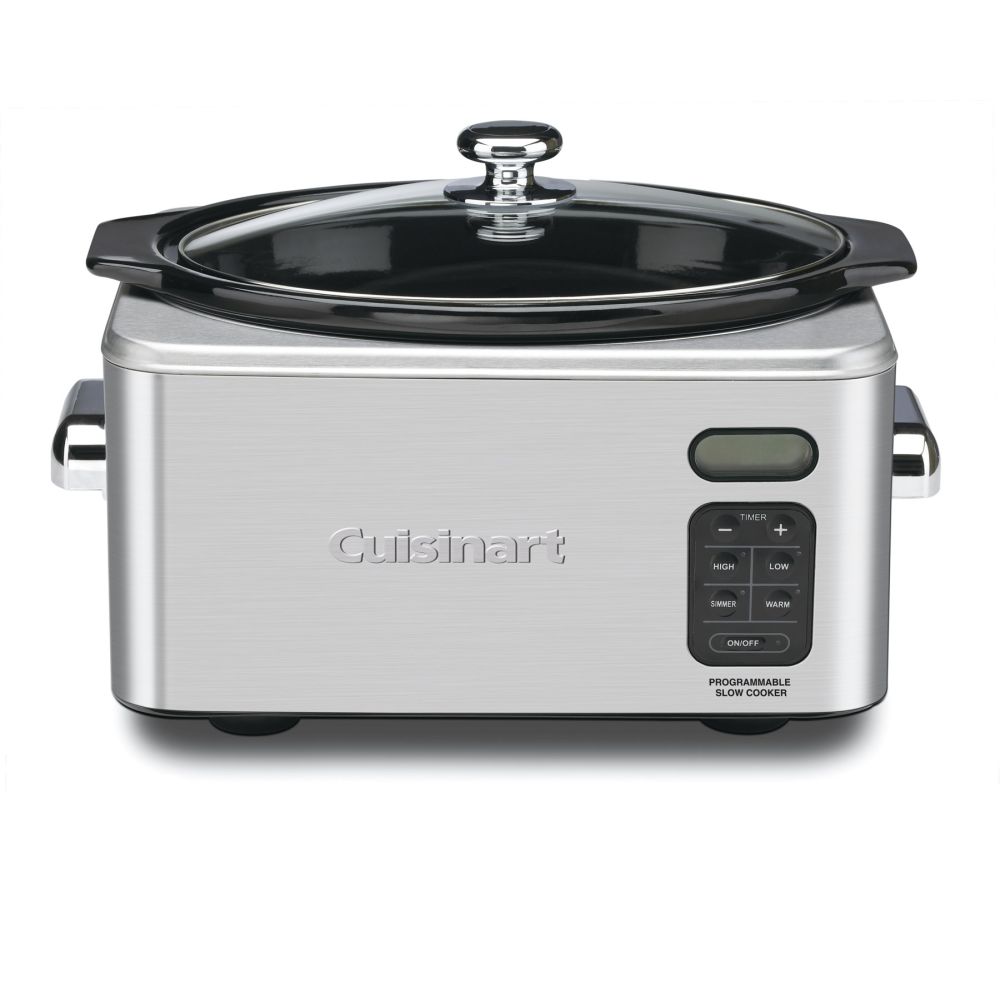
To answer if your slow cooker should simmer on low, you need to know how these devices operate. A slow cooker is a countertop electrical appliance designed to cook food at a low, steady temperature for several hours.
Key Slow Cooker Parts
- Heating element: Wrapped around the base, it heats the crock evenly.
- Ceramic or stoneware crock: Holds the food and helps distribute heat slowly.
- Lid: Keeps moisture and heat inside, making sure the food doesn’t dry out.
Temperature Settings
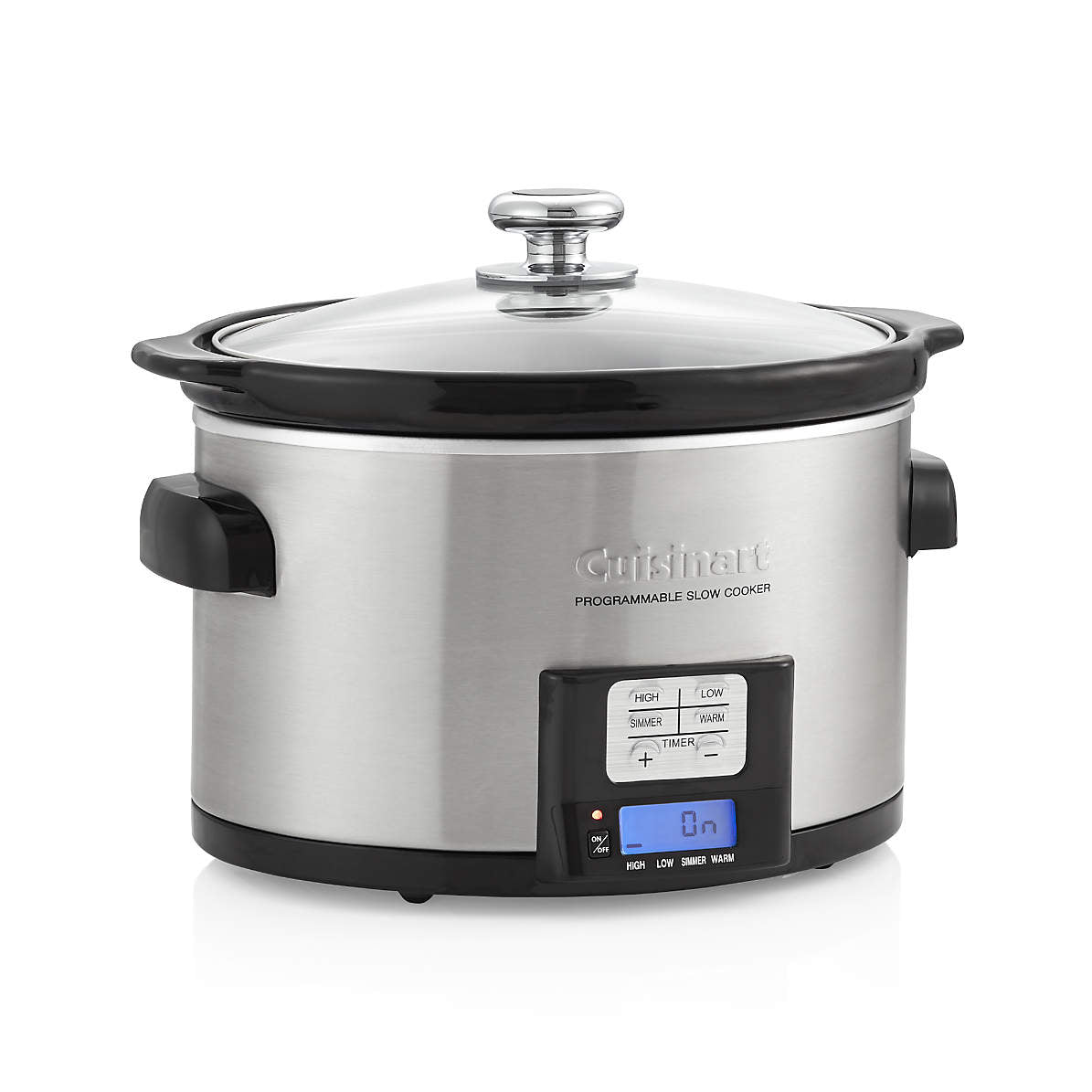
Most slow cookers have two main settings: Low and High. Some models add a “Keep Warm” or even programmable temperature controls.
- Low: Typically heats food to around 190°F to 200°F (88°C to 93°C)
- High: Usually reaches 250°F (121°C) or a bit less, depending on brand
- Keep Warm: Maintains 165°F to 175°F (74°C to 80°C) for serving
But here’s something many people miss: Both Low and High settings eventually bring your food to a simmering temperature. The difference is how fast they get there.
How Heating Works
When you turn on a slow cooker, the temperature rises slowly. On Low, it may take 7-8 hours to reach simmering. On High, it might take just 3-4 hours. Once the food reaches simmering, both settings usually maintain that gentle heat.
This slow rise is what makes slow cookers so good for busy people. You can set it in the morning, go to work, and come home to a ready meal.
Example
If you start a beef stew at 8 a. m. on Low, it will likely reach simmering temperature by lunchtime and stay there the rest of the cooking time. On High, it might reach simmer by mid-morning.
Credit: www.everythingkitchens.com
Should Your Slow Cooker Simmer On Low?
Now, to the main question. Should a slow cooker be simmering on the Low setting? The short answer: Yes, but with important details.
Why Simmering Is The Goal
Most slow cooker recipes are written so your food simmers for several hours. This temperature is hot enough to cook meat, break down collagen, and blend flavors, but not so hot that food dries out or burns. The slow, moist cooking is what gives you tender results.
What Happens On Low
On the Low setting, the slow cooker gradually brings the food to around 190°F, which is at the lower end of the simmer range. This is ideal for:
- Tough cuts of meat (like chuck roast or pork shoulder)
- Beans and lentils
- Soups and stews
The food will not boil, but you may see small bubbles after several hours. This is normal and means your slow cooker is doing its job.
Is It Safe?
Yes, as long as your food reaches at least 165°F (the safe minimum for most meats, according to the USDA). Slow cookers are designed to get food out of the “danger zone” (40°F–140°F) within two to four hours, preventing bacteria from growing.
However, if you fill your slow cooker with very cold ingredients or large pieces of frozen meat, it may take longer to heat up. This is not recommended—always thaw large cuts of meat first to ensure safety.
When Simmering On Low May Not Happen
Some older or smaller slow cookers may not reach a true simmer on Low, especially if overloaded or used in a cold kitchen. If your food never bubbles or seems undercooked after hours, your cooker may run too cool. In that case, use the High setting for the first hour, then switch to Low.
Comparing Low And High: What’s The Real Difference?
Many people wonder if there’s a real difference between Low and High. The answer is mostly about timing, not final temperature.
Here’s a simple comparison:
| Setting | Approx. Final Temp | Time to Simmer | Best For |
|---|---|---|---|
| Low | 190–200°F (88–93°C) | 6–8 hours | Tough meats, all-day cooking |
| High | 200–212°F (93–100°C) | 3–4 hours | Quick meals, beans, soups |
| Keep Warm | 165–175°F (74–80°C) | N/A (after cooking) | Holding food safely |
Key Insight
Even on Low, your slow cooker will eventually reach a gentle simmer. The main difference is how long it takes to get there. For most recipes, using Low gives you the most tender, flavorful results—if you have the time.

Credit: www.all-clad.com
When Should You Use Low Vs High?
Understanding when to use Low or High can make a big difference in your meals.
Use Low When:
- You want to cook all day (8+ hours)
- You’re making tough cuts of meat (brisket, pork shoulder)
- You want maximum tenderness and flavor
- You’re leaving the house for work
Use High When:
- You need food ready in 3–5 hours
- Cooking beans or smaller cuts of meat
- Making soups or sauces that need less time
Practical Example
If you’re preparing a pot roast before leaving for work, set it to Low and let it cook for 8–10 hours. If you forget until midday, use High to finish in 4–5 hours. Remember, both methods will simmer the food—the difference is time.
Common Mistake
Many beginners switch between Low and High during cooking, hoping to speed things up. This can make the food uneven. It’s better to stick with one setting, unless the recipe says to switch.
How To Tell If Your Slow Cooker Is Simmering Properly
Not all slow cookers are the same. Some run hotter or cooler, and external factors like room temperature or food volume can affect performance.
Signs Your Cooker Is Simmering
- After 4–6 hours on Low, you see small bubbles at the edges
- The food is very hot to the touch
- Meat is tender and easily shredded
If you never see bubbles or the food seems raw after hours, your slow cooker may not be reaching safe temperatures.
How To Check Temperature
You can test your slow cooker with a food thermometer. Here’s how:
- Fill the crock with water halfway.
- Set to Low for 8 hours.
- Quickly check the water temperature—it should be at least 185°F.
If your cooker doesn’t reach this, it may be faulty or too old for safe use.
Data Table: Slow Cooker Test
Here’s a comparison of water temperature tests for typical slow cooker settings:
| Brand/Model | Low (8 hrs) | High (4 hrs) |
|---|---|---|
| Modern 6-qt Crock-Pot | 192°F | 210°F |
| Older 4-qt Rival | 176°F | 198°F |
| Programmable Hamilton Beach | 195°F | 212°F |
If your cooker doesn’t hit at least 185°F on Low, it may be unsafe for long cooks.
Simmering And Food Safety
Food safety is a top priority with slow cooking. Low temperatures are safe if used correctly, but there are risks if the food stays too cool for too long.
The Danger Zone
Bacteria grow quickly between 40°F and 140°F. Your goal is to get food above 140°F as soon as possible. Slow cookers are designed to do this safely, but you need to follow a few simple rules:
- Thaw meats first – Never cook large frozen roasts or chickens on Low.
- Don’t overload – Too much food can slow heating.
- Preheat if possible – If you’re worried about safety, preheat the crock with hot water or brown meats first.
Example
If you put a large frozen roast in a cold slow cooker on Low, it might take 6+ hours to pass 140°F, which is unsafe. Instead, thaw the meat in the fridge first, then add to the cooker.
Slow Cooker Simmering And Recipe Results
Simmering on Low is not just about safety—it also affects how your food tastes and feels.
Why Low Simmering Is Best For Some Foods
- Tough meats: Low, long simmering breaks down collagen, making meat tender.
- Beans and lentils: Cook gently without splitting or turning mushy.
- Vegetables: Root vegetables like potatoes and carrots soften perfectly.
When Simmering On Low May Not Be Ideal
Some foods do better with less time or higher heat:
- Chicken breasts: Can dry out on long, low cooks. Try High for 2–3 hours.
- Seafood: Add near the end, or cook on High for a short time.
- Dairy: Milk, cheese, or cream can curdle. Add in the last 30 minutes.
Non-obvious Insight
Sometimes, recipes call for browning meat before adding to the slow cooker. This step adds flavor but also helps bring the starting temperature up, speeding safe simmering.
Credit: homeportonline.com
Troubleshooting: When Your Slow Cooker Doesn’t Simmer
You may notice your food isn’t hot enough or isn’t cooking as expected on Low. Here’s what you can do:
- Check the lid – A loose lid lets heat escape. Always use the right lid, and keep it on during cooking.
- Don’t stir too often – Opening the lid lets heat out, dropping the temperature. Only stir if the recipe says.
- Use the right amount of food – Most slow cookers need to be at least half full, but not overfilled. Too little food may cook too fast; too much, too slow.
- Test with water – As mentioned earlier, do a water test with a thermometer to check your cooker’s performance.
- Switch to High if needed – If food isn’t simmering after 4 hours on Low, switch to High for an hour, then return to Low.
Example
If your chili isn’t bubbling after 6 hours on Low, check the temperature. If below 180°F, finish the recipe on High and consider replacing your slow cooker.
Slow Cooker Simmering Vs. Stovetop Simmering
You might wonder how slow cooker simmering compares to using a pot on the stove.
Main Differences
- Heat control: Stovetop simmering needs constant watching; slow cookers are set-and-forget.
- Evaporation: On the stove, liquid can reduce a lot. In a slow cooker, very little liquid is lost because the lid traps steam.
- Flavor: Some flavors develop differently. Slow cookers keep more moisture, which can make sauces thinner. Stovetop simmering can give more concentrated flavors.
Which Is Better?
It depends on your goal. For hands-off cooking and tender meats, slow cookers are best. For thick sauces or rapid reduction, stovetop simmering wins.
Table: Simmering Comparison
| Method | Heat Control | Liquid Loss | Best For |
|---|---|---|---|
| Slow Cooker (Low) | Automatic, gentle | Very little | Stews, braises, soups |
| Stovetop | Manual, needs attention | High | Sauces, quick dishes |
Common Myths About Slow Cooker Simmering
There’s a lot of bad advice online about slow cookers. Let’s clear up some common myths.
Myth 1: “low Is Not Hot Enough To Cook Food Safely.”
Fact: Modern slow cookers on Low reach safe temperatures for cooking and food safety, if you follow best practices.
Myth 2: “you Must Always Brown Meat First.”
Fact: Browning adds flavor but isn’t required for safety. You can cook meat from raw in a slow cooker, but browning can help with taste and speed up initial heating.
Myth 3: “opening The Lid Doesn’t Matter.”
Fact: Every time you open the lid, you can lose 15–30 minutes of cooking time because heat escapes.
Myth 4: “all Slow Cookers Work The Same.”
Fact: There are big differences in how fast different brands and models heat up, especially older or smaller units.
Myth 5: “simmering On High Is Always Faster And Just As Good.”
Fact: High cooks food faster, but some textures and flavors only develop with long, slow simmering on Low.
Practical Tips For Best Results
To get the most from your slow cooker on Low, try these tips:
- Cut food evenly – Same-sized pieces cook evenly and reach simmer at the same time.
- Use enough liquid – Even though little evaporates, you need enough to cover ingredients for proper simmering.
- Layer smartly – Place tougher, thicker foods (like carrots or potatoes) at the bottom, closer to the heat.
- Adjust for altitude – At high altitudes, water boils at a lower temperature. You may need to cook longer.
- Don’t overfill – Stay below the max fill line to allow proper simmering.
- Use a timer – Programmable cookers can switch to “Keep Warm” automatically if you’re not home.
- Finish with fresh herbs – Add delicate herbs (parsley, basil) near the end for best flavor.
Non-obvious Insights Most Beginners Miss
Many new slow cooker owners believe that more time always means better results. However, some foods—like chicken breasts, shrimp, or zucchini—can become mushy or dry if simmered too long, even on Low. Adjust cook times for these ingredients.
Another tip: Slow cookers rely on trapped steam for gentle simmering. If your lid is cracked or doesn’t fit well, the cooker may lose too much heat and never reach a proper simmer. Always check your lid seal before starting a long cook.
Should You Ever Simmer On High Instead Of Low?
There are times when High makes sense:
- When you start late and need food done sooner
- When cooking tough legumes (like kidney beans, which should be boiled for safety)
- When making quick desserts or dips
But for maximum tenderness and deep flavor, Low is the best choice for most dishes.
Summary: Should A Slow Cooker Simmer On Low?
Yes—a slow cooker should simmer on Low for most recipes. This gentle, steady heat is what makes slow-cooked meals so delicious and easy. The Low setting is designed to bring your food to simmering temperature, then hold it there for hours.
This gives you tender meats, rich flavors, and safe, hassle-free meals.
Remember, not all slow cookers are created equal. Always check your device if you’re unsure, and follow smart cooking practices for the best results.
If you want more details on safe slow cooking, the USDA Slow Cooker and Food Safety guidelines provide trustworthy information.
Frequently Asked Questions
What Is The Ideal Temperature For Simmering In A Slow Cooker?
The best simmering temperature is between 185°F and 205°F (85°C to 96°C). Most slow cookers on Low reach this range after several hours, which is perfect for tenderizing tough meats and blending flavors.
Is It Safe To Leave My Slow Cooker On Low All Day?
Yes, as long as you follow food safety rules—thaw meats first, don’t overload, and keep the lid on. Modern slow cookers are built for unattended all-day cooking.
Why Does My Slow Cooker Not Bubble On Low?
Some slow cookers run cooler, and the bubbling might be very gentle—just a few small bubbles at the edges. If your food isn’t hot after hours, check with a thermometer to ensure it’s at least 185°F.
Can I Switch From High To Low During Cooking?
Yes, many recipes tell you to start on High to heat quickly, then switch to Low. However, avoid switching back and forth often, as this can affect texture and evenness.
Are There Foods I Should Not Cook On Low In A Slow Cooker?
Large frozen meats, some delicate seafood, and dairy-based dishes are not ideal for Low. Always thaw large items first and add dairy or seafood late in the cooking process.
Enjoy your slow cooking! With these tips, you’ll always know when—and why—your slow cooker should simmer on Low.