
If you hear strange sounds coming from your gas stove even when it is turned off, it can make you feel uneasy. Many people worry: Is it dangerous? Is my stove broken? Should I call a technician? These are important questions. Gas stoves are a central part of many kitchens, and any odd noise deserves attention. Understanding what causes these noises and how to react can help you avoid risks and unnecessary stress.
This article explains why your gas stove might be making noise when off, what the most common sounds mean, and how to fix the problem safely. You’ll also find practical tips, some common mistakes to avoid, and advice on when to call a professional.
By the end, you’ll know exactly what to do if your gas stove makes noise when it’s off.
Why Is My Gas Stove Making Noise When Off?
Hearing a noise from a gas stove that is switched off is not normal. The sound can be a sign of a problem, but not all noises are equally dangerous. Some noises are harmless and easy to fix, while others need urgent action.
The most common noises are:
- Clicking
- Hissing
- Popping or tapping
- Buzzing or humming
- Whistling
Each sound can come from different parts of the stove or nearby systems. For example, a clicking sound may be related to the igniter, while a hissing sound can signal a gas leak—which is very serious.
Why You Should Never Ignore Stove Noises
Ignoring strange noises can lead to:
- Gas leaks (fire or explosion risk)
- Carbon monoxide poisoning
- Costly repairs if problems get worse
Many homeowners make the mistake of thinking, “If the stove is off, it’s safe. ” This is not always true. If you smell gas or hear a hissing sound, leave the area and call for help immediately.
Common Noises And Their Causes
Let’s break down the most frequent noises you might hear from a gas stove that is off, and what they usually mean.
Clicking Sound
A clicking noise is usually connected to the electronic ignition system. This system creates a small spark to light the gas when you turn the knob. If you hear clicking when the stove is off, possible reasons include:
- Stuck or wet igniter: Food spills or moisture can cause the igniter to keep firing.
- Faulty ignition switch: The switch may be stuck in the “on” position.
- Electrical short: Wires may be damaged or have water on them.
A clicking igniter can wear out over time, so it’s important to address this issue quickly.
Hissing Sound
A hissing noise when the stove is off is more concerning. It usually points to:
- Gas leak: Gas may be escaping from a loose connection, worn valve, or damaged pipe.
- Pressure regulator issue: The regulator may be faulty, causing gas to move through the lines even when off.
If you ever smell gas with this noise, take it seriously. Gas leaks are dangerous. Open windows, leave your home, and call the gas company.
Popping Or Tapping
A popping or tapping sound can come from:
- Metal cooling down: After use, the metal expands and contracts as it heats and cools. This can make popping sounds for a while, but should stop after the stove cools.
- Debris in the burner: Small pieces of food or grease can get stuck and make noise as they move or burn off.
If the popping continues long after the stove is cool, get it checked.
Buzzing Or Humming
A buzzing or humming noise is often caused by:
- Electric transformers: Some stoves have electric components that vibrate.
- Loose parts: Panels or screws may vibrate as the house settles or appliances run.
This sound is not usually dangerous, but can mean something is loose.
Whistling
A whistling sound can be caused by:
- Air in the gas line: When air is trapped, it can whistle as it moves.
- Partially open valve: If a valve is not fully closed, gas or air may escape.
This sound may not be immediately dangerous, but should be checked if it continues.
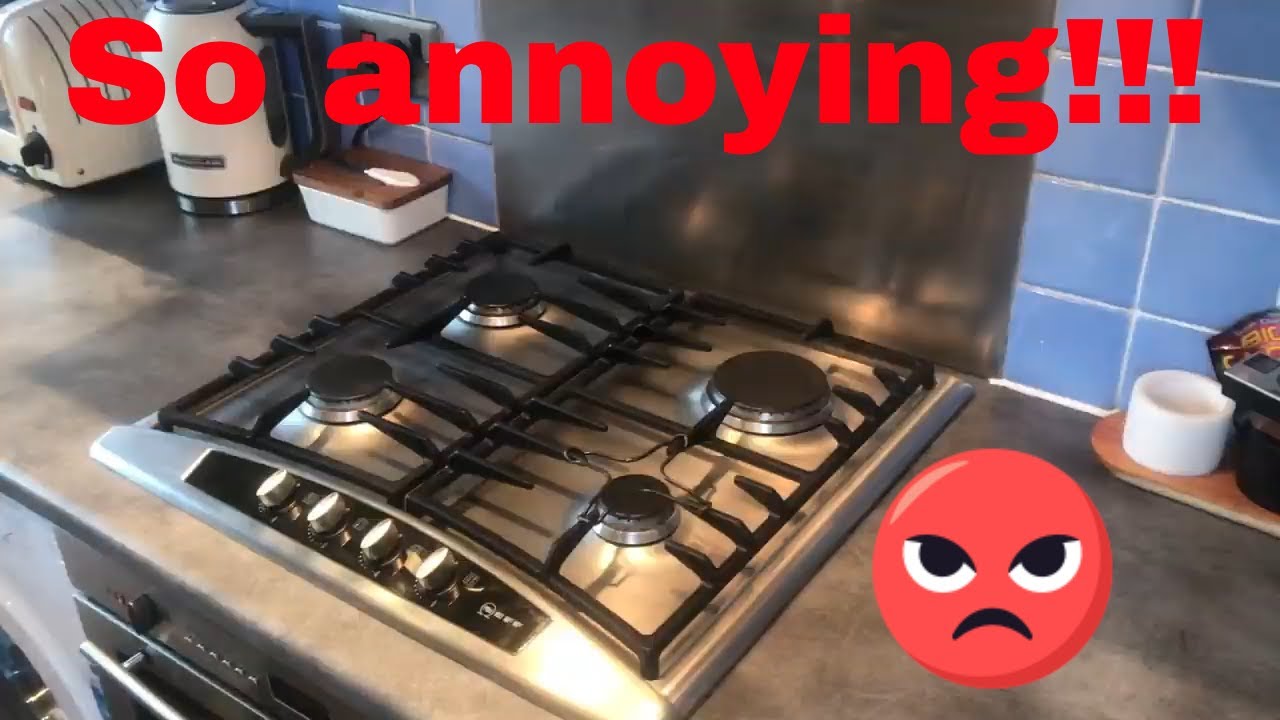
Credit: www.youtube.com
How Gas Stoves Work: Understanding The Basics
Knowing how a gas stove operates can help you understand why noises occur and what they mean.
Main Parts Of A Gas Stove
- Burner: Where the flame comes out.
- Igniter: Makes the spark to light the gas.
- Control knob: Lets you turn the flame on and off.
- Gas line: Brings gas to the stove.
- Gas valve: Opens and closes to control gas flow.
- Pressure regulator: Keeps gas pressure safe and steady.
When you turn the knob, gas flows to the burner, the igniter sparks, and the flame appears. When you turn it off, gas stops flowing and the igniter stops.
Why Noises Can Happen When Off
If a part is broken, dirty, or wet, it can keep working even after you turn off the stove. For example, a wet igniter might keep clicking, or a leaky valve might let gas hiss out.
Tip: Always clean spills quickly and keep the stove dry.
Is It Dangerous? Safety First
Some noises are harmless, but others are serious. Here’s a quick guide:
| Noise | Possible Cause | Danger Level | What to Do |
|---|---|---|---|
| Clicking | Wet or stuck igniter | Low | Dry igniter, clean area |
| Hissing | Gas leak | High | Evacuate, call for help |
| Popping | Cooling metal | Low | Wait, monitor |
| Buzzing | Loose part | Low | Tighten screws, check panels |
| Whistling | Air/gas in line | Medium | Check valves, call technician if needed |
Never ignore a gas smell or loud hissing. These are urgent.
How To Diagnose The Problem
Before you call a technician, you can do a few safe checks yourself.
- Listen carefully. Try to identify where the noise comes from—the burner, under the stove, or the wall.
- Check for smells. If you smell gas, stop and get out. Don’t turn on lights or use your phone near the stove.
- Look for moisture or spills. If you see water or food near the igniter, dry and clean it.
- Test the knobs. Make sure all knobs are fully turned off.
- Check other appliances. Sometimes the noise is from a nearby appliance.
If you can’t find the cause, or if you’re unsure, call a professional.
What Most People Miss
Two things people often overlook:
- Electrical surges: A power surge can damage the igniter, making it click even when off.
- Shifting house foundations: In older homes, shifting can stress gas lines and cause leaks.
Step-by-step: What To Do For Each Noise
Here’s what to do for each common noise:
If You Hear Clicking
- Unplug the stove if possible.
- Check for moisture—use a dry cloth to wipe the igniter and burner.
- Let the stove air out for a few hours.
- Plug it back in and test.
If the clicking continues, the switch or igniter may need replacement.
If You Hear Hissing
- Do NOT try to fix it yourself.
- Open windows and doors.
- Evacuate everyone from the house.
- Call your gas supplier or emergency services.
Never light a match or turn on electrical devices if you suspect a gas leak.
If You Hear Popping
- Wait for the stove to cool.
- If the sound stops, it’s probably just metal contracting.
- If it continues, check for trapped food or debris in the burner.
Clean the burners if needed.
If You Hear Buzzing
- Check if the stove is plugged into a grounded outlet.
- Tighten any loose screws or panels.
- If the noise is from an electric part, call a technician.
If You Hear Whistling
- Make sure all knobs are fully off.
- If the noise continues, call a professional to check for air or gas flow issues.
How To Prevent Noises When Your Gas Stove Is Off
Regular maintenance reduces the risk of strange noises and keeps your stove safe.
- Clean the stove weekly. Focus on burners and igniters.
- Check for loose parts. Tighten screws and knobs.
- Keep the area dry. Wipe up spills immediately.
- Inspect gas lines yearly. Ask a licensed technician to check connections.
- Test smoke and gas detectors. Make sure they work.
Table: Maintenance Checklist
Here’s a simple maintenance routine:
| Task | How Often | Why It’s Important |
|---|---|---|
| Clean burners and igniters | Weekly | Prevents stuck igniters and debris noises |
| Check for loose parts | Monthly | Reduces buzzing and rattling |
| Inspect gas lines | Yearly | Detects leaks early |
| Test detectors | Every 6 months | Keeps home safe from gas leaks |
When To Call A Professional
Not every problem can be solved at home. Call a licensed gas technician if:
- You hear a hissing noise with a gas smell.
- The stove continues to make noise after cleaning and drying.
- You suspect a damaged gas line or valve.
- The stove is old (over 10 years) and has new problems.
Trying to fix gas leaks or electrical issues yourself is risky. Professionals have the right tools and training.
What To Expect From A Technician
A good technician will:
- Inspect the gas lines and valves
- Test the ignition system
- Check for electrical shorts
- Replace broken parts if needed
- Ensure everything is safe before leaving
The cost depends on the problem, but safety should always come first.
Real-life Examples
Let’s look at a few real examples:
Example 1: Persistent Clicking
Maria noticed her gas stove kept clicking after she cleaned it. She found a small water puddle near the igniter. After drying it with a cloth and letting it air out overnight, the clicking stopped.
Lesson: Moisture can cause harmless, but annoying, noises.
Example 2: Hissing And Gas Smell
John heard a faint hissing sound and smelled gas in his kitchen. He immediately opened windows and called the gas company. They found a loose connection in the gas line.
Lesson: Fast action can prevent serious accidents.
Example 3: Popping After Cooking
After using her stove for baking, Priya heard popping sounds for 20 minutes as the stove cooled. The noises stopped, and there was no smell. This was just the metal contracting.
Lesson: Some noises are normal, but monitor them.
Gas Stove Myths And Mistakes
Many people have wrong ideas about gas stoves. Here are a few myths:
- Myth: “If the stove is off, no gas can leak.”
Fact: Valves and pipes can leak even when off.
2. Myth: “all Noises Mean Danger.”
Fact: Some noises are harmless, like metal cooling.
- Myth: “You can use soap and water to check for leaks.”
Fact: While this works for some, it’s not always safe—especially inside homes.
4. Myth: “any Technician Can Fix Gas Stoves.”
Fact: Only use a licensed gas technician for repairs.
5. Myth: “electric Stoves Are Always Safer.”
Fact: Both types have risks—maintenance and detectors are key.
Avoiding these mistakes keeps your home safer.
Common Causes Of Gas Stove Noises When Off
Let’s summarize the most frequent causes:
- Moisture in igniter (clicking)
- Stuck or broken ignition switch (clicking)
- Gas leak from valve or line (hissing)
- Faulty pressure regulator (hissing, whistling)
- Metal contracting (popping)
- Debris in burner (tapping, popping)
- Loose screws or panels (buzzing)
- Air in gas line (whistling)
- Electrical issues (buzzing, clicking)
Many of these can be prevented with cleaning and regular checks.
Comparing Gas Stove Noises
Here’s a quick comparison of the most common noises and how urgent they are:
| Noise | Safe to Ignore? | Needs Cleaning? | Needs Technician? |
|---|---|---|---|
| Clicking | No | Yes | If persists |
| Hissing | Never | No | Yes, urgently |
| Popping | If stops soon | Maybe | If continues |
| Buzzing | Sometimes | No | If from electric part |
| Whistling | No | No | If continues |

Credit: www.youtube.com
How To Choose A Qualified Technician
If you need a professional, make sure they are:
- Licensed and insured
- Experienced with your stove brand
- Willing to explain the problem
- Offering a clear estimate before work
You can check the technician’s license with your local authorities or online. For more about gas safety, visit the Consumer Product Safety Commission.
Extra Tips To Keep Your Kitchen Safe
- Install a carbon monoxide detector near the kitchen.
- Never block ventilation around the stove.
- Teach children not to play with stove knobs.
- Store flammable items away from the stove.
- Keep emergency numbers handy.
These simple steps can prevent bigger problems.

Credit: www.reddit.com
Frequently Asked Questions
Why Does My Gas Stove Keep Clicking Even When It’s Off?
This is usually caused by moisture or debris around the igniter. Sometimes, a stuck ignition switch or electrical problem can cause it too. Dry and clean the igniter area first. If the clicking continues, call a technician.
Is A Hissing Noise From My Stove Dangerous If I Don’t Smell Gas?
A hissing sound always deserves attention, even without a gas smell. Gas can leak without a strong odor. Turn off the gas supply, ventilate the area, and call a professional to check for leaks.
How Long Should Popping Noises Last After Using The Stove?
Popping noises from metal cooling are normal for about 10–30 minutes after cooking. If the sound continues longer or gets louder, check for debris in the burner or call a technician.
Can I Fix A Noisy Gas Stove Myself?
You can clean and dry the stove, tighten loose parts, and check for obvious issues. However, for gas leaks, electrical problems, or persistent noises, always contact a licensed professional.
What Maintenance Can Prevent Stove Noises?
Clean your stove weekly, dry spills immediately, check for loose parts, and have your gas lines and detectors inspected regularly. Good maintenance prevents most common noises and safety risks.
Feeling confident about your gas stove is important. If you hear a noise when the stove is off, don’t ignore it—use the steps above to check, clean, and call for help if needed. With the right care, your kitchen will be safer and quieter.