
Cooking without oil can feel challenging, especially when food sticks to the pan, turning a joyful meal prep into a frustrating cleaning session. Many people believe that oil is the only way to keep food from sticking, but this is not true.
There are reliable methods for cooking without oil while still enjoying delicious, perfectly cooked food—and keeping your pans easy to clean.
This guide will show you how to make food not stick to a pan without oil. Whether you are looking to reduce calories, follow a specific diet, or just want to try new cooking methods, you’ll find practical advice here. You’ll discover what causes sticking, how to prepare different pans, the best cooking techniques, and even the science behind nonstick cooking. By the end, you’ll have the confidence to cook without oil and the knowledge to avoid common mistakes. Let’s get started.
Why Food Sticks To Pans (and Why Oil Isn’t Always Needed)
Understanding why food sticks is the first step to preventing it. Food sticks to pans mainly because of two reasons: chemical reactions and surface imperfections.
When you heat a pan, the metal expands, and tiny holes or bumps appear—even in smooth-looking pans. Food can get caught in these small spaces. Proteins in food, like eggs or fish, can also react with metals, creating a bond that is hard to break.
Oil works by filling these tiny gaps and creating a barrier. But you can prevent sticking by using other methods:
- Preheating the pan correctly
- Using the right amount of moisture
- Choosing the right cookware material
- Applying smart cooking techniques
Let’s look deeper into how you can cook without oil and still keep your pans stick-free.
Types Of Cookware And Their Nonstick Potential
The type of pan you use has a huge effect on how easily food sticks. Here’s how different materials perform when used without oil:
| Cookware Material | Natural Nonstick Ability | Best For | Notes |
|---|---|---|---|
| Stainless Steel | Medium | Vegetables, Searing | Needs preheating; can stick if too hot/cold |
| Cast Iron | High (if seasoned) | Meat, Pancakes | Must be seasoned well; heavy |
| Ceramic Nonstick | Very High | Eggs, Fish | Easy to use, but coating can wear out |
| Aluminum (Uncoated) | Low | Boiling, Steaming | Prone to sticking |
| Enamel-Coated | Medium-High | Stews, Sauces | Non-reactive, but can chip |
Stainless Steel
Stainless steel pans are common in both home and professional kitchens. They are durable and great for browning food. However, they are also known for sticking if not used correctly. The trick is in preheating and moisture control.
Cast Iron
A well-seasoned cast iron pan is naturally nonstick, even without oil. Seasoning creates a thin layer of polymerized fat that bonds to the iron. This not only prevents sticking but also improves with time. However, new cast iron pans or those not seasoned properly will cause sticking.
Ceramic Nonstick
Ceramic-coated pans are designed to be nonstick even without oil. They are a great choice for eggs, pancakes, and delicate fish. The main downside is that the coating can wear out over time, especially with high heat or metal utensils.
Enamel-coated
Enamel-coated pans (such as Dutch ovens) are non-reactive and good for simmering and stews. They are less likely to stick compared to bare metal but can chip if dropped or overheated.
Aluminum
Uncoated aluminum pans are light and heat quickly, but food sticks easily unless you use oil or another barrier. They are best for boiling or steaming rather than dry cooking.
Non-obvious insight: Even with “nonstick” pans, using high heat or scratching the surface can lead to sticking. Always match your cookware to your cooking method for the best results.
Credit: www.forksoverknives.com
Preheating: The Secret To Oil-free Nonstick Cooking
The right way to preheat your pan is a game-changer. Many home cooks either skip this step or do it wrong, leading to food that sticks. Here’s how to do it properly, especially with stainless steel:
- Place the pan on medium heat for 1-2 minutes.
- Test if the pan is ready with the water droplet test:
- Flick a few drops of water onto the pan.
- If the water sizzles and forms a ball that dances around, the pan is ready.
- If the water evaporates instantly, the pan is too hot; let it cool for 30 seconds.
- If the water just sits and bubbles, the pan is not hot enough.
- Once the pan passes the test, add your food.
Why does this work? Heating the pan causes it to expand, closing small pores and creating a smoother cooking surface. This keeps food from grabbing onto the pan.
Non-obvious insight: Don’t add cold food to a hot pan—let your ingredients come to room temperature. Cold food drops the pan temperature fast, causing sticking.
Cooking With Water, Broth, Or Other Liquids
One of the best ways to prevent sticking without oil is to use a small amount of liquid. Water, broth, wine, or even juice can work depending on your recipe. This method is called steam sautéing or water sautéing.
How To Water Sauté
- Preheat the pan as described above.
- Add a small amount (about 1-3 tablespoons) of water or broth.
- Immediately add your vegetables or other ingredients.
- Stir frequently and add more liquid as needed.
- Cover the pan briefly to build steam, which helps lift food from the surface.
This technique works well for onions, mushrooms, peppers, and leafy greens. It also helps keep the food moist and cuts back on calories.
Practical tip: Don’t add too much water at once. Excess water will steam the food rather than sauté it, leading to a soggy texture.
Seasoning And Preparing Your Pan
A seasoned pan is less likely to stick, even without oil. This is especially true for cast iron, but stainless steel can also benefit from a similar process.
Seasoning A Cast Iron Pan
- Wash and dry the pan completely.
- Rub a very thin layer of oil (like flaxseed or vegetable oil) all over the pan.
- Place it upside-down in an oven at 375°F (190°C) for one hour. Place a sheet of foil underneath to catch drips.
- Let the pan cool in the oven.
This process creates a natural nonstick layer. You don’t need to repeat this every time, just as needed.
Seasoning Stainless Steel
While not as effective as with cast iron, you can give stainless steel a quick “seasoning”:
- Preheat the pan.
- Add a teaspoon of oil and swirl to coat.
- Heat until the oil shimmers, then pour it out and wipe with a paper towel.
If you want to cook without oil, do this step occasionally to build up a smoother surface.
Smart Cooking Techniques To Prevent Sticking
Beyond the pan and preheating, your cooking technique is key. Here are proven methods to keep food from sticking—without oil.
1. Don’t Move Food Too Soon
When you add food to a properly heated pan, it may stick at first. But as it cooks, it naturally releases from the pan. Give it time. For example, mushrooms and tofu will release moisture as they cook, helping them lift off the pan.
2. Cut Food Evenly
Uneven pieces cook at different rates. Small pieces may burn and stick, while larger ones undercook. Cut your vegetables or proteins to similar sizes for even cooking.
3. Use A Lid For Steam
Covering your pan for a few minutes can help build up steam, which lifts food from the surface. This is especially useful for vegetables and plant-based burgers.
4. Deglaze With Liquid
If you notice sticking, add a splash of water, broth, or wine. Use a wooden spoon to gently lift food from the pan. This also creates a tasty sauce.
5. Use Silicone Or Wooden Utensils
Metal spatulas can scratch the surface of nonstick or ceramic pans, making future sticking more likely. Use wooden or silicone tools to keep your pans smooth.
Data point: In a survey by the American Culinary Federation, 67% of professional chefs use wooden utensils to extend the life of their nonstick pans.
Credit: www.youtube.com
Cooking Different Foods Without Oil
Each type of food behaves differently in the pan. Here’s how to handle the most common categories:
Vegetables
Vegetables have a high water content, which helps prevent sticking. Always preheat your pan, then add a small amount of water or broth. Stir frequently, and cover the pan for a minute or two to build steam if needed.
Example: For onions, add them to a preheated pan with two tablespoons of water. Stir every 30 seconds. Add more water if you see sticking.
Eggs
Cooking eggs without oil is challenging but possible in good nonstick or seasoned pans. Use a ceramic or well-seasoned cast iron pan for best results.
- Preheat the pan thoroughly.
- Lower the heat before adding eggs.
- Add eggs and let them set before moving.
- Use a thin, flexible spatula to gently lift the edges.
Tip: For scrambled eggs, add a tablespoon of water or plant-based milk for a fluffier texture and less sticking.
Tofu
Press tofu to remove extra moisture. Use a nonstick or seasoned pan. Start with a hot pan, add the tofu pieces, and don’t move them for 3-4 minutes. This helps create a crust that naturally releases.
Fish
Delicate fish can fall apart without oil. Use a nonstick or ceramic pan and cook on medium heat. Pat the fish dry before adding to the pan, and use a thin spatula to flip.
Pancakes
Oil-free pancakes are easiest in a nonstick or ceramic pan. Preheat the pan, pour the batter, and wait until bubbles form before flipping. If you see sticking, use a flexible spatula and work around the edges.
How Food Preparation Affects Sticking
The way you prepare your ingredients has a big impact. Here are common mistakes and how to avoid them:
Wet Vs. Dry Ingredients
Pat dry proteins and vegetables before adding them to the pan. Excess moisture can cause steaming instead of browning and may lead to sticking.
Coatings And Breading
If you’re cooking foods with breading, use parchment paper or a silicone baking mat in the oven instead of a pan. For the stovetop, use a nonstick pan and avoid flipping too early.
Marinating
Marinated foods can be more prone to sticking because of sugars or acids. For oil-free cooking, blot off excess marinade before adding to the pan.
Alternatives To Oil For Nonstick Cooking
While oil is the most common nonstick agent, there are other creative options:
1. Parchment Paper
For oven baking, parchment paper is an excellent nonstick surface for vegetables, cookies, or breaded foods.
2. Silicone Baking Mats
Reusable and eco-friendly, silicone mats provide a nonstick surface for baking and roasting.
3. Cooking Sprays
There are oil-free cooking sprays made from water and lecithin (a plant-based emulsifier) that can be used in small amounts.
4. Vegetable Broth Or Juice
Adds flavor and moisture, especially for sautéing vegetables.
5. Nonstick Foil
Useful for grilling or oven baking when you want to avoid both oil and clean-up.
Non-obvious insight: The surface you cook on (pan or baking sheet) can be as important as the method. Experiment with different liners and surfaces for best results.
Using Nonstick Sprays And Wipes (are They Really Oil-free?)
Many “oil-free” cooking sprays or wipes contain small amounts of oil or lecithin. Read labels carefully if you are trying to avoid all fats. Water-based sprays can help, but they often require more frequent application.
If you are watching calories or fat intake, be aware that even a quick spray can add a small amount of oil. For true oil-free cooking, stick to water, broth, or silicone mats.
Common Mistakes When Cooking Without Oil
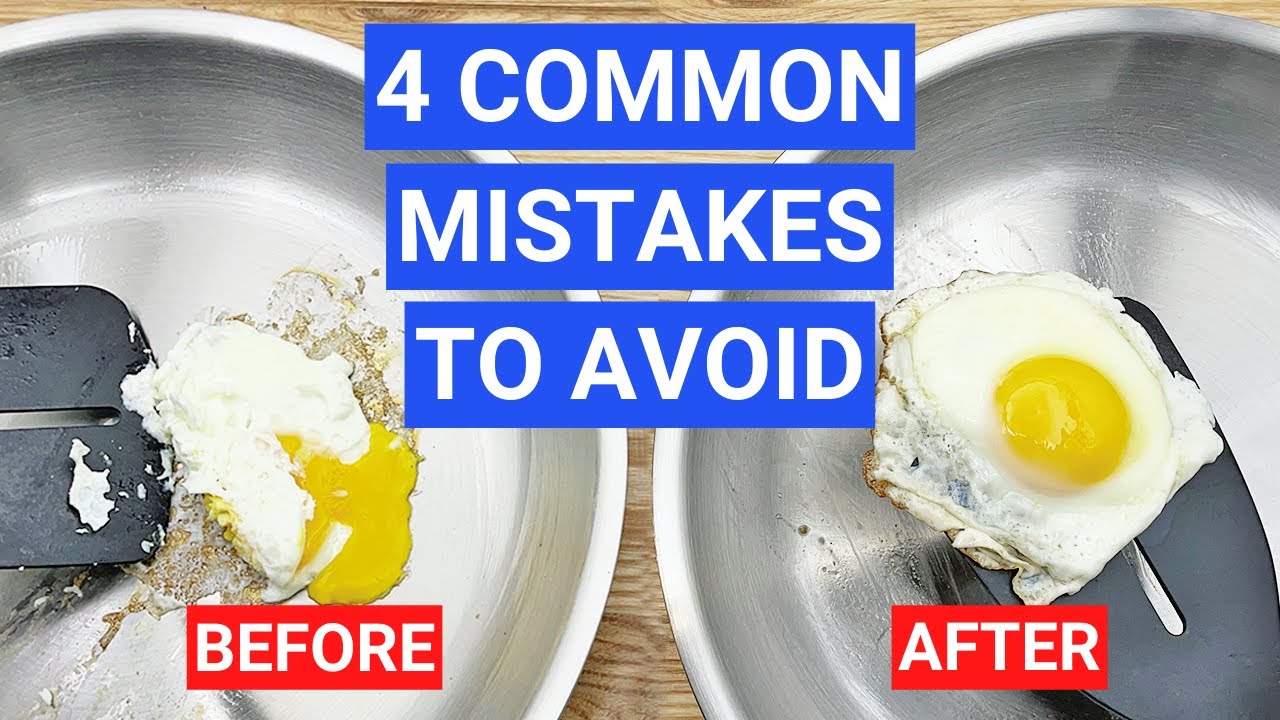
Many people get frustrated and give up after one or two tries. Here are mistakes to avoid:
- Skipping preheating. Cold pans almost always cause sticking.
- Overcrowding the pan. Too much food causes steaming and sticking.
- Using the wrong pan. Old, scratched nonstick pans or unseasoned cast iron will always stick.
- Moving food too soon. Let a crust form before flipping or stirring.
- Not adding enough moisture. Water or broth helps lift food.
- Cooking at too high heat. Medium heat is best for most oil-free cooking.
Data comparison: Let’s compare the likelihood of sticking based on pan type and method.
| Method | Stainless Steel | Cast Iron (Seasoned) | Ceramic Nonstick |
|---|---|---|---|
| No preheat, no liquid | High | Medium | Low |
| Preheat, water sauté | Low | Low | Very Low |
| Steam with lid | Very Low | Very Low | Very Low |
Cleaning Pans After Oil-free Cooking
Even the best nonstick methods can leave a bit of residue. Here’s how to clean your pans so they stay nonstick in the future:
- Soak the pan in hot water for 10-15 minutes before scrubbing.
- Use a non-abrasive sponge or brush. Avoid steel wool, which scratches surfaces.
- For tough stains, simmer water with a little baking soda for 5 minutes, then scrape gently.
- Dry pans completely before storing to prevent rust (especially for cast iron).
Tip: Never put cast iron or carbon steel pans in the dishwasher. Hand wash only.
The Science Behind Sticking (for The Curious)
If you want to know why food sticks at the molecular level, here’s a quick explanation. Proteins and sugars in food form chemical bonds with metal surfaces at high heat. When oil is present, it creates a barrier and prevents these bonds. Without oil, you rely on:
- Water vapor (from preheating and steam)
- The natural moisture in food
- Seasoned surfaces (polymerized oils, even if not added during this cook)
- Nonstick coatings (like ceramic)
Understanding this science helps you troubleshoot problems and choose the best methods for each dish.
When Should You Use Oil-free Cooking?
Oil-free cooking is popular for many reasons:
- Weight loss: Oil is calorie-dense (about 120 calories per tablespoon).
- Heart health: Some diets (like the Ornish or Esselstyn diets) recommend avoiding all added fats.
- Vegan or plant-based lifestyles: Many recipes use water or broth instead of oil.
- Food allergies: Some people are allergic to certain oils.
However, there are a few cases where a little oil may be needed for flavor or texture (such as some baked goods). For most sautéing, roasting, and pan-frying, oil-free methods work well with the right tools and technique.
How To Transition To Oil-free Cooking
If you are used to cooking with oil, switching to oil-free can take practice. Here are some tips to make the transition easier:
- Start with nonstick pans (ceramic or well-seasoned cast iron) for the first few weeks.
- Try steam sautéing your favorite vegetables—onions, peppers, mushrooms—before moving to more delicate foods like eggs or fish.
- Use parchment paper or silicone mats for baking and roasting.
- Expect some trial and error—keep notes on what works (and what doesn’t) for each recipe.
- Clean your pans well after each use to keep them in top condition.
Troubleshooting: What To Do When Food Sticks
Even with the best methods, sometimes food still sticks. Don’t panic—here’s how to recover:
- Add a splash of water or broth, then gently loosen food with a wooden spatula.
- Lower the heat and cover the pan for a minute to create steam.
- If the food is damaged, turn it into a hash, scramble, or soup—waste less, learn more.
Pro tip: For stubborn bits, simmer water with baking soda in the pan for 5-10 minutes, then scrape gently.
Oil-free Roasting And Baking
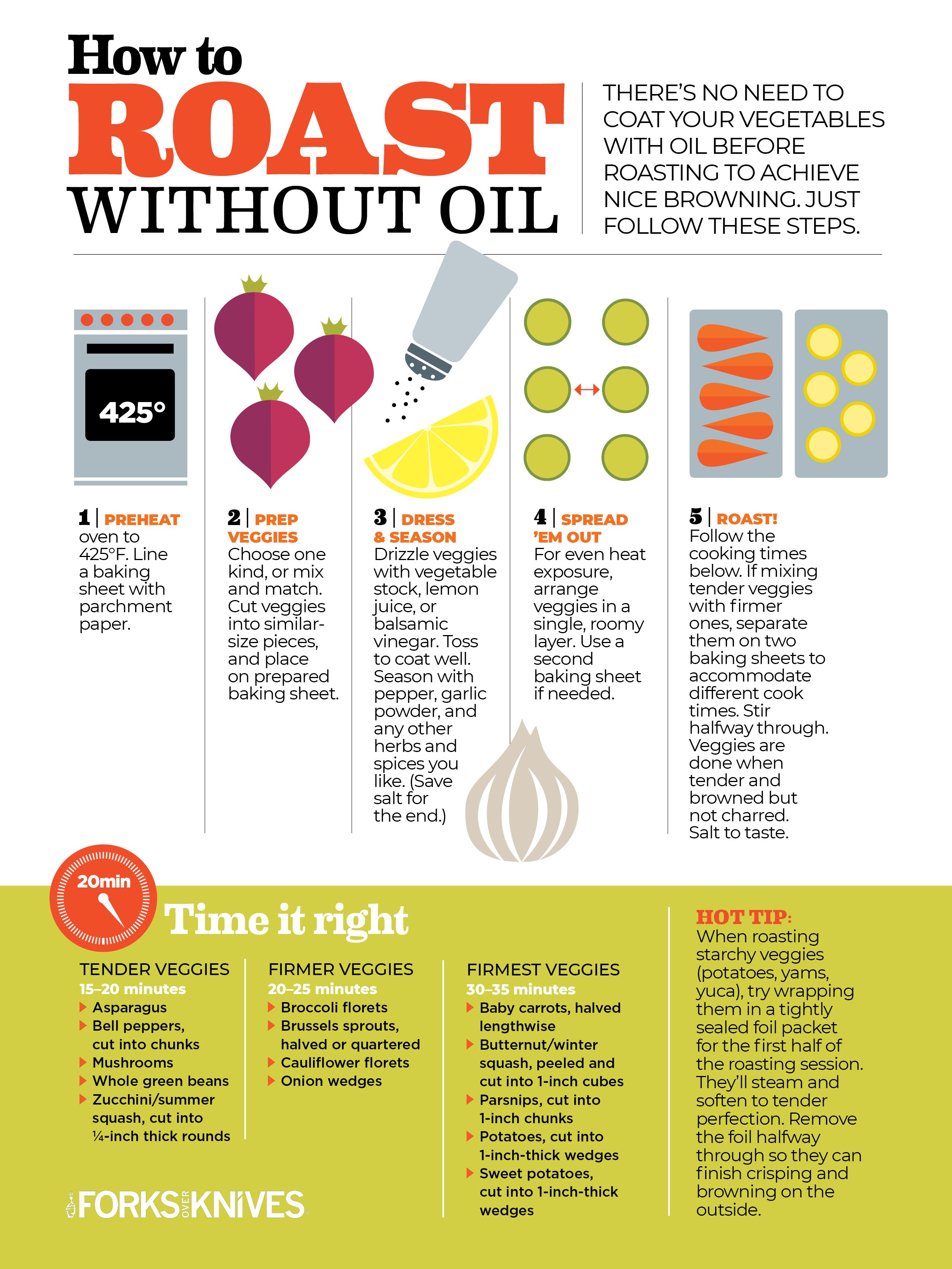
Roasting vegetables without oil is simple with parchment paper or silicone mats. Spread vegetables in a single layer and roast at 400°F (205°C) for 20-30 minutes, flipping halfway. Use spices, herbs, and a splash of citrus juice for flavor.
For baking, use silicone muffin cups or line cake pans with parchment paper.
Comparing Oil-free Cooking To Traditional Methods
Here’s a quick comparison of oil-free and traditional cooking in terms of calories, texture, and cleanup:
| Aspect | With Oil | Without Oil |
|---|---|---|
| Calories | High (120 cal/tbsp) | Very Low |
| Texture | Crisp, rich flavor | Softer, lighter flavor |
| Cleanup | Greasy, sometimes hard | Easy, less residue |
| Health | More fat | Lower fat |
| Flavor | Richer, sometimes masks food taste | Cleaner, more natural taste |

Credit: brimckoy.com
Expert Tips For Mastering Oil-free Cooking
- Invest in good pans. A high-quality nonstick or well-seasoned cast iron pan is worth every penny.
- Practice the water droplet test. This simple trick prevents most sticking.
- Use lids and steam. Traps moisture and helps lift food.
- Don’t overcrowd. Give food space to cook and release moisture.
- Clean pans thoroughly. Residue causes sticking next time.
- Experiment with flavors. Use herbs, spices, citrus, and vinegars to replace the flavor lost from oil.
Where To Find More Information
If you want to learn more about the science of nonstick surfaces or healthy cooking methods, check out the research at ScienceDirect.
Frequently Asked Questions
How Do I Cook Eggs Without Oil And Not Have Them Stick?
Use a well-seasoned cast iron or ceramic nonstick pan. Preheat the pan, lower the heat before adding eggs, and use a thin spatula to gently lift the edges. Adding a tablespoon of water or milk to eggs can help prevent sticking.
What Is The Best Pan For Oil-free Cooking?
Ceramic nonstick pans are easiest for oil-free cooking, especially for eggs and pancakes. Well-seasoned cast iron is also excellent for most foods. Stainless steel works well for vegetables if you preheat and use water.
Can I Roast Vegetables In The Oven Without Oil?
Yes! Use parchment paper or a silicone baking mat. Spread vegetables in a single layer and roast at high heat (400°F/205°C). Flip halfway through for even browning.
Why Does My Food Still Stick Even With Nonstick Pans?
Nonstick pans can lose their coating over time, especially if overheated or scratched. Always use medium heat and avoid metal utensils. Replace nonstick pans if the coating is damaged.
Are There Any Health Risks To Cooking Without Oil?
No, there are no health risks. In fact, oil-free cooking can help reduce calorie and fat intake. Just make sure to get healthy fats from other foods like nuts, seeds, and avocados.
Cooking without oil does not mean giving up great taste or texture. With the right pan, technique, and a bit of practice, you can make almost any recipe stick-free and healthier. Enjoy your cooking journey!