
Keeping your baking pans in good shape is not just about making your kitchen look tidy. It also helps your food taste better, saves you money, and makes baking more enjoyable. One of the biggest problems with baking pans, especially those made from metal like steel or cast iron, is rust. Rust can ruin your pans, make your food taste strange, and even be unhealthy. Many home bakers notice their pans rusting but are not sure what to do. If you want your pans to last for years, and you want your cakes and cookies to turn out perfect every time, you need to learn how to keep baking pans from rusting.
This guide is a complete resource for preventing rust on baking pans. You will discover why pans rust, the types of materials most at risk, and practical steps to keep your pans clean and rust-free. Whether you have one favorite pan or a whole collection, these tips and techniques will help you care for them properly.
Along the way, you’ll find real examples, expert advice, and even some mistakes to avoid. This is not just for experts—everyone can follow these steps and protect their pans.
Why Do Baking Pans Rust?
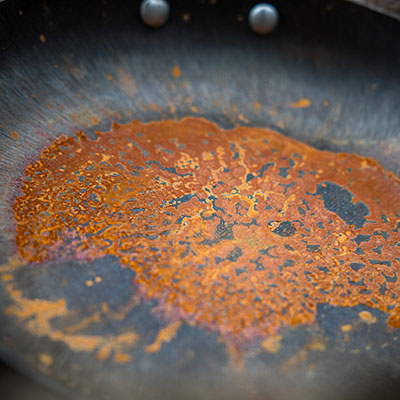
Rust is more than just an orange stain. It’s a chemical reaction called oxidation. When water meets iron in your pans, it reacts with oxygen in the air. This makes iron oxide, which we call rust. Any pan with iron or steel can rust, especially if left wet or stored in humid places.
Some pans rust faster than others. For example, carbon steel and cast iron are very strong but have a lot of iron, so they rust quickly if not cared for. Even stainless steel pans can rust if scratched or exposed to salty water for long periods. Aluminum and glass pans do not rust, but they have other issues like pitting or breaking.
What Causes Rust On Baking Pans?
- Moisture: The main cause of rust. Even a few drops of water can start the process.
- Scratches: Scratches remove protective coatings, exposing bare metal.
- Long soaking: Leaving pans in water for hours lets rust form.
- High humidity: Storing pans in damp kitchens or basements increases rust risk.
- Dishwasher use: Detergents and hot water can damage protective layers.
Understanding what causes rust is important for prevention. The steps below will help you stop rust before it starts.
Choose The Right Baking Pan Material
Some pan materials are much more resistant to rust than others. If you want to avoid rust, it’s smart to choose the best material for your needs.
| Baking Pan Material | Rust Risk | Pros | Cons |
|---|---|---|---|
| Stainless Steel | Low (unless scratched) | Durable, doesn’t react with food | Can discolor, expensive |
| Aluminum | None (does not rust) | Lightweight, heats evenly | Can warp, not for acidic foods |
| Carbon Steel | High | Great heat, very strong | Rusts easily, needs care |
| Cast Iron | High | Excellent for baking, lasts forever | Heavy, rusts without seasoning |
| Nonstick (coated) | Low (if coating intact) | Easy to clean, food doesn’t stick | Coating can chip, not for high heat |
| Glass | None | No rust, easy to clean | Breaks easily, heavy |
If you buy new pans, look for stainless steel, aluminum, or nonstick options. If you use carbon steel or cast iron, you must take extra steps to prevent rust.
Credit: www.skottsberg.com
Season Your Baking Pans
Seasoning is not only for cast iron skillets. It can also protect other types of pans, especially carbon steel and uncoated pans, from rust. Seasoning means adding a thin layer of oil and baking it onto the pan. This creates a barrier that keeps water and air away from the metal.
How To Season A Baking Pan
- Wash and dry: Clean the pan with warm water and mild soap. Dry it completely.
- Oil the surface: Use a paper towel to spread a thin layer of vegetable oil or canola oil over the whole pan, including the edges.
- Bake it: Place the pan upside down in your oven. Heat at 400°F (200°C) for 1 hour. Put a baking sheet under the pan to catch drips.
- Cool and wipe: Let the pan cool in the oven. Wipe off any extra oil.
Repeat this process 2-3 times for new pans. After that, season once or twice a year, or when the surface looks dull.
Why Seasoning Works
The heat changes the oil into a hard film. This seals the tiny holes in metal and makes the pan slick. Water cannot touch the metal, so rust cannot start. Seasoning also makes baking easier, as food will not stick.
Nonstick pans do not need seasoning. But if you have carbon steel or cast iron, regular seasoning is a must.
Clean Baking Pans The Right Way
Many people ruin their pans by cleaning them wrong. Too much water, harsh soaps, or scrubbing can damage protective layers and start rust. Clean pans gently, dry them well, and avoid common mistakes.
Steps To Clean Baking Pans
- Clean right after use: Let the pan cool, then wash it before food dries and sticks.
- Use warm, soapy water: Mild dish soap and a soft sponge work best.
- Avoid soaking: Do not leave pans in water for a long time, especially overnight.
- Skip the dishwasher: Hand wash instead. Dishwashers use harsh detergents and high heat that can damage metal and coatings.
- Use gentle tools: Avoid steel wool and metal brushes. Use plastic, wood, or soft scrubbers.
- Dry immediately: After washing, dry the pan with a towel or paper towel. Do not air dry—moisture leads to rust.
Dealing With Stuck-on Food
If something sticks, sprinkle baking soda on the pan. Add a little water and let it sit for 15 minutes. Use a plastic scraper to gently remove the food. For tough spots, boil water in the pan for a few minutes, then scrape gently.
Drying: The Most Important Step
Even a few drops of water can start rust. Drying your pans fully is the most important part of rust prevention.
How To Dry Baking Pans Completely
- Towel dry: Wipe every part of the pan, including handles and corners.
- Air dry briefly: Stand the pan upright for 10-15 minutes to let any last drops evaporate.
- Oven dry: If you want to be extra safe, put the pan in a warm oven (200°F or 95°C) for 5-10 minutes after towel drying. This removes hidden moisture.
Never stack pans until they are 100% dry. If you do, water can get trapped and cause rust.
Pro tip: Even after towel drying, run your hand over the pan. If you feel any coolness or dampness, it’s not dry enough.
Store Baking Pans Properly
Where and how you store your pans can make a big difference. Humid air, stacking, and bad storage spots all increase rust risk.
Best Storage Practices
- Store in a dry place: Avoid damp basements, garages, or near the dishwasher.
- Keep away from sinks: Water splashes can reach pans stored too close.
- Hang pans: Hanging lets air flow around each pan, helping them stay dry.
- Use paper towels: If you must stack pans, put a paper towel or baking parchment between them. This absorbs moisture and protects surfaces.
- Leave lids off: If your pans have lids, store them slightly open. This stops condensation from forming inside.
Watch Out For Trapped Moisture
Even small drops of water between pans can start rust. Check your pans every month for signs of rust, especially if your kitchen is humid.
Use The Right Cleaning Products
Not all cleaning products are safe for baking pans. Some can scratch or damage the surface, making rust more likely.
Good Choices
- Mild dish soap: Gentle and effective.
- Baking soda: Safe and good for cleaning stuck-on food.
- White vinegar: Good for removing stains and disinfecting.
- Soft sponges or cloths: Do not scratch surfaces.
Avoid These Products
- Steel wool: Scratches protective coatings.
- Abrasive powders: These can damage pans.
- Bleach: Damages metal and coatings.
- Strong oven cleaners: Too harsh for most baking pans.
If you use nonstick pans, check the label for cleaning instructions. Some coatings need special care.
Oil Your Pans After Cleaning
A light coating of oil after each wash can protect pans from rust. This is especially important for cast iron and carbon steel pans.
How To Oil Baking Pans
- Let the pan cool and dry completely.
- Pour a small amount of oil (vegetable, canola, or flaxseed) onto a paper towel.
- Rub the oil over the whole surface, inside and outside.
- Wipe off any extra oil with a clean towel.
This thin oil film keeps moisture away from the metal. It also keeps your pan ready for the next baking session.
Nonstick pans do not need oiling unless the label says so. For others, oiling is a simple, effective way to stop rust.
What To Do If Rust Appears
Even with the best care, sometimes you will find rust on your pans. Small spots are not the end of the world. You can remove rust and save the pan with a few steps.
Removing Rust From Baking Pans
- Scrub the rust: Use a paste of baking soda and water. Rub gently with a soft brush or sponge.
- Try vinegar: For tough rust, soak a cloth in white vinegar and lay it on the rust for 10-15 minutes. Then scrub and rinse.
- Rinse and dry: Wash the pan with mild soap, rinse well, and dry fully.
- Reseason if needed: If you have removed a lot of rust, reseason the pan to restore the protective layer.
When To Throw Away A Rusty Pan
If rust covers large areas or the pan is badly pitted, it may not be safe to use. Deep rust can make the metal weak and unsafe for cooking. If you are not sure, it is safer to replace the pan.
How Humidity And Airflow Affect Rust
Many people do not realize how much humidity (water in the air) affects their pans. Kitchens are often humid, especially if you cook or bake a lot. High humidity means more moisture on surfaces, which leads to rust.
Controlling Humidity In Your Kitchen
- Use a dehumidifier: This pulls water out of the air.
- Open windows: Let air flow in and out to dry the room.
- Use exhaust fans: These remove steam and lower humidity.
- Keep pans in a dry cupboard: Some people add a small bag of rice or silica gel to absorb moisture.
Even changing where you store your pans can help. A cupboard near the oven is usually drier than one next to the sink.
Should You Use Baking Pan Liners?
Pan liners are sheets of parchment paper, silicone, or foil placed between food and the pan. They can protect pans from sticky foods and make cleaning easier.
Advantages Of Pan Liners
- Protect metal: Food and water never touch the pan, so rust cannot start.
- Easier cleaning: Less scrubbing means less damage to the pan’s surface.
- Better for sweet, sticky, or acidic recipes: These foods can damage unprotected pans.
Disadvantages
- Extra cost: Liners are single-use or need washing (if silicone).
- Not always eco-friendly: Some liners are not recyclable.
If you bake often, using liners is a smart way to protect your pans and reduce rust risk.
How Nonstick Coatings Affect Rust
Nonstick pans are popular because they are easy to clean and food does not stick. Most nonstick coatings protect the metal from moisture, so these pans rarely rust. However, if the coating chips or scratches, the metal underneath can rust quickly.
Tips For Nonstick Pans
- Never use metal utensils: These can scratch the coating.
- Wash gently: Use only soft sponges and mild soap.
- Check for damage: If the coating is peeling or damaged, replace the pan.
- Do not overheat: High heat can ruin the nonstick surface.
Nonstick pans are a good choice for many bakers, but take care not to damage the protective layer.
How To Travel Or Move With Baking Pans
Moving or traveling with your baking pans can be risky. Bumps, scratches, and packing mistakes can lead to rust, especially if you are moving to a humid place.
Protecting Pans During Moves
- Wash and dry before packing: Make sure there is no moisture at all.
- Wrap in towels: Use kitchen towels or parchment paper between pans.
- Use silica gel packs: Put a small bag in the box to absorb moisture.
- Seal boxes tightly: Keep air (and moisture) out as much as possible.
- Unpack quickly: Do not leave pans in boxes for weeks.
These steps help prevent accidental rust during storage or transport.
Common Mistakes That Lead To Rust
Even careful bakers make mistakes that cause rust. Knowing what to avoid can save your pans.
- Leaving pans wet: Air drying is not enough in humid climates.
- Stacking wet pans: Water gets trapped between pans.
- Soaking pans overnight: Extended contact with water is a top cause.
- Using harsh cleaners: These remove protective layers.
- Ignoring small rust spots: Rust spreads if not removed quickly.
- Using the dishwasher: Detergents and high heat can cause damage.
- Not seasoning regularly: Especially for cast iron and carbon steel.
Avoid these mistakes and your pans will last much longer.

Credit: www.reddit.com
Special Care For Vintage Or Specialty Pans
Many people have old pans from family or collect special baking pans. These need extra care because older pans may lack modern coatings and are often more delicate.
Tips For Vintage Pans
- Hand wash only: Never use a dishwasher.
- Dry immediately: Use a towel and a warm oven to finish drying.
- Season often: Old pans benefit from more frequent oiling and seasoning.
- Repair gently: If you see rust, clean and reseason right away.
If you take care of vintage pans, they can last for generations and improve with age.
Real-life Examples: What Works And What Doesn’t
Let’s look at some real experiences to see what methods work best.
Example 1: The Busy Parent
A parent bakes cookies weekly and uses nonstick pans. They put pans in the dishwasher to save time. After a few months, they notice rust on the edges. The cause: dishwasher damage and not drying the pans by hand. Solution: switch to hand washing and towel drying. Result: no new rust.
Example 2: The Serious Home Baker
A home baker uses cast iron pans for bread. They season pans every three months and dry them in the oven after washing. They never see rust, even after years of use. The key: regular seasoning, full drying, and avoiding soaking.
Example 3: The College Student
The student stacks wet pans in a dorm kitchen, not knowing the risk. After a month, the pans are covered in rust. The lesson: always dry and store pans separately, even in small kitchens.
These examples show that small changes—like hand washing or seasoning—have a big effect on rust.
How Often Should You Check For Rust?
Even with great care, check your pans every few weeks. Look for orange spots, rough patches, or changes in color. Early action prevents bigger problems.
- Weekly: Quick check after washing.
- Monthly: Deeper check, especially in humid seasons.
- After big events: If you bake a lot for holidays, check for extra wear.
Catching rust early makes it much easier to fix.
Comparing Rust Prevention Methods
Which method works best? Here’s a quick comparison:
| Method | Rust Protection | Effort Needed | Cost |
|---|---|---|---|
| Seasoning | Excellent | Medium | Low (oil only) |
| Oiling after washing | Good | Low | Low |
| Using liners | Good | Low | Medium (liner cost) |
| Hand washing & drying | Excellent | Medium | None |
| Dishwasher use | Poor | Low | None |
| Humidity control | Excellent | Medium | Medium (dehumidifier cost) |
Combining two or three methods (like seasoning, careful drying, and using liners) gives the best results.
Two Insights Most People Miss
- Rust can form in hidden places: Handles, corners, and under rolled edges often hide moisture. Always check and dry these spots.
- Kitchen humidity changes with the season: In summer or rainy weather, kitchens get more humid. You may need to dry pans extra carefully or store them in a different place during these times.
Expert Guidance For Busy Bakers
If you bake often but have little time, focus on three things:
- Always dry pans right after washing.
- Season pans every few months.
- Store in a dry place, using paper towels between stacked pans.
These habits stop most rust, even if you are busy.
For those who want more details, the Wikipedia article on rust has deeper science and information.

Credit: www.delish.com
Frequently Asked Questions
How Do I Keep My Baking Pans From Rusting If I Live Near The Ocean?
Salt in the air makes rust form faster. Dry pans fully and store them in airtight containers or cupboards with silica gel packs. Season pans more often, and check for rust every week.
Can I Use Baking Pans With Small Rust Spots?
You can use pans with small surface rust if you scrub the rust off completely and reseason the pan. Do not use pans with deep pits or flaking rust, as they can be unsafe.
Is It Safe To Use Aluminum Foil To Line Baking Pans?
Yes, aluminum foil can protect pans from sticky foods and moisture. Do not use foil with acidic foods (like tomatoes or lemon desserts), as it can react and cause pitting in aluminum pans.
Why Do Nonstick Pans Sometimes Rust?
If the nonstick coating is scratched or chipped, the metal below can rust. Always use soft utensils and do not overheat the pan. Replace pans if the coating is damaged.
What’s The Best Way To Store Baking Pans Long-term?
Clean and dry pans fully, oil or season them if they are iron or steel, and wrap each pan in paper or plastic. Store in a dry, cool place with silica gel or rice to absorb moisture. Check pans every few months.
Taking care of your baking pans does not have to be hard. With these steps, your pans will stay in great shape for years, your food will taste better, and you will avoid the frustration of rusty, ruined bakeware. Happy baking!