
Is Chalk Paint Durable For Kitchen?
Chalk paint has taken the DIY world by storm. Many homeowners love it for its soft, matte finish and easy application. It’s especially popular for furniture makeovers and creative projects. But what about the kitchen? That’s a space where life never stops. Spills, heat, moisture, and constant cleaning are part of the daily routine. So, is chalk paint really durable enough for kitchens, or will it let you down?
If you’re thinking about painting your cabinets, walls, or even your kitchen table, you need more than just pretty color—you need toughness. This article takes you deep into the strengths and weaknesses of chalk paint in the kitchen. We’ll cover real-life tests, expert advice, and the steps you can take to make chalk paint last.
By the end, you’ll know if chalk paint is the right choice for your busy kitchen, or if you should look for other options.
What Is Chalk Paint?
Chalk paint isn’t just paint with chalk in it. It’s a special type of decorative paint with a soft, powdery finish. Annie Sloan created the original formula in 1990, and now many brands offer their own versions.
The key features of chalk paint include:
- Matte finish: No shine or gloss, just a smooth, velvety look.
- Thick consistency: Covers most surfaces with little preparation.
- Adhesion: Sticks to wood, metal, laminate, and even fabric with minimal sanding.
- Distress-friendly: Easy to sand or scuff for an aged, vintage effect.
People love chalk paint because you can skip most prep work. No need for heavy sanding or priming in many cases. You can also layer colors, create patterns, and finish with wax or sealer for different looks.
But the big question for kitchens is: does chalk paint’s beauty survive daily wear and tear?
How Durable Is Chalk Paint By Itself?
Chalk paint is not magic. On its own, it is not as tough as traditional enamel or acrylic paint. Here’s why:
- Soft surface: The powdery finish can absorb moisture, grease, and stains.
- Easily scratched: Without a topcoat, even fingernails or a ring can leave marks.
- Not waterproof: Water beads up on gloss paint, but chalk paint can soak it in.
If you paint kitchen cabinets, a table, or chairs with just chalk paint (no topcoat), you’ll see wear quickly. Within weeks, spots may appear where grease or water touched the surface. Drawers and doors may show scratches, especially near handles.
Real-life Example
Many DIY bloggers have tested chalk paint in kitchens. One common story: cabinets painted with chalk paint alone looked great for a few days. After a month, fingerprints, food stains, and chipped edges appeared. Cleaning with a damp cloth sometimes made it worse.
Key Insight: Chalk paint alone is not durable enough for kitchen use. It needs protection.

Credit: www.youtube.com
What Makes Kitchens So Tough On Paint?
Kitchens are high-traffic areas. Here’s what makes them hard on any paint:
- Moisture: Steam from cooking and boiling water adds humidity.
- Grease: Frying and baking send tiny oil droplets onto surfaces.
- Scrubbing: Spills and splashes mean lots of cleaning.
- Heat: Ovens and stoves create temperature swings.
- Constant use: Drawers, cabinets, and tables are used all day.
Most paints are tested for color and coverage, not for these daily attacks. That’s why kitchen paint must be especially durable.
How Chalk Paint Performs On Kitchen Surfaces
Let’s look at the main kitchen surfaces people want to paint, and see how chalk paint holds up on each.
Cabinets
Cabinets are touched more than almost any other surface. Chalk paint is often used to update old cabinet doors. It covers well, even over dark stains or laminate. But:
- Without sealing: The paint scratches and chips easily, especially around handles and corners.
- With sealing: The right topcoat makes a big difference (more on this below).
Kitchen Table And Chairs
A kitchen table sees everything—hot plates, water rings, knife scratches, and sticky hands. Chalk paint gives a beautiful finish, but the surface is soft. Without protection, it will show marks quickly.
Backsplash
Some people want to paint a tile or wood backsplash with chalk paint. This area faces splashes and steam. Chalk paint can look great, but it needs a tough sealer to prevent stains and water damage.
Walls
Chalk paint on kitchen walls creates a cozy, farmhouse look. However, kitchen walls often need cleaning. Chalk paint can mark easily and may not resist stains as well as kitchen-grade latex paint.
Kitchen Island
The kitchen island is a centerpiece and a workhorse. People lean, chop, and spill on it. Chalk paint gives character, but durability depends on sealing.
Non-Obvious Insight: Areas that are touched, wiped, or exposed to water need extra protection—not just one thin coat of sealer.
Chalk Paint Vs. Other Paints For Kitchens
How does chalk paint compare to common alternatives? The table below shows key differences.
| Paint Type | Durability | Finish | Prep Needed | Best For |
|---|---|---|---|---|
| Chalk Paint | Low (unsealed), High (sealed) | Matte | Minimal | Decorative, Vintage look |
| Acrylic Latex | High | Satin/Semi-gloss | Priming/Sanding | Walls, Cabinets |
| Oil-Based Enamel | Very High | Glossy/Satin | Intensive prep, Longer drying | Cabinets, Trim |
| Milk Paint | Medium (sealed) | Matte/Chalky | Some prep | Furniture, Cabinets |
Key Takeaway: Chalk paint can be as durable as other paints, but only with the right sealer. If you want the toughest finish for cabinets, oil-based enamel is still the gold standard.
Sealing Chalk Paint For Kitchen Use
Sealing is not optional for kitchen surfaces painted with chalk paint. The sealer creates a protective barrier against water, grease, and scratches.
Types Of Sealers
There are several ways to seal chalk paint. Each has pros and cons.
- Wax
- Gives a soft, natural feel and a subtle sheen.
- Needs to be reapplied every 6-12 months in high-use areas.
- Not waterproof—only water-resistant.
- Polycrylic
- Water-based, dries clear.
- Available in matte, satin, or gloss finishes.
- Durable and easy to clean.
- Can sometimes cause white spots if not applied correctly.
- Polyurethane
- Very tough, especially the oil-based kind.
- Best for kitchen tables and cabinets.
- Oil-based versions can yellow over time; water-based stays clear.
- Specialty Topcoats
- Some brands offer topcoats made for chalk paint.
- Designed to keep the matte look but add toughness.
How To Apply Sealer
For best results:
- Wait until chalk paint is fully dry (usually 24 hours).
- Apply thin, even coats of sealer.
- Let each coat dry fully before adding the next.
- Use at least two coats on kitchen surfaces; three is better for high-wear areas.
Practical Tip: For cabinets and tables, use a brush or roller for the sealer, not a cloth. This gives a smoother, more even finish and better protection.
Common Problems And How To Avoid Them
Many beginners make mistakes that lead to poor results. Here are the most common issues:
1. Skipping Prep Work
Even though chalk paint says “no prep,” it’s best to clean surfaces well. Grease or dirt will stop both paint and sealer from sticking.
Solution: Wash cabinets or tables with a degreaser or soap and water. Let dry fully.
2. Using Only Wax As A Sealer
Wax looks nice but is not enough for kitchens. It wears away with cleaning, heat, and water.
Solution: Use polycrylic or polyurethane for real durability. Save wax for furniture that doesn’t see heavy use.
3. Not Enough Sealer
One thin coat is not enough. Scrubbing will wear through quickly.
Solution: Apply at least two coats, letting each dry fully. Edges and handles need extra attention.
4. Applying Sealer Too Soon
If the paint is not fully dry, the sealer can trap moisture or cause smudges.
Solution: Be patient. Wait 24-48 hours before sealing, especially in humid climates.
5. Not Testing Products Together
Some sealers can react with certain chalk paints, causing cloudiness or peeling.
Solution: Test your chalk paint and sealer on a small, hidden area before doing the whole kitchen.
Non-Obvious Insight: The type of cleaning products you use later matters. Harsh chemicals can break down even the best sealer. Use mild soap and water when cleaning sealed chalk paint surfaces.
Real-life Durability: User Experiences And Case Studies
What do real people say about chalk paint in kitchens? Let’s look at some case studies.
Case Study 1: Painted Cabinets
A homeowner painted her oak cabinets with two coats of Annie Sloan chalk paint, then sealed with three coats of water-based polycrylic. After two years:
- No chipping or flaking, even around handles.
- Some small scratches, but only where pots and pans bumped cabinets.
- Easy to wipe clean with mild soap.
Case Study 2: Kitchen Table
A kitchen table was painted with chalk paint and finished with wax. After six months:
- Water rings appeared quickly.
- Sticky spots were hard to clean.
- Wax wore off in the most-used spots.
- The owner had to strip and repaint, this time using polyurethane.
Case Study 3: Backsplash
A DIYer painted a wood backsplash with chalk paint and sealed it with three coats of specialty matte topcoat. After one year:
- No stains or water damage.
- Color stayed rich and matte.
- Cleaning with a damp cloth was easy.
Conclusion from Cases: With the right sealer, chalk paint can last well in kitchens. Skip or skimp on sealer, and you’ll have problems.
Pros And Cons Of Chalk Paint For Kitchens
Every paint has ups and downs. Here’s a quick look at the positives and negatives of chalk paint in kitchens.
Pros
- Easy application: Little prep work needed.
- Unique look: Soft, matte, vintage style.
- Versatile: Works on wood, laminate, metal, and more.
- Quick drying: Saves time compared to oil-based paints.
- Easy to fix: Touch-ups blend well.
Cons
- Needs sealing: Not durable by itself.
- Sensitive to chemicals: Strong cleaners can damage the finish.
- Some sealers yellow over time: Especially oil-based polyurethane.
- Not ideal for high-gloss lovers: Chalk paint is matte, even after sealing.
- Wax is not enough: For kitchens, wax alone does not protect well.
Best Practices: Making Chalk Paint Last In The Kitchen
If you love the look of chalk paint, you can make it work in the kitchen. Here’s how to get the best results:
1. Choose Quality Products
Not all chalk paints are the same. Some have poor coverage or weak adhesion. Brands like Annie Sloan, Rust-Oleum, and Dixie Belle are trusted.
2. Clean And Prep
Even though chalk paint needs little prep, clean surfaces well. Remove grease and dirt. Lightly sand shiny surfaces for better adhesion.
3. Apply Even Coats
Two thin coats of paint are better than one thick coat. Let each coat dry fully.
4. Seal, Seal, Seal
Use a high-quality polycrylic or water-based polyurethane. Apply at least two coats, three for tables or cabinets.
5. Maintain Carefully
Use soft cloths and mild cleaners. Avoid harsh chemicals or rough scrubbing pads.
6. Touch Up As Needed
Chalk paint is easy to touch up. Keep extra paint and sealer for quick fixes.
Pro Tip: If you want a truly bulletproof finish, consider a final coat of tough, clear epoxy on high-use areas like a kitchen table. This is not traditional but gives maximum protection.
When Not To Use Chalk Paint In The Kitchen
Chalk paint is not the best choice for every kitchen project. Here are situations where you might want to use a different product:
- Countertops: Chalk paint, even with sealer, won’t stand up to knives, heat, and constant cleaning.
- Inside sinks: Water and chalk paint do not mix.
- High-gloss look: If you want shiny, modern cabinets, chalk paint is not the answer.
- Commercial kitchens: The demands are too great for chalk paint’s durability.
In these cases, stick with oil-based enamel or specialty kitchen paints.
Cost Comparison: Chalk Paint Vs. Other Kitchen Paints
Is chalk paint more expensive than other options? Here’s a simple cost comparison for a medium-sized kitchen project (painting cabinets).
| Paint Type | Paint Cost (1 gal.) | Sealer Cost | Total Est. Cost |
|---|---|---|---|
| Chalk Paint + Polycrylic | $40–$50 | $20–$30 | $60–$80 |
| Acrylic Latex (Kitchen Grade) | $35–$45 | Often not needed | $35–$45 |
| Oil-Based Enamel | $45–$60 | Optional: $20–$30 | $65–$90 |
Note: Prices vary by brand and location. Chalk paint is often more expensive per quart, but it goes far and covers well.
Hidden Cost: Time. Chalk paint is faster to apply but needs extra time for sealing and curing.

Credit: ourstoriedhome.com
Environmental And Health Factors
Modern chalk paints are low in volatile organic compounds (VOCs), making them safer for indoor use. Most water-based sealers are also low in VOCs. However:
- Oil-based polyurethanes have strong odors and take longer to cure.
- Always ventilate well and wear a mask if sanding or spraying.
If you want a green, eco-friendly kitchen, look for chalk paints and sealers labeled low-VOC or non-toxic.
Is Chalk Paint Really The Right Choice For Your Kitchen?
So, is chalk paint durable for kitchen use? The answer depends on what you value most.
- If you want a matte, vintage look and are willing to seal and maintain the finish, chalk paint can last for years.
- If you need maximum toughness and don’t want to worry about scratches, chips, or cleaning products, traditional kitchen paints may be better.
Chalk paint is not a miracle product, but it is not weak either. With the right prep, sealer, and care, it can handle most kitchen challenges. But cutting corners—by skipping sealer or using only wax—will lead to disappointment.
If you’re ready to try chalk paint, start with a small project. Paint a kitchen stool or a pantry door. Test different sealers. See how it stands up to your daily routine before tackling the whole kitchen.
For more on chalk paint science and history, see the Wikipedia page on Chalk Paint.
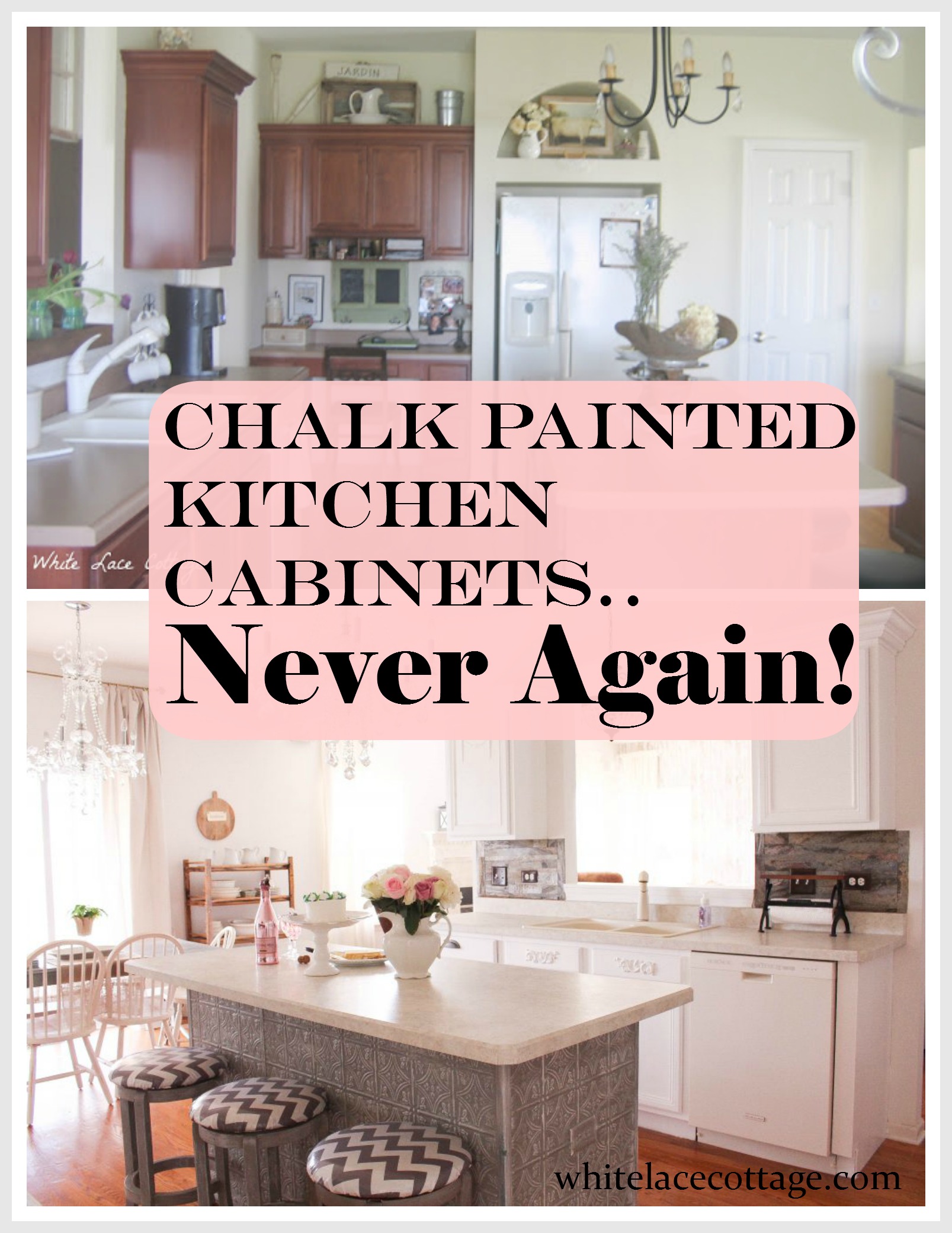
Credit: www.whitelacecottage.com
Frequently Asked Questions
How Long Does Chalk Paint Last On Kitchen Cabinets?
With proper sealing, chalk paint can last 3–5 years or more on kitchen cabinets. High-use areas may need touch-ups sooner. The key is using two or more coats of a tough sealer and cleaning gently.
Can I Use Chalk Paint Without A Topcoat In The Kitchen?
It’s not recommended. Chalk paint is not water- or stain-resistant by itself. Without a topcoat, it will absorb spills and show wear quickly. Always seal chalk paint in the kitchen for best durability.
What’s The Best Sealer For Chalk-painted Kitchen Cabinets?
Water-based polycrylic is often the best choice. It dries clear, protects well, and keeps the matte look. Oil-based polyurethane is tougher but can yellow over time. Avoid using just wax for kitchens.
Can I Paint Over Old Kitchen Cabinets With Chalk Paint?
Yes. Chalk paint sticks to most surfaces, including wood, laminate, and even metal. Clean the surface well and lightly sand glossy areas for better adhesion. Then paint and seal as usual.
Is Chalk Paint Food Safe For Kitchen Tables?
Chalk paint itself is non-toxic once cured, but sealers are not always food safe. For kitchen tables, use a food-safe sealer or keep a tablecloth in eating areas. Do not use chalk paint or sealer directly on cutting boards or inside drawers where food is stored.
The world of kitchen painting is full of choices. Chalk paint offers a unique look and feel, but it needs the right care to last. For creative, stylish kitchens, it’s a solid option—if you’re prepared to seal and maintain your painted surfaces.
Make your decision based on your kitchen’s needs, your style, and how much upkeep you’re ready to handle.