
Washing silicone molds might seem simple, but doing it right makes a big difference. If you love baking, making soap, or crafting, you know how useful silicone molds are. They are flexible, non-stick, and can last for years. But if you don’t clean them well, they can hold onto oils, odors, and even germs. Many people make mistakes without realizing: using the wrong soaps, scrubbing too hard, or skipping important steps. This can shorten the life of your molds or even affect your food’s taste.
In this guide, you’ll learn the best ways to wash silicone molds, from quick daily cleaning to deep washing for stubborn stains. You’ll find out which cleaning tools are safe, which products to avoid, and how to keep your molds looking and working like new.
Whether you’re a beginner or have been using silicone molds for years, there are tips and tricks here that will help you get better results and save time. Let’s get started on keeping your molds spotless and safe for every use.
Why Proper Cleaning Matters
Silicone molds are used in many areas: baking cupcakes, making chocolate, creating soaps, and crafting candles. Their non-stick surface is a big advantage, but it also means that oils and residues can build up over time. If these are not cleaned off, they can:
- Affect the taste of food or the scent of soap and candles
- Cause molds to lose their non-stick power
- Lead to stains and discoloration
- Harbor bacteria or mold, which is unsafe for food use
Keeping your molds clean not only protects your health but also ensures your creations look and taste their best. Many beginners don’t realize that even invisible residue can cause problems. Over time, this residue forms a layer that is hard to remove.
That’s why a good cleaning routine is important.
Understanding Silicone Molds
Before you start washing, it helps to know what silicone molds are made of and why they need special care. Silicone is a man-made material made from silica (a component of sand) and oxygen. It is flexible, heat-resistant, and doesn’t react with food or chemicals easily. However, it is a little porous, which means it can absorb oils and odors if not cleaned well.
There are different types of silicone molds:
- Food-grade silicone molds: Safe for baking, chocolate, or ice.
- Craft silicone molds: Used for resin, soap, or candles.
Both types can be cleaned in similar ways, but food-grade molds need extra attention because they touch food.
Supplies You Need For Washing Silicone Molds
To clean silicone molds properly, you need the right tools. Here’s what works best:
- Mild dish soap: Removes oils and food residue without damaging silicone.
- Soft sponge or cloth: Scrubs without scratching.
- Baking soda: Helps remove stubborn stains and odors.
- White vinegar: Useful for deep cleaning and removing smells.
- Soft brush: For getting into small corners or details in the mold.
- Hot water: Helps loosen stuck-on residue.
- Drying rack or towel: For air-drying after washing.
Avoid using steel wool, harsh chemicals (like bleach), or rough brushes, as these can damage the silicone’s surface.
Basic Steps To Wash Silicone Molds
Washing silicone molds is simple if you follow these steps:
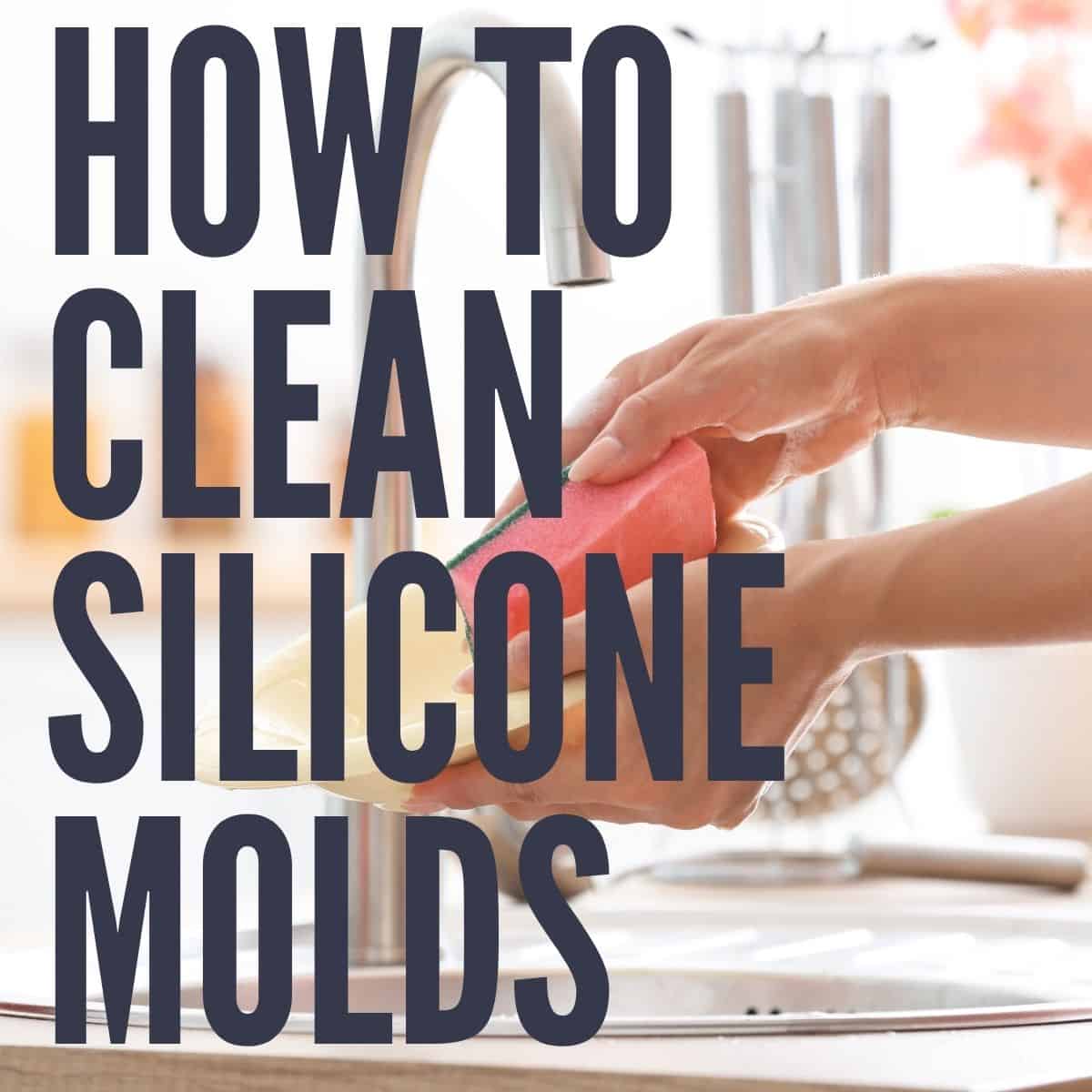
- Rinse Immediately After Use: As soon as you finish using the mold, rinse it with warm water. This prevents residue from drying and sticking.
- Apply Mild Dish Soap: Put a few drops of mild dish soap onto a soft sponge or cloth.
- Gently Scrub: Clean all surfaces of the mold, paying extra attention to corners and crevices where residue may hide.
- Rinse with Warm Water: Make sure to rinse away all the soap. Soap left behind can affect the taste of your next batch of food or soap.
- Dry Thoroughly: Place the molds on a drying rack or towel and let them air dry. Avoid stacking wet molds, as this can trap moisture and cause odors.
If you’re washing several molds, wash them one at a time to make sure each gets proper attention.
Deep Cleaning For Stubborn Residue
Sometimes, regular washing isn’t enough. If you notice greasy residue, stains, or lingering odors, it’s time for a deep clean.
Using Baking Soda
Baking soda is great for removing stubborn oils and odors. Here’s how to use it:
- Sprinkle baking soda over the dry mold, especially on stained or greasy areas.
- Add a small amount of water to make a paste.
- Scrub gently with a soft brush or sponge.
- Let it sit for 15-20 minutes.
- Rinse thoroughly with hot water.
- Dry completely before storing.
Using White Vinegar
Vinegar helps get rid of strong smells and kills bacteria.
- Mix equal parts white vinegar and hot water.
- Soak the mold in this solution for 30 minutes.
- Wash with mild soap and rinse well.
- Air dry to finish.
Dishwasher Cleaning
Most silicone molds are dishwasher safe, but always check the label or manufacturer’s instructions. Place the mold on the top rack. Use a normal cycle with regular dishwasher detergent. Avoid washing with greasy pans, as the oils can stick to the silicone even after washing.
Quick Cleaning Vs. Deep Cleaning: When To Use Each
Not every wash needs to be a deep clean. Here’s when each method is best:
| Situation | Quick Cleaning | Deep Cleaning |
|---|---|---|
| After making cupcakes or muffins | Yes | Only if there is residue |
| After making oily foods or chocolate | Maybe | Recommended |
| After crafting with resin or wax | No | Always |
| Stubborn stains or smells | No | Always |
If you’re unsure, start with a quick wash. If the mold still feels greasy or smells strange, do a deep clean.
Tips For Removing Sticky Or Burnt-on Residue
Sticky or burnt residue can be tough to remove. Here’s how to tackle it:
- Soak in Hot Soapy Water: Fill your sink with hot water and dish soap. Let the mold soak for at least 30 minutes.
- Use a Soft Brush: After soaking, use a brush to scrub the sticky parts.
- Try the Baking Soda Paste: If soaking doesn’t work, make a paste with baking soda and water. Scrub with a brush, then rinse.
- Repeat if Needed: Sometimes, you need to repeat the process. Avoid using sharp tools, as they can tear the silicone.
An extra tip: If you have burnt-on sugar or chocolate, put the mold in the freezer for 1-2 hours. The residue will harden and may pop off more easily.
How To Remove Odors From Silicone Molds
Silicone can absorb strong smells, especially from foods like garlic, onions, or spices. Here’s how to deodorize them:
- Soak in Vinegar Solution: Mix one part white vinegar with one part hot water. Soak for 30 minutes, then wash as usual.
- Baking Soda Scrub: Sprinkle baking soda inside the mold and let it sit overnight. In the morning, wash and rinse well.
- Lemon Juice: Rub fresh lemon juice over the mold and let it sit for 10 minutes before washing. Lemon is a natural deodorizer.
If odors persist, repeat these steps. Never use strong-smelling cleaners, as they can leave their own scent in the silicone.

Credit: www.pjbold.com
Drying And Storing Silicone Molds
Drying your molds well is as important as washing them. Trapped moisture can cause odors or even mold growth. Here’s how to dry and store your molds:
- Air Dry Completely: Place molds upside down on a drying rack or clean towel. Make sure all water drains out of crevices.
- Check for Moisture: Before storing, touch all parts to make sure they’re dry.
- Store in a Cool, Dry Place: Avoid humid areas like under the sink. If stacking molds, put a paper towel between each to prevent sticking.
- Keep Away from Strong Odors: Silicone can absorb smells from nearby foods or chemicals.
A non-obvious insight: If you store your molds in a closed container, add a small packet of silica gel (the kind that comes with new shoes) to help keep them dry.
What To Avoid When Washing Silicone Molds
Many people accidentally damage their silicone molds by using the wrong cleaning methods. Here are things you should never do:
- Don’t use harsh cleaners: Bleach, ammonia, and abrasive cleaners can break down silicone.
- Don’t use sharp or metal tools: These can cut or tear the mold.
- Don’t use very hot or boiling water for long periods: While silicone is heat-resistant, repeated exposure to boiling water can weaken it.
- Don’t skip drying: Storing wet molds can lead to odor and bacteria.
Avoiding these mistakes will help your silicone molds last longer and perform better.
Credit: www.bakinglikeachef.com
How Often Should You Clean Silicone Molds?
How often you clean depends on how you use them:
- After every use: Always wash molds used for food or soap right away.
- Deep clean once a month: If you use molds often, do a deep clean every 3-4 weeks.
- Right after using for oily or sticky foods: These require extra attention.
For craft molds (like resin or wax), clean them as soon as possible to prevent residue from hardening.
Safe Cleaning Products For Silicone
Not all soaps and cleaners are the same. Here are safe choices:
- Mild dishwashing liquid: Brands like Dawn or Seventh Generation are gentle and effective.
- Baking soda: Natural, non-toxic, and great for deep cleaning.
- White vinegar: Kills bacteria and removes odors.
Avoid strong degreasers, scented cleaners, or bleach. If you’re unsure about a product, do a small test on one part of the mold first.
Cleaning Tools: What Works And What Doesn’t
Different cleaning tools give different results. Here’s a comparison:
| Cleaning Tool | Safe for Silicone? | Best Use | Not Recommended For |
|---|---|---|---|
| Soft sponge | Yes | Daily cleaning | Deep stains |
| Soft brush | Yes | Crevices, details | Large flat surfaces |
| Steel wool | No | Never | All uses |
| Microfiber cloth | Yes | Drying, polishing | Scrubbing |
| Plastic scraper | Yes (with care) | Removing stuck residue | Thin or delicate molds |
Using the right tool helps clean more effectively and protects the mold’s surface.
Can You Use A Dishwasher For All Silicone Molds?
Many silicone molds are labeled dishwasher safe, but not all. Here’s what to check:
- Label or packaging: Look for “dishwasher safe” wording.
- Temperature resistance: Most molds can handle 350°F (177°C) or more, but dishwashers can get hot.
- Size and shape: Large or oddly shaped molds may not fit well and can get damaged.
If in doubt, wash by hand. And always put molds on the top rack, away from the heating element.
How To Clean Molds Used For Non-food Purposes
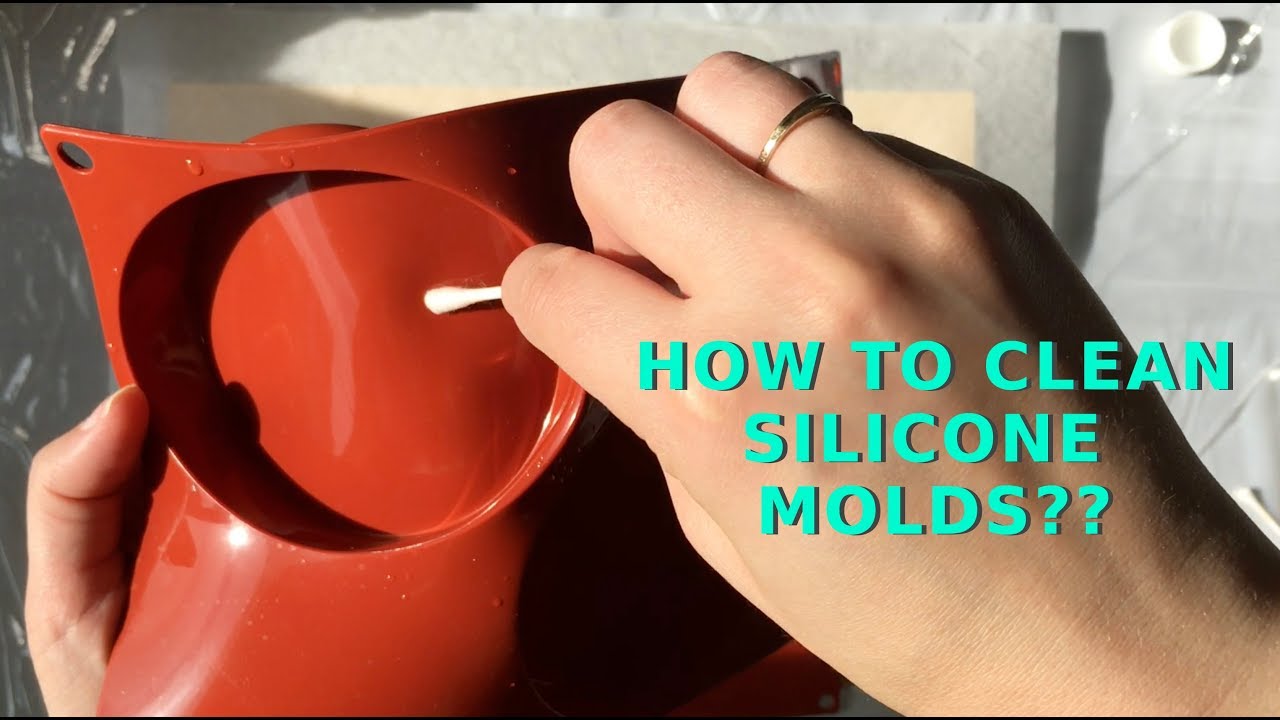
Silicone molds used for resin, wax, or soap need special care. These materials can leave oily or sticky residues. Here’s how to clean them:
- Remove leftover material: Carefully peel off any resin, wax, or soap.
- Soak in hot soapy water: This loosens stuck-on bits.
- Scrub with a soft brush: Focus on crevices.
- Rinse and dry well: Make sure all chemicals are removed.
- Occasionally sanitize: Use a vinegar rinse to prevent odor buildup.
Never use these molds for food after using them for crafts. The residues can be hard to remove completely and may not be food safe.
How To Clean Silicone Baking Mats And Accessories
Silicone baking mats and spatulas need similar care to molds. Here’s the best way to wash them:
- Rinse with hot water: Do this right after use.
- Scrub with mild soap: Use a soft sponge for both sides.
- Tackle stubborn stains: Use baking soda paste if needed.
- Rinse well: Soap residue can affect taste.
- Dry flat: Hang or lay on a rack until completely dry.
Some mats may stain over time, especially with spices like turmeric. This doesn’t affect performance, but deep cleaning can lighten the stains.
Credit: www.youtube.com
Common Mistakes When Washing Silicone Molds
Many beginners make these mistakes:
- Using too much soap: Soap can be hard to rinse away from silicone.
- Not scrubbing crevices: Residue hides in corners.
- Storing molds wet: Leads to mildew or bad odors.
- Mixing food and craft molds: This can be unsafe.
- Using scented cleaners: They leave a taste or smell behind.
A pro tip: Keep a separate brush just for cleaning molds. This prevents cross-contamination from other dishes.
Troubleshooting: When Molds Still Feel Greasy
If your molds feel greasy after washing, try this:
- Wash again with hot water and soap.
- Soak in a vinegar solution for 30 minutes.
- Rinse and scrub with baking soda.
- Rinse thoroughly and dry.
If the problem continues, the mold may be worn out or have absorbed oils into the material. It might be time to replace it.
How To Extend The Life Of Your Silicone Molds
With proper care, silicone molds can last for years. Here’s how to keep them in top shape:
- Clean after every use
- Deep clean regularly
- Dry completely before storing
- Avoid sharp tools and harsh chemicals
- Store away from heat and sunlight
A less-known tip: Occasionally, “season” your food-grade silicone molds by rubbing a tiny amount of neutral oil (like canola) before the first use after deep cleaning. Wipe off excess. This helps restore their non-stick surface.
Comparing Silicone Molds With Other Materials
It’s helpful to know how silicone compares to other mold materials:
| Material | Cleaning Difficulty | Durability | Non-Stick Ability |
|---|---|---|---|
| Silicone | Easy | High | Excellent |
| Metal | Medium | High | Good |
| Plastic | Easy | Low | Poor |
| Glass | Easy | High (fragile) | Good |
Silicone is the clear winner for easy cleaning and long life, but only if you wash and dry it correctly.
Best Practices For Long-term Mold Care
To keep your molds in the best possible condition, follow these best practices:
- Inspect regularly: Look for cracks, tears, or discoloration.
- Rotate molds: If you have several, use them in turns to reduce wear.
- Avoid extreme temperatures: Don’t go from freezer to oven right away.
- Label for specific use: Keep food molds separate from craft molds.
If you notice the non-stick property fading, deep clean and “season” the mold as described earlier.
Environmental Benefits Of Reusable Silicone Molds
Using silicone molds helps the environment by reducing waste. Unlike single-use paper or plastic molds, silicone can be used hundreds of times. A well-cared-for mold can last 3-5 years or longer. This reduces landfill waste and the need for disposable products.
Plus, silicone is more stable and doesn’t leach chemicals like some plastics.
If you want to learn more about silicone and its properties, check out this Wikipedia article on Silicone.
Frequently Asked Questions
How Do I Remove Stains From My Silicone Molds?
For stains, make a thick paste of baking soda and water. Spread it over the stain and let it sit for 20-30 minutes. Scrub gently with a soft brush, then rinse well. For tough stains, repeat the process or soak in vinegar water.
Can I Use Bleach To Clean Silicone Molds?
No, bleach is too harsh for silicone. It can weaken the material and leave dangerous residues. Stick to mild dish soap, baking soda, and vinegar for safe and effective cleaning.
Why Do My Silicone Molds Smell Even After Washing?
Silicone can absorb strong odors from foods or soaps. To remove smells, soak the mold in a 1:1 mix of vinegar and hot water for 30 minutes, then wash as usual. Baking soda and lemon juice are also effective for deodorizing.
Are All Silicone Molds Dishwasher Safe?
Most food-grade silicone molds are dishwasher safe, but always check the manufacturer’s instructions. Place them on the top rack, away from the heating element. If unsure, hand washing is the safest method.
Can I Use The Same Silicone Mold For Food And Crafts?
No, it’s not safe. Molds used for resin, wax, or soap can hold onto chemicals that may not be removed by washing. Always keep separate molds for food and craft use to avoid contamination.
Keeping your silicone molds clean takes a little effort, but the results are worth it. With the steps and tips in this guide, you can enjoy perfect cakes, candies, and crafts for years to come. Remember, a clean mold is a happy mold—and a happy mold means better results every time.