
When people think about decorating a window, curtains are usually the first thing that comes to mind. But what if you want something different? Maybe you love a modern, minimalist style. Or perhaps you have pets that pull down fabric, or allergies that make dust-collecting textiles a problem. Dressing a window without curtains is not only possible—it can look amazing and fit many styles. With a little creativity, your window can become a true design feature, not just a space to cover up.
This guide will show you many smart ways to make your windows beautiful, private, and practical without using curtains. We’ll look at the best alternatives, compare options, and share tips to help you choose the right one for your home.
You’ll also discover ideas even experienced decorators sometimes miss. Whether you want more light, more privacy, or just a new look, you’ll find real solutions here.
Why Skip Curtains?
People skip curtains for many reasons. Some want a cleaner, less cluttered look. Others need something easier to clean or more durable. Sometimes, a window’s shape or size makes curtains awkward or impossible. In other cases, people want to highlight a beautiful window frame or outside view, not cover it up.
Here are a few common reasons:
- Modern aesthetics: Clean lines, no fabric pooling on the floor
- Easier cleaning: Less dust, no need for regular washing
- Pets and kids: No fabric to pull, chew, or stain
- Light maximization: Let in as much daylight as possible
- Window features: Show off unique shapes or stained glass
Skipping curtains doesn’t mean your window will look unfinished. The right solution can make your window the focal point of the room.
Window Film: Style And Privacy In One
Window film is a thin material that sticks to the glass. It’s an easy way to add style, privacy, or both—without blocking light.
Types Of Window Film
- Frosted film: Gives a soft, blurred effect—great for bathrooms or street-facing rooms.
- Patterned film: Adds texture and design, from geometric shapes to floral prints.
- Tinted film: Reduces glare and heat, helps with energy efficiency.
- Stained glass film: Imitates real stained glass for a classic or colorful look.
- One-way mirror film: Lets you see out, but blocks people from seeing in (only works during daylight).
How To Apply Window Film
Most films are peel-and-stick. Clean the glass, cut film to size, spray water on the window, and smooth the film into place with a squeegee. No special tools needed.
Practical Tips
- Go for removable film if you rent or plan to change styles often.
- Measure your window exactly—crooked film looks messy.
- Film works best on flat, smooth glass (not textured).
Cost And Durability
Window film is affordable (usually $10–$50 per window) and lasts for years if applied correctly. It’s a good DIY project.
Blinds: Flexible And Functional
Blinds are a classic curtain alternative. They offer great control over light and privacy, and come in many styles.
Main Types Of Blinds
- Venetian blinds: Horizontal slats (wood, metal, or plastic) tilt to let in more or less light.
- Vertical blinds: Slats run up and down—ideal for large windows or sliding doors.
- Roller blinds: Flat fabric rolls up and down for a clean look.
- Roman blinds: Fabric folds as you raise or lower them—softer than roller blinds.
- Cellular (honeycomb) blinds: Trap air for insulation, help save energy.
- Panel track blinds: Large fabric panels slide side-to-side for wide windows.
Comparison: Popular Blind Types
Here’s a quick look at how the main types compare:
| Type | Light Control | Privacy | Maintenance | Best For |
|---|---|---|---|---|
| Venetian | Excellent | Very Good | Easy (dusting) | Most rooms |
| Roller | Good | Good | Very Easy | Modern, minimalist spaces |
| Cellular | Very Good | Excellent | Easy | Bedrooms, energy savings |
Tips For Choosing Blinds
- Choose water-resistant options for kitchens and bathrooms.
- Cordless blinds are safer for children and pets.
- Measure carefully; custom blinds fit better and look more polished.
Non-obvious insight: Many people forget that blinds can be motorized. Motorized blinds are great for tall or hard-to-reach windows and can be set on a timer for security or energy savings.
Shades: Soft, Sleek, And Stylish
Shades are like blinds, but they use one piece of material (no slats). They offer privacy and a soft look, but less light control than blinds.
Popular Types Of Shades
- Roller shades: Simple, modern, roll up and down.
- Roman shades: Folds as you raise them—classic style.
- Cellular shades: Honeycomb design for insulation.
- Solar shades: Block UV rays and glare, but let in daylight.
- Pleated shades: Accordion folds; less insulation than cellular.
Benefits Of Shades
- Many colors, patterns, and materials
- Good for privacy and some sound reduction
- No dust-collecting slats
Costs And Installation
- Prices vary: From $20 DIY to $300+ custom per window
- Most shades install inside the window frame for a clean look
Non-obvious insight: You can layer a shade with frosted film for extra privacy and style—this is popular in bathrooms and bedrooms.
Shutters: Classic Beauty And Durability
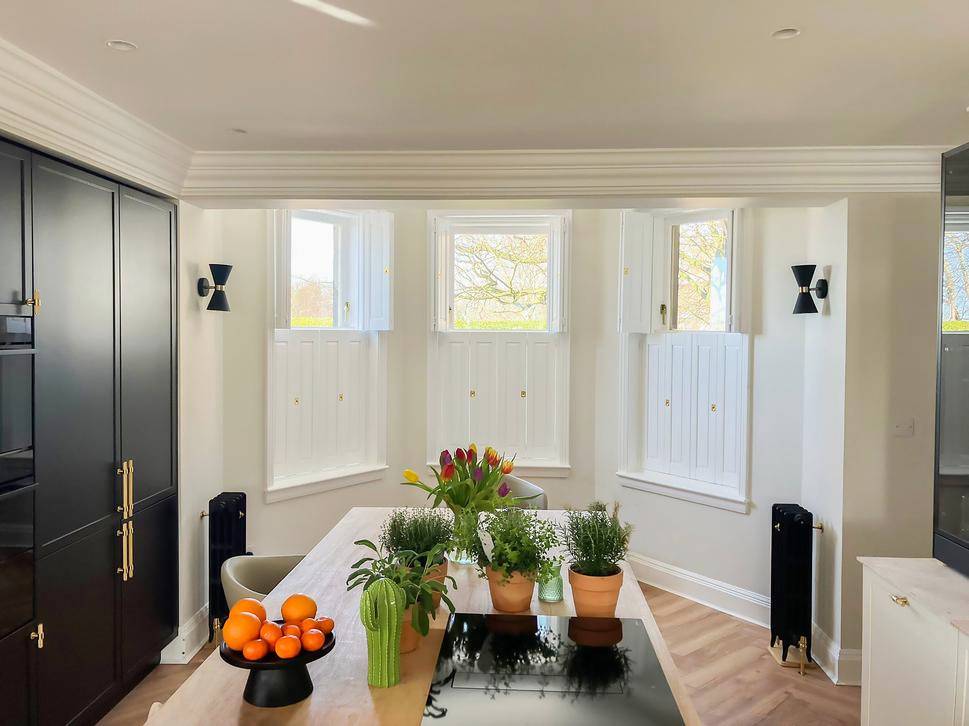
Shutters are solid panels or slats attached to the window frame. They can swing open or have adjustable louvers for light control.
Types Of Shutters
- Plantation shutters: Wide louvers, popular in modern and traditional homes.
- Café shutters: Cover only the lower half of the window—great for kitchens.
- Solid panel shutters: Block all light when closed, best for bedrooms.
- Tier-on-tier shutters: Two sets of shutters, open independently.
Advantages
- Long-lasting (often 20+ years)
- Increase home value
- Custom fit for any window shape
- Easy to clean (wipe with a damp cloth)
Considerations
- Higher upfront cost ($200–$700 per window installed)
- Professional installation is often needed
- Heavy, so check if your window frames are strong enough
Where Shutters Work Best
- Street-facing rooms for privacy
- Historic or high-end homes
- Rooms with strong sunlight
Interior Window Screens: Airflow With Style
Interior window screens are not just for bugs anymore. Decorative screens can add privacy and pattern without blocking light or fresh air.
Screen Materials And Styles
- Laser-cut metal: Modern, bold patterns
- Wood: Warm, natural look
- Acrylic or plastic: Light, easy to clean, affordable
Screens can be fixed or hinged, so you can open the window or remove the screen when you want.
Where To Use Decorative Screens
- Living rooms (to create a feature wall)
- Bathrooms (for privacy)
- Entryways or mudrooms
Maintenance Tips
- Choose powder-coated metal for rust resistance
- Clean with a soft cloth; avoid harsh chemicals on painted surfaces
Practical tip: Screens can double as art—choose a pattern that matches your décor for a cohesive look.
Credit: www.shuttercraft.co.uk
Indoor Plant Displays: Nature’s Curtain
Plants can make a window feel lush and private, filtering light naturally. This is a favorite option for people who want a green, calming space.
How To Use Plants As Window Treatments
- Hanging planters: Suspend from the ceiling for a floating effect.
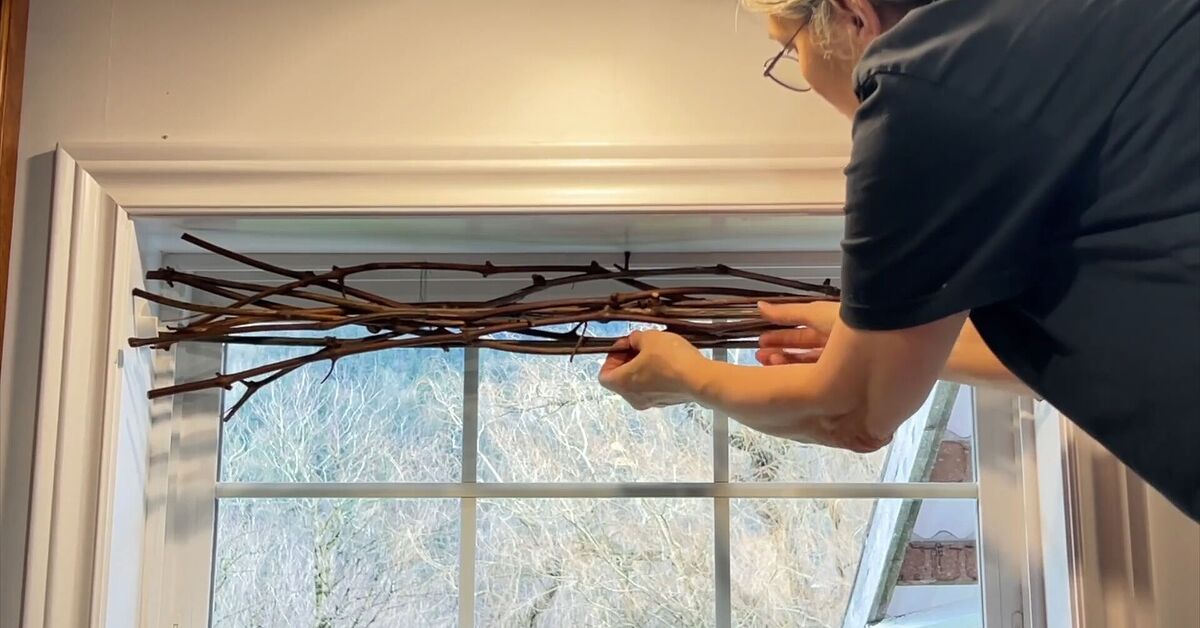
- Tension rods with pots: Place small pots on rods across the window.
- Tall floor plants: Cluster in front of the window for privacy.
- Window boxes (inside): Grow herbs or flowers just inside the glass.
Best Plants For Window Displays
- Pothos: Trailing vines, low maintenance
- Spider plant: Air-purifying, grows fast
- Snake plant: Upright, needs little water
- Succulents: For sunny, dry windows
Plant Care Tips
- Rotate pots for even growth
- Use saucers to catch drips
- Choose plants that match your window’s sunlight
Real-world example: In small city apartments, a row of hanging spider plants can block street views while keeping the room bright.
Shelves: Storage And Style
Installing shelves across or in front of a window creates instant interest and function.
Types Of Window Shelves
- Floating shelves: Attach directly to the wall or window frame
- Glass shelves: Let in maximum light, almost invisible
- Wood shelves: Add warmth and work with most décor
What To Place On Window Shelves
- Small plants
- Books (if not exposed to hot sun)
- Art objects or collectibles
- Kitchen herbs (in sunny windows)
Installation Tips
- Use strong anchors for safety
- Consider adjustable shelves for flexibility
- Don’t block window locks or handles
Non-obvious insight: A shelf halfway up a window is a great place to grow herbs in the kitchen, offering privacy and fresh ingredients.
Window Valances And Cornices: Top-only Drama
A valance (fabric) or cornice (wood or other solid material) dresses only the top of the window. This keeps the lower part open for light and view.
Styles And Materials
- Fabric valances: Soften the look, add color or pattern
- Wood cornices: Modern, can be painted to match walls or trim
- Metal valances: Industrial style, easy to clean
Where Valances Work Well
- Above kitchen sinks
- In small rooms (won’t crowd the space)
- To hide blind hardware
How To Install
- Mount above the window frame
- Keep width wider than the window for best effect
Practical tip: If you use a valance, you can still add shades or blinds below for privacy when needed.
Window Decals And Stickers: Easy, Changeable Art
Decals and stickers let you add color, pattern, or art to your window without any tools or damage.
Types
- Static cling decals: Reusable, easy to move
- Vinyl stickers: More permanent, resist sunlight
- Custom designs: Print your own photos or logos
Where To Use
- Kids’ rooms (fun shapes or cartoons)
- Seasonal decoration (holidays, seasons)
- Bathrooms (privacy with style)
Removal And Care
- Peel off carefully—no glue mess
- Clean glass with non-abrasive spray
Non-obvious insight: Layering decals at different heights can create a “frosted” look for privacy, but you can still change the design anytime.
Credit: www.hometalk.com
Glass Treatments: Permanent Solutions
Certain glass treatments are done by professionals and become a permanent part of the window.
Types Of Treatments
- Etched glass: Acid or sandblasting creates a frosted effect
- Leaded glass: Adds pattern with lead lines, often found in historic homes
- Tinted glass: Colored or UV-filtering glass
Pros And Cons
- Pro: Never peels off, easy to clean
- Con: Expensive, not reversible
Where To Use
- Entry doors
- Bathroom windows
- High-end renovations
Practical tip: Etched glass can be custom-designed with your initials or favorite pattern for a unique touch.
Window Grilles And Mullions: Architectural Interest
Grilles and mullions (dividers in the glass) add structure and pattern, making even plain windows look special.
Types
- Snap-in grilles: Removable, can change styles easily
- Permanent mullions: Built into the window, often in historic homes
- Decorative overlays: Stick to the glass for a quick change
Where To Use
- Living rooms (for a classic look)
- Entryways (add security and style)
- Kitchens (break up large panes of glass)
Cleaning And Care
- Removable grilles make cleaning easier
- Permanent mullions are sturdy but may collect dust—wipe regularly
Non-obvious insight: You can buy “faux” grilles that stick on for photoshoots or events—great for renters.
Hanging Art: Frame Your View
Hanging artwork in front of a window might seem strange, but it works—especially if privacy is not a big issue.
How To Hang Art On Windows
- Use suction cup hooks for lightweight pieces
- Install a tension rod and hang art from ribbons or wire
- Try stained glass panels for color and light diffusion
Best Types Of Art For Windows
- Stained glass or sun catchers
- Lightweight fabric banners
- Framed photos (protected from direct sun)
Safety Tips
- Secure all hangings well—falling glass can be dangerous
- Avoid heavy frames unless you have strong supports
Real-world example: In a breakfast nook, a stained glass sun catcher can throw colored light into the room while adding privacy.
Bamboo Shades And Natural Materials
Natural materials like bamboo, reed, or woven grass add texture and warmth. They’re eco-friendly and suit many styles.
Types Of Bamboo Coverings
- Bamboo roll-up shades: Simple, easy to lift or lower
- Woven wood panels: Slide or fold, often lined for privacy
- Grasscloth shades: Softer, more subtle texture
Benefits
- Sustainable, renewable material
- Filters light, gives a soft glow
- Works with boho, coastal, and tropical styles
Limitations
- Less privacy at night unless lined
- Can fade in strong sun
Practical tip: Use a blackout liner if you need more privacy or darkness for bedrooms.
Credit: www.shuttercraft.co.uk
Frosted Or Textured Glass: Built-in Privacy
If you’re building or renovating, consider frosted or textured glass. This is a permanent way to block views but let in light.
Types Of Textured Glass
- Acid-etched: Smooth, milky appearance
- Patterned: Rippled or “rain” glass for a decorative effect
- Obscure glass: Many patterns, from simple to ornate
Where To Use
- Bathroom windows
- Entry doors
- Rooms facing the street
Cleaning And Upkeep
- Treat like regular glass—just avoid harsh scrubbing that could dull the pattern
Window Awnings And Exterior Shutters
Sometimes, the best way to manage light and privacy is from outside.
Awnings
- Fabric or metal, extend over the window
- Block sun but allow fresh air
- Lower cooling bills in sunny climates
Exterior Shutters
- Close for storms or privacy, open for light
- Add curb appeal
- Often used in traditional or coastal homes
Installation And Maintenance
- Requires sturdy mounting; may need professional help
- Clean with water and mild soap
Non-obvious insight: Awnings can be retractable, so you can enjoy sun or shade as you like.
Smart Glass And Electronic Privacy Options
Technology is changing how we use windows. Smart glass can switch from clear to frosted with a remote or app.
How Smart Glass Works
- Tiny crystals in the glass align or scatter to let light through or block it
- Controlled by switch, remote, or automation system
Pros And Cons
- Pro: Ultimate flexibility, futuristic look
- Con: Expensive (often $50–$100 per square foot), needs power
Where To Use
- Conference rooms
- High-end bathrooms
- Luxury homes
Practical tip: If smart glass is too costly, try motorized blinds for a tech touch at a lower price.
Comparing Curtain Alternatives
With so many options, it helps to compare them side by side. Here’s a quick overview:
| Option | Privacy | Light Control | Cost | Maintenance | Best For |
|---|---|---|---|---|---|
| Window Film | Good | Some | Low | Very Easy | Renters, DIY |
| Blinds | Very Good | Excellent | Medium | Easy | Most rooms |
| Shutters | Excellent | Excellent | High | Easy | Classic style |
| Plants | Some | Some | Low-Medium | Medium | Natural look |
| Smart Glass | Excellent | Excellent | Very High | Very Easy | Luxury/tech homes |
Mistakes To Avoid When Dressing A Window Without Curtains
- Ignoring window function: Don’t block handles, locks, or emergency exits.
- Choosing the wrong material: Wood warps in humid rooms, metal blinds can get hot in sun.
- Poor measurement: Ill-fitting blinds or shutters look cheap and don’t work well.
- Forgetting cleaning needs: Some options (like heavy plants) are harder to maintain.
- Neglecting privacy at night: Some films and natural shades look private by day, but reveal too much after dark.
- Skipping professional help for heavy or permanent installations—damage can be expensive to fix.
- Overcrowding the window: Too many items (plants, shelves, decals) can block light and make the space feel cramped.
How To Choose The Right Option For Your Window
- Consider the room’s purpose: Bedrooms need privacy, kitchens need easy cleaning.
- Think about light: Do you want to block, filter, or let in as much as possible?
- Match your style: Modern, classic, boho—there’s an option for every look.
- Set a budget: Some solutions are cheap, others are a real investment.
- Check for special needs: Kids, pets, allergies, or rental rules can affect your choice.
- Test before committing: Try film or decals on a small window first.
Inspiration: Real-world Examples
- In a mid-century modern home, frosted film and minimal shelves create a clean, open feel.
- A city apartment uses hanging plants and a single bamboo shade for privacy without blocking daylight.
- In a historic house, leaded glass and café shutters keep the original character but add comfort.
- A tech lover’s condo features smart glass in the bedroom for privacy at the touch of a button.
Where To Find Supplies And More Ideas
Most of these alternatives are easy to find at home improvement stores, online retailers, or specialty shops. For more ideas and inspiration, check out resources like Houzz Magazine, which showcases real homes and creative window solutions.
Frequently Asked Questions
What’s The Cheapest Way To Cover A Window Without Curtains?
Window film and static cling decals are very affordable and easy to install yourself. They provide privacy and style for as little as $10–$20 per window.
Can I Get Full Privacy Without Using Curtains?
Yes. Shutters, certain types of blinds, and frosted window film can offer complete privacy, day and night, without curtains. Just check how each option looks after dark.
Are There Options That Don’t Block Any Light?
Yes. Glass shelves, clear acrylic screens, or a few small hanging plants let almost all light through. Solar shades also block UV rays but allow sunlight in.
What’s The Best Solution For A Rental Apartment?
Removable window film, static decals, and tension rod shelves are all renter-friendly and won’t damage walls or glass. Avoid anything that needs drilling or permanent glue.
How Do I Keep My Window Looking Clean And Neat Without Curtains?
Choose options that are easy to wipe or dust, like blinds, shutters, or window film. Avoid heavy plants or shelves in kitchens or bathrooms where grease and steam collect.
Dressing your window without curtains opens up a world of creative options—many easier, more practical, and more stylish than you might expect. With the right choice, your window can become a highlight of your home.