
If you’ve ever tried baking a cake or roasting a chicken and ended up with uneven results, the problem might not be your recipe—it could be your oven’s temperature. Many people overlook one of the most important steps in cooking and baking: preheating the oven. This step seems simple, but doing it wrong can ruin a dish before it even starts. But what does it actually mean to preheat an oven, and why does it matter so much? Let’s explore every detail, from the science behind preheating to practical tips, common mistakes, and even how to preheat other appliances like air fryers and toaster ovens. This guide will give you everything you need to achieve perfect results, whether you’re a beginner or a home chef looking to improve.
What Does Preheating Mean?
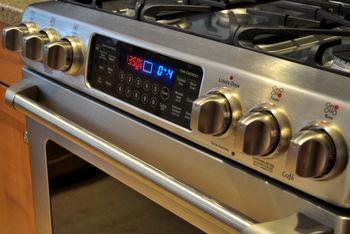
Preheating is the process of turning on your oven (or other appliance) and allowing it to reach the desired temperature before you put food inside. Most recipes call for preheating because it ensures the food cooks evenly from the moment it enters the oven. Without this step, the outside of your food could cook faster than the inside, or your baked goods might not rise properly.
Many ovens signal when they’ve reached the set temperature, but not all are accurate. Some older ovens don’t have a preheat indicator, and even new ovens can be off by several degrees. That’s why understanding the basics and best practices is so important.
Why Is Preheating Important?
Skipping preheating can lead to several kitchen disasters:
- Uneven cooking: Food starts cooking at a lower temperature and may dry out or stay undercooked inside.
- Poor texture: Cakes can be dense, cookies spread too much, or bread may not rise.
- Safety: Certain meats and dishes need high heat immediately to avoid bacteria growth.
Preheating helps with caramelization and Maillard reaction, both of which add flavor, color, and texture to your food.
How To Preheat An Oven (step-by-step)
Let’s break down how to preheat a standard electric or gas oven. These steps work for most home ovens.
- Check Your Recipe: Find the exact temperature you need (e.g., 350°F, 425°F).
- Remove Unnecessary Items: Make sure there are no pans, trays, or leftover food inside the oven.
- Set the Temperature: Use the oven’s control panel or dial to set the correct temperature.
- Close the Door: Always preheat with the oven door closed to keep heat inside.
- Wait for Preheat Signal: Most ovens have a light or beep to indicate they’ve reached temperature.
- Double-Check with a Thermometer: For best accuracy, use an oven thermometer placed in the center.
- Place Your Food: Once the oven is hot, quickly put your food in and close the door.
Example: Preheating For Baking Cookies
Suppose your recipe says to bake cookies at 375°F. Set the oven to 375°F, wait for the preheat beep, and then confirm with a thermometer. Only then, place your cookie tray inside.
Gas Vs. Electric Ovens: What’s Different?
Gas and electric ovens heat differently, and that affects preheating time and evenness.
| Feature | Gas Oven | Electric Oven |
|---|---|---|
| Heating Speed | Heats up faster | Heats up slower |
| Heat Distribution | Less even, more hot spots | More even, fewer hot spots |
| Moisture | Moister heat | Drier heat |
| Temperature Accuracy | Can fluctuate | Usually more stable |
| Best For | Roasting, bread, pizza | Baking cakes, cookies |
Key insight: Gas ovens often cycle flames on and off, causing temperature swings. Electric ovens usually maintain steadier heat, but both types benefit from preheating.
How Long Does Preheating Take?
The time required depends on your oven’s age, type, and target temperature. Here are some typical ranges:
- Electric ovens: 10–15 minutes to reach 350°F
- Gas ovens: 7–12 minutes to reach 350°F
- Higher temperatures (425–475°F): Add 3–5 more minutes
- Older ovens: May take longer due to worn parts
Pro tip: Always check your manual for your oven’s specific preheat time, as it can vary.
How To Tell If Your Oven Is Properly Preheated
Don’t trust the beep alone! Many ovens beep before they are fully hot throughout. Here’s how to be sure:
- Use an oven thermometer: Place it in the center rack.
- Wait 5 more minutes: After the signal, let the oven sit for 5 extra minutes.
- Visual check: For pizzas and breads, the oven should feel hot when you open the door quickly (but be careful! ).
- Test with water: Sprinkle a few drops of water on a baking sheet inside—if it sizzles, the oven is hot.
Preheating Convection Ovens
Convection ovens use a fan to circulate hot air, which speeds up cooking and can improve browning. Preheating is even more important with convection because the moving air can cool the oven quickly when the door is opened.
- Always preheat to the recipe’s temperature.
- Reduce the temperature by 20–25°F if converting a regular recipe.
- Wait for the convection indicator or use a thermometer.
Extra advice: Don’t put food in while the fan is running during preheat—it can cause uneven results.
When You Don’t Need To Preheat
Some dishes don’t require preheating, but these are rare. Examples include:
- Slow-roasting meats (low and slow)
- Some casseroles or braises (when long cook times allow gentle heating)
- Toasting bread or nuts (sometimes started in a cold oven for even browning)
But even in these cases, preheating often gives more consistent results.

Credit: codysappliancerepair.com
Preheating Other Appliances
Ovens aren’t the only appliances you should preheat. Here’s a look at some other common kitchen tools.
Air Fryers
Air fryers are popular for fast, crispy cooking. Most models heat up in 2–5 minutes, much faster than traditional ovens.
How to preheat an air fryer:
- Turn on to the desired temperature.
- Let it run empty for 2–5 minutes.
- Add your food and start the timer.
Why preheat? It helps food crisp up evenly and prevents sticking.
Toaster Ovens
Toaster ovens are mini-ovens, so they benefit from preheating too.
- Set the temperature.
- Wait for the preheat light or 5–8 minutes.
- Insert food and start timing.
Tip: Older toaster ovens may not have a preheat signal. Use a thermometer if you’re baking.
Pizza Stones And Baking Steels
If you bake pizza or bread, preheating the pizza stone or baking steel is critical.
- Place the stone/steel in a cold oven.
- Preheat the oven (and stone) for at least 30–45 minutes.
- This ensures a crisp, well-cooked crust.
Insight: Many home cooks rush this step. A stone that isn’t fully hot can make dough soggy.
Grill Pans And Cast Iron Skillets
For searing steak or grilling indoors, preheating the pan is essential.
- Place the pan on the stove over medium-high heat for 5–8 minutes.
- Water droplets should sizzle and dance when the pan is ready.
This helps with browning and prevents sticking.
Common Preheating Mistakes (and How To Avoid Them)
Even experienced cooks make mistakes with preheating. Here are the most frequent errors and how to fix them.
- Not waiting long enough: The oven signal isn’t always correct. Always allow a few extra minutes.
- Starting with food inside: Don’t put food in before reaching temperature, unless the recipe says so.
- Crowded oven: Too many trays block airflow and cause uneven heating.
- Not using a thermometer: Oven dials can be inaccurate by up to 50°F.
- Opening the door too often: Heat escapes quickly, especially during preheating.
- Not preheating pans or stones: Cold pans reduce initial cooking temperature.
- Forgetting to adjust for convection: If using a convection setting, lower the temperature by 20–25°F.
- Ignoring altitude: At high elevations, preheat times and temperatures may need adjusting.
- Using dirty ovens: Food residue can smoke and affect flavor.
- Wrong oven rack position: Middle rack is usually best for even heat during preheating.
How Oven Rack Position Affects Preheating
Rack position changes how heat reaches your food. Here’s a simple breakdown:
| Rack Position | Best For | Effect During Preheat |
|---|---|---|
| Top third | Broiling, browning | Heats fastest, hottest air |
| Middle | Baking, most foods | Most even heat |
| Bottom third | Pizza, bread, roasting | Closest to heating element |
Advice: For most recipes, preheat with the rack in the position you’ll cook on.
How To Check Your Oven’s Temperature Accuracy
Many ovens are off by 10–50°F, which can ruin delicate recipes. Here’s how to test yours:
- Buy an oven thermometer (available at most stores).
- Place it in the center of the oven.
- Preheat to 350°F and let it stabilize for 20 minutes.
- Check the thermometer. If it’s off, adjust your settings or make a note for next time.
Some ovens have built-in calibration options. Check your manual or ask a technician if needed.
Credit: bakingbites.com
Preheating For Specific Foods
Different foods need different approaches. Here’s a quick guide to common dishes.
Baking Cakes And Cookies
Cakes and cookies need a fully preheated oven to rise and set properly. Even a few degrees off can change the texture.
- Preheat to recipe temperature (usually 325–375°F).
- Use the middle rack.
- Don’t open the door until at least 75% of the bake time has passed.
Roasting Meats And Vegetables
High heat is important for browning and caramelization.
- Preheat to 400–475°F.
- Use a preheated roasting pan if possible.
- For best results, let the oven sit for 5 minutes after the signal.
Bread And Pizza
Yeast breads and pizza need a hot oven and, ideally, a preheated stone or steel.
- Preheat to 450–500°F for at least 30 minutes.
- Use the bottom rack for pizza, middle for bread.
- A hot surface ensures good oven spring and crust.
Frozen Foods
Most frozen foods, like fries or chicken nuggets, cook best in a preheated oven so they crisp up and don’t get soggy.
- Follow package instructions.
- Add a couple of minutes if your oven runs cool.
Casseroles
Casseroles are a bit more forgiving but still benefit from even heat.
- Preheat to the recipe’s temperature.
- Place in the oven as soon as it’s ready.
Can You Preheat Too Long?
Leaving your oven on for too long before cooking wastes energy but doesn’t usually harm the oven or your food. However, in some rare cases (like delicate soufflés), a very hot oven may form a crust too quickly. Most home cooks can safely preheat for 30–60 minutes without issue.
Tip: If your oven smokes during preheating, it’s time for a cleaning.
Saving Energy While Preheating
Preheating does use extra energy, but you can minimize waste:
- Only preheat as long as needed for your recipe.
- Use smaller appliances (like toaster ovens) for small dishes.
- Batch cook several items while the oven is hot.
According to the U. S. Department of Energy, using a microwave, toaster oven, or air fryer can save up to 80% of the energy compared to a full-sized oven.
Safety Tips When Preheating
- Keep children and pets away from a hot oven.
- Don’t leave oven mitts, paper, or towels on the stovetop.
- Check for leftover food or spills before preheating—burnt food can cause smoke or fire.
- If your oven smells like gas or smoke, turn it off and ventilate your kitchen.
Advanced Insights: Why Preheating Really Matters
Two chemical reactions depend on a hot oven:
- Maillard Reaction: This is what gives steak, bread, and cookies their brown, delicious crust.
- Caramelization: Sugars turn golden and sweet only at high temperatures.
If your oven isn’t hot enough when food goes in, these don’t happen properly. That’s why preheating is a non-negotiable step for most baking and roasting.
Preheating And Altitude
At high altitudes, water boils at lower temperatures, and baked goods can act differently. Ovens may take longer to preheat, and recipes might need adjusting. If you live above 3,000 feet, check for special high-altitude baking advice.
Preheating Appliances: Quick Comparison
Here’s a comparison of preheating different kitchen appliances for the same temperature (375°F):
| Appliance | Average Preheat Time | Best Use |
|---|---|---|
| Standard Oven | 10–15 minutes | Baking, roasting |
| Convection Oven | 7–10 minutes | Baking, browning |
| Toaster Oven | 5–8 minutes | Small batches |
| Air Fryer | 2–5 minutes | Frying, crisping |
| Microwave Oven | N/A | Reheating, not baking |
Takeaway: Use the right tool for the job, and always check if preheating is needed.
Troubleshooting: When Preheating Doesn’t Work
If your oven never seems to get hot enough or food is always undercooked, try these solutions:
- Check the heating elements: They may be worn out.
- Clean the oven: Built-up grime can block heat.
- Use an oven thermometer: Calibrate if necessary.
- Call a professional: If your oven takes longer than 30 minutes to reach 350°F, something may be wrong.
Practical Tips For Perfect Preheating
- Always start with a clean oven to avoid odors and smoke.
- Put your oven rack in place before turning on the oven.
- Use an oven thermometer for best results.
- Give the oven extra time for high-temperature recipes.
- Preheat baking stones or cast iron for best pizza and bread.
- Don’t rush—good food takes patience.
- Keep the oven door closed as much as possible.
Non-obvious insight: Some ovens have a “rapid preheat” option. This can be helpful, but may only heat the bottom element. For even results, let the oven stabilize for a few minutes more.
Frequently Asked Questions
How Do I Know If My Oven Is Preheated Without A Preheat Light Or Beep?
If your oven doesn’t have a signal, use an oven thermometer. Place it in the center of the oven and check after 10–15 minutes. You can also sprinkle a few drops of water on a baking tray—if they sizzle and evaporate, your oven is hot.
Can I Put Food In The Oven While It’s Preheating?
In most cases, no. Food that goes in before the oven is ready can cook unevenly and have poor texture. The exception is for recipes that call for a “cold oven start,” which are rare and usually mentioned in the instructions.
Is It Necessary To Preheat For Every Type Of Food?
Not always. Some slow-cooked dishes and casseroles are more forgiving. However, for baking, roasting, or any food that needs crispiness or rise, always preheat for best results.
What Should I Do If My Oven Temperature Is Inaccurate?
Use an oven thermometer to check the real temperature. If it’s off, adjust your dial or digital setting accordingly. Some ovens can be recalibrated—check your manual or ask a technician.
Is Preheating Different For An Air Fryer Or Toaster Oven?
Yes. Air fryers and toaster ovens heat up much faster (2–8 minutes). Always follow the manufacturer’s guidelines. For baked goods in a toaster oven, preheating is important just like in a full-size oven.
For more details on oven types and preheating, see this Wikipedia article on ovens.
Preheating is a simple step, but it makes a world of difference in your cooking. By understanding why it matters, how to do it correctly, and how to avoid common mistakes, you’ll see better results with every meal. Take a few extra minutes to preheat properly—you’ll taste the improvement in every bite.

Credit: www.youtube.com