
Washing a silk bonnet may seem simple, but caring for this delicate fabric is an art. Many people use silk bonnets to protect their hair at night, keeping curls smooth, edges laid, and moisture locked in. But after a few nights, a silk bonnet can collect oils, sweat, and product buildup. Washing it wrong can ruin the silk, making it rough, shrinking it, or causing color fade. Learning the right way to wash a silk bonnet keeps it soft and beautiful, so your hair reaps all the benefits.
If you’ve ever tossed your silk bonnet in the washing machine with the rest of your laundry, you might have noticed it doesn’t feel the same afterward. Maybe it’s lost its shine, or the fabric feels rough. Silk is a protein-based fiber, like your hair, and needs gentle care.
This guide will show you, step by step, how to wash a silk bonnet, dry it, and keep it in great shape for as long as possible. We’ll also cover the best products, what to avoid, and how to handle common problems.
Whether you’re new to silk bonnets or want to extend the life of your favorite one, you’ll find practical advice here.
Why Proper Care Matters For Silk Bonnets
Silk is special. It’s known for being smooth, soft, and gentle on hair. That’s why so many people choose silk bonnets over other materials. But silk is also sensitive to harsh chemicals, heat, and rough handling.
Washing your silk bonnet correctly does more than keep it clean:
- It helps the fabric stay shiny and soft.
- It prevents damage, like tears or frayed edges.
- It keeps colors vibrant.
- It stops bacteria and oils from building up, which can cause breakouts or scalp issues.
Washing silk the wrong way can cause:
- Color fading
- Shrinkage
- Loss of smoothness
- Permanent stains
Many beginners don’t realize that silk absorbs sweat and oils quickly. Even if your bonnet looks clean, washing it regularly is important. But “regular” for silk isn’t the same as washing cotton or polyester; silk needs a gentle touch.
How Often Should You Wash A Silk Bonnet?
The right washing frequency depends on your hair routine, how much you sweat, and your personal comfort. In general:
- If you use your silk bonnet every night, wash it every 1-2 weeks.
- If you use heavy oils or products, wash weekly.
- If you sweat a lot at night or have an active lifestyle, wash weekly.
Washing too often can wear out silk, but not washing enough can cause buildup and skin problems. If your bonnet smells, feels greasy, or has visible stains, it’s time to wash it.
Insider tip: Rotate two silk bonnets. While one is drying, you can use the other. This reduces wear and gives each bonnet time to “rest” between uses.
What You Need To Wash A Silk Bonnet
Before you wash your silk bonnet, gather these items:
- Mild detergent: Choose one made for silk or delicate fabrics. Baby shampoo can work in a pinch.
- Clean basin or sink: For hand washing.
- Cool or lukewarm water: Hot water can damage silk.
- Clean, soft towel: For drying.
- Mesh laundry bag (if using a machine): Protects the bonnet.
- Flat drying surface: A drying rack or a clean towel on a table.
Avoid using bleach, regular laundry detergents, or fabric softeners. These can ruin silk quickly.
Hand Washing: The Safest Way
Hand washing is the best method for silk bonnets. It gives you control and avoids the rough action of washing machines.
Step-by-step Guide
- Fill a basin with cool or lukewarm water.
- Never use hot water—it can shrink or weaken silk fibers.
- Add a small amount of mild detergent.
- Use just a teaspoon for one bonnet. Too much soap makes rinsing harder.
- Place the bonnet in the water.
- Gently swirl it for 2-3 minutes. Don’t twist or scrub; just let the water move through the fabric.
- Pay attention to dirty areas.
- For stains or heavy buildup, gently rub the spot between your fingers. If needed, apply a drop of detergent directly and wait 1-2 minutes.
- Rinse thoroughly.
- Drain the soapy water, refill with cool clean water, and gently agitate the bonnet. Repeat if you see soap bubbles.
- Remove excess water.
- Press the bonnet between your palms or against the side of the sink. Never wring or twist—this damages silk.
- Lay flat to dry.
- Place the bonnet on a clean, dry towel. Roll up the towel and press gently to absorb more water. Unroll, reshape the bonnet, and lay flat to air dry.
Quick Reference: Hand Wash Vs. Machine Wash
Here’s how the two methods compare:
| Aspect | Hand Wash | Machine Wash |
|---|---|---|
| Fabric Damage | Very low risk | Higher risk, especially without protection |
| Color Fade | Unlikely | More likely |
| Time Needed | 5-10 minutes | 5 minutes setup, longer cycle |
| Ease | Requires attention | Less effort, but more risk |
Hand washing is always safer for silk bonnets.
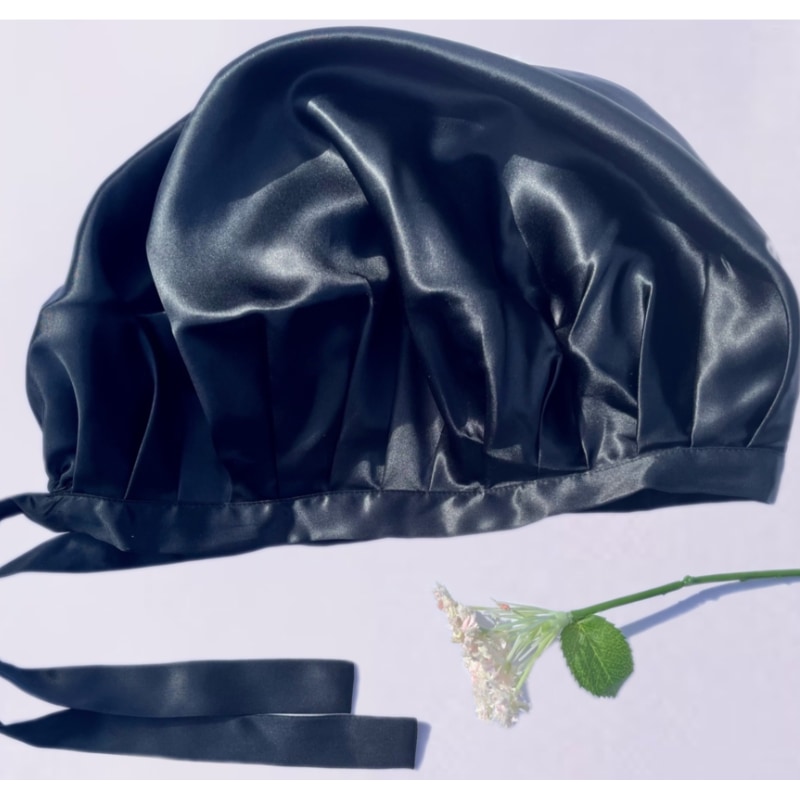
Credit: curlylife.com.au
Machine Washing: When And How
Sometimes, you might not have time to hand wash. Some silk bonnets are labeled “machine washable. ” Still, machine washing is always a bit riskier.
When Machine Washing Is Okay
- The care label says “machine washable.”
- You use a gentle or delicate cycle.
- You use a mesh laundry bag.
Steps For Machine Washing
- Turn the bonnet inside out.
- This protects the outer surface from rubbing.
- Place in a mesh laundry bag.
- This reduces friction and stretching.
- Use a delicate detergent.
- Only use a small amount—regular detergents are too harsh.
- Set the washer to cold and delicate/hand wash cycle.
- Never use warm or hot water.
- Run a short cycle.
- The less time, the better.
- Remove immediately after washing.
- Leaving silk wet in the washer can cause wrinkles and color loss.
- Lay flat to dry.
- Never use a dryer.
Expert insight: Most silk bonnet damage from machines comes from skipping the bag, using hot water, or letting bonnets tangle with other clothes.
Drying A Silk Bonnet The Right Way
Drying is just as important as washing. Silk hates high heat and rough handling.
What To Avoid
- No wringing or twisting
- No hanging from a line (the weight of water can stretch silk)
- No direct sunlight (fades color)
- No tumble drying
Best Drying Method
- Remove as much water as possible by rolling the bonnet in a towel.
- Lay the bonnet flat on a dry towel or mesh rack.
- Shape it gently so it dries in its correct form.
- Let it air dry in a cool, shaded place.
Drying usually takes 4-8 hours, depending on humidity. If you’re in a hurry, place the bonnet near (not on) a fan.
Removing Stains From Silk Bonnets
Stains on silk are tricky. Oils, hair products, or makeup can leave marks. Quick action is important.
How To Treat Common Stains
Fresh Stains
- Blot the spot with a clean cloth.
- Rinse with cool water right away.
Oil-based Stains
- Sprinkle a little cornstarch or talcum powder on the stain.
- Let it sit for 30 minutes to absorb oil.
- Brush off powder, then hand wash as usual.
Product Or Makeup Stains
- Mix a drop of mild detergent with water.
- Dab the spot gently with a soft cloth.
- Rinse and air dry.
Never use bleach or strong stain removers. These can destroy the silk instantly.
When To See A Professional
If you have a stubborn stain that won’t come out, take your bonnet to a dry cleaner who knows how to handle silk. Don’t risk ruining it with home treatments.
Silk Bonnet Care Between Washes
Washing isn’t the only part of bonnet care. With a few easy habits, your silk bonnet will stay fresh longer.
- Let your bonnet air out daily. After use, turn it inside out and let it breathe for a few hours.
- Keep it away from oils and lotions during the day.
- Store in a cool, dry place—a drawer or box, not a damp bathroom.
- Keep away from rough surfaces that can snag the fabric.
Advanced tip: If you use heavy products on your hair, wear a thin cotton liner under your silk bonnet. This absorbs some oils and reduces how often you need to wash the silk.

Credit: blissy.com
Choosing The Right Detergent For Silk
Not all detergents are safe for silk. The wrong soap can strip color, break down fibers, and make the fabric rough.
Look for:
- PH neutral detergents
- No enzymes or bleaches
- “For silk or wool” on the label
Some good options include Woolite Delicates, The Laundress Delicate Wash, or baby shampoo.
Avoid:
- Any detergent with “whitener” or “brightener”
- Bleach (even “oxygen” bleach)
- Powdered detergents
Here’s a comparison of common detergent types for silk:
| Detergent Type | Safe for Silk? | Effect on Fabric |
|---|---|---|
| pH Neutral Delicate Detergent | Yes | Keeps silk soft and shiny |
| Baby Shampoo | Sometimes | Gentle, but not for all colors |
| Regular Laundry Detergent | No | Harsh, can cause fading and roughness |
| Bleach or Stain Remover | No | Destroys silk fibers |
How To Store Your Silk Bonnet
Proper storage is often overlooked. Silk hates moisture, sunlight, and rough handling.
- Fold your bonnet loosely. Don’t ball it up—creases can set in.
- Keep it in a soft cotton bag or pillowcase. This keeps out dust but lets silk breathe.
- Store away from direct sunlight. Sunlight fades silk quickly.
- Avoid plastic bags or airtight containers. These trap moisture and can cause mildew.
If you travel, bring a small, clean bag for your bonnet so it doesn’t get crushed or stained by toiletries.
What To Avoid: Common Mistakes
Many people accidentally ruin their silk bonnets by making simple mistakes. Here are the most common pitfalls and how to avoid them:
- Washing with regular laundry: Cotton, denim, and towels are rough. Always wash silk alone.
- Using too much detergent: More soap doesn’t mean cleaner. Silk holds onto soap, which can leave a residue.
- Wringing or twisting: This can stretch or snap silk fibers.
- Exposing to high heat: Whether from hot water, dryers, or irons, heat breaks silk down.
- Ignoring care labels: Always check the label before washing. Some silk bonnets have special instructions.
- Ironing directly: If you must remove wrinkles, use the lowest setting, a pressing cloth, and no steam.
Insider warning: Even some “silk” bonnets are actually polyester. Always check the fabric label. Polyester can handle more rough treatment, but real silk needs gentle care.
Signs Your Silk Bonnet Needs Replacing
No silk bonnet lasts forever. Even with perfect care, silk wears out over time. Here’s how to tell when it’s time for a new one:
- Fabric feels rough or stiff, even after washing
- Permanent stains or discoloration
- Holes, tears, or fraying edges
- Loses shape and doesn’t fit snugly
- Odor remains after washing
On average, a well-cared-for silk bonnet lasts 6-12 months with nightly use. If your bonnet shows several of these signs, invest in a new one for the best hair protection.
How To Tell If Your Bonnet Is Real Silk
With so many “silk” bonnets on the market, how do you know if yours is the real thing? Here are some simple checks:
- Price: Real silk is expensive. If it’s very cheap, it’s probably polyester or satin.
- Feel: Silk feels cool and smooth, not slippery like polyester.
- Shine: Silk has a soft, rich shine. Polyester looks shiny but more “plastic.”
- Burn test (only if you have a spare thread): Real silk smells like burning hair, not plastic, and leaves ash, not hard beads.
If you’re unsure, ask the seller or check the care label. Real silk needs the gentle washing methods described here.
Quick Troubleshooting: Common Silk Bonnet Issues
Here’s how to handle a few typical problems:
- Bonnet smells after washing: Rinse more thoroughly. Soap residue can trap smells.
- Bonnet shrank: Washed in hot water or dried with heat. Unfortunately, silk shrinkage is usually permanent.
- Rough texture: Too much detergent, or washed with the wrong soap. Try rinsing in a vinegar-water mix (1 cup cool water + 1 tablespoon white vinegar), then rinse with plain water.
- Color fading: Exposed to sunlight or harsh detergent. Protect future bonnets by washing with gentle soap, cold water, and drying in the shade.
Credit: www.aqueenzden.com
Comparing Silk Bonnet Care To Other Hair Covers
Silk bonnets aren’t the only way to protect your hair at night. Here’s how they compare to other common options:
| Type | Material | Care Level | Hair Protection | Typical Lifespan |
|---|---|---|---|---|
| Silk Bonnet | 100% Silk | High | Excellent | 6-12 months |
| Satin Bonnet | Polyester satin | Medium | Very good | 12-18 months |
| Cotton Scarf | Cotton | Low | Moderate | 12+ months |
Silk bonnets need more care but offer the most gentle protection for hair. Satin is easier to wash but less breathable. Cotton is durable but can dry hair out.
Eco-friendly Tips For Washing Silk Bonnets
If you want to wash your silk bonnet without harming the planet:
- Use only a small amount of detergent.
- Wash by hand to save water.
- Air dry—never use energy-heavy dryers.
- Reuse wash water for cleaning floors or plants if using a gentle, biodegradable soap.
These steps keep your silk bonnet and the environment in good shape.
Frequently Asked Questions
How Do I Wash My Silk Bonnet If It Has Embellishments Or Rhinestones?
If your bonnet has added decorations, always hand wash. Avoid soaking for long periods, and don’t scrub the embellished areas. Pat dry gently and lay flat to air dry. If decorations are sewn (not glued), they will survive gentle hand washing.
Can I Use Vinegar Or Baking Soda To Clean My Silk Bonnet?
Vinegar can help remove soap residue and odors, but always dilute it (1 part vinegar to 10 parts water) and rinse well. Never use baking soda—it’s too abrasive and will damage silk fibers.
What Should I Do If My Silk Bonnet Feels Stiff After Washing?
If your bonnet feels stiff, you may have used too much detergent or not rinsed thoroughly. Wash again with plain water. If it’s still stiff, soak for 5 minutes in a diluted vinegar solution, then rinse and air dry.
Is It Safe To Iron My Silk Bonnet?
Ironing silk is risky. If you must, use the lowest setting, place a cloth between the iron and the bonnet, and do not use steam. Never iron when the bonnet is wet or damp.
Where Can I Learn More About Silk Care?
For more detailed silk care information, visit the Wikipedia Silk page. It covers silk’s history, properties, and cleaning tips.
Caring for your silk bonnet is simple with the right approach. Handle it gently, use mild products, and avoid heat. Your bonnet will stay soft, shiny, and protective—giving your hair the best every night. With these tips, you’ll get the most out of your investment and enjoy beautiful, healthy hair for months to come.