
Nonstick Cookware and High Heat: What Every Home Cook Needs to Know
Nothing feels better than flipping a pancake or making an omelet in a nonstick pan—the food slides right off, and cleanup is quick. Nonstick cookware is a favorite in millions of kitchens around the world because it makes cooking easier, especially for those who want to avoid using too much oil or butter. But there’s a common question: Can you use non stick cookware on high heat?
This is not a small detail. Using your cookware at the wrong temperature can ruin your pans, affect the taste of your meals, and even impact your health. If you’ve ever wondered about the science, risks, or best practices for using nonstick pans at high heat, you’re in the right place. This article will guide you through everything you need to know about nonstick cookware and high heat—from how it works, to what can go wrong, to how to make your nonstick pans last for years.
How Nonstick Cookware Works
Nonstick cookware is popular because it features a special coating, usually made from polytetrafluoroethylene (PTFE), which is also known as Teflon. This smooth layer prevents food from sticking, even if you use very little oil.
Some nonstick pans also use ceramic coatings. These are made from silica (the material in sand) and are marketed as a safer or more eco-friendly option.
Why does this coating matter? Both PTFE and ceramic create a barrier between the food and the metal of the pan. This means you can cook sticky foods, such as eggs or fish, with less risk of burning or sticking.
But these coatings are not indestructible. They have specific temperature limits. When you use nonstick pans above these limits, you risk damaging the coating and possibly releasing harmful fumes.
The Dangers Of High Heat With Nonstick Cookware
Many people believe nonstick pans can handle any cooking temperature. This is not true. Using nonstick cookware on high heat can cause several problems:
1. Coating Breakdown
When nonstick pans are heated above 500°F (260°C), the PTFE coating begins to break down. At even higher temperatures, it can release fumes that are dangerous to humans and deadly to birds.
2. Harmful Fumes
If you heat a nonstick pan empty or on high for too long, it can produce fumes. These fumes can cause polymer fume fever, sometimes called “Teflon flu,” which feels like the flu with chills, headache, and fever. In rare cases, these fumes can be very dangerous for small animals, especially birds.
3. Shortened Pan Life
High heat causes the coating to wear out faster. You might notice the pan losing its nonstick quality, or the coating may start to peel or chip. Once the nonstick surface is damaged, the pan is no longer safe or effective.
4. Warped Pans
Metal expands quickly at high temperatures. If the pan is heated too fast or too much, especially if cooled suddenly (like running under cold water), it can warp or bend.
:max_bytes(150000):strip_icc()/__opt__aboutcom__coeus__resources__content_migration__serious_eats__seriouseats.com__images__2014__11__20141106-cast-iron-myth-1-8ff1d69b5ead4305adf927d7bb705246.jpg)
Credit: www.seriouseats.com
Temperature Limits For Nonstick Cookware
Knowing the safe temperature range is key to making your pans last and keeping your kitchen safe. Here’s a simple guide:
| Coating Type | Safe Max Temperature | What Happens Above Limit |
|---|---|---|
| PTFE (Teflon) | ~500°F (260°C) | Breakdown, harmful fumes |
| Ceramic | ~450-600°F (232-315°C) | Loss of nonstick, cracks |
| Anodized Aluminum | ~500°F (260°C) | Coating damage |
Most stovetops on “high” can reach these temperatures in a few minutes. Even preheating a dry nonstick pan for just 2-3 minutes can push it above the safe limit.
Common Cooking Methods And Nonstick Safety
You may wonder which cooking methods are okay with nonstick cookware. Let’s look at the most common ones.
Safe For Nonstick
- Low and medium heat cooking: Most daily cooking (eggs, pancakes, sautéing vegetables) is safe.
- Oven use (if labeled oven-safe): Many nonstick pans can go in the oven up to a certain temperature, usually 350–400°F (176–204°C). Always check your pan’s instructions.
- Simmering sauces: As long as you keep the heat low, simmering is fine.
Unsafe For Nonstick
- Searing meat: Searing often requires high heat, which can damage the coating.
- Broiling: Most broilers reach 500–550°F (260–288°C) or more, which is too hot for nonstick.
- Wok cooking: Stir-frying at high heat is best done in stainless steel or cast iron, not nonstick.
- Empty pan preheating: Heating a nonstick pan with nothing in it can cause it to overheat quickly.
How To Tell If Your Pan Is Too Hot
Many home cooks accidentally overheat their pans without realizing it. Here are a few simple ways to check:
- Water test: Flick a few drops of water on the pan. If they sizzle and dance quickly, the pan is about 320–400°F (160–204°C)—good for most cooking. If they disappear instantly or turn to steam, the pan is probably too hot.
- Smoke: If you see smoke, the pan is already overheating. Stop, remove from heat, and let it cool.
- Hand test: Hold your hand a few inches above the pan. If you feel strong heat almost instantly, the pan is likely above 400°F (204°C).
What Happens If You Use Nonstick Cookware On High Heat?
Let’s break down what really happens, step by step:
- Coating begins to degrade: At high heat, the nonstick layer starts to break down on a molecular level, even if you can’t see it.
- Food sticks more: Ironically, overheating reduces the nonstick property. You’ll find eggs or pancakes sticking more often.
- Pan loses color or shines: Some pans may turn brown, gray, or lose their shiny surface.
- Odor or fumes appear: If you notice a strange smell, you’ve probably overheated the pan.
- Coating peels: Over time, you may see flakes or chips, which means the pan is no longer safe.
- Possible health risk: Eating food cooked on a damaged coating is not recommended. The risks are low, but it’s best to avoid.
Is Ceramic Nonstick Safer At High Heat?
Many brands advertise ceramic nonstick as a safer alternative to PTFE. Ceramic coatings can handle slightly higher temperatures, up to 600°F (315°C), but this is not a license to cook on maximum heat.
Ceramic coatings still lose their nonstick quality if you heat them too much. They can also crack or craze (develop fine lines), which shortens the pan’s life. And like PTFE, an overheated ceramic pan can give off odors and possibly release materials you don’t want in your food.
Key point: No nonstick pan, even ceramic, is truly safe at high heat. If you need to sear or broil, use stainless steel or cast iron instead.
Comparing Nonstick To Other Cookware At High Heat
To help you decide which pan to use for which job, here’s a quick comparison:
| Pan Type | Safe for High Heat? | Best Uses | Drawbacks |
|---|---|---|---|
| Nonstick | No | Eggs, pancakes, delicate foods | Can’t handle high heat, coating wears out |
| Stainless Steel | Yes | Searing, browning, stir-frying | Food may stick, needs oil |
| Cast Iron | Yes | Searing, baking, high-heat cooking | Heavy, needs seasoning |
| Carbon Steel | Yes | Wok cooking, stir-frying | Requires care, can rust |
How To Use Nonstick Cookware Correctly
If you want your nonstick pans to last, follow these simple but effective rules:
- Cook on low to medium heat: Most nonstick pans work best at these temperatures. Your food will cook evenly and the coating will last longer.
- Never preheat an empty pan: Always add oil, butter, or food before turning on the heat.
- Avoid aerosol sprays: These can leave a sticky residue that’s hard to clean and can harm the nonstick surface.
- Use the right tools: Only use wood, silicone, or plastic utensils. Metal can scratch or chip the coating.
- Cool before washing: Let the pan cool naturally. Sudden temperature changes can warp it.
- Hand wash: Even if the label says “dishwasher safe,” hand washing with a soft sponge is better. Dishwashers can be too harsh over time.
- Store carefully: Don’t stack heavy pots on top of nonstick pans, unless you use a soft liner between them.
When High Heat Is Needed: What Should You Use?
Some recipes require high heat—such as searing steak, stir-frying in a wok, or broiling. In these cases, use one of these pans:
- Cast iron: Excellent for high heat and develops a natural nonstick layer over time.
- Stainless steel: Handles high temperatures well, great for browning and deglazing.
- Carbon steel: Similar to cast iron but lighter; ideal for woks and stir-frying.
Nonstick is not designed for these tasks. Using it for high-heat cooking is a common mistake, especially for beginners.
Real-world Examples And Data
To understand how quickly nonstick pans can reach dangerous temperatures, consider this:
- On a standard electric stove set to high, a nonstick pan can reach 500°F (260°C) in just 2–5 minutes if empty.
- At medium heat, it usually takes much longer to reach this level, often 10–15 minutes, which is why medium is much safer.
- According to a test by America’s Test Kitchen, most nonstick pans started to degrade at around 500°F (260°C), and the nonstick quality dropped sharply above this point.
Tip beginners miss: Even putting a cold nonstick pan on a hot burner can cause rapid heating. Always start with the pan and burner at room temperature.
What About Oven Use?
Many nonstick pans are now labeled “oven-safe,” but the maximum oven temperature is usually 350–400°F (176–204°C). This is enough for most baking or finishing recipes, but not for broiling or roasting at high heat.
Always check the manufacturer’s instructions before putting your pan in the oven. Handles, lids, and even the nonstick coating can be damaged if you exceed the recommended temperature.
Health And Safety: Is Nonstick Still Safe?
There have been concerns about the safety of nonstick coatings, especially PTFE and older pans made with PFOA (a chemical used in the past but now phased out in most countries).
Modern nonstick pans are safe to use as long as you:
- Do not overheat them
- Do not use if the coating is scratched or peeling
- Do not use metal utensils that can damage the surface
Nonstick fumes are only a risk at high temperatures, usually well above normal cooking. Still, if you have pet birds, keep them out of the kitchen as they are very sensitive to these fumes.
For more on the science and safety, see this Wikipedia article on PTFE.
Non-obvious Insights Most Beginners Miss
- Pan color matters: Dark-colored nonstick pans absorb heat faster. This means they can overheat more quickly than light-colored or stainless steel pans.
- Induction cooktops heat differently: If you use induction, the pan heats up fast and evenly. Always use lower settings with nonstick on induction to avoid sudden overheating.
- Not all nonstick is equal: Cheap nonstick pans may use thinner coatings that break down faster, even at lower temperatures. Investing in a quality brand can make a big difference in both performance and safety.
- Airflow increases heat: Using a nonstick pan in a convection oven or under a fan (like a range hood) can cause the pan to heat up more quickly.
How To Make Nonstick Pans Last Longer
Many people throw away nonstick pans after 1–2 years because they lose their slickness or start to chip. With proper care, you can easily double their life.
- Always cook on low to medium heat.
- Use a little oil or butter. Even though nonstick needs less, a small amount helps protect the coating.
- Never use sharp objects to cut food in the pan.
- Store pans with a cloth or paper towel between them to prevent scratching.
- Clean with a gentle sponge—never steel wool.
What To Do If Your Nonstick Pan Is Damaged
If you notice the coating is peeling, flaking, or deeply scratched, it’s time to replace the pan. Cooking on a damaged nonstick surface is not recommended. Small scratches are usually not dangerous, but any loose flakes should be a warning sign.
Recycling tip: Some local recycling programs accept old nonstick pans if you remove the handle. Check with your city’s guidelines.
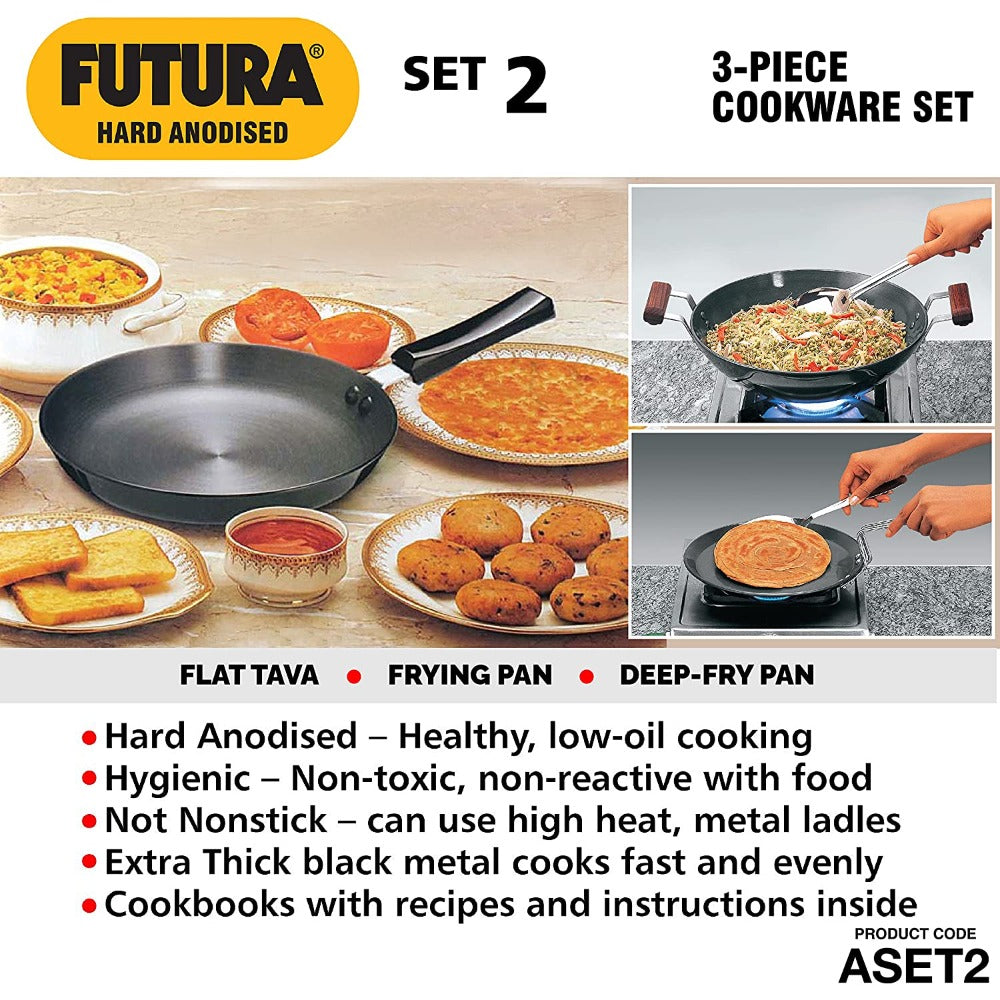
Credit: www.rasoishop.com
Comparing Nonstick Brands And Their Heat Tolerance
Not all nonstick pans are created equal. Some brands use thicker coatings or special materials that offer higher heat resistance. Here’s a comparison of popular nonstick brands and their stated maximum heat tolerance:
| Brand | Max Stovetop Temp | Max Oven Temp | Notes |
|---|---|---|---|
| T-fal | 400°F (204°C) | 350°F (176°C) | Popular entry-level |
| All-Clad | 500°F (260°C) | 500°F (260°C) | High-end, durable |
| GreenPan (Ceramic) | 450°F (232°C) | 600°F (315°C) | Ceramic coating |
| Calphalon | 450°F (232°C) | 450°F (232°C) | Mid-range, common |
Tip: Always check your pan’s instructions. The handle material often limits oven temperature more than the coating itself.
What Professional Chefs Do
Many professional chefs avoid nonstick cookware for high-heat tasks. In busy restaurant kitchens, pans are often heated quickly and used for searing or stir-frying—jobs that can ruin nonstick coatings. Instead, chefs use stainless steel or cast iron for these jobs, saving nonstick for delicate tasks like eggs or fish.
Pro insight: In most professional kitchens, nonstick pans are replaced often, sometimes every few months, because they’re considered a consumable tool, not a lifetime investment.
:max_bytes(150000):strip_icc()/Why-You-Should-Never-Cook-Non-Stick-Over-High-Heat-FT-BLOG0925-4ea98b24a3c84bfebeb2c92fe127d23c.jpg)
Credit: www.foodandwine.com
Environmental Concerns
When nonstick pans wear out, they often end up in landfills. PTFE is not biodegradable, and the manufacturing process has been criticized for its environmental impact. Some modern brands use ceramic coatings or “green” materials, but these also have limited lifespans.
Key point: The most eco-friendly option is to make your pans last as long as possible by using the right heat and caring for them properly.
Myths About Nonstick Cookware And High Heat
Let’s clear up some common myths:
- Myth: “If the pan is labeled nonstick, it’s safe at any temperature.”
Fact: All nonstick pans have temperature limits, and high heat will ruin them.
- Myth: “A little smoke is normal.”
Fact: If you see smoke, you’ve already overheated the pan.
- Myth: “Ceramic nonstick can handle any temperature.”
Fact: Ceramic coatings still break down at high heat.
Why Some Recipes Tell You To Use High Heat
Some recipes, especially for meats or stir-fry, call for high heat. This is to create a crisp crust or quick-cook vegetables. For these, use a pan designed for high temperatures—not nonstick. Save your nonstick for gentle cooking.
When To Replace Nonstick Pans
You should replace your nonstick pan if:
- The coating is chipped, scratched, or peeling.
- Food sticks even with oil.
- The pan is warped or uneven.
- It gives off a strange smell, even at low heat.
A good nonstick pan, used properly, should last 3–5 years.
Frequently Asked Questions
Can I Ever Use High Heat With Nonstick Cookware?
You should avoid high heat with all nonstick pans. They are designed for low to medium heat cooking. If a recipe requires high heat, use a stainless steel, cast iron, or carbon steel pan instead.
Is It Dangerous To Eat Food Cooked In A Scratched Nonstick Pan?
Small scratches are usually not dangerous, but if the coating is peeling or flaking, stop using the pan. Ingesting bits of nonstick coating is not healthy and means the pan is at the end of its life.
Why Do My Eggs Start Sticking To My Nonstick Pan?
This usually happens when the pan has been overheated, washed with harsh scrubbers, or is simply old. Try cooking at lower temperatures, using a small amount of oil, and always clean gently.
Can I Use Nonstick Pans In The Oven?
Some nonstick pans are oven-safe up to a certain temperature (usually 350–400°F). Check your pan’s label or instructions. Do not broil or bake above the recommended temperature.
What Is The Best Pan For Searing Meat?
For searing, use a cast iron or stainless steel pan. These handle high heat well and give you a better crust. Nonstick pans are not suitable for searing because the high temperature will ruin the coating.
—
Learning how to use nonstick cookware the right way will make your cooking safer, easier, and more enjoyable. Remember: low to medium heat is best, always use the right tools, and if you need high heat, reach for a pan designed for the job. Take good care of your nonstick pans, and they’ll serve you well for years.