
Washing a Patagonia Better Sweater might sound simple, but doing it right can make a big difference. If you love the cozy warmth and style of your Better Sweater, you probably want it to last for years. However, many people accidentally shrink, damage, or fade their favorite fleece because they do not follow the best cleaning steps. A little care goes a long way, and you can keep your jacket looking and feeling great with the right methods.
Let’s explore everything you need to know about washing and caring for your Patagonia Better Sweater. This guide gives clear, step-by-step instructions, practical tips, and answers to common questions, so you can wash your sweater with confidence and avoid mistakes that ruin other people’s fleeces.
Understanding Patagonia Better Sweater Material
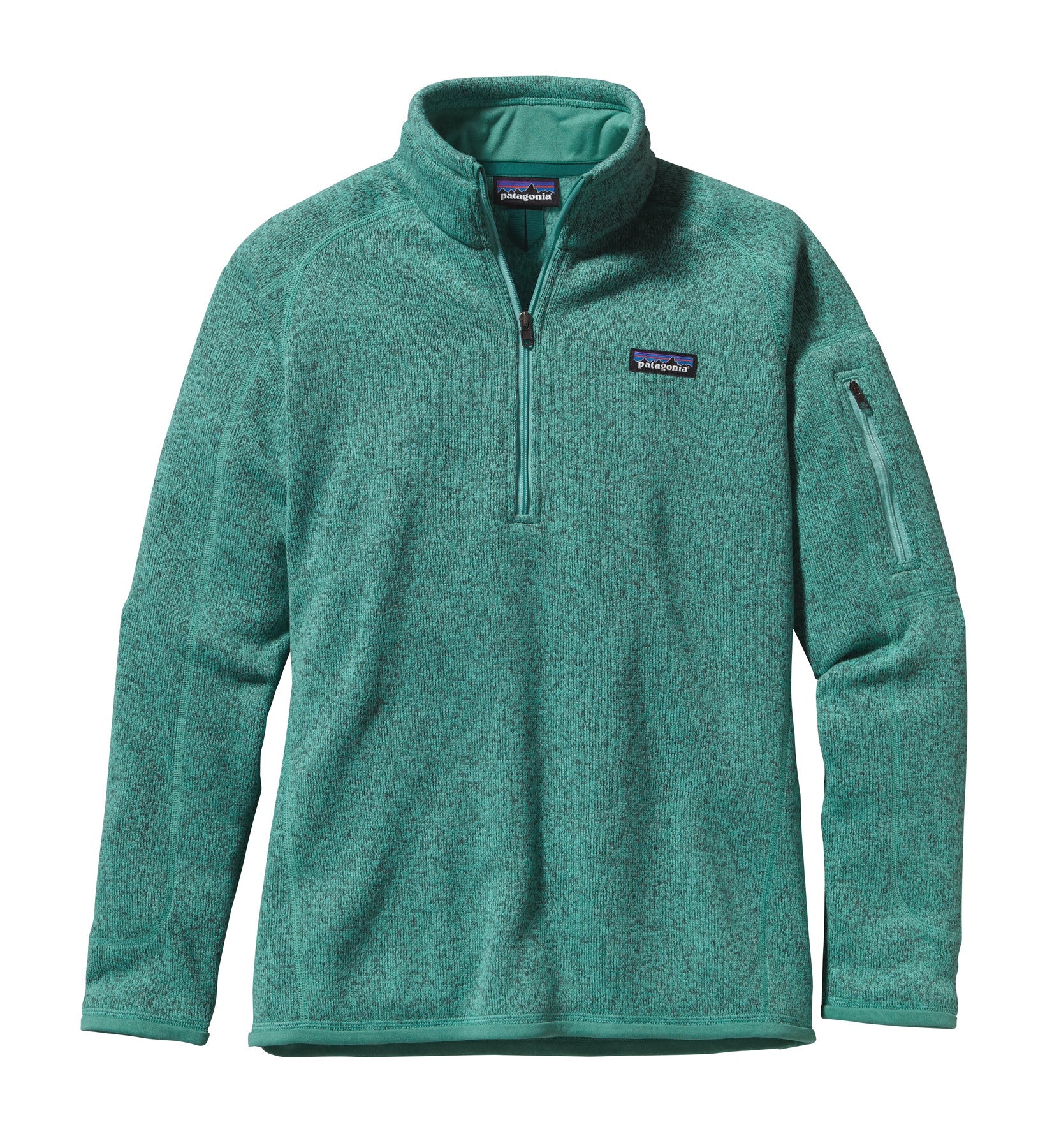
Before washing, it helps to know what makes the Better Sweater special. This jacket is made mostly from 100% recycled polyester fleece. The outside looks knitted, while the inside is brushed for softness. The material is designed for durability, warmth, and easy care, but it’s not indestructible.
Why does this matter? Polyester fleece can pill (form little balls of fuzz), shrink, or lose its shape if washed incorrectly. It also tends to attract lint and pet hair. The sweater might have extra details like zippers, trims, or mesh pockets, which need gentle treatment.
Understanding the fabric helps you avoid common washing mistakes.
Preparing Your Better Sweater For Washing
A little preparation before you wash can protect your sweater from damage and help it get cleaner.
1. Check The Care Label
Every Patagonia Better Sweater comes with a tag showing exact washing instructions. Always start here. The label usually says: “Machine wash cold, gentle cycle, do not bleach, tumble dry low, do not iron, do not dry clean.” If your sweater is old or missing the tag, these general rules still apply.
2. Empty Pockets And Close Zippers
Loose items in pockets can damage the inside or get lost. Close all zippers, snaps, and Velcro to avoid snagging and stretching.
3. Turn Inside Out
Washing inside out reduces pilling and keeps the outside looking new. It also lets water reach sweat or dirt trapped against your skin.
4. Remove Pet Hair And Lint
Use a lint roller or brush before washing. If you skip this step, hair and lint can stick more during washing.
5. Spot Clean Stains First
If you see oil, food, or mud stains, gently treat them before washing. Use a mild soap or a small drop of dish liquid. Rub lightly with a soft cloth—never scrub hard.
Choosing The Right Detergent
Not all laundry soaps are equal. The wrong detergent can leave residue, fade colors, or damage the fleece.
- Use mild, liquid detergent
Pick a gentle, fragrance-free, and dye-free detergent. Harsh chemicals can break down the fibers and harm the environment. Patagonia recommends products like Nikwax Tech Wash or similar options.
- Avoid fabric softeners and bleach
Fabric softeners coat fibers, making them less breathable and more likely to pill. Bleach can ruin color and weaken the fabric. Skip both for every wash.
- Use the right amount
Too much soap makes the sweater stiff and harder to rinse clean. Use the smallest amount needed for one load—usually a tablespoon or less.
Machine Washing Patagonia Better Sweater
Most people use the washing machine, but it’s important to choose the right settings and techniques. Here’s how to do it safely:
Step-by-step Machine Washing
1. Select The Gentle Cycle
Always use the gentle or delicate cycle. This spins slower and is less rough on the fleece.
2. Use Cold Water Only
Hot water can shrink and wear out polyester. Cold water cleans well and protects the fibers.
3. Wash With Similar Items
Wash your Better Sweater with similar colors and fabrics. Do not mix with towels, jeans, or anything rough that can cause pilling.
4. Don’t Overload The Machine
Give your sweater enough room to move, so it gets clean without stretching.
5. Extra Rinse If Needed
If your washer has an “extra rinse” option, use it. This removes all detergent, which can cause itchiness if left behind.
Can You Use A Front Load Or Top Load Machine?
Either machine works, but front loaders are often better for delicate clothes like fleece. Front loaders have no central agitator, so they pull and twist less. Top loaders with agitators can be rough and cause more pilling.
Here’s a quick comparison:
| Machine Type | Impact on Fleece | Best Practice |
|---|---|---|
| Front Load | Gentler, less pilling | Preferred |
| Top Load (no agitator) | Still gentle | Safe |
| Top Load (with agitator) | More rough, possible pilling | Use garment bag |
If you must use a top-loader with an agitator, place the sweater in a mesh laundry bag for extra protection.
Credit: wornwear.patagonia.com
Hand Washing Patagonia Better Sweater
Machine washing is easy, but hand washing is the safest choice for maximum life. It’s especially smart if your sweater is older, thin, or has fragile trim.
How To Hand Wash Step By Step
1. Fill A Basin Or Sink With Cold Water
Add a small amount of mild detergent. Swish to mix.
2. Turn Sweater Inside Out And Soak
Submerge the sweater and gently swirl for 1-2 minutes. Do not stretch or wring.
3. Spot Clean If Needed
Gently rub dirty spots with your fingers. Be soft to avoid fuzzing the fabric.
4. Soak For 10-15 Minutes
Let the sweater soak, but do not leave for hours—it can lose its shape.
5. Rinse Well
Drain the soapy water. Fill with clean cold water and rinse until all soap is gone. Repeat if needed.
6. Remove Excess Water
Press the sweater against the side of the basin to remove water. Never twist or wring.
When To Choose Hand Washing
- After hiking, camping, or heavy use
- When dealing with tough stains
- If your washing machine is rough or old
- For delicate or repaired sweaters
Drying Your Better Sweater
Drying is where most people make mistakes. Heat and rough handling can ruin the fit and feel.
Air Drying (best Method)
Patagonia recommends air drying as the safest way.
1. Lay Flat On A Clean Towel
After washing, reshape the sweater on a dry towel. Roll up the towel with the sweater inside and press gently to soak up water.
2. Lay Flat To Finish Drying
Move the sweater to a dry towel or a mesh drying rack. Shape the arms and body back to their original form. Let it dry away from direct sunlight or heat.
3. Allow Plenty Of Time
Air drying can take 12-24 hours. It prevents shrinkage and keeps the fleece fluffy.
Machine Drying: Is It Safe?
Tumble drying is not recommended, but it is possible if you are careful.
- Use lowest heat only
Set the dryer to “low” or “air fluff. ” High heat will shrink and damage the polyester.
- Remove while slightly damp
Take the sweater out before it is completely dry. Lay flat to finish drying.
- Check for pilling
Machine drying causes more pilling over time. Only use the dryer in emergencies.
Here’s a quick look at the pros and cons:
| Drying Method | Pros | Cons |
|---|---|---|
| Air Dry (flat) | No shrinkage, preserves shape | Slower, needs space |
| Tumble Dry (low) | Faster | Risk of shrinking, more pilling |
Dealing With Pilling
Pilling is common with polyester fleece, especially after several washes. Pills are those small balls of fuzz that appear on the surface. They don’t mean your sweater is ruined, but they can make it look old.
How To Remove Pills Safely
- Fabric shaver or sweater stone
Use a battery-operated fabric shaver or a special sweater stone. Move gently in one direction. Do not press hard.
- Avoid scissors or razors
These can cut the fabric and make holes.
- Wash inside out
This simple trick reduces pilling over time.
- Wash with similar fabrics only
Rough fabrics like jeans or towels cause pilling.
Preventing Pilling
- Use the gentle cycle and cold water.
- Always turn the sweater inside out.
- Air dry instead of tumble dry.
- Wash with similar lightweight clothes.
Removing Odors
Sometimes, your sweater might keep a smell even after washing. Sweat, campfire smoke, or mildew can be stubborn. Here’s what you can do:
1. Vinegar Soak
Add 1/2 cup of plain white vinegar to the rinse cycle. Vinegar neutralizes many odors but leaves no smell after drying.
2. Baking Soda Boost
Sprinkle a tablespoon of baking soda into the wash. It helps absorb and remove odors.
3. Sunlight (limited Time)
For a natural deodorizer, lay your sweater in indirect sunlight for 1-2 hours. Too much sun can fade colors, so do not leave it all day.
4. Double Rinse
If odors remain, run another rinse cycle to fully remove all detergent.
Credit: polienvasestransparentes.com
Stain Removal Tips
Stains need quick action for the best results. The longer you wait, the harder they are to remove.
- Food or drink stains
Blot with cold water, then gently rub with a drop of mild detergent. Rinse and wash as usual.
- Oil or grease
Sprinkle with baking soda and let sit for 10 minutes. Brush off powder, then wash.
- Mud or dirt
Let dry, then brush off loose dirt. Treat with gentle soap and wash.
- Ink or marker
Dab with rubbing alcohol on a cotton swab, then rinse and wash.
Never use bleach or harsh stain removers. Always test on a hidden area first to avoid color loss.
Caring For Zippers, Trims, And Details
The Better Sweater might have zippers, elastic cuffs, or mesh pockets. These parts need gentle care.
- Zip up before washing
This prevents snags and keeps the zipper in good shape.
- Avoid ironing
High heat can melt zippers and elastic.
- Check for loose threads
Trim with scissors—never pull.
- Use a laundry bag
For sweaters with lots of details, use a mesh laundry bag in the wash.
How Often Should You Wash A Better Sweater?
Many people overwash their fleece. Frequent washing wears out the fabric faster and causes more pilling.
- Every 4-6 wears is enough for most people.
- Wash sooner if the sweater is visibly dirty, has a strong odor, or after outdoor adventures.
- Air out between wears by hanging in a cool, dry place.
Washing less often keeps your sweater looking new and saves water and energy.
Storage Tips To Keep Your Better Sweater Fresh
Good storage prevents wrinkles, stretching, and odors.
- Fold, don’t hang
Hanging can stretch the shoulders and neck.
- Store in a cool, dry place
Avoid damp basements or hot attics.
- Keep away from moths and pests
Clean before storing for the season, and add cedar chips or a lavender sachet if needed.
- Don’t use vacuum bags
Compression can crush the fleece.
Patagonia’s Repair And Recycle Program
If your sweater gets a hole, broken zipper, or heavy wear, you do not need to throw it away. Patagonia offers a repair and recycle program. You can send damaged items to Patagonia for repair or recycling. This extends the life of your sweater and keeps waste out of landfills.
Learn more at the official Patagonia website: Patagonia Repairs & Care.
Environmental Impact Of Washing Fleece
Washing polyester fleece can release microfibers—tiny plastic fibers—into the water. These can reach rivers and oceans, harming wildlife. Here’s how you can reduce your impact:
- Use a Guppyfriend bag or filter
These special bags or filters catch microfibers during washing.
- Wash less often
Fewer washes mean fewer fibers in the water.
- Use cold water and gentle cycles
This reduces fiber shedding.

Credit: bettertrail.com
Common Mistakes To Avoid
Many people make the same errors that damage their Better Sweater. Avoid these to keep yours looking great:
- Using hot water
- Washing with rough clothes (like jeans or towels)
- Using too much detergent or softener
- Drying with high heat
- Hanging to dry by the shoulders
- Skipping the care label
- Ignoring stains before washing
Each of these can cause shrinking, pilling, fading, or stretching.
Real-life Example: Washing Gone Wrong
A Patagonia owner threw her Better Sweater into a hot water wash with jeans and towels. She used regular detergent and dried on high heat. The result? The sweater shrank, the color faded, and pilling appeared everywhere. She could not return it or fix the damage.
The lesson: Small steps make a big difference. A few minutes of careful washing keeps your sweater looking and feeling new for years.
Quick Reference: Washing And Drying Steps
Here’s a summary you can use every wash day:
- Check care label
- Empty pockets, zip up, turn inside out
- Wash with similar items on gentle cycle, cold water
- Use mild detergent, no softener or bleach
- Air dry flat (preferred) or tumble dry low briefly
- Remove pills as needed
Comparing Better Sweater Care To Other Fleece Jackets
How does caring for a Patagonia Better Sweater compare to other brands? Here’s a look:
| Brand | Material | Washing Instructions | Drying Instructions |
|---|---|---|---|
| Patagonia Better Sweater | 100% recycled polyester fleece | Cold, gentle cycle, mild detergent | Lay flat to dry |
| Columbia Fleece | Polyester microfleece | Cold, gentle or regular cycle | Tumble dry low or air dry |
| The North Face Denali | Recycled polyester fleece with nylon overlays | Machine wash cold, gentle | Air dry or tumble dry low |
| Arc’teryx Covert Cardigan | Polyester fleece | Machine wash cold, gentle | Lay flat to dry |
Most fleece jackets need similar care, but always check the label for special rules. The key is gentle washing, cold water, and careful drying.
Non-obvious Insights For Sweater Longevity
1. Use A Lint Roller After Drying
Even after washing, some lint or hair may remain. A quick roll keeps the sweater looking sharp and removes fibers that cause pilling.
2. Rotate Sweaters
If you have more than one fleece, rotate them. This reduces wear on any single piece and extends the life of each.
3. Wash Alone For Heavy Soiling
If your sweater is very dirty, wash it by itself. This prevents dirt from rubbing onto other clothes and avoids extra pilling.
Frequently Asked Questions
How Do I Wash My Patagonia Better Sweater If It Has A Wool Blend?
Some versions have a polyester-wool blend. Treat these as even more delicate: cold water, gentle detergent, and always air dry. Wool can shrink and felt if heated or agitated. Avoid tumble drying and use a mesh laundry bag if machine washing.
Is It Safe To Use Stain Removers On A Better Sweater?
Most commercial stain removers are too strong for fleece. Stick with mild soap, gentle dish liquid, or diluted vinegar for spot cleaning. Always test a small area first to check for color changes.
What Should I Do If My Better Sweater Shrinks?
If your sweater shrinks, soak it in cold water with a small amount of hair conditioner for 15 minutes. Gently stretch it back to shape and lay flat to dry. This can sometimes help relax the fibers, but results vary.
Can I Dry-clean My Better Sweater?
No, Patagonia does not recommend dry cleaning. The chemicals can damage the fleece and are bad for the environment. Stick to home washing with mild detergent.
How Do I Recycle My Old Better Sweater?
Patagonia runs a recycling program. Bring your old item to a Patagonia store or mail it in. They will recycle the fabric into new products, supporting a closed-loop system. Learn more at Patagonia Recycle.
Washing your Patagonia Better Sweater the right way keeps it soft, warm, and looking fresh season after season. With a little care, you can enjoy your favorite fleece for many years, help the environment, and avoid common mistakes that ruin other people’s jackets.
Treat your Better Sweater well, and it will return the favor every time you wear it.