
Snakes in the ceiling can turn your home from a peaceful place into a source of stress and fear. You may hear strange noises above your head or find unexpected snake skins or droppings. For many people, this is not just a worry—it’s a real safety concern.
The idea of snakes living right above your family, close to bedrooms and living spaces, can keep you up at night. But the truth is, you are not alone. Many homeowners in the US, Australia, India, and other countries face this problem, especially in older houses or those near open land.
This guide will walk you through everything you need to know about how to get rid of snakes in the ceiling. You will learn why snakes enter ceilings, how to identify their presence, what risks they pose, and step-by-step methods to remove them safely. We’ll cover both DIY solutions and when to call professionals. You’ll also find advice to prevent snakes from returning, plus practical tips and common mistakes to avoid. Whether you want fast action or a long-term strategy, this article gives you the full picture.
Why Snakes Get Into Ceilings
Understanding why snakes enter your ceiling is the first step to solving the problem. Snakes do not go into homes out of curiosity—they are searching for food, warmth, or shelter. Ceilings provide a hidden, quiet space, often with access to rodents or birds. In older homes, gaps, cracks, or broken vents give snakes easy entry. In rural or suburban areas, homes near fields, forests, or water sources are especially at risk.
Sometimes, your house might have attic clutter or insulation that creates perfect hiding places. Unused chimneys, open soffits, or unsealed roof joints are common entry points. In colder months, snakes seek warmth, and attic spaces above heated rooms are attractive. If your ceiling has easy access from trees or overhanging branches, snakes can enter from above.
Identifying Snake Activity In The Ceiling
Before you act, you need to confirm that there really are snakes in the ceiling. Mistaking rats, squirrels, or even wind noises for snakes is common. Here’s how to identify snake presence:
- Unusual sounds: Listen for slithering, soft scraping, or intermittent movement, especially at night.
- Shed skins: Snakes molt, leaving papery, translucent skins. Finding one in your attic or ceiling cavity is a clear sign.
- Droppings: Snake feces look like long, dark, moist droppings, sometimes with fur or bones (if they eat rodents).
- Strong odors: A musky or rotten smell can indicate a snake’s hiding place or a trapped, decomposing animal.
- Entry points: Check for small holes, vents, or gaps near the roofline, especially if you notice tracks or rub marks.
If you are still not sure, use a flashlight to inspect the attic or ceiling void. Look for movement along rafters, corners, and dark spaces. Sometimes, using a wildlife camera can give clear evidence.
Are Snakes In The Ceiling Dangerous?
Not all snakes are dangerous, but any wild snake inside your home is a risk. Some species are venomous, while others can bite defensively or carry parasites. The risk depends on your area. In the US, for example, rat snakes and garter snakes are common but usually harmless. In Australia, you may face brown snakes, which are highly venomous.
Children, elderly people, and pets are especially vulnerable. Even non-venomous snakes can cause bites, allergic reactions, or panic. If a snake falls through a light fixture or ceiling vent, it can startle anyone. It’s also possible for snakes to damage wiring or insulation as they move around.
Two common mistakes homeowners make:
- Ignoring the problem, hoping the snake will leave on its own (it rarely does).
- Trying to remove a snake without knowing if it is venomous.
First Steps: What To Do Immediately
If you suspect or confirm a snake in the ceiling, take these steps right away:
- Stay calm. Do not try to poke, hit, or disturb the ceiling.
- Keep children and pets away from the area.
- Seal off the room if possible, closing doors and blocking gaps under them with towels.
- Do not use fire, poison, or harsh chemicals. These are dangerous and may drive the snake deeper.
- Avoid blocking exits to the outside. Snakes may try to leave if given a quiet path.
If you see the snake and know it’s non-venomous, you may try gentle removal. Otherwise, move to the next steps.

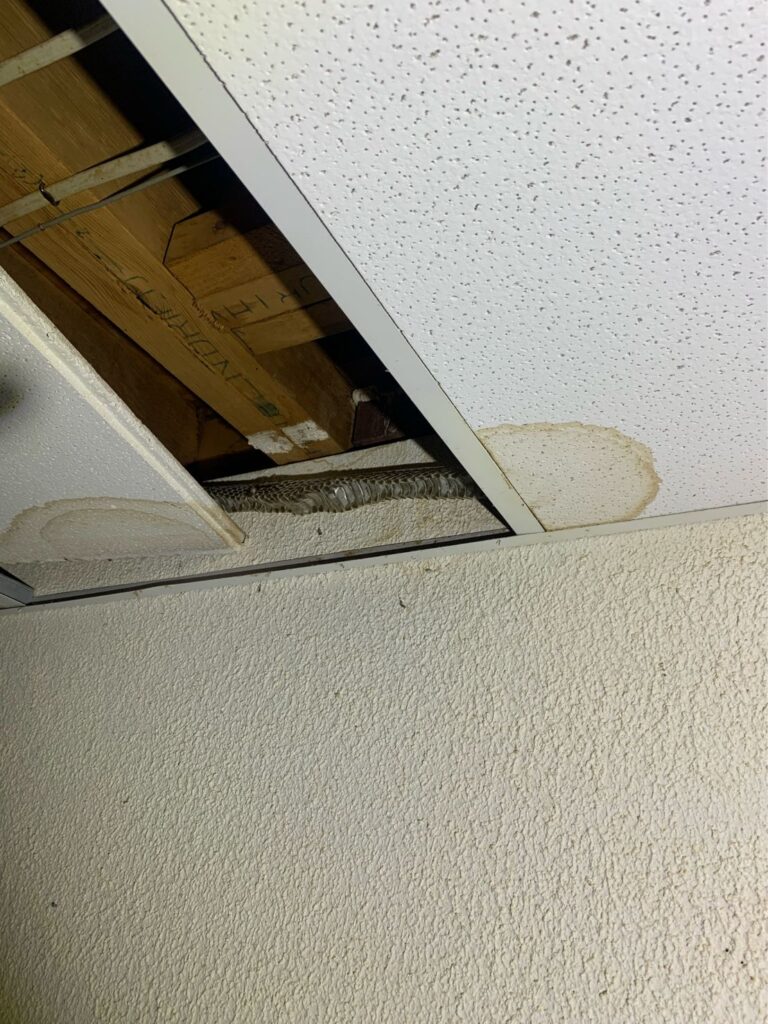
Credit: www.reddit.com
How To Find And Locate The Snake
Locating a snake in the ceiling is often the hardest part. Snakes can hide in insulation, under boards, or inside ductwork. These methods can help:
- Listen at quiet times, especially at dusk or dawn when snakes are active.
- Use a flashlight to check attic corners, around pipes, and near vents.
- Look for shed skins along ceiling joists or insulation.
- Check for droppings near potential entry points.
- Tap gently on the ceiling and listen for movement.
If you have access to the attic, use a thermal camera (often available for rent) to spot warm-bodied animals. Sometimes, placing a shallow pan of flour near suspected entry points can reveal tracks.
Safe Diy Removal Techniques
If you are confident the snake is non-venomous and accessible, you may try these DIY removal methods:
1. Catching With Snake Tongs Or Hooks
Use a pair of snake tongs (long-handled gripping tools) or a snake hook. Wear thick gloves, long sleeves, and boots. Approach the snake slowly, grip it gently behind the head, and place it in a secure bucket with a lid. Release it far from your home.
2. Setting A Snake Trap
Buy a commercial snake trap (glue board or funnel type). Place it near the suspected path in the ceiling cavity. Check traps twice daily. Wear gloves to handle and release captured snakes.
3. Using A Snake Repellent
Some natural repellents (like sulfur, clove oil, or naphthalene) can be sprinkled in the attic. These may irritate snakes and encourage them to leave, but results are mixed.
4. Encourage Exit With Light Or Noise
Snakes prefer dark, quiet areas. Placing a bright lamp or playing a loud radio in the attic for several days may drive them out. Seal all but one exit so the snake has a clear way out.
5. Remove Attractants
Eliminate food sources by setting rodent traps or cleaning up bird nests. Snakes often follow prey into ceilings.
Diy Removal Comparison
Here’s a side-by-side look at common DIY methods for snake removal:
| Method | Effectiveness | Safety Level | Cost |
|---|---|---|---|
| Snake Tongs/Hook | High (if visible) | Medium | $$ |
| Snake Trap | Medium | High | $ |
| Repellents | Low/Medium | High | $ |
| Light/Noise | Low | High | $ |
Important Warnings For Diy Methods
- Never try to catch a snake by hand unless you are trained.
- Do not use glue traps if you cannot check them frequently; snakes can die a slow, painful death.
- Identify the snake before handling. Many harmless snakes look similar to venomous ones.
When To Call A Professional
Not all snake situations are safe for DIY. Call a licensed pest control expert if:
- You are unsure if the snake is venomous.
- The snake is not visible or cannot be reached.
- There are multiple snakes, indicating a nest.
- You have small children, elderly people, or pets at home.
- Local laws require professional removal.
Professionals use snake scopes, special traps, and protective gear. They can also check for nests, eggs, or multiple entry points.
Cost And Services: What To Expect
Professional removal costs range from $150 to $500, depending on location, species, and difficulty. Some companies offer snake-proofing services as well.
Here’s how professional snake removal compares to DIY:
| Factor | DIY | Professional |
|---|---|---|
| Safety | Medium | High |
| Success Rate | 50-70% | 95%+ |
| Cost | $10-$80 | $150-$500 |
| Guarantee | No | Yes (often) |
Professional help is especially important if you live in an area with protected or threatened snake species, as handling them may be illegal for unlicensed people.
How To Prevent Snakes From Returning
Removing one snake does not mean your ceiling is safe forever. Prevention is the key to long-term peace of mind. These steps will help keep snakes out for good:
1. Seal Entry Points
Inspect your home’s exterior, especially around the roofline, eaves, vents, and pipes. Use steel mesh or caulk to seal gaps larger than 1/4 inch. Repair broken tiles or siding.
2. Clear Yard Debris
Snakes love to hide in piles of wood, leaves, or rocks. Keep your yard clean, especially near walls and foundations.
3. Trim Trees And Bushes
Overhanging branches give snakes easy access to your roof. Trim trees at least 6-8 feet away from the house.
4. Install Screens On Vents
Use fine-mesh screens on attic vents, chimneys, and soffits. Check these regularly for damage.
5. Remove Food Sources
Control rodents and birds, as they attract snakes. Store pet food in sealed containers and clean up spills quickly.
6. Use Snake Repellents (with Caution)
Some homeowners use sulfur granules or commercial repellents around foundations. These have mixed results but may help in high-risk areas.
7. Regular Inspections
Inspect your attic and ceiling space twice a year, especially before and after winter. Look for new holes, droppings, or skins.
8. Educate Family Members
Teach children and family not to disturb snakes or enter attic spaces alone.
Prevention Methods Compared
Here’s a quick look at which prevention steps offer the best long-term results:
| Prevention Method | Effectiveness | Maintenance Required |
|---|---|---|
| Seal Entry Points | Very High | Low |
| Clear Debris | High | Medium |
| Trim Trees | High | Yearly |
| Vent Screens | Very High | Low |
| Repellents | Low/Medium | High |
Common Mistakes To Avoid
Many homeowners make errors that can make the problem worse or put them at risk. Avoid these pitfalls:
- Ignoring the problem: Hoping the snake will leave rarely works.
- Blocking exits: Trapping a snake inside can make it aggressive or lead to death and strong odors.
- Using poison: Not only is this illegal in many places, but it can also be dangerous to pets, children, and beneficial animals.
- Trying to smoke out snakes: Fire is a serious risk and usually ineffective.
- Relying on myths: Mothballs, ultrasonic devices, and “snake charmers” rarely work as claimed.
- Improper identification: Handling a venomous snake by mistake can be fatal.
Special Cases: Dealing With Nests Or Multiple Snakes
Finding more than one snake or a nest in your ceiling is a different challenge. Snakes may lay eggs in warm, safe spaces. If you see multiple snakes, shed skins of different sizes, or eggs (white, leathery, about 1 inch long), do not try DIY removal.
Call a professional immediately.
Removing a nest is tricky because disturbing eggs or young snakes can scatter them into other parts of your house. Professionals can remove the nest, check for remaining eggs, and snake-proof your home.
Credit: www.trutechinc.com
Legal And Ethical Considerations
Some snake species are protected by law in the US, UK, Australia, and other countries. Killing, capturing, or relocating them without a permit can result in fines. Always try to remove snakes alive and unharmed. Most pest control companies use humane methods.
If you live in a region with threatened or endangered snakes, contact your local wildlife department for advice. They can offer guidance or send a licensed handler.
How To Clean Up After Snake Removal
Once the snake is gone, cleaning and sanitizing your ceiling space is important. Snakes can leave behind droppings, shed skins, and parasites. Here’s what to do:
- Wear gloves and a mask to avoid contact with feces or shed skin.
- Remove all debris from the attic or ceiling.
- Vacuum or sweep the area thoroughly.
- Disinfect with a mild bleach solution (1 part bleach to 10 parts water).
- Check for damage to insulation, wiring, or wood.
- Repair any holes or cracks to prevent re-entry.
This step is often overlooked, but it helps prevent disease and signals to other snakes that the area is not suitable for nesting.
Real-world Example: A Family’s Experience
In Texas, the Johnson family heard scratching and soft thuds above their kitchen. At first, they thought it was rats, but after finding a snake skin in the attic, they realized the truth. Using a thermal camera, they spotted a rat snake curled near the vent. They sealed all entry points except one, placed a commercial snake trap, and within two days, caught the snake. A professional was called to check for more snakes and repair damaged vents.
Their biggest mistake? Ignoring the first signs for weeks, which allowed the snake to settle in. Their advice: act quickly, stay calm, and always check for more than one snake.
When Snakes Keep Coming Back
If you have repeated snake problems, consider these less obvious causes:
- New construction nearby driving snakes from their natural habitat.
- Persistent rodent issues inside your home.
- Structural problems in your roof or attic that are hard to spot.
- Nearby water sources attracting both prey and snakes.
A wildlife control expert can inspect your property for hidden risks and offer long-term solutions.
Credit: www.victorpest.com
When To Involve Local Authorities
In rare cases, you may need help from animal control or your local wildlife department. This is true if:
- A venomous or protected snake species is present.
- The snake enters living spaces or public areas.
- You or your family have been bitten.
Local authorities have the training and legal powers to handle high-risk situations.
Frequently Asked Questions
What Attracts Snakes To The Ceiling In The First Place?
Snakes enter ceilings for food, warmth, and shelter. Rodents, birds, or even insects in the attic attract snakes. Gaps, cracks, and overhanging branches make it easy for them to get inside.
Are There Any Effective Home Remedies To Get Rid Of Snakes?
Some people use sulfur, clove oil, or naphthalene as repellents, but these work inconsistently. The best remedy is to seal entry points, remove food sources, and keep your attic clear. Home remedies are rarely as reliable as physical barriers and traps.
How Do I Know If The Snake Is Venomous?
Venomous snakes often have triangular heads, slit-like pupils, and distinct color patterns, but some harmless species look similar. If you are not sure, do not approach. Take a clear photo from a distance and consult an expert or visit a trusted resource like National Geographic.
Can Snakes Damage My House?
While snakes rarely cause structural damage, they can chew on wires (more often rodents do this), contaminate insulation, and leave behind droppings. Their presence can also attract more pests or spread parasites.
What Should I Do If A Snake Falls Through The Ceiling Into My Living Space?
Stay calm, keep pets and children away, and close the room if possible. Open an exterior door or window, and use a broom or long object to gently guide the snake outside if it is non-venomous. Otherwise, call a professional immediately.
Getting rid of snakes in the ceiling is a process that requires patience, knowledge, and the right tools. By understanding why snakes enter, how to identify and remove them, and how to prevent future invasions, you can protect your home and family. Remember: act quickly, avoid common mistakes, and never take unnecessary risks. For most people, a combination of prevention, DIY methods, and professional help is the best solution. If you need more information about snakes and wildlife control, check reliable sources like National Geographic.
Your home should be a place of comfort—not a hiding spot for snakes. Take action today for a safer, snake-free ceiling.