
Microfiber hair towels have become a must-have for people who want healthy, shiny hair. These towels are known for their quick-drying abilities and gentle touch. But to keep them working well, you need to wash them correctly. Many people damage their microfiber towels without realizing it, leading to less absorbency and frizzier hair.
If you want your towel to last for years and continue giving you salon-quality results at home, it’s important to learn the right washing techniques. This guide will show you every detail about how to wash microfiber hair towels, avoid common mistakes, and make the most out of your investment.
Caring for microfiber may sound complicated at first, but once you understand the basics, it becomes a simple habit. The little details—like the type of detergent, how you dry the towel, and even how you store it—can make a big difference in how your towel performs.
In the next sections, you’ll discover not just the “how,” but also the “why” behind each step, so you’re always confident in your microfiber care routine.
Why Microfiber Hair Towels Need Special Care
Microfiber is different from cotton or regular towels. The fibers are much smaller—100 times finer than human hair. This unique structure helps microfiber absorb more water and reduce drying time. However, these fine fibers are also sensitive. The wrong wash can clog the fibers, cause them to break, or make the towel less soft.
If you treat your microfiber towel the same way as a regular bath towel, you might be ruining its benefits without knowing it.
One non-obvious fact is that microfiber towels can lose their absorbency if washed with fabric softeners or heavy detergents. Another point many miss: washing with other fabrics, especially cotton, can fill the towel with lint and reduce its quality. Understanding these details is key to keeping your microfiber hair towel in top shape.
What many people don’t realize is that the microscopic hooks in the microfiber structure work like tiny scoops, grabbing water, oil, and even bacteria. If these hooks are coated with residue or clogged with lint, they lose their effectiveness. Also, harsh washing can cause the fibers to fray, making the towel feel rough and scratchy against your hair and scalp.
Over time, this can lead to more split ends and less shine.
What Makes Microfiber Hair Towels Different
Before jumping into the washing process, it’s useful to know what sets microfiber hair towels apart:
- Fiber size: Microfiber is made from synthetic materials like polyester and polyamide. The fibers are ultra-fine, which means they can trap water quickly and hold onto it.
- Absorbency: Microfiber towels can absorb up to seven times their weight in water.
- Texture: The surface is very smooth, which helps reduce friction and prevent hair breakage.
- Drying time: Because of their structure, these towels dry much faster than cotton towels.
- Durability: With proper care, a microfiber towel can last for years.
These differences are why the washing method matters so much.
Another thing that sets microfiber apart is its lightweight feel. Even when soaking wet, microfiber towels are much lighter than cotton, making them more comfortable for wrapping hair or for travel. They’re also less likely to stretch out of shape or become heavy and saggy with repeated washes.
Plus, microfiber resists mildew better than many natural fabrics, but only if it’s washed and dried correctly. Improper care can lead to persistent smells or bacteria growth, which is why following the right steps is so important.
Preparing To Wash Microfiber Hair Towels
Washing a microfiber towel the right way starts before you even turn on your washing machine. Here’s what you should do:
1. Read The Care Label
Every brand has its own instructions. Look for details like recommended water temperature, washing cycle, and drying method. Ignoring the label can void your warranty or damage the towel.
Some microfiber towels include specific warnings, such as “no ironing” or “no dry cleaning. ” These rules exist for a reason—ignoring them can lead to melted fibers or permanent damage. Brands may also mention which detergents to avoid or suggest the best way to handle stubborn stains.
2. Shake Out Debris
Shake your towel to remove hair, dust, or other particles. Debris can get trapped in the fibers during washing, making the towel less effective.
If you use styling products, make sure to brush off any dry flakes or residue before washing. Tiny particles, like sand or makeup powder, are often trapped in the towel’s fibers and can scratch or dull the fabric if not removed first.
3. Separate From Other Laundry
Always wash microfiber towels separately. Washing them with cotton towels or clothing can lead to lint transfer and decrease absorbency.
Even athletic wear, which seems lint-free, can have microfibers that stick to your towel. To be extra safe, wash all microfiber items together in their own load. This also prevents color transfer, which can happen if you wash brightly colored clothes with a light microfiber towel.
4. Avoid Washing With Lint-producing Fabrics
Keep microfiber away from wool, cotton, or fleece in the washing machine. Lint sticks to microfiber and is difficult to remove.
If lint does get onto your towel, it can be almost impossible to remove completely without special tools. Even a lint roller may not work well, and picking at the fibers can weaken them. If you’ve ever noticed your towel getting less soft or more “fuzzy” after a wash, lint contamination is often the cause.
5. Close Fasteners
If your towel has buttons, loops, or Velcro, fasten them. This prevents snags and maintains the towel’s shape.
Unfastened loops can get caught in the washing machine’s agitator or wrap around other items, causing stretching or tearing. For towels with elastic bands, try turning them inside out before washing for extra protection.
Choosing The Right Detergent
The choice of detergent can make or break your microfiber towel. Many people use whatever detergent they have at home, but this can be a mistake.
Best Detergents For Microfiber
- Mild liquid detergent: Look for detergents that are gentle and free of additives.
- No fabric softeners: These coat the fibers and block absorbency.
- No bleach: Bleach can damage the delicate synthetic fibers.
- No fragrance or dye: These can leave residues and irritate the scalp.
Some eco-friendly detergents that are marked “biodegradable” or “natural” can also be a good choice, as long as they don’t include oils or fabric softening ingredients. Always check the label for words like “softener,” “conditioner,” or “enzyme,” and avoid them.
Detergent Dos And Don’ts
- Use less detergent than you would for regular towels. Too much soap can get trapped in the fibers.
- Never use powder detergent, as it may not dissolve fully and can clog the towel.
If you’re unsure, many microfiber towel brands recommend “free and clear” or baby laundry detergents.
A handy tip: If you ever notice your towel feeling slippery or not absorbing well, try washing it again with no detergent at all. This “rinse cycle” can help remove leftover soap buildup.
How To Wash Microfiber Hair Towels: Step-by-step
Now, let’s break down the washing process into easy steps.
Step 1: Sort And Prepare
- Only wash microfiber towels together.
- Make sure to shake out any loose hair or debris.
- Fasten any buttons or loops.
If your towel is heavily soiled, you can pre-soak it in a basin with cool water and a drop of mild detergent for 15–20 minutes before machine washing.
Step 2: Choose The Right Water Temperature
- Use cold or warm water (not hot).
- Hot water can melt or damage synthetic fibers over time.
Warm water (not above 40°C/104°F) is best for removing oils and hair products, but cold is gentler for everyday washes. If your towel is stained, pre-treat the stain with a small amount of detergent before washing.
Step 3: Select The Wash Cycle
- Use a gentle or delicate cycle.
- Heavy agitation can stretch or break the microfiber.
If you have an option for “hand wash” or “synthetics,” this is usually even better. The goal is to avoid harsh spinning or long wash times that can break down the fibers.
Step 4: Add Detergent
- Use a small amount of mild liquid detergent.
- Do not use bleach, fabric softener, or strong fragrances.
Overdosing detergent is a common mistake. Half the usual amount is usually enough for microfiber. If you have hard water, consider adding an extra rinse to remove all soap residue.
Step 5: Start The Wash
- Let the machine run its cycle.
- If your washer has an extra rinse option, use it to ensure all detergent is removed.
After washing, check if the towel feels slippery or leaves water on the surface instead of absorbing it. If so, run another rinse cycle.
Step 6: Check The Towel
- After washing, inspect the towel. It should feel clean, soft, and lint-free.
If you spot any stubborn stains, treat them by hand with a bit of mild detergent and rinse again. Never scrub with a brush, as this can damage the fibers.
How Often Should You Wash Microfiber Hair Towels?
Washing frequency depends on how often you use the towel and your hair type.
- Daily users: Wash once or twice a week.
- Occasional users: Wash after every 3–4 uses.
- Oily hair or heavy product use: Wash after each use to avoid buildup.
A common mistake is waiting too long to wash the towel. Oils, hair products, and residue can quickly reduce the towel’s absorbency and cleanliness.
If you exercise frequently, swim, or use leave-in treatments, washing your towel more often helps prevent smells and buildup. For people with sensitive skin or scalp conditions, frequent washing can also help prevent irritation or breakouts.
Drying Microfiber Hair Towels The Right Way
Drying is just as important as washing. The wrong drying method can ruin the towel’s softness and shape.
Air Drying
Air drying is the safest method. Hang the towel on a line or rack in a well-ventilated area. Make sure it hangs flat so it dries evenly. Avoid direct sunlight, which can weaken the fibers over time.
If you live in a humid area, you may need to use a fan or open window to speed up drying. Never bunch or twist the towel when drying, as this can cause it to lose its shape.
Machine Drying
If you prefer to use a dryer, follow these rules:
- Use low heat or air fluff settings only.
- Never use dryer sheets. These coat the fibers and reduce absorbency.
- Do not mix with lint-producing items in the dryer.
For best results, remove the towel as soon as the cycle ends to prevent static. If you notice any static, gently shake the towel to release it. Some people add a clean tennis ball to the dryer to help fluff the towel and reduce drying time.
Comparing Air Drying Vs. Machine Drying
Here’s a quick comparison to help you decide:
| Method | Pros | Cons |
|---|---|---|
| Air Drying | – No heat damage – Preserves towel shape – No lint problems | – Takes longer – Needs space |
| Machine Drying | – Fast – Convenient | – Risk of heat damage – Possible lint transfer if not careful |
A little-known tip: If your towel feels stiff after air drying, toss it in the dryer for 3–5 minutes on low or air fluff—without dryer sheets—to soften it up.
Common Washing Mistakes To Avoid
Many people shorten the lifespan of their microfiber towels by making these errors:
- Using fabric softeners: This is the biggest mistake. Softeners coat the fibers and block absorbency.
- Washing with cotton towels: Lint from cotton will stick to microfiber and is hard to remove.
- Using hot water: High heat can melt fibers and change the towel’s texture.
- Using too much detergent: Excess detergent gets trapped and reduces effectiveness.
- Skipping the extra rinse: Leftover soap can clog the fibers.
- Drying with dryer sheets: These leave residue and make towels less absorbent.
A non-obvious error is using vinegar or baking soda with microfiber. While these are great for cotton, they can damage microfiber over time.
Another mistake is using strong stain removers or enzyme cleaners, which can break down the synthetic fibers. People also often wring or twist their towels to remove water—this can stretch or break the delicate threads, especially if done repeatedly.
If you ever notice your towel no longer absorbing water as it should, review your washing routine to spot where you might be going wrong.

Credit: www.crownaffair.com
Deep Cleaning Microfiber Hair Towels
Over time, your towel may lose its absorbency even with regular care. Deep cleaning can help restore its performance.
Signs Your Towel Needs Deep Cleaning
- The towel feels less soft or absorbent.
- There is a musty smell even after washing.
- The towel looks dull or has buildup.
If you notice the towel “pushing” water around instead of soaking it up, or if it feels greasy, these are clear signs of product or detergent buildup.
How To Deep Clean
- Fill a basin or sink with warm water.
- Add a small amount of mild detergent.
- Soak the towel for 30–60 minutes.
- Gently agitate the towel with your hands.
- Rinse thoroughly with clean water until no suds remain.
- Air dry or tumble dry on low heat.
If the towel still feels clogged, repeat the process or use a gentle “free and clear” detergent.
For stubborn buildup, some people use a tiny amount of white vinegar (one tablespoon per gallon of water), but only for deep cleaning—never as a regular wash. Vinegar can help break down buildup, but using it too often will weaken the fibers.
Stain Removal From Microfiber Hair Towels
Hair products, dyes, or makeup can leave stains. Here’s how to remove them without harming the towel:
- Act quickly: The sooner you treat a stain, the better.
- Use a mild stain remover: Test in a small area first.
- Avoid bleach: Bleach weakens synthetic fibers.
- Gently rub the stain: Use your fingers, not brushes or rough cloths.
- Rinse well: Make sure all cleaning agents are removed.
Some stains may not come out completely, but with gentle treatment, you can minimize damage.
For oily stains, sprinkle a bit of cornstarch or talcum powder on the spot before washing. Let it sit for 10–15 minutes, then shake off and proceed with your regular wash. For colored stains, use a small amount of diluted mild dish soap and rinse thoroughly.
Always avoid scrubbing hard or using rough materials, as this can cause pilling and reduce the towel’s effectiveness.

Credit: www.reddit.com
How To Store Microfiber Hair Towels
Proper storage is often overlooked. Here’s how to keep towels fresh and ready for use:
- Make sure the towel is completely dry before storing. Damp towels can grow mold or mildew.
- Store in a clean, dry place. Avoid bathrooms with poor ventilation.
- Fold or hang loosely. Avoid compressing the fibers for long periods.
- Keep away from lint-producing fabrics. Lint can stick even in storage.
For extra protection, store your towel in a breathable cotton or mesh bag (not plastic), especially if you travel or go to the gym. This keeps it clean and free from accidental lint transfer.
An extra tip: Rotate between two or three microfiber towels if you use them daily. This allows each one to dry completely between uses and extends the life of every towel.
When To Replace A Microfiber Hair Towel
No towel lasts forever. Look for these signs that it’s time for a new one:
- Loss of absorbency: The towel no longer dries your hair quickly.
- Visible damage: Holes, fraying, or thin spots.
- Persistent odor: Smells that don’t go away after washing.
- Rough texture: The towel feels scratchy or stiff.
Most quality microfiber towels last for 2–3 years with proper care. However, heavy use or frequent washing can shorten this time.
Another sign it’s time to replace the towel is if it starts to leave fuzz or lint in your hair, or if it becomes hard to keep clean even after deep cleaning. Don’t wait for the towel to fall apart—using a damaged towel can lead to more frizz and less shine for your hair.
Comparing Microfiber Hair Towels With Other Towels
To understand why special washing matters, see how microfiber compares to other common towel types:
| Feature | Microfiber | Cotton | Bamboo |
|---|---|---|---|
| Absorbency | Very High | Moderate | High |
| Drying Speed | Fast | Slow | Medium |
| Care Needed | Special | Standard | Standard |
| Lint Issues | Low (if cared for) | High | Medium |
| Durability | High | Medium | Medium |
Microfiber is the clear winner for absorbency and drying speed, but it needs more careful washing.
Cotton towels are easier to wash but tend to become stiff and less absorbent over time. Bamboo towels are naturally antibacterial and soft, but they don’t dry as quickly and are more likely to lose their shape. Microfiber’s main downside is that it requires more attention during washing and drying—but if you follow the right steps, the rewards are worth it.
Frequently Asked Questions
How Often Should I Wash My Microfiber Hair Towel?
It depends on use. If you use it daily, wash it once or twice a week. For occasional use, wash after 3–4 uses. If you use heavy styling products, wash after each use.
Can I Use Regular Detergent For Microfiber Towels?
It’s best to use a mild, liquid, “free and clear” detergent. Avoid strong detergents, powders, and anything with fabric softeners or bleach.
Is It Safe To Dry Microfiber Towels In The Dryer?
Yes, but only on a low heat or air fluff setting. Never use high heat or dryer sheets, as these can damage the fibers and reduce absorbency.
What Should I Do If My Towel Becomes Less Absorbent?
Try deep cleaning with a soak in warm water and mild detergent. Rinse thoroughly and avoid fabric softeners or dryer sheets. If the problem continues, it may be time to replace the towel.
Why Does My Microfiber Hair Towel Feel Rough After Washing?
This usually happens if you use too much detergent, wash with cotton, or use high heat. Wash again with less detergent and dry on low heat or air dry to restore softness.
Can I Iron My Microfiber Hair Towel?
No. Ironing can melt the synthetic fibers and ruin the towel’s texture. If your towel is wrinkled, just shake it out or smooth it by hand.
Are Microfiber Hair Towels Suitable For Colored Or Chemically Treated Hair?
Yes, they are gentle and help prevent breakage. Just make sure to wash the towel frequently, as colored or chemically treated hair can leave more residue on the fabric.
If you want to learn more about the science behind microfiber and fabric care, you can read this helpful resource on Wikipedia.
Taking proper care of your microfiber hair towel may seem like extra work, but it pays off in better hair health, faster drying, and a towel that lasts for years. Following the right washing and drying practices is simple once you know what to avoid and what works best.
With these tips, your microfiber hair towel will stay soft, absorbent, and ready to give you that perfect post-shower experience every time.
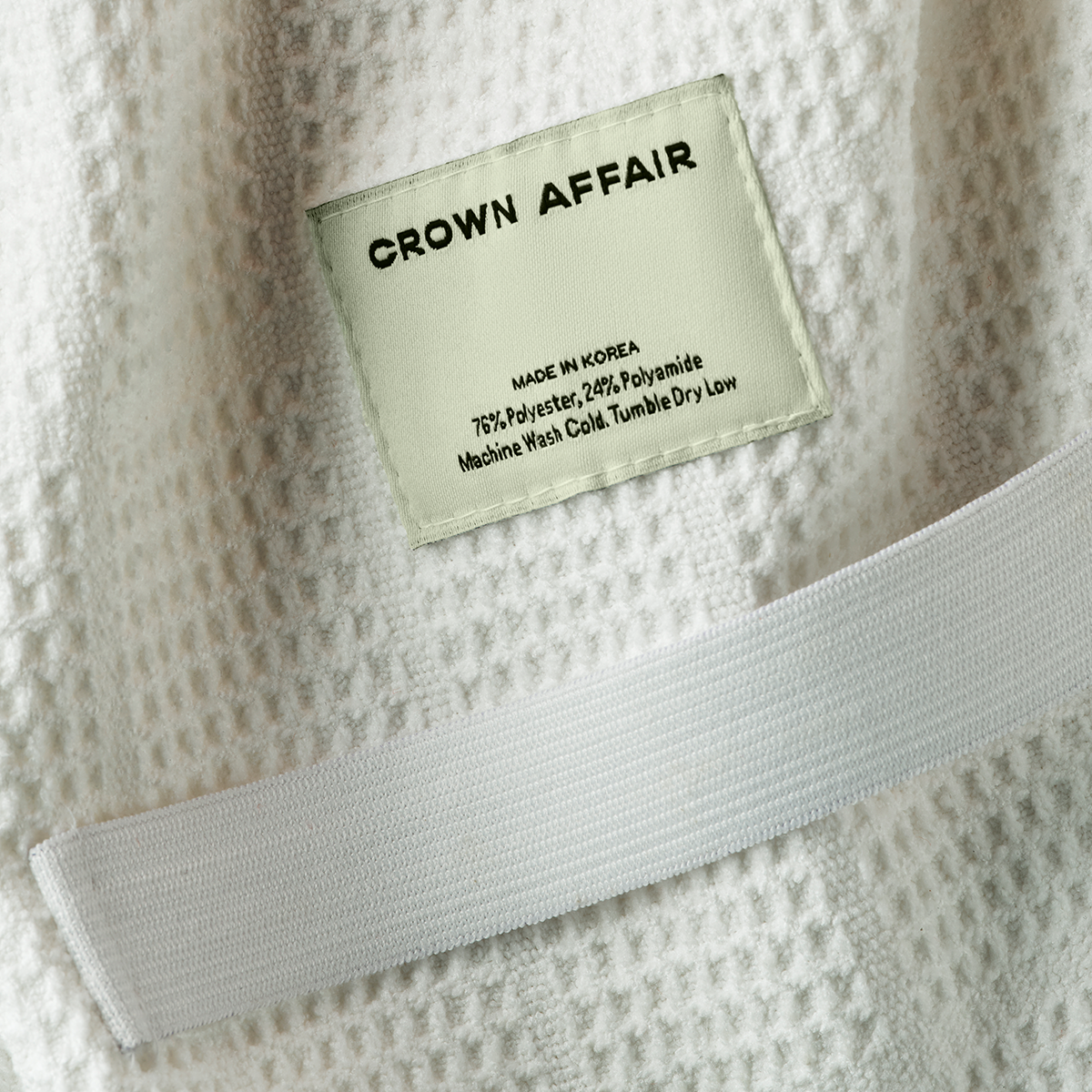
Credit: www.crownaffair.com