
Keeping your Berkey water filter clean is not just a routine task—it’s key to safe, great-tasting water and a long-lasting system. Many people buy Berkey filters for their excellent performance, but they often miss one important thing: regular cleaning of the filters themselves. If you ignore this, your water flow slows down, taste changes, and the filter’s lifespan drops sharply. Whether you’re a new Berkey owner or you’ve used one for years, knowing exactly how to wash Berkey filters can save you time, money, and worry.
Many guides only touch the basics, but here you’ll find everything you need—step-by-step instructions, practical tips, common mistakes, and answers to questions most people forget to ask. From the tools you need to the science behind why cleaning matters, you’ll get a complete, easy-to-follow guide.
If you want your Berkey system to work as it should, and your water to always be clean, read on.
How Berkey Filters Work And Why Cleaning Matters
Before you wash your Berkey filters, it helps to know what makes them special. Berkey systems use Black Berkey purification elements—powerful filters made from a blend of carbon, ion exchange materials, and proprietary media. These filters remove bacteria, viruses, chemicals, and heavy metals better than most household filters.
However, as water passes through, tiny particles, minerals, and even harmless bacteria can build up on the filter surface. This buildup does two things:
- Reduces flow rate: Water drips much slower over time.
- Lowers filter efficiency: The filter removes less contaminants.
Most people focus only on the initial performance of a filter, but real-world water is never pure. Even city water contains small sediments, minerals, and sometimes biofilm—thin layers of bacteria and organic material. Over time, these invisible things can block the millions of tiny pores in your Berkey filter.
That’s why even “clear” water can eventually cause a filter to slow down or lose its effectiveness.
If you skip cleaning, even the best filter will eventually clog. Cleaning restores water flow and keeps your system performing like new. For most families, a clean filter means peace of mind.
Another key detail: Berkey’s advanced media actually becomes less effective if blocked by minerals or dirt. This is different from some basic carbon filters, where only taste changes. With Berkey, you want the full filter surface exposed so all purification steps work.
Signs Your Berkey Filters Need Washing
Not sure if it’s time to clean your filters? Watch for these clear signals:
- Slow water flow: If it takes much longer for water to filter, it’s time to clean.
- Different taste or smell: Water may taste stale or odd if the filters are dirty.
- Visible residue: Brown or white deposits on the filter surface.
- Cloudy water: Water is not as clear as usual after filtering.
- Six months since last clean: Even if you see no problems, clean at least twice per year.
A common mistake is waiting until the filter almost stops. Clean regularly—even before problems appear.
A less obvious sign is when your water begins to leave spots or stains on glasses and dishes. This can mean your filter isn’t removing minerals as well due to clogging. Also, if you start to hear gurgling or bubbling sounds in your Berkey system, that’s a sign air is struggling to move through clogged filters.
What You Need To Wash Berkey Filters
Gather these items before you start:
- Clean sponge or soft brush: Only use new or very clean tools to avoid germs.
- Mild dish soap: Fragrance-free is best; never use bleach or harsh cleaners.
- Clean bowl or bucket
- Gloves (optional): Good for sensitive skin.
- Clean water: Filtered or tap water is fine.
- Towel: For drying.
Never use metal brushes, rough pads, or chemical cleaners. These can scratch the filter and make it less effective.
For those who live in areas with hard water, a dedicated brush or sponge for your Berkey only is smart. This avoids adding soap scum or minerals from other cleaning jobs to your filters. If you have sensitive skin or allergies, using gloves keeps your hands safe from irritation, especially during longer scrubbing sessions.
Step-by-step Guide: How To Wash Berkey Filters
Washing Berkey filters is simple, but each step matters. Here’s a direct, practical process for best results.
1. Turn Off And Disassemble Your Berkey System
- Remove the upper chamber from the lower chamber.
- Take out the Black Berkey filters. Hold them by the plastic stem, not the filter body.
- Set aside the lower chamber and spigot—you’ll clean these separately.
Non-obvious tip: Put a towel on the counter to prevent filters from rolling or breaking.
If your filter is stuck, twist gently—never use tools. For units with more than two filters, keep track of the filter position. Sometimes, cleaning one at a time helps avoid confusion and reduces the chance of dropping one.
2. Prepare Your Cleaning Area
- Wash your hands well.
- Make sure your sink, bowl, and brush are clean.
- Lay out all your cleaning tools so you don’t touch dirty surfaces during the process.
If your kitchen sink is used for raw meat or other messy tasks, consider wiping it down with vinegar first (then rinse well) before you start. This step reduces the chance of contaminating your Berkey with kitchen bacteria.
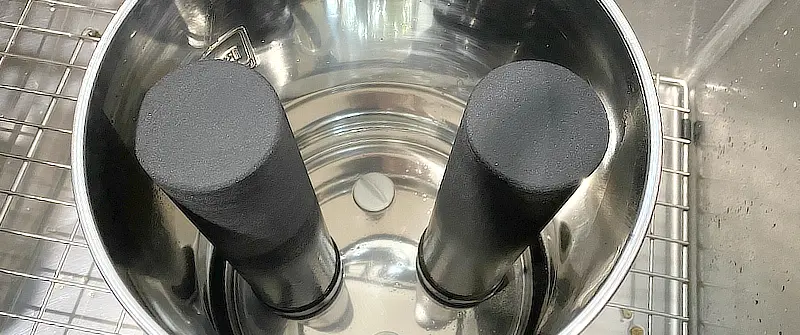
3. Rinse The Filters
- Hold each filter under cool running water.
- Gently rub the surface with your fingers to remove loose dirt.
- Avoid hot water—it can damage the filter’s special media.
If your water pressure is low, fill a bowl with water and swish the filter gently. This helps loosen dirt without forcing water inside. Always rinse away from the filter’s threads to prevent pushing debris into the stem.
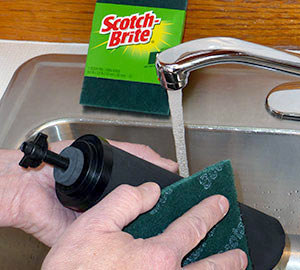
4. Scrub The Filter Surface
- Wet your sponge or brush and add a little mild dish soap.
- Scrub the filter’s black surface with gentle, circular motions.
- Focus on all sides, especially areas with visible residue.
- Rinse away soap as you go.
Pro tip: Some residue may be stubborn. Do not use force—just repeat gentle scrubbing until clean.
For deeper cleaning, alternate between gentle scrubbing and rinsing. If you see white or chalky spots (common with hard water), you can use a very diluted vinegar solution on the outer surface—rinse thoroughly after. Never allow vinegar inside the filter.
5. Rinse Thoroughly
- Rinse each filter under running water for 1–2 minutes.
- Make sure no soap or debris remains.
A hidden detail: If you smell soap or feel a slippery surface, rinse again. Leftover soap can cause bubbles in your filtered water and may affect taste.
6. Prime The Filters Again
- After washing, you must prime the filters so water flows properly.
- Hold the filter under the faucet with the priming button (small rubber washer) on the stem.
- Turn on cold water and let it run through the filter for about 2 minutes.
- Repeat for each filter.
Priming is crucial. Without it, the filter won’t work well and water may drip very slowly.
If you don’t have enough water pressure, use the Berkey priming tool or a sports bottle to pressurize water through the filter. Proper priming removes trapped air and ensures fast, even flow.
7. Dry And Reinstall
- Shake off extra water and let the filters air-dry for a few minutes.
- Reassemble your Berkey system.
- Fill with water and check the flow rate—it should be much faster now.
If you see leaks or slow flow, check that all seals and washers are placed correctly.
For even better results, run the first batch of filtered water through and discard it. This flushes out any loose carbon dust and remaining soap traces, giving you the cleanest taste.
How Often Should You Wash Berkey Filters?
How often you clean depends on several factors:
- Water quality: Hard or dirty water clogs filters faster.
- Usage: Large families or frequent use means more cleaning.
- Visible buildup: Clean sooner if you see residue.
For most users, washing every 3–6 months is ideal. If you use well water, or your flow slows down, clean more often.
| Water Type | Recommended Cleaning Interval |
|---|---|
| City/Municipal Water | Every 6 months |
| Well Water | Every 3 months |
| Heavily Sedimented Water | Every 1–2 months |
If your area has very hard water, consider pre-filtering or using a water softener to reduce buildup.
Don’t rely only on time—if your flow rate drops before your scheduled clean, wash sooner. Also, if you move to a new location or change your water source, clean your filters and system to adapt to different water conditions.
Cleaning Berkey Fluoride Filters
Some Berkey systems use PF-2 fluoride filters (white, attached under the black filters). These need a different method:
- Do not scrub the white filters—they can be damaged.
- Instead, rinse them with cold water for 30 seconds.
- Never use soap or brushes.
- Replace fluoride filters every 1,000 gallons or as recommended.
If you’re not sure which filters you have, check your system’s manual or look for the model number on the filter.
A practical detail: If your fluoride filters begin to rattle, leak, or the water tastes bitter, replace them. Unlike the black filters, these cannot be “restored” by cleaning. Always prime new fluoride filters well before first use, as trapped air can cause taste or flow problems.
Common Mistakes To Avoid
Many Berkey owners make these errors. Avoid them for best results:
- Using hot water: High heat can ruin filter media and reduce lifespan.
- Scrubbing too hard: Pressing hard can create tiny cracks.
- Skipping priming: This step is essential after every wash.
- Using the wrong soap: Scented or strong soaps can leave residues.
- Washing too seldom: Waiting for major problems shortens filter life.
- Reassembling with dirty hands: Always wash your hands first.
- Storing filters wet for long periods: If storing, dry thoroughly to prevent mold.
If you travel with your Berkey, always dry and store filters in a clean, breathable bag.
Another overlooked mistake: Not cleaning the system chambers and spigot while cleaning the filters. Even if your filters are spotless, dirty system parts can re-contaminate your water or change its taste. Make it a habit to clean everything at once for best results.
Deep Cleaning And Stubborn Residue
Sometimes, minerals or algae can stick tightly to your filter. Here’s what to do if regular washing doesn’t work:
- Soak the filters in clean water for 30–60 minutes before scrubbing.
- For mineral buildup (white, chalky spots), use a vinegar solution—one part vinegar, three parts water. Soak for 10 minutes, then rinse and scrub gently.
- Never soak filters in bleach, hydrogen peroxide, or alcohol.
If buildup remains after several cleanings, it may be time to replace the filter.
For algae (green or slimy spots), it’s usually a sign your system has been exposed to sunlight. Move your Berkey to a shaded area and scrub all parts thoroughly. Remember, algae grows fast in warm, light conditions—prevention is easier than cure.
Cleaning The Entire Berkey System
A clean filter is only part of the job. The chambers, spigot, and washers also need attention.
- Wash upper and lower chambers with warm soapy water.
- Scrub the spigot and washers—these can grow algae if ignored.
- Rinse all parts well and air-dry before reassembling.
Tip: Clean the system body every time you wash the filters. This prevents bacteria growth and keeps water tasting fresh.
If you see a pink or orange ring inside the chambers, that’s likely a type of harmless but unsightly bacteria. Clean with a vinegar-water mix, rinse well, and dry in sunlight if possible. Always check the spigot for trapped debris, as this is a common place for buildup.
When To Replace Berkey Filters
No filter lasts forever. Even with perfect cleaning, the filter media wears out over time.
- Black Berkey filters: Up to 3,000 gallons per filter (6,000 gallons for two filters in a system).
- PF-2 Fluoride filters: About 1,000 gallons.
If you notice these signs, it’s time to replace:
- Water flow does not improve after cleaning.
- Water tastes or smells odd even after washing.
- You reach the gallon limit (track with a calendar or the Berkey app).
Regular replacement is a key part of safe water filtration.
To track usage, note the date you start using new filters, and estimate your daily water use. For example, if your family uses 2 gallons a day, two Black Berkey filters will last about 8 years—but regular cleaning is still essential.

Credit: www.youtube.com
How Clean Filters Improve Performance
A freshly washed filter has clear benefits:
- Faster water flow
- Better taste
- Longer filter life
- Safer water
Many people don’t realize that regular cleaning can double the useful life of their filters. It also reduces the risk of bacteria or mold growing inside the system.
| Before Cleaning | After Cleaning |
|---|---|
| Slow drip (2–3 hrs/gal) | Fast flow (30–45 min/gal) |
| Cloudy or stale water | Clear, fresh taste |
| Filter clogs easily | Filter lasts longer |
Extra benefit: When your filter is clean, you are less likely to notice “Berkey slowdowns” at the worst moments, such as during parties or emergencies. Clean filters are more reliable, especially when you need large amounts of water fast.
Troubleshooting Problems After Cleaning
If you’ve cleaned your filters but still notice problems, check these:
- Leaks: Check all washers are tight and in the right place.
- Very slow flow: Prime the filters again. Sometimes trapped air remains.
- Taste issues: Clean the chambers and spigot. Sometimes the taste comes from there.
- Black residue in water: New filters can shed some carbon dust. This is safe—just flush with more water.
If problems continue, contact Berkey support for advice.
A less obvious issue: If water sits in your system for days without use, it can taste flat or musty—even with a clean filter. Always empty and rinse your Berkey if you won’t use it for a while, and refill with fresh water when needed.
Credit: modernsurvivalblog.com
Storage And Maintenance Tips
Proper storage keeps your filters safe between uses:
- If storing for more than a few days, remove and dry the filters completely.
- Store in a clean, dry, well-ventilated area. Avoid sealed plastic bags—use a paper bag or breathable cloth.
- If you live in a humid area, check filters for mold before reuse.
When restarting after storage, always re-prime the filters before using.
A tip often missed: If you plan to leave your system unused for months (like during travel), write the storage date on a note in the filter bag. This helps you remember how long the filters have been out of service and when to inspect or prime them before use.
Why Regular Cleaning Saves Money
A Berkey filter is an investment. With good care, it can last for years—saving you money compared to other filters that need frequent replacement. For example:
- Typical pitcher filters last 2–3 months. Berkey filters last up to 5 years with care.
- Cleaning takes 15–30 minutes but can double filter life.
- Replacement Black Berkey filters cost about $120–$140 per pair (2024 prices).
By washing and maintaining your filters, you reduce waste and keep your water costs low.
What’s often missed is that regular cleaning not only delays the need to buy new filters, but also prevents costly damage to your system (like leaks or mold stains) that may require extra parts or repairs.
Credit: modernsurvivalblog.com
Comparing Berkey Cleaning To Other Filters
Many people ask: How does cleaning a Berkey filter compare to cleaning other brands?
| Filter System | Cleaning Needed? | Typical Lifespan | Cost per Year |
|---|---|---|---|
| Berkey | Yes (scrub & prime) | 3–5 years | $25–$40 |
| Pitcher filters | No (replace only) | 2–3 months | $60–$120 |
| Reverse osmosis | Yes (flush & replace) | 1–2 years | $100–$200 |
Berkey systems need more hands-on cleaning, but their long lifespan and low yearly cost make them a top choice for many families.
Another insight: With Berkey, you control the cleaning schedule and can restore performance yourself. With pitcher filters or some other systems, you must buy new cartridges or call a technician—less flexible and more expensive over time.
Safety Precautions When Washing Berkey Filters
Always keep these safety steps in mind:
- Do not wash filters in a dirty sink or with dirty hands.
- Do not use boiling water or harsh chemicals.
- Keep filters away from pets and children during cleaning.
- If a filter is dropped or cracked, replace it immediately.
If you have health concerns or use your Berkey for babies or sick people, clean even more often.
Never try to repair a cracked filter with glue or tape—this can create leaks and unsafe water. When in doubt, replace questionable parts.
Environmental Benefits Of Cleaning Berkey Filters
Washing your Berkey filters is not just good for your wallet—it helps the environment too. Each long-lasting filter replaces hundreds of disposable cartridges. By keeping your filters clean and working, you reduce plastic waste and the energy needed to make new filters.
Another environmental benefit: Berkey’s stainless steel chambers are reusable for decades, unlike plastic pitchers that may crack or wear out. This means less landfill waste and less frequent shipping of heavy products.
For more information on water filter technology, see the Wikipedia page on water filters.
Frequently Asked Questions
How Do I Know If My Berkey Filter Is Too Old To Clean?
If your filter does not improve after cleaning and priming, or you’ve used it for over 3–5 years, it’s time to replace. Other signs are cracks, broken seals, or water that tastes bad even after washing.
Can I Use Vinegar Or Baking Soda To Clean My Berkey Filter?
Vinegar is safe for removing mineral deposits, but only use diluted vinegar (never pure). Baking soda is not recommended—it can clog the filter surface. Always rinse well after using any cleaner.
What Happens If I Don’t Clean My Berkey Filter?
Dirty filters slow down water flow, can grow bacteria, and may not remove contaminants as well. Over time, this could make your water unsafe to drink and will shorten the filter’s life.
Is It Safe To Wash Filters With Well Water?
It’s better to use clean, municipal, or filtered water for cleaning. Well water may contain extra minerals or bacteria that make cleaning less effective.
How Do I Store My Berkey Filter When Not In Use?
Remove, wash, and dry the filters completely. Store in a breathable bag in a cool, dry place. Always prime and rinse before using again.
Taking care of your Berkey filters doesn’t have to be a chore. With the right steps and regular attention, you can enjoy fresh, pure water every day for years. Clean filters protect your health, your investment, and the planet. Now that you know exactly how to wash Berkey filters, you can use your system with total confidence.