
Washing a pashmina can feel intimidating. This beautiful fabric is known for its luxury, softness, and delicate nature. Many people love their pashmina scarves, shawls, or wraps but worry about ruining them with improper cleaning. The truth is, washing a pashmina is not as hard as it seems—if you know the right steps. With gentle care and the right knowledge, you can keep your pashmina looking fresh, soft, and beautiful for years.
Understanding how to wash a pashmina correctly will help you avoid shrinking, stretching, pilling, or fading. Many pashminas are expensive, often handed down as gifts or souvenirs. They deserve careful treatment. In this guide, you’ll learn everything you need to wash, dry, and care for a pashmina, whether it’s a scarf, shawl, or throw.
You’ll also discover insider tips that most people (even some dry cleaners) overlook.
What Is Pashmina And Why Is It Special?
Before learning how to wash a pashmina, it’s important to know what makes it unique. Pashmina is a type of fine cashmere wool, collected from the undercoat of the Changthangi goat from the Himalayan region. The fibers are incredibly thin—often less than 16 microns in diameter—making them softer and lighter than regular wool.
Pashmina is cherished for its:
- Softness and warmth
- Lightweight feel
- Natural sheen
- Handwoven quality
Real pashmina is rare and often expensive. Many items sold as “pashmina” are actually blends with silk or regular wool. This matters because pure pashmina requires more delicate washing than blends.
Should You Wash Pashmina At Home?
Many people ask if they should wash their pashmina at home or take it to a dry cleaner. The answer depends on a few factors:
- Pure pashmina: Best washed by hand at home. Most dry cleaners use harsh chemicals that can damage the delicate fibers or strip natural oils.
- Blends (pashmina + silk or wool): Can sometimes be dry-cleaned, but hand washing is still safest.
- Heavily soiled or stained pieces: May require professional cleaning, but choose a cleaner experienced with cashmere.
Insider tip: Even if the label says “Dry Clean Only,” hand washing is usually gentler if you follow the right steps.
Essential Supplies For Washing Pashmina
To wash a pashmina safely, you need a few basic items:
- Lukewarm water (not hot, not cold)
- Mild detergent: Use a gentle product made for wool, cashmere, or baby clothes. Never use bleach or fabric softener.
- Clean towels: For blotting and shaping the pashmina.
- A large basin or tub
- A drying rack or flat surface
Optional:
- White vinegar: Helps remove odors and restore softness.
- A mesh laundry bag: Useful for machine washing (not usually recommended, but more on this later).
Step-by-step Guide: How To Wash A Pashmina By Hand
Hand washing is the safest way to clean pashmina. Here’s how to do it properly:
1. Prepare The Washing Area
Fill a clean basin or tub with lukewarm water. The temperature should be comfortable for your hand—around 30°C (86°F). Add a small amount of mild detergent and stir until dissolved.
2. Gently Soak The Pashmina
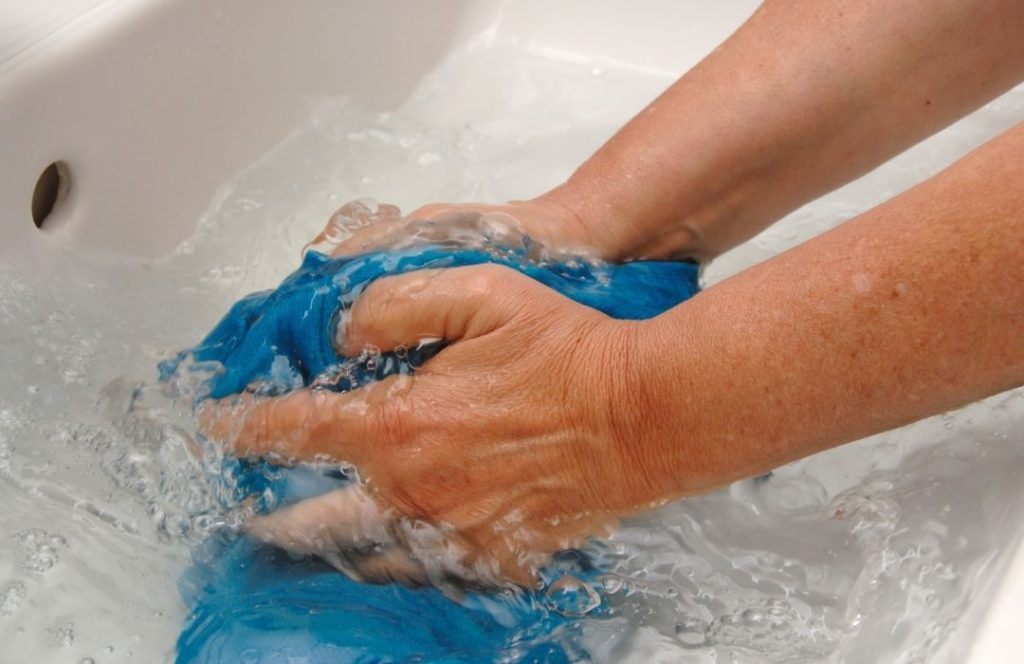
Place your pashmina in the water. Gently press it down so it’s fully submerged. Do not twist or scrub. Let it soak for 5–10 minutes. This allows dirt to loosen without damaging the fibers.
3. Lightly Swish (but Don’t Agitate)
After soaking, gently swish the pashmina back and forth in the water. Avoid wringing, twisting, or stretching. Handle it as if you’re washing a delicate piece of lace.
4. Rinse Thoroughly
Drain the soapy water. Refill the basin with clean lukewarm water. Swish the pashmina to remove detergent. Repeat until the water runs clear. For extra softness, add a tablespoon of white vinegar to the final rinse.
5. Remove Excess Water
Lay the pashmina flat on a clean towel. Roll up the towel with the pashmina inside and press gently to absorb water. Never wring or twist, as this can stretch or misshape the fabric.
6. Dry Flat
Unroll the towel and reshape the pashmina if needed. Lay it flat on a dry towel or drying rack, away from direct sunlight and heat. Let it air dry completely. Do not hang, as this can stretch the fibers.
How To Wash A Pashmina In A Washing Machine (if You Must)
Hand washing is always better, but sometimes you might need to use a washing machine. Maybe you’re in a hurry or have a blended pashmina. Here’s how to minimize the risk:
- Use a mesh laundry bag: Place the pashmina inside to protect it.
- Set the machine to “wool” or “delicate” cycle: Use cold water only.
- Add mild detergent: Use less than you think you need.
- Never use bleach or fabric softener: These damage the fibers.
- Remove immediately after washing: Do not let it sit wet.
- Dry flat: Never tumble dry.
Caution: Machine washing, even on gentle cycles, always carries a risk of felting or stretching. Use this method rarely, and only for blends, not pure pashmina.
Comparing Hand Washing Vs Machine Washing For Pashmina
Here’s a quick comparison to help you decide which method is right for you:
| Method | Best For | Pros | Cons |
|---|---|---|---|
| Hand Washing | Pure pashmina, delicate blends | Gentle, less risk of damage, preserves softness | More time-consuming, needs care |
| Machine Washing | Sturdy blends, quick cleaning | Faster, less effort | Risk of felting, stretching, color fading |
Pro tip: If you are unsure about the fiber content, always hand wash.
Common Mistakes To Avoid When Washing Pashmina
Many people ruin their pashmina with simple mistakes. Here are some to avoid:
- Using hot water: This causes shrinking and felting.
- Scrubbing or wringing: Weakens the fibers and causes pilling.
- Using regular laundry detergent: Too harsh for delicate wool.
- Drying in sunlight or near heat: Fades color and makes the wool brittle.
- Hanging to dry: Stretches the fabric out of shape.
- Ironing on high heat: Can burn or flatten the fibers.
How Often Should You Wash A Pashmina?
Pashmina does not need frequent washing. Over-washing can damage the fibers. Here’s a simple guideline:
- Scarves and shawls: Wash after every 6–8 wears, or if stained.
- Throws and blankets: Wash every few months, unless dirty.
If your pashmina smells musty or has absorbed odors, airing it out is often enough. Hang it in a breezy, shaded spot for a few hours.
How To Remove Stains From Pashmina
Accidents happen—wine, coffee, or oil can end up on your pashmina. Quick action is key.
1. Blot, Don’t Rub
As soon as possible, blot the stain with a clean, dry cloth. Do not rub, as this will push the stain deeper.
2. Spot Clean With Care
Mix a small amount of mild detergent with lukewarm water. Dip a cotton swab or soft cloth in the solution and dab gently at the stain. Rinse by blotting with clean water.
3. For Tough Stains
If the stain is stubborn (like red wine or ink), try adding a drop of white vinegar to the water. Do not use harsh stain removers or bleach.
Extra tip: Always test any cleaning solution on a hidden area first.
How To Soften A Pashmina After Washing
Sometimes, a pashmina may feel a bit stiff after washing. Here’s how to restore its softness:
- Rinse with vinegar: Add 1–2 tablespoons of white vinegar to the final rinse.
- Gently knead while damp: Lightly press the fibers between your hands.
- Air fluff: Once dry, shake the pashmina gently to loosen the fibers.
Storing Your Pashmina
Proper storage is just as important as washing. Here’s how to keep your pashmina fresh:
- Fold, don’t hang: Hanging stretches the fabric over time.
- Store in a breathable bag: Use a cotton or muslin bag, not plastic. This prevents moisture buildup.
- Add natural moth repellents: Place a sachet of lavender or cedar in the storage area.
- Keep away from sunlight: UV rays can fade colors.
Insider advice: Never store your pashmina while it’s damp. This encourages mold and moths.
How To Care For Pashmina Between Washes
Washing is only part of pashmina care. Extend the life of your item with these habits:
- Brush off dust: Use a soft clothing brush or your hand.
- Air it out: Hang outside (in shade) to remove odors.
- Handle with clean hands: Oils and lotions can stain the fibers.
- Rotate use: Don’t wear the same pashmina every day.
Credit: www.pashmina.com
How To Tell If Your Pashmina Is Pure Or A Blend
Knowing the fiber content helps you choose the right cleaning method. Here are some simple checks:
- Look at the label: Pure pashmina should say 100% cashmere or pashmina. Blends list other fibers.
- Feel the fabric: Pure pashmina is very soft, light, and drapes fluidly.
- Burn test (for experts only): Pure pashmina burns with the smell of burning hair and leaves a soft ash. Synthetics smell like plastic and melt.
If in doubt, treat your item as if it’s pure pashmina—better safe than sorry.
Dealing With Pilling And Fuzz
Even with gentle care, some pilling (little balls of fiber) can happen, especially in high-friction areas. Here’s how to manage it:
- Remove pills by hand: Gently pick off pills; do not pull hard.
- Use a cashmere comb: Lightly brush the surface to remove fuzz. Avoid razors or harsh tools.
- Wash less often: Each wash loosens fibers, so only wash when necessary.
How Long Should A Pashmina Last?
A well-cared-for pashmina can last for decades. Many families pass them down as heirlooms. The main threats are moths, poor washing, and overexposure to sun or chemicals.
Comparing Pashmina Care With Other Luxury Fabrics
It helps to understand how pashmina care compares with other fabrics like silk, cashmere, and wool:
| Fabric | Washing Method | Drying Method | Typical Risks |
|---|---|---|---|
| Pashmina | Hand wash with mild detergent | Flat dry, no heat | Shrinking, felting, stretching |
| Cashmere | Hand wash or dry clean | Flat dry | Pilling, moths |
| Silk | Hand wash or dry clean | Air dry, avoid sun | Color bleeding, weakening |
| Wool | Hand wash or machine wash (gentle) | Flat dry | Shrinking, felting |
When To Seek Professional Help
If you have a vintage, embroidered, or very valuable pashmina, or if it’s stained with oil, ink, or dye, consider seeking professional help. Look for a cleaner that specializes in cashmere or wool. Ask about their methods—avoid anyone who uses harsh chemicals or mechanical dryers.
Environmental Impact: Washing Pashmina Responsibly
Washing less often and using gentle, biodegradable detergents is not only better for your pashmina—it’s also better for the environment. Avoiding dry cleaning reduces chemical waste. Air drying saves energy.
Myths About Washing Pashmina
Let’s clear up some common myths:
- Myth: “Dry cleaning is always safer than hand washing.”
Fact: Many dry cleaning chemicals are harsher than gentle hand washing.
- Myth: “You must use fabric softener to keep pashmina soft.”
Fact: Fabric softener coats the fibers and can build up over time.
- Myth: “Pashmina is too delicate to wash at home.”
Fact: With gentle hands and proper technique, home washing is safe.
Real-world Examples: Pashmina Washing Scenarios
Example 1: Removing A Coffee Stain
Sara spilled coffee on her blue pashmina shawl. She immediately blotted the spot, then dabbed with a mix of cool water and wool detergent. The stain faded after two treatments, and her shawl stayed soft.
Example 2: Softening A Stiff Pashmina
After washing, John found his pashmina scarf felt rough. He rinsed it again with a tablespoon of white vinegar, reshaped it, and let it air dry. The scarf returned to its original softness.
Example 3: Machine Washing A Blend
Anna’s pashmina-silk blend scarf was labeled “machine washable. ” She placed it in a mesh bag, used the “delicate” cycle with cold water, and laid it flat to dry. The scarf survived, but she noticed a slight loss in sheen, so she decided to hand wash in the future.
Extra Tips For Keeping Your Pashmina Beautiful
- Never pin or clip your pashmina to hang it up. This can create holes.
- Wash similar colors together to avoid color transfer.
- If traveling, roll your pashmina instead of folding to prevent creases.
The Difference Between Pashmina And Regular Cashmere
While both are types of cashmere, pashmina is finer and softer. Pashmina fibers are thinner and shorter, which is why they feel so luxurious but also require more delicate handling.
Restoring A Misshapen Or Stretched Pashmina
If your pashmina has stretched, soak it in lukewarm water, gently reshape it while damp, and let it dry flat. Do not try to shrink it by using heat or hot water—this will only damage the fibers.
Repairing Small Holes Or Snags
If you notice a small hole or pulled thread, act quickly:
- Don’t pull loose threads—push them back into place with a needle.
- For larger holes, take the pashmina to a professional tailor who has experience with fine wool.
Frequently Asked Questions
What Detergent Is Safe For Washing Pashmina?
Use a wool-safe detergent or one formulated for delicate fabrics. Baby shampoo is also a gentle option. Avoid anything with bleach, enzymes, or fabric softener, as these can weaken the fibers.
Can You Iron A Pashmina?
You can iron pashmina, but only on the lowest setting and always with a cloth between the iron and the fabric. Steam can help remove wrinkles, but never place a hot iron directly on pashmina.
How Do You Stop A Pashmina From Shedding?
A new pashmina may shed a little at first. Hand washing and gentle brushing reduce shedding. Avoid rubbing or friction, as this loosens fibers. If shedding continues, it may be a sign of a lower-quality product.

Credit: skpashmina.com
Is It Safe To Use A Fabric Shaver On Pashmina?
It’s best to avoid electric fabric shavers. Use a cashmere comb or gently remove pills by hand. Shavers can catch and pull the delicate fibers, causing more damage.
Where Can I Learn More About Caring For Wool And Cashmere?
For deeper information about caring for luxury fibers, visit the Wikipedia page on Pashmina.
Washing your pashmina doesn’t have to be stressful. With the right approach, your beautiful scarf, shawl, or throw will stay soft, vibrant, and luxurious for many years. Treat your pashmina gently, and it will reward you with warmth and elegance every time you wear it.

Credit: www.artasia.shop