
Washing a kimono is much more than just cleaning a piece of clothing. For many people, a kimono is a family treasure, a symbol of tradition, or a special garment for important events. The fabric, patterns, and shape are unique, so you cannot wash it like everyday clothes.
If you do not clean a kimono the right way, it may shrink, fade, or lose its beauty forever. Many beginners do not know that kimonos require special care, and some mistakes can destroy them quickly. But if you follow the correct steps, you can keep your kimono looking fresh and beautiful for years.
This guide explains everything you need to know about how to wash a kimono safely. You will learn how to check the fabric, prepare the kimono for washing, choose between hand washing and dry cleaning, and avoid common problems. You will also see helpful tables that compare cleaning options, fabric types, and drying methods.
Whether you own a modern cotton yukata or a vintage silk kimono, this article gives you the confidence to clean it properly without stress.
Understanding Kimono Fabrics
Before you begin washing, it’s important to know what kind of fabric your kimono is made from. Each material has different needs and risks. The wrong method can ruin the cloth or colors. Here are the most common types:
Silk
Silk kimonos are delicate and expensive. The fabric is smooth and shiny, but water can damage it easily. Washing silk at home is risky, as it may lose its shape or color. Most silk kimonos should be dry cleaned by a professional.
Cotton
Cotton kimonos (like yukata) are more casual and durable. You can wash cotton at home if you are careful. Cotton is less likely to shrink or fade, but you should still avoid hot water and strong detergents.
Wool
Wool kimonos are warm and a bit stretchy. They can shrink in hot water or twist out of shape if not dried properly. Hand washing in cold water is usually safe, but always check for color bleeding.
Synthetic Fabrics
Some modern kimonos use polyester or other synthetic blends. These are more resistant to shrinking and color loss. Most synthetic kimonos can be washed gently at home, but always look for care instructions.
Blends And Other Fabrics
Some kimonos mix different materials, like silk and cotton. These blends can be tricky. When in doubt, always choose the safest cleaning method.
Common Fabric Types Comparison
Here’s a quick reference to help you understand the washing risks:
| Fabric | Washing Risk | Best Cleaning Method |
|---|---|---|
| Silk | High risk of shrinking and color loss | Dry clean only |
| Cotton | Low risk, but may shrink if washed hot | Hand wash or gentle machine wash |
| Wool | Can shrink and deform | Hand wash in cold water |
| Synthetic | Low risk, but heat can damage | Gentle machine or hand wash |
| Blends | Depends on mix; risk varies | Usually dry clean |
Key Insight: Many beginners miss the point that even cotton kimonos can have silk linings or delicate stitching. Always check the inside of your kimono for extra materials before choosing a washing method.
Preparing The Kimono For Washing
Preparation is a crucial step often overlooked. Proper preparation helps you avoid mistakes and keeps your kimono safe during cleaning.
Checking Labels And Instructions
First, look for any care labels or tags inside your kimono. These often have symbols or words that explain the safest cleaning method. If you cannot read Japanese, use a translation app or ask someone who can. If there’s no label, treat the kimono as delicate.
Testing For Color Fastness
Many kimonos have bright dyes that can bleed in water. To test, take a white damp cloth and gently rub a hidden area of the kimono. If color comes off, do not wash with water. Instead, use a dry cleaning method.
Removing Accessories And Obis
Kimonos often come with extras like obijime (decorative cords), obidome (clasps), or obimakura (pads). Remove these before washing. Wash accessories separately if needed, but check their material first.
Emptying Pockets And Unfolding
Check all pockets for tissue, paper, or small items. Unfold the kimono completely. Lay it flat so you can inspect for any hidden stains or repairs needed.
Practical Tip: Use a lint roller or soft brush to remove dust and hair from the surface before washing. This simple action helps prevent dirt from sticking deeper into the fabric during cleaning.
Choosing The Right Cleaning Method
Deciding whether to wash at home or take the kimono to a professional cleaner is a key decision. Both options have pros and cons.
Dry Cleaning Vs. Home Washing
Dry cleaning is often the safest for expensive, old, or silk kimonos. Professional cleaners use chemicals that clean without water, which protects delicate fabrics. However, not all dry cleaners understand kimonos, so choose a shop with experience.
Home washing is possible for cotton, synthetic, or low-value kimonos. It saves money, but you must be careful with each step.
Comparing Cleaning Methods
This comparison helps you decide:
| Cleaning Method | Suitable Fabrics | Cost | Risks |
|---|---|---|---|
| Professional Dry Cleaning | Silk, blends, valuable kimonos | High | Wrong cleaner may damage; expensive |
| Home Hand Wash | Cotton, wool, synthetic | Low | Color bleeding, shrinking, shape loss |
| Machine Wash | Strong cotton, synthetic | Low | Snagging, shrinking, color fade |
Non-Obvious Insight: Many people think all kimonos must be dry cleaned. In reality, some modern yukata (cotton summer kimono) are made for home washing. Always check the fabric before paying for expensive dry cleaning.
How To Hand Wash A Kimono
Hand washing is the safest home method for most washable kimonos. Here’s a step-by-step guide:
What You Need
- A clean bathtub or large basin
- Mild, non-bleach detergent (for delicates or wool)
- Cold or lukewarm water
- White towels (for drying)
- A soft sponge or cloth
Steps To Wash
- Fill the basin with cold or lukewarm water. Avoid hot water, which can shrink or fade the fabric.
- Add a small amount of mild detergent. Mix well so no detergent sits on the fabric.
- Submerge the kimono gently. Do not twist or wring. Press lightly to move water through the fabric.
- Soak for 5–10 minutes. Do not leave longer, or colors may bleed.
- Gently rub dirty areas (like the collar or hem) with a soft cloth. Do not scrub hard.
- Rinse the kimono in fresh cold water until no soap remains.
- Lift out carefully. Support the weight so seams do not stretch.
Avoid These Mistakes:
- Do not use bleach or strong detergents.
- Do not soak for too long.
- Never twist or wring out a kimono.
Spot Cleaning
If only one part (like a stain) is dirty, use spot cleaning. Wet a soft cloth with diluted detergent and dab gently on the stain. Rinse with clean water and dry with a towel.
Practical Example: If you spill tea on the sleeve, act fast. Dab with a dry towel, then spot clean with a mild detergent solution. Do not rub, as this may spread the stain.
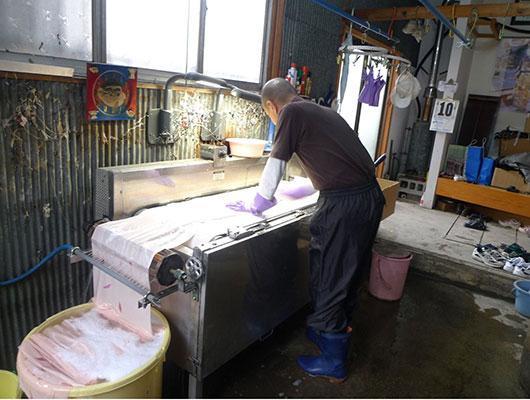
Credit: www.oldjapan.org
Washing A Kimono In A Washing Machine
Some modern, casual kimonos can survive a machine wash, but only if you are careful. Always check the label first.
Safe Machine Washing Steps
- Turn the kimono inside out. This protects the outer fabric and patterns.
- Place in a mesh laundry bag. This prevents stretching and damage.
- Use a delicate or hand-wash cycle. Only use cold water.
- Add mild detergent. Do not use fabric softener or bleach.
- Remove as soon as finished. Do not let the kimono sit wet in the machine.
Important: Never wash silk or lined kimonos in the machine. Machine washing is only for sturdy cotton or polyester kimonos.
Machine Washing Data Table
Here’s a quick look at what is safe:
| Kimono Type | Machine Wash Safe? | Precautions |
|---|---|---|
| Silk | No | Dry clean only |
| Cotton Yukata | Yes | Use delicate cycle, mesh bag |
| Polyester | Yes | Cold water, delicate cycle |
| Wool | No | Hand wash recommended |
| Blends with Silk | No | Dry clean |
Expert Tip: If you are unsure, always wash by hand or seek a professional. Machine washing can save time, but the risk of damage is higher.
Drying A Kimono Properly
Drying is just as important as washing. Kimonos must dry flat and away from heat or sunlight to avoid shrinking or fading.
The Right Way To Dry
- Lay the kimono flat on a clean, dry towel.
- Roll up the towel with the kimono inside to squeeze out water gently.
- Unroll and place the kimono flat on a new dry towel, reshaping it carefully.
- Air dry indoors in a well-ventilated room, out of direct sunlight.
- Do not hang a heavy wet kimono, as this can stretch and deform the fabric.
Avoid These Drying Mistakes
- Never use a dryer. The heat will shrink and damage the kimono.
- Do not hang by the shoulders while wet. This causes stretching.
- Avoid drying in a humid room, as this can cause mildew.
Non-Obvious Insight: Many people rush the drying process and use hangers or outside sun. This leads to misshapen kimonos and faded colors. Patience is key for perfect results.
Ironing And Storing A Kimono
Once your kimono is clean and dry, proper ironing and storage keep it looking its best.
Ironing Tips
- Use a low-temperature setting for delicate fabrics.
- Iron inside-out to protect embroidery and patterns.
- Place a cotton cloth between the iron and the kimono to avoid scorching.
- Iron in sections, following the fabric grain.
Storing A Kimono
- Fold using traditional kimono folds to avoid creasing.
- Store flat in a clean, dry drawer or box.
- Use a breathable bag (not plastic) to keep out dust but let air flow.
- Add moisture absorbers (like silica gel) if you live in a humid area.
Practical Example: Traditional Japanese homes use special kimono chests. If you do not have one, a shallow, wide drawer works well. Never hang a kimono for long-term storage, as this can stretch the shoulders.
How To Handle Stains And Odors
Kimonos can get stained during use at festivals, ceremonies, or everyday wear. Odors can also develop from sweat or storage.
Treating Stains
- Act quickly. Fresh stains are easier to remove.
- Blot, do not rub. Use a dry towel to absorb as much as possible.
- Spot clean with a mild detergent, as described before.
- Test in a hidden area first to check for color bleeding.
Dealing With Odors
- Air out the kimono in a shaded, breezy area.
- Use odor absorbers like baking soda in the storage box.
- Lightly mist with a mixture of water and a few drops of white vinegar for stubborn smells, but do a patch test first.
Warning: Never use strong sprays or perfumes on a kimono. They may stain or react with the dye.
Kimono Cleaning Mistakes To Avoid
Many beginners make mistakes that can ruin a kimono. Here are some to watch out for:
- Washing silk with water. Even a quick rinse can damage silk.
- Using regular laundry detergent. Strong chemicals break down delicate fibers.
- Soaking for too long. Colors may bleed and mix.
- Drying in sunlight. UV rays fade colors quickly.
- Wringing or twisting. This stretches and deforms the shape.
- Ironing on high heat. Synthetic or silk fibers can melt or scorch.
- Ignoring linings and decorations. Some linings may not be washable even if the outer layer is.
- Storing in plastic bags. This traps moisture and encourages mildew.
- Trusting all dry cleaners. Not every cleaner understands kimono fabrics.
- Skipping color test. Always check for color fastness before using water.
Expert Advice: Take photos of your kimono before washing. If there is a problem, you can show a professional cleaner or restorer for help.
When To Seek Professional Help
Some situations are best handled by experts:
- Antique or expensive kimonos
- Heavy stains or color bleeding
- Unknown fabrics or mixed materials
- Heavily embroidered or painted kimonos
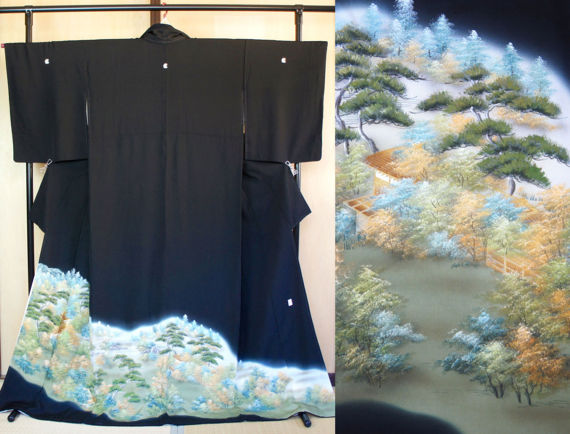
If you are ever unsure, look for a kimono care specialist or a dry cleaner who lists kimono cleaning as a service. In Japan, the process is called araihari, where the kimono is taken apart, cleaned, and sewn together again. This is expensive but keeps valuable kimonos safe. For more on professional kimono cleaning, check reliable resources like the Wikipedia Kimono page.
Credit: www.onegai-kaeru.jp
Caring For Kimono Accessories
Do not forget about items like obi, obijime, and han-eri (collar covers).
- Obi: Usually spot clean only. Some stiff obis can be wiped with a damp cloth, but never soaked.
- Obijime/Obidome: Hand wash in cold water if made from cotton or synthetic. Do not soak silk cords.
- Han-eri: Usually washable, as they are made to protect the collar from sweat.
Practical Tip: Store accessories flat and separate from the kimono to keep their shape and color.
How Often Should You Wash A Kimono?
Unlike shirts or jeans, you do not need to wash a kimono after every use. In Japan, kimonos are often aired out between wears and washed only when truly dirty.
- Formal silk kimono: Clean only when stained or after a special event.
- Casual cotton yukata: Wash after several wears, or when visibly dirty.
- Synthetic or daily kimono: Wash as needed, following the above steps.
Non-Obvious Insight: Over-washing is as harmful as not washing. Kimono fabrics last longer with gentle, infrequent cleaning and proper airing.

Credit: atamaeurope.com
Storing Kimono Long-term
Proper storage protects your kimono from dust, insects, and mildew.
- Use acid-free paper between folds to prevent creasing and color transfer.
- Store in a cool, dry place away from sunlight and heat sources.
- Check every few months for signs of insects or mold.
- Replace moisture absorbers regularly.
Warning: Do not use mothballs directly on fabric; they can stain and leave strong odors.
Repairing Kimono Damage
If you find small tears, loose threads, or missing decorations, it is best to repair them quickly.
- Hand sew small tears with matching thread.
- Take to a kimono tailor for larger repairs.
- Do not use glue or iron-on patches; these can damage delicate fabrics.
Practical Example: If the collar starts to come loose, use tiny, even stitches to reattach. This keeps the kimono in good shape and prevents further damage.
Frequently Asked Questions
How Do I Know If My Kimono Can Be Washed At Home?
Check the care label and fabric type. Cotton and synthetic kimonos are usually safe for hand or machine washing, while silk and blends should be dry cleaned. If unsure, do a colorfast test and wash by hand with care.
Can I Use Regular Laundry Detergent For My Kimono?
No. Use only mild, non-bleach detergents made for delicate fabrics. Strong detergents can damage fibers and cause fading, especially on silk or wool kimonos.
What Should I Do If My Kimono Shrinks Or Loses Its Shape?
If a kimono shrinks, gently reshape it while damp and dry flat. For serious distortion, seek a professional tailor. Never try to stretch or iron a shrunken kimono on high heat.
Is It Safe To Iron A Kimono?
Yes, but only on a low setting and always iron inside-out with a cotton cloth between the iron and the kimono. Avoid ironing directly on embroidery or decorative areas.
How Do I Remove Strong Odors From A Kimono?
Air the kimono in a shaded, breezy spot. For stubborn odors, use odor absorbers like baking soda or lightly mist with diluted vinegar (test first). Never use strong sprays or perfumes.
—
Washing a kimono takes care, patience, and respect for the garment’s unique materials and history. Each type of kimono needs its own approach, but the steps above help you avoid common mistakes and keep your kimono beautiful for many years. Whether you clean at home or use a professional service, always remember: gentle handling and proper storage are just as important as the washing itself. With the right care, your kimono can remain a cherished piece of culture and style for generations.