
Washing a cedar mop head may seem like a simple task. But if you want your mop to last, clean well, and stay safe for your home, there’s more to it than just rinsing it under water. Many people don’t realize that cedar mop heads—like those from O-Cedar—are a special cleaning tool. They can collect bacteria, trap dirt, and start to smell if not cleaned properly. Taking care of your mop head will also help you get cleaner floors and save money in the long run.
Whether you use your cedar mop for wood floors, tile, or laminate, it’s important to clean it the right way. This guide will walk you through every step, from understanding what makes a cedar mop head unique to deep cleaning, drying, and even troubleshooting problems.
You’ll also learn tips that most people miss, so you can avoid common mistakes and keep your mop working like new.
Why Cedar Mop Heads Need Special Care
Cedar mop heads aren’t like regular cotton or sponge mops. They are often made with microfiber strands or a blend of natural fibers. Microfiber is great because it grabs dust, dirt, and even bacteria—often without strong chemicals. However, the same fibers that trap dirt also trap germs and oils. If you don’t wash them well, they can start to smell bad or even spread germs instead of cleaning.
Natural cedar fibers (less common, but used in some specialty mops) are also sensitive to harsh chemicals and heat. If you wash them the wrong way, they might fall apart or lose their cleaning power. That’s why you need to know exactly how to clean, dry, and care for your cedar mop head.
Types Of Cedar Mop Heads
Before you start washing, it’s important to know which type of cedar mop head you have. This affects the cleaning method and the products you should use.
| Type | Material | Cleaning Method | Drying Needs |
|---|---|---|---|
| Microfiber | Polyester, polyamide | Machine or hand wash | Air dry (preferred) |
| Natural cedar fiber | Cedar wood fibers | Hand wash only | Air dry only |
| Blended | Microfiber + cotton | Machine or hand wash | Air dry |
Check the label or packaging of your mop head. Most cedar mop heads, especially from brands like O-Cedar, are microfiber. But if you have a specialty mop or an older model, look for cleaning instructions specific to the material.
What You Need Before Washing
Having the right supplies will make cleaning your mop head easier and safer for the mop.
- Mild laundry detergent (avoid bleach or fabric softeners)
- Bucket (for soaking)
- Warm water (not hot)
- White vinegar (optional, for disinfecting)
- Gloves (if your skin is sensitive)
- Washing machine (for machine-washable heads)
- Clothesline or drying rack
Tip: Never use bleach, as it can damage both microfiber and natural cedar fibers. Also, skip fabric softener. It can coat the fibers and stop them from cleaning well.
Step-by-step: How To Wash A Cedar Mop Head
Washing your cedar mop head carefully will help it last longer, work better, and not smell. Here’s how to do it right.
1. Remove The Mop Head From The Handle
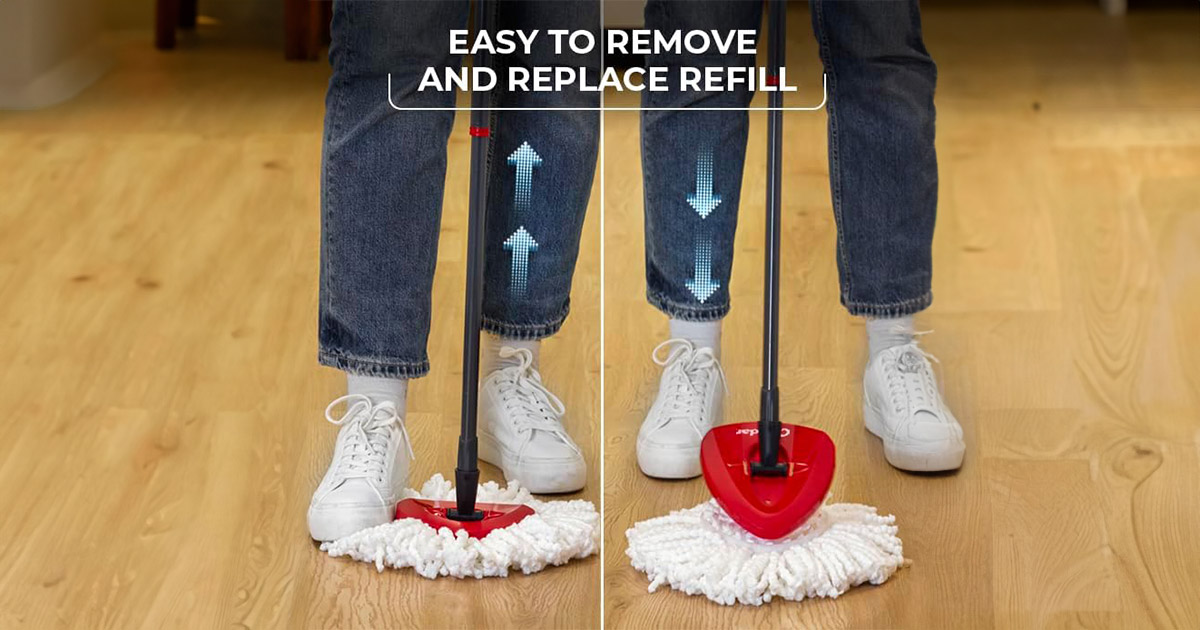
First, take the mop head off the handle. Most cedar mop heads twist off or have a button that releases them. If you’re not sure how yours comes off, check your brand’s website or the instruction manual. Forcing the mop head off the wrong way can break the attachment.
Non-obvious insight: Some mop heads have a small locking ring or clip. If you struggle to remove it, look for hidden latches. Avoid pulling hard, as this can damage the connector.
2. Shake Off Loose Dirt
Before you wash, take the mop head outside and shake it well. This gets rid of sand, hair, and grit that can scratch your floors or clog your washing machine. If you mop pet hair or lots of dust, you might even want to brush the mop head gently with your hand or a soft brush.
3. Pre-soak The Mop Head
Fill a bucket with warm water (not hot). Add a small amount of mild detergent—just enough to make a little foam. If you want extra disinfecting, add 1/4 cup of white vinegar. Soak the mop head for 10–15 minutes. This helps loosen stuck-on dirt, oils, and germs.
Common mistake: Don’t soak for hours. Soaking for too long can break down the glue that holds some fibers together, especially with natural cedar.
4. Wash By Hand Or Machine
For Microfiber And Blended Heads
- Machine Wash: Place the mop head in a laundry bag or pillowcase. Use a gentle cycle with cold or warm water. Add a small amount of detergent. Wash with towels or cleaning rags—never with clothes.
- Hand Wash: Work detergent into the mop head using your hands. Rub the strands together to release dirt. Rinse with clean water until all soap is gone.
For Natural Cedar Fiber Heads
- Hand Wash Only: Use your hands to gently massage detergent into the fibers. Rinse well. Never put these in the washing machine or use hot water.
| Mop Head Type | Washing Machine | Hand Wash |
|---|---|---|
| Microfiber | Yes | Yes |
| Natural cedar | No | Yes |
| Blended | Yes | Yes |
5. Rinse Until Water Runs Clear
No matter how you wash, make sure to rinse the mop head until the water runs clear. Leftover soap can attract more dirt and make your floors sticky the next time you mop.
Non-obvious insight: Rinse under running water, squeezing gently. Do not twist or wring aggressively—this can tangle or break the fibers.
6. Disinfect (optional, But Recommended)
If you mop high-traffic areas, bathrooms, or kitchen floors, it’s smart to disinfect. After rinsing out the detergent, soak the mop head for 5 minutes in a solution of 1 part vinegar to 3 parts water. Rinse again with clean water.
Note: Never mix vinegar and bleach or use strong chemicals. Vinegar is usually enough for home cleaning.
7. Dry The Mop Head Correctly
Proper drying is key to prevent mold and bad smells.
- Air Dry: Hang the mop head outdoors or in a well-ventilated area. Direct sunlight helps kill germs and dries faster.
- Indoor Drying: Use a drying rack near a fan or window. Make sure the strands are spread out.
- Never Use a Dryer: Most cedar mop heads, especially microfiber, can melt or shrink in a clothes dryer.
Tip: If you live in a humid area, use a fan to speed up drying. Never store the mop head while it’s still damp.
8. Reattach And Store Properly
Once the mop head is completely dry, reattach it to the handle. Store your cedar mop in a dry, ventilated place. If you can, hang it up so the mop head isn’t touching the floor.
Pro tip: Rotate between two mop heads. While one is drying, you can use the other. This helps both last longer and keeps your floors cleaner.

Credit: www.youtube.com
How Often Should You Wash A Cedar Mop Head?
How often you wash your mop head depends on how much you use it.
- After Every Use: Rinse with clean water and air dry.
- Weekly (for regular use): Wash as above.
- After Heavy Cleaning (e.g., after cleaning a kitchen, bathroom, or after illness): Wash and disinfect immediately.
Most experts recommend replacing a cedar mop head every 3 to 6 months, depending on use and care. If you wash it regularly and let it dry, you may get up to a year of use.
Signs Your Cedar Mop Head Needs Washing Or Replacing
It’s not always obvious when your mop head is dirty or worn out. Here’s what to look for:
- Bad odor – A sign of bacteria or mildew.
- Stains that won’t wash out – Deep-set grime.
- Fraying or shredding fibers – The mop won’t clean well and may scratch floors.
- Poor cleaning performance – Floors stay dirty after mopping.
- Mold or black spots – Replace immediately for health reasons.
If your mop head shows these signs after washing, it’s time for a new one.
Common Mistakes To Avoid
Many people ruin their cedar mop heads by making simple mistakes. Here are some to watch out for:
- Using bleach or harsh chemicals – Damages fibers and shortens the mop’s life.
- Drying in a clothes dryer – Heat can melt or shrink microfiber and weaken glue.
- Washing with regular laundry – Spreads germs and can tangle the mop.
- Storing damp – Causes mold, bad smells, and shortens lifespan.
- Forgetting to rinse – Leaves soap in the fibers, causing stickiness and quick re-soiling.
Non-obvious insight: Even “eco-friendly” cleaners can harm microfiber if they contain oils or strong acids. Always check the label.
How To Clean A Very Dirty Or Smelly Cedar Mop Head
Sometimes, your mop head may get extra dirty, sticky, or smelly. Here’s how to bring it back to life:
- Soak in vinegar solution (1 cup white vinegar per 1 gallon water) for 15–20 minutes.
- Add baking soda (1–2 tablespoons) to the soak for extra odor removal.
- Scrub gently with a soft brush if needed.
- Rinse well and repeat if necessary.
- Dry completely in sunlight if possible.
If the smell or stains don’t go away, it’s safer to replace the mop head.
Can You Machine Wash Every Cedar Mop Head?
Not all cedar mop heads are machine washable. Most microfiber and blended heads are, but pure natural cedar fiber heads are not.
Always check the tag or the brand’s website. Machine washing a non-washable mop head can cause it to fall apart or lose cleaning power. If in doubt, hand washing is safest.
Comparison: Machine Wash Vs. Hand Wash
Is it better to wash by hand or in the machine? Here’s a quick comparison.
| Method | Pros | Cons |
|---|---|---|
| Machine Wash | Easy, quick, less hand effort | Can tangle, some mop heads not compatible |
| Hand Wash | Gentler, works for all types | More time and effort |
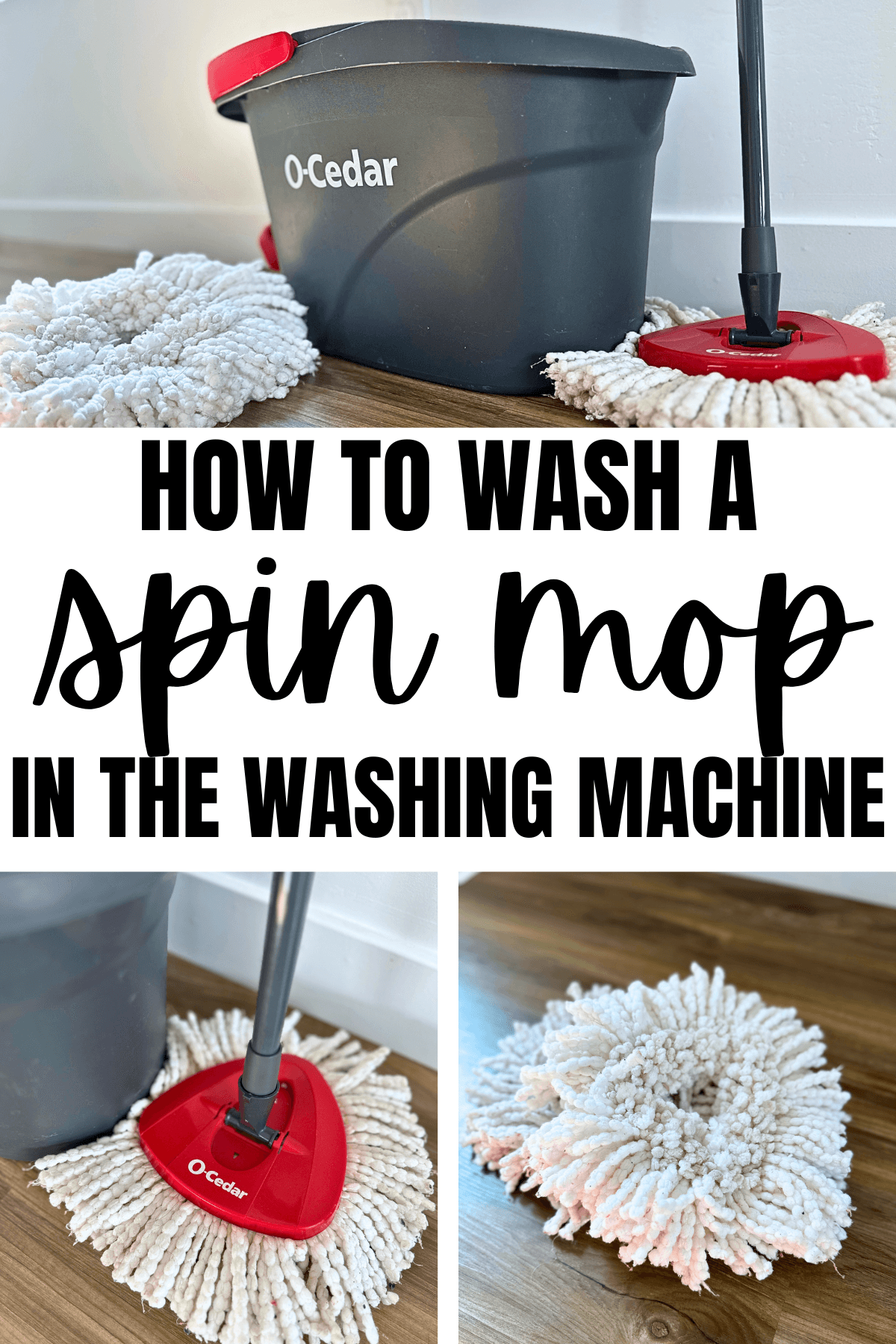
For most people, machine wash is fine if your mop head allows it. For expensive or delicate heads, use hand washing.
Credit: www.motherhoodmanaged.com
How To Make Your Cedar Mop Head Last Longer
Taking a few extra steps can double the life of your mop head.
- Rinse after every use. Even a quick rinse removes most dirt and germs.
- Rotate mop heads. Use one while the other dries.
- Dry fully. Sunlight is best, but a fan works too.
- Store off the floor. Hang the mop so air can circulate.
- Wash with similar items only. Towels or other cleaning cloths are safe, but not clothes.
Pro tip: If you mop up grease, rinse with a bit of dish soap before your regular wash. Grease can clog fibers and cause odors.
What To Do If Your Mop Head Starts To Smell
A smelly mop head usually means bacteria or mildew. Here’s what you can do:
- Soak in hot vinegar water (as hot as the material allows) for 10–20 minutes.
- Add baking soda if the smell is strong.
- Rinse well and dry in sunlight.
If the smell returns after cleaning, it’s time for a replacement.
Credit: www.ocedar.com
Eco-friendly Ways To Wash Cedar Mop Heads
If you want to avoid chemicals, you can use these methods:
- White vinegar is a natural disinfectant.
- Baking soda removes odors.
- Lemon juice can also help remove smells and brighten the fibers.
- Sunlight is a natural sanitizer.
Remember, always rinse well to avoid leaving a smell of vinegar or lemon on your mop head.
Special Tips For O-cedar Mop Heads
O-Cedar is one of the most popular cedar mop brands. Their mop heads are usually machine washable microfiber. Here’s how to care for them:
- Remove the head and wash on gentle cycle, cold or warm water only.
- Never use bleach or fabric softener.
- Air dry for best results.
- Replace every 3–6 months for top cleaning.
If you’re unsure, check the O-Cedar website for care instructions or see their official cleaning guide.
Troubleshooting: Problems And Solutions
Even with good care, you may have issues. Here’s how to fix common problems.
Mop Head Keeps Falling Off
- Check if the attachment is worn or broken.
- Make sure you’re attaching it the right way (sometimes it needs a twist or click).
- If the connector is cracked, replace the mop head.
Mop Head Doesn’t Clean Well
- Check for clogged fibers—wash with dish soap and rinse well.
- Make sure you’re not using too much detergent or fabric softener.
- Replace if the strands are worn or stiff.
Mop Head Leaves Streaks
- Rinse out all soap after washing.
- Dry fully before use.
- Avoid using too much cleaner on your floors.
Mop Head Dries Too Slowly
- Hang in a sunny or windy spot.
- Spread strands apart for better airflow.
- Rotate between two mop heads to always have a dry one.
When To Replace Your Cedar Mop Head
Regular washing helps your mop head last, but it won’t last forever. Replace your mop head if:
- It is fraying or breaking.
- It smells bad after washing.
- It doesn’t clean well anymore.
- It has visible mold or black spots.
Most people need a new mop head every 3 to 6 months with regular use. If you mop daily or have a large area, you may need to replace it more often.
Frequently Asked Questions
How Often Should I Clean My Cedar Mop Head?
You should rinse your mop head after every use and do a full wash at least once a week. If you clean up something very dirty or after illness, wash and disinfect right away.
Can I Put My Cedar Mop Head In The Dryer?
No. Most cedar mop heads, especially microfiber types, should never go in the dryer. Heat can melt or shrink the fibers. Always air dry for best results.
What Kind Of Detergent Is Safe For Cedar Mop Heads?
Use a mild laundry detergent without bleach or fabric softener. Strong chemicals can damage the fibers and reduce the mop’s cleaning power.
How Can I Get Rid Of A Bad Smell In My Mop Head?
Soak the mop head in a solution of vinegar and water (add baking soda for strong odors). Rinse well and dry in the sun. If the smell stays, it’s time to replace the mop head.
Is It Safe To Use Bleach On A Cedar Mop Head?
No. Bleach can damage both microfiber and natural cedar fibers, making the mop less effective and shorter-lived. Stick to vinegar, baking soda, or mild detergent for disinfecting.
Keeping your cedar mop head clean is not just about hygiene—it also saves you money and keeps your floors looking their best. With the right washing, drying, and storage habits, your mop will stay fresh and do a better job for months to come. Remember: a clean mop cleans best!