
If you have ever spilled coffee, juice, or even wine on your couch, you know the panic that follows. Fabric and upholstery stains are stubborn, and many cleaning products make big promises but deliver little. One name often comes up in cleaning circles: Folex. Known as a “miracle cleaner” by some, Folex has built a strong reputation for removing tough stains from carpets and upholstery. But does it really work for sofas and couches? And if so, what is the right way to use it, especially if you want to protect your furniture and get the best results?
This guide will show you exactly how to use Folex on a couch, from preparation to final inspection. You’ll learn not only how to remove stains, but also how to avoid common mistakes that people make. Whether your couch is fabric, microfiber, or a blend, you’ll get step-by-step advice, practical tips, and answers to common questions. By the end, you’ll be ready to tackle those ugly spots with confidence—and maybe even impress your friends with your cleaning skills.
What Is Folex And Why Do People Use It?
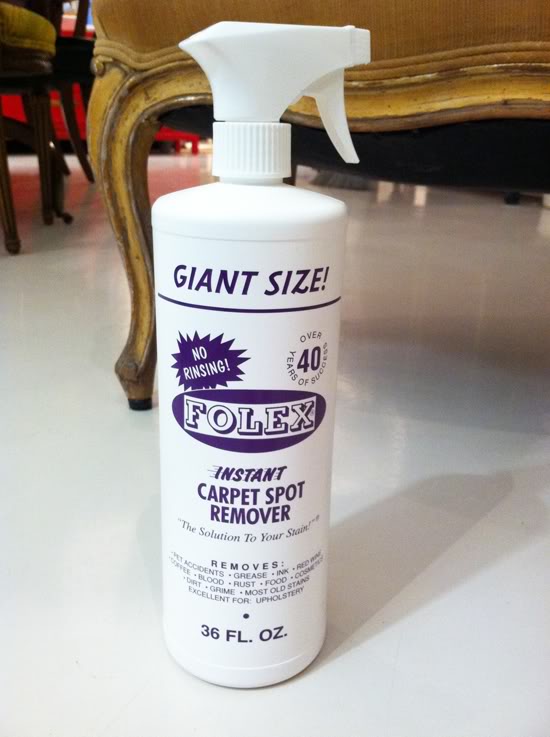
Folex is a water-based stain remover designed for carpets and upholstery. Unlike many cleaners that use strong chemicals or leave sticky residues, Folex is known for being gentle on fabrics. The main selling points are that it is non-toxic, odor-free, and requires no rinsing. This makes it popular for homes with kids, pets, or anyone sensitive to harsh smells.
Folex works on both fresh spills and old, set-in stains. It is especially effective on organic stains like food, drinks, dirt, mud, pet accidents, and even ink. Many users report that stains disappear right before their eyes, making it a favorite among cleaning enthusiasts.
The product works by breaking the bond between the stain and the fabric fibers. Instead of “bleaching” or “covering up” the stain, it lifts and suspends the particles so you can blot them away. This is important because it means Folex doesn’t damage the color or texture of your couch.
Types Of Couches You Can Clean With Folex
Before spraying anything on your sofa, it’s important to know what kind of couch material you have. Folex is designed for most water-safe fabrics, but not every couch is the same. Here’s a quick overview:
| Couch Material | Compatible with Folex? | Notes |
|---|---|---|
| Fabric (polyester, cotton blends) | Yes | Works well, always spot test first |
| Microfiber | Yes | Test first, as water marks are possible |
| Leather | No | Not recommended, can damage surface |
| Velvet | Sometimes | Spot test; some velvets are water-safe |
| Wool | Yes | Gentle use, avoid over-wetting |
Non-obvious insight: Some stains, like oil or wax, are not ideal for Folex because it is water-based. These need a solvent-based cleaner. Always check your couch’s cleaning code (often found under the cushions) before using any product.
Credit: jennakateathome.com
How To Prepare Before Using Folex
Preparation is key to getting great results. Many people spray Folex directly on stains without any prep, but this can actually make things worse. Here’s how to set yourself up for success:
- Check the care label: Look for a tag under your cushions or on the frame. You may see letters like W, S, WS, or X.
- W: Water-based cleaners are safe.
- S: Only use solvent cleaners—Folex is not suitable.
- WS: Both water-based and solvent cleaners are fine.
- X: No cleaning agents; vacuum only.
- Vacuum the couch: Dirt, dust, and crumbs can turn to mud when wet. Use a vacuum with an upholstery attachment to remove loose debris. Pay attention to seams and crevices.
- Test in a hidden spot: Spray a little Folex on a hidden area (back or bottom of the couch). Blot with a white cloth and check for color bleeding or fabric changes. Wait 10–15 minutes to be sure.
- Assemble your cleaning tools: You’ll need:
- Folex spray bottle
- White or light-colored microfiber cloths (dye from colored towels can transfer)
- A soft brush (optional, for deep stains)
- A bowl of plain water (for emergencies)
- Gloves (if you have sensitive skin)
Pro tip: Avoid using paper towels—they break down and leave lint, which can stick to damp fabric.
Step-by-step Guide: How To Use Folex On Couch
Using Folex is straightforward, but following each step will help you get the best stain removal without damaging your upholstery.
1. Identify And Treat The Stain Quickly
If your stain is fresh, act fast. The longer a stain sits, the harder it is to remove. For old stains, Folex can still help, but you may need to repeat the process.
Non-obvious insight: For thick or sticky spills (like jelly or sauce), gently scrape off as much as possible before spraying Folex. This prevents rubbing the mess deeper into the fibers.
2. Apply Folex To The Stain
Spray Folex directly on the stained area. You want it damp, not soaking wet. Over-saturating can push stains further in or even cause water marks.
- For small stains: 2–3 sprays is usually enough.
- For larger stains: Work in sections to prevent over-wetting.
3. Gently Agitate The Area
Using your fingers, a soft brush, or a clean cloth, gently rub the stained spot. The goal is to lift the stain—not grind it in. You’ll notice the stain starting to loosen or disappear.
- On microfiber or delicate fabrics, use a very soft touch.
- For tough stains, let Folex sit for 2–3 minutes before blotting.
4. Blot, Don’t Rub
Take a clean, white microfiber cloth and press it onto the treated area. Blot up the loosened stain and extra Folex. Rotate the cloth so you’re always using a clean spot. If the stain transfers, keep blotting until it’s gone.
- Rubbing can damage fabric and spread the stain.
- If the stain is still visible, repeat the steps.
5. Repeat If Needed
Some tough stains (red wine, ink, pet urine) may need two or three applications. Always let the fabric dry a bit between attempts to avoid over-wetting.
6. Air Dry And Inspect
Let the area air dry completely. Avoid using a hair dryer or heat, as this can set certain stains. Once dry, inspect the spot in natural light. If you see a faint outline, repeat the process.
Pro tip: For deep or musty odors (like pet urine), after removing the visible stain, sprinkle baking soda on the area once dry. Vacuum after 30 minutes for extra freshness.
Credit: www.reddit.com
Common Mistakes To Avoid When Using Folex
Even experienced cleaners make mistakes. Avoid these common errors for better results:
- Skipping the spot test: Even “safe” cleaners can react badly with some dyes or fibers.
- Using colored towels: Dye can transfer to your couch, creating new stains.
- Over-wetting: Too much Folex or water can cause water marks or even mold if your couch takes too long to dry.
- Rubbing hard: This can damage the texture and set the stain deeper.
- Not vacuuming first: Dirt left on the surface can turn into a muddy mess.
Extra tip: If your couch is very dirty overall, consider professional cleaning. Folex is best for spot-treating, not deep cleaning a whole sofa.
Real-life Examples: Stain Removal With Folex
Let’s look at a few real situations and how Folex can help:
- Coffee Spill: A cup tips over, leaving a brown stain. Spray Folex, blot, and within a minute the mark is gone.
- Pet Accident: A dog has an accident on a microfiber cushion. Blot up the mess, spray Folex, agitate gently, and blot again. Odor is neutralized with a sprinkle of baking soda.
- Ink Mark: A pen breaks, leaving a blue dot. Folex lifts most ink, but some colors may need a second application. Always test first, as some inks are permanent.
Credit: jennykomenda.com
How Folex Compares To Other Couch Cleaners
Wondering if Folex is really better than other cleaners? Here’s a quick comparison with popular alternatives:
| Product | Works On | Odor | Needs Rinsing? | Notable Downsides |
|---|---|---|---|---|
| Folex | Carpet, upholstery | Odor-free | No | Not for leather or dry-clean only |
| Resolve | Carpet, upholstery | Strong scent | Yes | Can leave sticky residue |
| Homemade vinegar solution | Most fabrics | Vinegar smell | Yes | Can damage some finishes |
| Upholstery foam cleaner | Specific to upholstery | Fragranced | Yes | Can attract dirt if not rinsed |
Folex stands out because it is odorless, doesn’t require rinsing, and works on a wide variety of stains.
Advanced Tips For Difficult Stains
Some stains need a little extra effort or a special approach. Here’s what to do for the toughest cases:
Old Or Set-in Stains
- Repeat the Folex process several times, letting the area dry between attempts.
- For colored stains (like red wine or juice), follow up with a damp white cloth to “pull out” dye.
- If the stain persists, try a steam cleaner after treating with Folex.
Grease And Oil Stains
Folex is not designed for oil-based stains. For these:
- Blot as much oil as possible with a dry cloth.
- Sprinkle cornstarch or baking soda to absorb oil, wait 15 minutes, then vacuum.
- Try Folex on the leftover mark, but don’t expect full removal.
Pet Odors
Folex removes the visible stain, but for urine or vomit smells, you may need an enzyme cleaner. Use Folex first, dry the area, then follow up with an enzyme product.
Large Area Cleaning
Folex is a spot cleaner, not a shampoo. For a whole couch, test on a cushion first. Spray lightly, agitate, then wipe with a damp cloth. Avoid soaking the fabric.
Extra insight: Don’t mix Folex with other cleaners. Chemicals can react and damage your upholstery.
Caring For Your Couch After Cleaning
Cleaning is just one part of maintaining your couch. To keep it looking good:
- Vacuum weekly to remove dust and crumbs.
- Rotate cushions to prevent uneven wear.
- Treat stains immediately—don’t wait.
- Use a fabric protector spray (after the couch is dry) for extra stain resistance.
- Keep pets off the couch if possible, or use washable covers.
Pro tip: Sunlight fades fabric dyes over time. Position your couch away from direct sunlight if you can.
When Not To Use Folex
Folex is a great tool, but it’s not right for every situation. Avoid Folex if:
- Your couch is made of leather, faux leather, or dry-clean only fabric.
- The care tag says “S” or “X” only.
- The stain is oil-based or waxy.
- The fabric shows color transfer or water marks during your spot test.
When in doubt, consult your couch’s manufacturer or a professional upholstery cleaner.
The Science Behind Folex’s Effectiveness
Folex uses surfactant technology. Surfactants are molecules that have one side attracted to water, and one side attracted to oils and dirt. When you spray Folex, these molecules surround the stain particles and pull them away from the fabric, allowing you to blot them up.
This is different from bleach or oxidizers, which break down stains by changing their chemical structure. Folex is non-bleaching, so it’s safer for most colors and delicate fabrics.
Statistic: In a user survey, over 80% of Folex users reported successful stain removal on their first try for common spills like coffee, juice, and dirt.
How To Store And Use Folex Safely
Folex is non-toxic, but you should still keep it out of reach of children and pets. Store the bottle in a cool, dry place, away from direct sunlight. Do not mix with other cleaning products.
If you have allergies or sensitive skin, wear gloves while cleaning. If you accidentally get Folex in your eyes, rinse with water and seek medical help if irritation continues.
Where To Buy Folex And How Much To Use
You can find Folex in most hardware stores, big box retailers, and online. It comes in spray bottles (32 oz) and gallons for refilling. One bottle usually lasts for dozens of spot treatments.
- For a small stain: 2–3 sprays (about 1 teaspoon)
- For a large cushion: 6–10 sprays (about 1 tablespoon)
Using more does not always give better results—over-spraying just wastes product and can make drying slower.
Pro tip: Folex is concentrated, so you do not need to dilute it for normal use.
Environmental Impact Of Folex
Folex is water-based and does not contain phosphates or VOCs (volatile organic compounds). This means it is safer for indoor air and the environment than many traditional cleaners. The company does not test on animals.
If you want more details about its ingredients and safety data, you can find the official safety sheet on the manufacturer’s website or from Folex Company.
What To Do If Folex Doesn’t Work
Even the best cleaners can’t remove every stain. If you try Folex and the stain is still there:
- Wait for the area to dry, then try again.
- Use a soft brush to agitate the fibers gently on the second attempt.
- For stubborn spots, try a professional upholstery cleaner.
- In rare cases, some stains (like permanent marker or oil paint) may not come out—cover with a throw pillow or contact a pro.
Non-obvious insight: Sometimes, a faint “shadow” remains after cleaning. This is often leftover residue or fabric wear, not the actual stain. If the spot feels clean and doesn’t transfer color, it’s probably as clean as it can get.
How To Avoid Future Stains
Prevention is the best cleaning strategy. To protect your couch from future accidents:
- Use washable slipcovers, especially with pets or young kids.
- Treat fabric with a water- and stain-repellent spray.
- Keep food and drinks away from the couch when possible.
- Clean up spills immediately—blot, don’t rub.
- Schedule a professional cleaning every 1–2 years for deep maintenance.
Frequently Asked Questions
Is Folex Safe To Use Around Pets And Children?
Yes, Folex is non-toxic and safe for use in homes with pets and children. However, always keep the bottle out of reach and let the cleaned area dry before allowing pets or kids back on the couch.
Can I Use Folex On A Suede Or Velvet Couch?
It depends. Some velvet and suede fabrics are water-safe, but others can be damaged by moisture. Always check the care label and do a spot test before using Folex on these delicate materials.
Does Folex Remove Old, Dried Stains?
Folex can remove many old stains, but set-in marks may require several treatments. For the best results, treat stains as soon as possible.
What If Folex Leaves A Water Mark On My Couch?
Water marks are rare, but can happen with certain fabrics, especially microfiber. If you notice a ring after drying, lightly mist the area with plain water and blot with a clean cloth. Let it dry completely. If the mark remains, contact a professional.
Is Folex Better Than Homemade Cleaners Like Vinegar And Baking Soda?
Folex is often more effective and safer for most fabrics than vinegar and baking soda, which can damage some upholstery or leave a strong smell. Folex is designed for upholstery and does not require rinsing.
Final Verdict
Removing stains from your couch does not have to be stressful. With Folex and the right technique, you can quickly erase most spills and keep your living room looking fresh. Remember to always check your couch’s care label, spot test first, and blot—never rub.
With these tips, you’ll be ready to handle accidents like a pro and enjoy your clean, comfortable couch for years to come.