
If you’ve ever walked down to your basement and noticed standing water, a bad smell, or slow draining, you’re not alone. A clogged floor drain in the basement is a common problem for homeowners, especially in older houses. Ignoring the issue can lead to flooding, mold, or even foundation damage. But the good news is, you can often fix this problem yourself with some patience and the right steps.
This guide will walk you through everything you need to know about unclogging a basement floor drain—from understanding what causes clogs, to the best DIY methods, and when you should call a professional. Along the way, you’ll learn practical tips, what tools to use, and how to keep your drains clear in the future. Let’s get started on solving your basement drain troubles once and for all.
Why Basement Floor Drains Get Clogged
Before you jump into cleaning, it helps to know what causes basement floor drains to clog. This understanding saves time and prevents future issues.
Common Causes Of Clogs
- Hair and Soap Scum: If your basement has a shower or laundry room, hair and soap can build up over time.
- Dirt and Debris: Mud, dust, and small objects from cleaning or outdoor gear can wash into the drain.
- Grease and Oils: Some people pour paint, oil, or grease down basement drains, which harden and block water flow.
- Laundry Lint: Washing machines often drain into basement floor drains. Lint and fabric threads can create thick clogs.
- Tree Roots: In older homes, roots can find their way into underground pipes, slowly blocking them.
- Broken or Collapsed Pipes: Sometimes, the problem isn’t a typical clog but a damaged pipe that stops water from moving.
Signs Your Basement Drain Is Clogged
- Water drains slowly or not at all.
- Bad smells come from the drain.
- Water backs up onto the basement floor.
- Gurgling sounds come from nearby pipes.
- You see insects or small debris coming from the drain.
Knowing these causes and signs helps you choose the right unclogging method and avoid mistakes.
Essential Tools And Safety Tips
Dealing with a basement drain can get messy and sometimes dangerous. Having the right tools and following basic safety steps makes the job smoother and safer.
Must-have Tools
- Plunger: For simple clogs, a heavy-duty plunger works well.
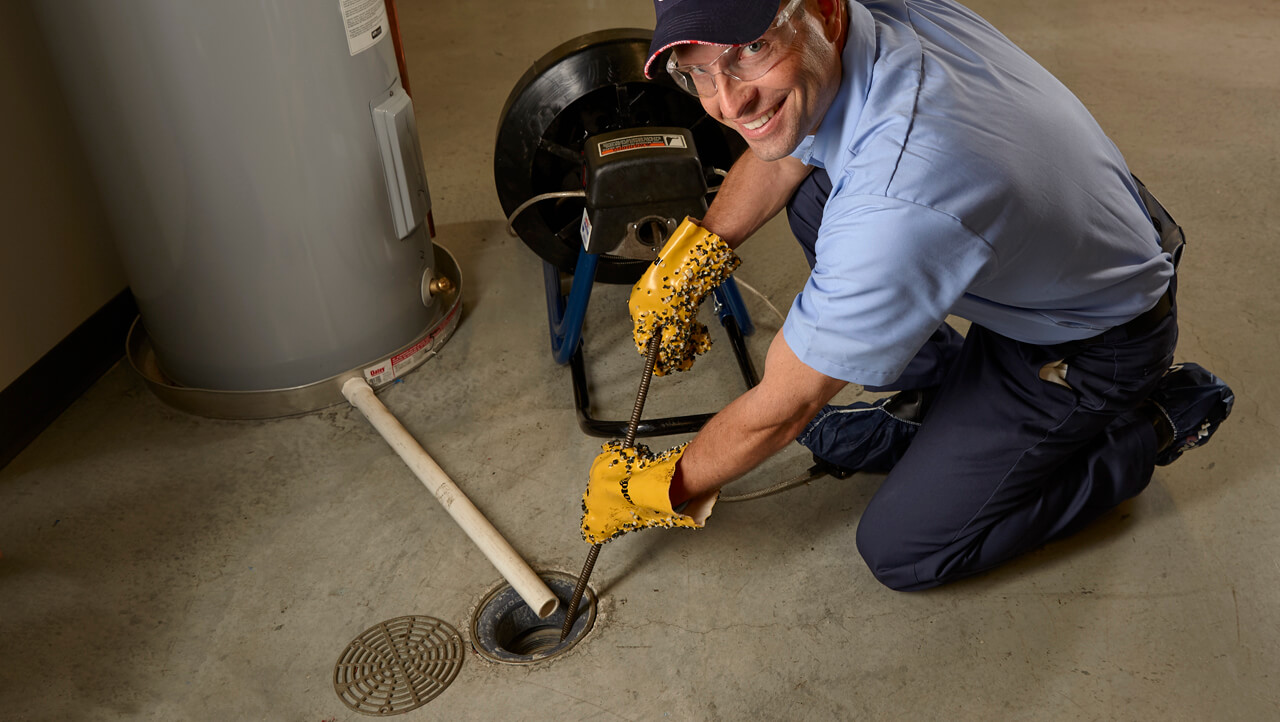
- Plumber’s Snake (Drain Auger): This tool breaks up stubborn clogs deep in the pipes.
- Wet/Dry Vacuum: Useful for removing standing water or sucking out debris.
- Pipe Brush: Scrubs away buildup inside the drain.
- Bucket and Rags: For cleaning and wiping up spills.
- Gloves and Eye Protection: Always protect your hands and eyes from dirty water and debris.
- Flashlight: Helps you see down into the drain.
- Drain Cleaning Chemicals (Optional): Use only as a last resort and with caution.
Safety Precautions
- Wear gloves and eye protection to avoid touching dirty water and chemicals.
- Ensure the basement is well-ventilated if you use cleaning chemicals.
- Turn off electrical appliances near the drain area to prevent shocks.
- Keep children and pets away from the work area.
Non-obvious insight: Many homeowners forget that using the wrong chemical can damage pipes, especially old metal ones. Always check your pipe material before pouring anything down the drain.
Credit: www.rotorooter.com
Step-by-step Guide To Unclogging A Basement Floor Drain
Not all clogs are the same. Sometimes, you’ll fix the problem in minutes; other times, you’ll need more effort. Here’s a complete method, from simplest to most advanced.
1. Remove Standing Water
If you see water around the drain, clear it first so you can work safely.
- Use a wet/dry vacuum or mop and bucket.
- Dispose of the water outside—not back down the drain.
Standing water can hide how serious the clog is. Removing it lets you see into the drain and prevents splashes.
2. Clear The Drain Cover
Most basement drains have a metal or plastic cover.
- Unscrew or lift the cover using a screwdriver.
- Clean off hair, lint, or debris stuck to the cover.
- Set the cover aside.
Tip: Sometimes the clog is right under the cover. Clean this area before trying deeper methods.
3. Use A Plunger
A plunger is often enough for small clogs.
- Place the plunger cup tightly over the drain opening.
- Add enough water to cover the plunger’s rubber base.
- Push down and pull up quickly for 30 seconds.
- Remove the plunger and check if water drains.
Repeat several times if needed. If the water starts to move, you’re making progress.
Non-obvious insight: If you have another drain nearby (like a laundry sink), plug it tightly before plunging. Otherwise, air escapes and reduces plunging force.
4. Manually Remove Visible Debris
If plunging doesn’t work, look into the drain with a flashlight.
- Use gloved hands or a pipe brush to pull out visible gunk.
- For deeper debris, try a bent wire hanger.
Do not push debris further down—it may worsen the clog.
5. Snake The Drain
For stubborn clogs, a drain snake is your best friend.
- Feed the snake into the drain until you feel resistance.
- Turn the handle clockwise to break up the clog.
- Push and pull gently to dislodge debris.
- Pull out the snake and wipe off any gunk.
Repeat until the snake moves freely and the drain works.
Pro tip: For best results, use a 25- or 50-foot snake. Shorter snakes may not reach deep clogs.
6. Flush With Hot Water
Once you clear the clog, flush the drain to remove loose debris.
- Boil a large pot of water (about 1–2 gallons).
- Pour the hot water slowly down the drain.
If water drains well, you’ve succeeded. If not, repeat snaking or try the next step.
7. Use Enzyme Or Bacterial Drain Cleaners
If mechanical methods fail, enzyme or bacterial cleaners can help.
- Pour the product according to label instructions.
- Wait several hours (or overnight) before flushing with water.
These cleaners are safer for pipes than harsh chemicals and help break down organic material.
8. Try Chemical Cleaners (as A Last Resort)
If nothing else works, use a chemical drain cleaner. These are powerful but can damage old pipes or harm the environment.
- Follow all safety instructions on the label.
- Wear gloves and goggles.
- Never mix different drain cleaners.
Warning: If you suspect tree roots or broken pipes, do not use chemicals. Call a professional instead.
9. Reinstall The Drain Cover And Clean Up
- Replace the drain cover.
- Clean all tools and the work area.
- Wash your hands and change clothes.
Keeping things clean prevents bacteria and mold.
Comparing Common Unclogging Methods
Sometimes, it’s hard to know which method to try first. The table below compares the most common ways to unclog a basement floor drain.
| Method | Best For | Cost | Pros | Cons |
|---|---|---|---|---|
| Plunger | Simple/Surface Clogs | Low | Easy, Quick, No Chemicals | Not for Deep Clogs |
| Drain Snake | Deep/Heavy Clogs | Moderate | Works Well, Reusable | Can Be Messy |
| Wet/Dry Vacuum | Standing Water, Loose Debris | Moderate | Removes Water, Multi-use | Limited for Solid Clogs |
| Enzyme Cleaner | Organic Clogs | Low-Moderate | Safe for Pipes | Slow Results |
| Chemical Cleaner | Last Resort | Low | Fast-Acting | Pipe Damage Risk |
When To Call A Professional
While many clogs are easy to fix, some require expert help. Waiting too long can mean bigger problems and higher costs.
Signs You Need A Plumber
- Repeated clogs: If the drain keeps blocking after cleaning, there may be a deeper issue.
- Sewage smell: This can mean a serious blockage or a sewer line problem.
- Multiple drains clogged: If toilets, sinks, and the basement drain are all slow, the main sewer line might be blocked.
- Water backing up when using other fixtures: For example, flushing a toilet causes basement water to rise.
- Suspected tree roots or collapsed pipes: These need special equipment and repairs.
What A Plumber Can Do
- Use a power auger (motorized snake) to break tough clogs.
- Run a sewer camera to inspect pipes.
- Replace or repair broken pipes.
- Remove tree roots or repair collapsed lines.
Tip: If you call a pro, describe exactly what you’ve tried already. This saves time and money.
How To Prevent Basement Floor Drain Clogs
Prevention is always easier than fixing a problem. With some simple habits, you can avoid most clogs.
Regular Cleaning
- Remove and clean the drain cover every few months.
- Pour hot water down the drain monthly to break up buildup.
- Use a pipe brush to scrub inside the opening.
Use Drain Screens
Install a mesh drain screen under the cover to catch hair, lint, and debris. Clean it regularly.
Be Careful What Goes Down
- Never pour grease, oil, or paint down the basement drain.
- Do not flush large or hard items.
- If your laundry drains here, use a lint trap on your washing machine hose.
Control Roots And Outdoor Water
- Plant trees away from sewer lines.
- Fix cracked concrete around the drain to stop soil or debris from entering.
- Check for gutter or downspout leaks near the basement.
Schedule Professional Inspections
Have a plumber inspect your pipes every few years, especially if your home is older or you’ve had clogs before.
Non-obvious insight: Even if you don’t use your basement often, pour a bucket of water down the drain every few months. This keeps the trap filled and prevents sewer gases from entering your home.

Credit: www.youtube.com
The Role Of Basement Floor Drains In Home Safety
Your basement floor drain is more important than you might think. It protects your home from water damage, mold, and even fire risk.
- Water Removal: During heavy rain or leaks, the floor drain carries water away, preventing flooding.
- Sewage Backup Control: It acts as a backup exit for sewage if the main line is blocked.
- Mold Prevention: By removing standing water, it helps prevent mold growth.
- Air Quality: A working drain keeps sewer gases out, improving indoor air.
A clogged drain can turn a small leak into thousands of dollars in damage. Regular care is not just a chore—it’s home protection.
The Science Behind Drain Clogs
Understanding a bit about how pipes and drains work helps you solve and prevent clogs.
How Water Flows
Basement drains connect to your main sewer line or a sump pump system. Water flows downhill by gravity, carrying waste and debris. Pipes are designed with a slight slope to keep things moving.
What Causes Slow Draining
As debris builds up, it narrows the pipe. Water slows down, and more waste sticks to the sides, making the clog grow. In old pipes, corrosion or breaks can catch even more debris.
Why Some Clogs Return
If you only punch a hole through a clog (with a plunger or snake), debris can build up again quickly. Fully removing the blockage and cleaning the pipe walls helps prevent repeat issues.
| Clog Type | Main Cause | Best Removal Method | Chance of Recurrence |
|---|---|---|---|
| Hair/Soap | Shower/Laundry Use | Plunger, Snake, Enzyme | Moderate |
| Dirt/Debris | Outdoor Shoes, Cleaning | Manual Removal, Snake | Low (if cleaned regularly) |
| Roots | Tree Growth | Professional Auger/Repair | High (unless roots removed) |
| Grease/Oil | Improper Disposal | Chemical, Snake | High (if repeated) |
Cost Comparison: Diy Vs. Professional Help
Clogged basement drains can be expensive, but smart choices can save money. Below, see how DIY compares to hiring a plumber.
| Option | Typical Cost | Best For | Risks |
|---|---|---|---|
| DIY (Plunger, Snake) | $0–$50 | Simple/Surface Clogs | May Miss Deep Problems |
| DIY (Chemical Cleaners) | $5–$20 | Last Resort/Organic Clogs | Pipe Damage, Health Hazards |
| Professional Plumber | $150–$500+ | Recurring, Serious, or Deep Clogs | Higher Cost |
| Sewer Line Repair | $1,000–$5,000+ | Broken/Collapsed Pipes | Major Work Needed |
Pro tip: Buying your own drain snake pays off after just one or two uses.
For more on sewer systems and home plumbing, visit the Wikipedia Drain (plumbing) page.
Frequently Asked Questions
What Should I Do If My Basement Floor Drain Keeps Clogging?
If your drain clogs again and again, it may be a sign of a bigger problem—like tree roots, a broken pipe, or a main sewer line issue. Try the steps above, but if the problem returns quickly, call a professional plumber to check your pipes with a camera.
Are Chemical Drain Cleaners Safe For Basement Drains?
Chemical cleaners can clear some clogs, but they may damage old metal pipes or harm the environment. They’re best used as a last resort for organic clogs. Always wear gloves and goggles, and never mix different chemicals.
How Often Should I Clean My Basement Floor Drain?
For best results, check and clean the drain cover every 2–3 months. Pour hot water down the drain monthly, and use a pipe brush every few months to stop buildup before it causes trouble.
Can A Clogged Basement Drain Cause Flooding?
Yes. A blocked drain can let water build up during heavy rain, leaks, or plumbing failures. This can flood your basement, cause mold, and damage your home’s foundation.
What Are The Signs Of A Serious Basement Drain Problem?
Warning signs include repeated clogs, sewage smells, water backing up into other drains, and slow draining throughout the house. These may mean a main sewer line issue or broken pipes. Call a plumber right away.
Fixing a clogged basement floor drain can be a simple DIY project or a sign of deeper plumbing problems. With the right knowledge, tools, and habits, you can solve most clogs quickly and prevent future headaches. Protect your basement, your home, and your health by keeping those drains clear and well-maintained.

Credit: www.reddit.com