
Turning a basement into a bedroom can completely change your home. It creates extra space, offers privacy, and often increases your property value. But this project is more than simply moving a bed downstairs. You need to think about safety, comfort, legal requirements, and design.
Every detail matters, from the air you breathe to the amount of light in the room. Planning your basement bedroom carefully means you’ll not only have more room, but you’ll also make your home more functional and attractive for years to come.
This guide will walk you through every step to turn your basement into a welcoming, legal, and comfortable bedroom. Whether you want a cozy guest room, a teenager’s private space, or a rental suite, you’ll learn how to transform your basement successfully—even if you’re not an expert in renovation.
You’ll find practical advice, real-life examples, common mistakes to avoid, and important insights that many beginners miss. By the end, you’ll feel confident to start creating your new basement bedroom.
Understanding Legal Requirements And Safety Codes
Before you buy paint or pick out furniture, you must know the rules. Building codes and safety standards are not just red tape—they keep your family safe and your investment protected.
Local Building Codes
Most cities in the US have strict rules about basement bedrooms. These codes may cover:
- Minimum ceiling height (usually at least 7 feet)
- Emergency exits (egress windows or doors)
- Ventilation and lighting requirements
- Smoke and carbon monoxide detectors
Ignoring these rules can lead to fines, problems with your homeowner’s insurance, or even an order to undo your renovations.
Tip: Always check with your city’s building department before starting. They can explain what’s required and may provide checklists or guides.
The Importance Of Egress
One of the most critical safety issues is the egress requirement. Every bedroom must have an exit that leads directly outside in case of fire or emergency. This usually means a properly sized window or door, even in the basement.
For example, the International Residential Code requires:
- The egress window must be at least 20 inches wide and 24 inches high
- The opening must be a minimum of 5.7 square feet
- The window sill can’t be more than 44 inches above the floor
If your basement doesn’t have a window or door that meets these sizes, you’ll need to add one. This often involves cutting into the concrete wall, so it’s not a DIY job for most homeowners.
Permits And Inspections
You will likely need a building permit to convert your basement. The permit process often includes several inspections:
- Rough framing
- Electrical
- Plumbing (if you add a bathroom)
- Final inspection
Getting permits may seem like a hassle, but it ensures your project is safe and legal. It also protects your resale value—future buyers may ask for proof your basement bedroom is up to code.
Fire Safety Measures
Every basement bedroom must have working smoke alarms and often carbon monoxide detectors. Some codes require them to be interconnected, so if one goes off, they all do.
Non-obvious insight: Many homeowners forget about fire-rated drywall or fire-blocking insulation, which might be required for basement walls and ceilings. Ask your inspector if your area needs these materials.
Planning Your Space And Layout
A well-designed basement bedroom feels inviting, not like an afterthought. Planning the layout is key to getting the most from your space.
Assessing The Basement
Start by looking at your basement’s current condition:
- Is there enough headroom everywhere?
- Are there large obstacles (like posts or ductwork) to work around?
- Is the floor dry, or are there signs of water leaks?
- Where are the utilities (electrical panels, water meters, etc. )?
Practical example: Some basements have low ducts or pipes. Plan your room so the bed or sitting area is under the highest ceiling.
Choosing The Bedroom Location
Not every part of the basement is equally suitable. Try to pick a spot that:
- Has exterior walls (for windows)
- Is far from noisy utilities (like the furnace)
- Feels dry and comfortable
If possible, position the bedroom near natural light. If not, plan for extra lighting.
Creating A Functional Floor Plan
Draw out your floor plan. Consider:
- Where will the bed fit best?
- Do you have room for a closet (which is often required by code for a legal bedroom)?
- Is there space for a desk, sitting area, or other furniture?
Non-obvious insight: If your home’s main plumbing stack is nearby, you could easily add a bathroom later. Even if you’re not ready now, think ahead—it’s harder to move walls once they’re built.
Multi-use Spaces
A basement bedroom can also serve other needs. For example:
- A guest room with a Murphy bed can double as a home office.
- A teenager’s bedroom might include a study nook.
- A rental suite may need a private entrance.
Design your space to be flexible for the future.
Moisture, Waterproofing, And Insulation
Basements are often damp, and moisture is the enemy of a comfortable bedroom. Fixing wetness now prevents mold, odors, and damage later.
Checking For Moisture
Before you build, check for:
- Water stains on walls or floors
- Musty odors
- Condensation on windows or pipes
- Cracks in the foundation
Simple test: Tape a piece of plastic to the concrete floor. If water forms under the plastic after 24 hours, your basement has moisture problems.
Waterproofing Steps
If you find moisture, solve it before finishing your basement:
- Fix exterior drainage: Clean gutters, extend downspouts, and slope soil away from the house.
- Seal cracks: Use hydraulic cement or epoxy for small cracks.
- Install a sump pump: If your basement floods, a sump pump is essential.
- Apply waterproof coatings: Paint-on waterproofers can help, but they’re not a substitute for proper drainage.
Insulation Choices
Basement walls need insulation for comfort and energy savings. The most common choices are:
- Rigid foam panels: Effective against cold and moisture.
- Spray foam: Seals air leaks and insulates well, but is expensive.
- Fiberglass batts: Affordable, but must be kept dry.
Non-obvious insight: Never put insulation directly against a wet wall. You’ll trap moisture and cause mold.
Vapor Barriers
In most climates, you’ll need a vapor barrier between the wall and your insulation. This keeps warm, moist air from condensing inside the wall.
Local codes vary, so ask your building inspector what’s required.
Framing, Walls, And Flooring
Once your basement is dry and insulated, you can start building the room itself.
Framing Basement Walls
Use pressure-treated lumber for any wood that touches concrete. Ordinary wood will rot if it gets wet.
- Frame walls at least 1 inch away from the foundation to prevent moisture transfer.
- Install blocking where you’ll hang heavy items (like cabinets or TVs).
Drywall And Soundproofing
Use mold-resistant drywall, often called “green board,” for basement walls and ceilings.
For extra soundproofing:
- Add insulation in the walls and ceilings.
- Use resilient channels to isolate drywall from joists.
This helps block noise from upstairs and keeps the bedroom quiet.
Flooring Options
Basement floors must handle moisture, even if you’ve waterproofed. The best choices are:
- Vinyl plank flooring: Waterproof, looks like wood, and feels warm.
- Ceramic tile: Durable and moisture-proof, but can feel cold.
- Carpet tiles: Add warmth and are easy to replace if there’s a spill.
Avoid: Solid wood flooring—it will warp in damp conditions.
Subfloor Systems
For extra warmth and comfort, consider a raised subfloor system. These are panels or grids that keep your finished floor above the concrete, letting air flow underneath.
Practical tip: If your basement sometimes gets damp, subfloors can help prevent musty smells.

Credit: www.youtube.com
Lighting, Ventilation, And Electrical
Basements are often dark and stuffy. Good lighting and fresh air make the bedroom feel like a real living space.
Maximizing Natural Light
If you have windows, keep them clear of outside obstructions. Trim bushes and clean wells to let in as much light as possible.
If not: Use plenty of artificial lighting.
- Recessed LED lights are popular because they don’t lower the ceiling.
- Add bedside lamps or wall sconces for a cozy feel.
Electrical Planning
You’ll need:
- Enough outlets for lamps, chargers, and electronics.
- Separate circuits for high-power items (like space heaters).
- GFCI outlets near any sinks or bathrooms.
Hire a licensed electrician—basement wiring can be tricky, and safety comes first.
Ventilation And Air Quality
Basement air can be stale. Good ventilation is essential for comfort and health.
- Connect the room to your home’s HVAC system if possible.
- Use a dehumidifier to keep humidity below 60%.
- Consider an HRV (heat recovery ventilator) if the room is sealed tight.
Non-obvious insight: Install an air return vent, not just a supply. This helps air flow and prevents stuffiness.
Smoke And Carbon Monoxide Detectors
Install smoke and carbon monoxide detectors as required by code. Many areas now require hardwired, interconnected alarms for extra safety.
Plumbing And Adding A Bathroom
A basement bedroom with a bathroom is much more useful, especially for guests or as a rental suite.
Planning For Plumbing
Adding a bathroom in the basement is challenging because drains must flow downhill. If your main sewer line is higher than the basement floor, you’ll need a sewage ejector pump.
- Plan bathroom location near existing plumbing if possible. This lowers costs.
- Check ceiling height—bathrooms require at least 6’8” in most codes.
Bathroom Features
A basic basement bathroom usually includes:
- Toilet
- Sink
- Shower (sometimes a tub)
Choose compact fixtures to save space.
Waterproofing And Ventilation
Use waterproof materials and install a strong exhaust fan to control moisture. This prevents mold and keeps the bedroom area comfortable.
Practical tip: Put a water alarm under the sink or behind the toilet. This will alert you to leaks before they cause big problems.
Storage, Closets, And Organization
Storage is often limited in basements, but every bedroom needs space for clothes and personal items.
Adding A Closet
Most codes require a closet for a legal bedroom. If there’s no room for a standard closet, consider:
- A wardrobe cabinet
- Built-in shelves with a curtain or doors
- A “reach-in” closet with sliding doors
Extra Storage Ideas
Make the most of your space:
- Use under-bed storage bins
- Build shelves into wall nooks or under stairs
- Add hooks or pegboards for bags and accessories
Non-obvious insight: If your basement has awkward ledges or ducts, turn them into display shelves or hidden cabinets.
Keeping Things Dry
Choose storage that resists moisture, like plastic bins or metal shelving. Avoid cardboard boxes, which can attract mold.
Heating, Cooling, And Comfort
Basements are naturally cooler than upstairs rooms, but that can be a benefit or a problem depending on your climate.
Extending Hvac
If your home has central heating and cooling, you may be able to run new ducts into the basement. This is the best way to keep the temperature comfortable year-round.
- Make sure your system can handle the extra load. Oversized or undersized units won’t work well.
Supplemental Heating Options
If extending the main system isn’t possible, try:
- Electric baseboard heaters: Simple and effective, but higher in energy cost.
- Ductless mini-split heat pumps: Provide both heating and cooling, very efficient.
- Radiant floor heating: Warm floors are especially nice in cold climates, but installation is expensive.
Practical tip: Use a programmable thermostat to avoid wasting energy when the basement bedroom isn’t in use.
Cooling Solutions
Basements are usually cool, but they can get stuffy in summer. Small portable air conditioners or dehumidifiers can improve comfort.
Non-obvious insight: Even if the air feels cool, high humidity can make the room uncomfortable. Monitor humidity and run a dehumidifier if needed.
Soundproofing And Privacy
Privacy is important, especially if the basement bedroom is for a teenager, guest, or renter.
Soundproofing Walls And Ceilings
For the best privacy, add sound-deadening insulation in walls and ceilings. Use solid-core doors, which block more noise than hollow ones.
If you’re building new walls, try to avoid running them directly under noisy rooms (like kitchens or bathrooms).
Door Choices
A solid, tight-fitting door gives more privacy. If you have a shared basement hallway, consider a door with a lock.
Window Treatments
Use blackout curtains or blinds for privacy and better sleep. They also help with insulation and noise reduction.
Design, Decor, And Personal Touches
Now for the fun part—making the basement bedroom feel like home.
Choosing Colors
Light, neutral colors make low-ceiling rooms feel bigger and brighter. Pale blues, greens, or grays work well.
Practical tip: Use washable paint in basements, as it resists moisture and is easy to clean.
Flooring And Rugs
Layer area rugs over hard floors for warmth and comfort. Choose rugs with rubber backs to prevent slipping on smooth vinyl or tile.
Furniture Tips
Basement bedrooms often have lower ceilings, so pick low-profile furniture. Avoid tall headboards or cabinets that make the room feel cramped.
If space is tight, consider furniture with built-in storage.
Lighting Accents
Add table lamps, string lights, or wall sconces to create a cozy feeling. Mirrors can also help bounce light around the room.
Bringing In Nature
Basements lack views, so add life with houseplants that do well in low light (like snake plants or pothos).
Non-obvious insight: Use artwork or wallpaper with outdoor scenes to make the room feel more connected to nature.
Budgeting And Cost Breakdown
Turning a basement into a bedroom can cost anywhere from $10,000 to $40,000 or more. Your final price depends on the size, finishes, and whether you add a bathroom.
Here’s a typical cost comparison for major elements:
| Item | Low-End Cost | High-End Cost |
|---|---|---|
| Permits & Inspections | $500 | $2,000 |
| Waterproofing & Insulation | $2,000 | $8,000 |
| Framing, Drywall, Paint | $3,000 | $10,000 |
| Flooring | $1,000 | $5,000 |
| Lighting & Electrical | $1,000 | $3,000 |
| Bathroom (if added) | $5,000 | $15,000 |
| Closet & Storage | $500 | $2,000 |
| Decor & Furniture | $1,000 | $3,000 |
Non-obvious insight: Many homeowners forget to budget for “hidden” costs, like moving utility meters, improving drainage, or fixing old wiring.
Diy Vs. Professional Help
You can save money by doing some work yourself, but certain jobs (like electrical, plumbing, and egress window installation) should be left to professionals.
Tip: Get at least three quotes for big jobs, and check references before hiring a contractor.
Common Mistakes To Avoid
Many people run into the same problems when converting a basement bedroom. Here’s how to avoid the big ones:
- Skipping permits: Unpermitted work can cause legal and safety problems.
- Ignoring moisture: Even a little dampness can ruin your investment.
- Not planning for egress: A basement bedroom without a proper exit is illegal and unsafe.
- Poor lighting: A dark room feels unwelcoming, no matter how nice the furniture is.
- Underestimating costs: Small surprises add up fast—always plan for a 10–15% contingency fund.
- Overcrowding the space: Basements often have less room—choose furniture and layouts carefully.
Example Floor Plans
Here are three sample layouts to help you visualize your project:
| Plan Type | Features | Best For |
|---|---|---|
| Simple Bedroom | Bedroom, Closet, Egress Window | Teen, Guest |
| Suite with Bath | Bedroom, Closet, Bathroom, Storage | Rental, Master Suite |
| Multi-Use | Bedroom/Office, Murphy Bed, Built-in Desk | Home Office, Occasional Guest |
You can adapt these ideas to fit your basement’s unique features.
Increasing Home Value
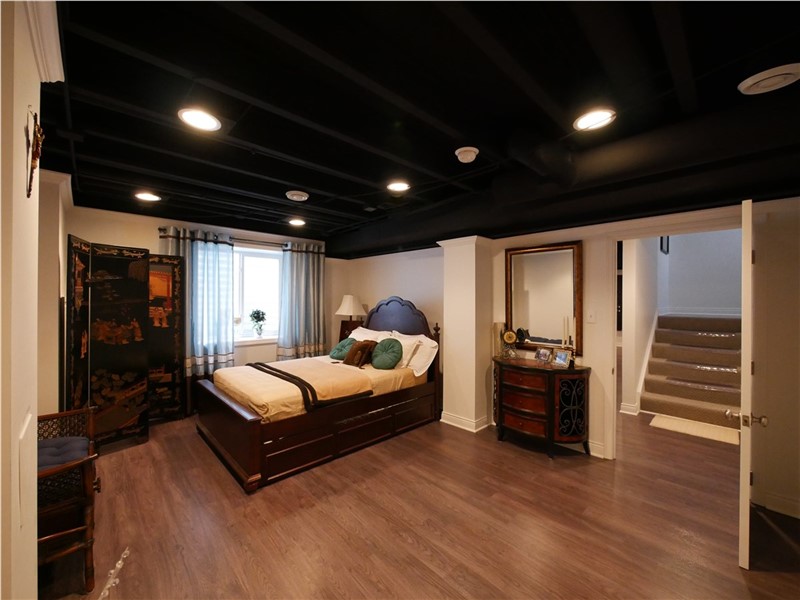
A legal, attractive basement bedroom can add significant value to your home. According to the National Association of Realtors, finished basements recoup about 70% of their cost at resale.
Tip: Buyers look for flexible space—an extra bedroom, guest room, or rental suite. Make your basement bedroom as versatile as possible.
Credit: www.matrixbasements.com
Real-life Example
Sarah, a homeowner in Ohio, turned her 500-square-foot basement into a bright guest suite. She invested $22,000, including a small bathroom. Thanks to proper waterproofing and egress windows, her home appraised at $35,000 more after the project. Now, she uses the space for visiting family, and plans to rent it to college students in the future.
Frequently Asked Questions
What Is The Minimum Ceiling Height For A Basement Bedroom?
Most building codes require a minimum ceiling height of 7 feet for bedrooms, including in basements. Some older homes may allow slightly lower ceilings if there are no structural changes. Always check with your local building department for their exact requirements.
Do I Need An Egress Window In My Basement Bedroom?
Yes, almost every US city requires an egress window or exterior door in basement bedrooms. This window must be big enough for a person to escape in an emergency and for firefighters to enter. The most common requirement is at least 5.7 square feet of opening space.
How Do I Keep My Basement Bedroom Dry?
Start by fixing any exterior drainage problems, like clogged gutters or sloped soil. Waterproof the walls and floors with sealants. Use a dehumidifier to keep humidity below 60%, and avoid installing finishes until the space is completely dry.
Can I Add A Bathroom To My Basement Bedroom?
Yes, but it’s more complex than upstairs bathrooms. You may need a sewage ejector pump if your main sewer line is above the basement floor. Always get permits and hire a licensed plumber for bathroom additions.
Does A Basement Bedroom Add Value To My Home?
A finished, legal basement bedroom almost always adds value. It provides extra living space and can appeal to buyers looking for guest rooms or rental potential. On average, you can recoup about 70% of the cost when you sell, according to the National Association of Realtors (NAR).
Turning your basement into a bedroom is a rewarding project, but it requires good planning and attention to detail. By following these steps, you’ll create a space that’s safe, comfortable, and truly adds to your home’s value and enjoyment for years to come.

Credit: www.reddit.com