
If you have ever finished a woodworking project and ended up with a color that shouts louder than you wanted, you are not alone. Orange wood stain is a common problem, especially with pine, oak, and other softwoods. That bright orange glow might look warm at first, but in the wrong light or with certain finishes, it can overwhelm your space. The good news? You do not need to start over or accept a color you dislike. Toning down orange wood stain is possible with the right products, careful technique, and a bit of patience.
This guide explores every method you can use—from quick fixes to more advanced solutions—to get the subtle, modern look you want. You will find step-by-step advice, practical comparisons, and expert tips that go beyond the basics. Whether you are working on a floor, cabinets, furniture, or trim, these strategies will help you regain control over your wood’s color.
Why Does Wood Stain Turn Orange?
Before you try to fix orange stain, it helps to understand why it happens. Not all woods or stains react the same way, and sometimes the culprit is not what you think.
- Wood species: Some woods, like pine and oak, naturally have warm, yellow-red tones. When you apply a clear or golden stain, these colors intensify.
- Stain selection: Oil-based stains and some water-based stains can bring out orange hues, especially those labeled “golden oak,” “cherry,” or “pecan.”
- Aging: Wood naturally changes color over time. Sunlight, air, and even clear finishes can turn wood more orange as the years go by.
- Application errors: Applying too much stain, not wiping enough, or using the wrong applicator can leave excess pigment that shifts orange.
Knowing what caused the orange will help you choose the best way to fix it.
Quick Assessment: How Bad Is The Orange?
Before you start, assess how deep the orange color runs. Is it only on the surface? Or is the wood soaked through with stain? Here’s a simple way to check:
- Wipe the surface with mineral spirits. This shows you what the wood will look like under a clear coat. If it still looks very orange, the stain is deep.
- Check for old topcoats. If you have varnish or polyurethane over the stain, you may need to remove it before fixing the color.
This quick check saves you time and helps you plan your approach.
Methods To Tone Down Orange Wood Stain
There are several ways to reduce orange tones in wood. The right method depends on your wood, stain type, and how much change you want. Let’s look at each option in detail.
1. Apply A Toning Glaze Or Gel Stain
A toning glaze or gel stain is one of the easiest ways to adjust wood color without stripping it down to bare wood. These products sit on top of your existing finish and add a thin layer of color.
- Choose a cool color: Look for colors with gray, blue, or green undertones. These are opposite orange on the color wheel and will neutralize it.
- Popular choices: Gray, weathered oak, classic walnut, or espresso.
- How to apply: Lightly sand the surface to dull the sheen. Wipe on the glaze or gel stain with a cloth, working in the direction of the grain. Wipe off excess. Let it dry and repeat if needed.
Non-obvious tip: Test your glaze on a hidden spot. The final color will look different over an orange base than on raw wood.
2. Use A Wash Or Diluted Paint
A paint wash is a thin mixture of paint and water (or paint and clear glaze). It acts like a filter, muting the color beneath.
- Best colors: White, light gray, or a very pale blue.
- Mix ratio: Start with 1 part paint to 3–4 parts water or glaze.
- Application: Brush or wipe the wash over the wood, then quickly wipe off the excess with a clean cloth. This leaves a soft, transparent layer that tones down orange.
This method is ideal for a “weathered” or “driftwood” look.
3. Add A Toning Layer Between Coats
When refinishing, you can add a toner—a mix of finish and pigment—between coats. This works best on unfinished or sanded wood, but you can sometimes use it on lightly scuffed finishes.
How to do it:
- Mix a few drops of universal colorant (available at paint stores) into a clear finish (like polyurethane).
- Spray or wipe on a thin, even coat.
- Let dry and check the color before applying more.
This approach gives you fine control, but take care not to add too much pigment, or the finish may look muddy.
4. Sand And Restain With A Cooler Shade
If the orange is very deep or you want a big change, sanding is the most reliable fix.
- Sand with 120–150 grit to remove the old stain. Go with the grain and be patient.
- Choose a new stain: Walnut, gray, or weathered oak are good for neutralizing orange.
- Apply the new stain carefully. Wipe off excess and let dry fully before adding a topcoat.
Insider tip: After sanding, the wood may still hold some orange in the grain. A second pass with a gray or walnut stain can help mask it.
5. Use A Wood Dye
Wood dyes penetrate deeper than regular stains and give you more control over color. They are available in water, alcohol, and oil-based formulas.
- Advantages: Dyes can be mixed to create custom colors. A blue or green dye, used lightly, can counteract orange.
- Drawback: Dyes can be tricky to apply evenly on large surfaces.
Mix a small batch and test on scrap wood first.
6. Bleach The Wood
Wood bleach (usually oxalic acid or two-part A/B bleach) can remove some of the natural color from wood.
- When to use: If the orange is very strong and sanding is not enough.
- How to use: Follow the safety instructions. Apply bleach, let it work, then neutralize and rinse. Let dry completely before staining again.
This method can lighten the wood so much that you may need to add color back in. It is best for experienced DIYers.
7. Apply A Tinted Topcoat
Some modern finishes come pre-tinted, or you can add a few drops of colorant to your clear topcoat.
- Options: Water-based polyurethanes can be tinted with universal colorants or special dyes.
- How to apply: Stir well and apply thin coats. Build up the color slowly.
This lets you control the final look without removing the original stain.
8. Use A Color-correcting Wax
For small projects, color-correcting waxes can tone down orange and add subtle highlights.
- How it works: Choose a wax with gray or dark brown pigment. Rub into the wood, then buff.
- Limitations: This is a temporary fix and works best on low-wear areas like picture frames or shelves.
9. Cover With Decorative Finishes
If nothing else works or you want a creative solution, decorative finishes can cover orange wood.
- Techniques: Dry brushing, color washing, or even stenciling.
- Result: You get a unique look, and the orange becomes part of a layered effect.
This method is great for accent pieces or artistic furniture.
Comparing The Methods: What Works Best?
Choosing the right method depends on your project, skill level, and how much time you have. Here’s a quick comparison:
| Method | Difficulty | Speed | Best For | Durability |
|---|---|---|---|---|
| Glaze/Gel Stain | Easy | Fast | Furniture, cabinets | Good |
| Paint Wash | Medium | Fast | Accent pieces | Fair |
| Toner Layer | Hard | Medium | Experienced DIYers | Excellent |
| Sand & Restain | Medium | Slow | Deep color change | Excellent |
| Wood Dye | Hard | Medium | Custom colors | Excellent |
| Bleach | Hard | Slow | Severe orange | Excellent |
| Tinted Topcoat | Medium | Medium | Subtle changes | Good |
| Wax | Easy | Fast | Small items | Temporary |
| Decorative Finish | Easy | Medium | Artistic looks | Fair |
Step-by-step Guide: Neutralizing Orange Stain With A Glaze
Let’s walk through a practical example using a glaze, which is the most beginner-friendly method.
Materials Needed
- Gray or walnut glaze or gel stain
- 220-grit sandpaper or sanding pad
- Clean, lint-free rags
- Small paintbrush (optional)
- Clear topcoat (polyurethane or water-based poly)
- Gloves and drop cloth
Steps
- Prepare the surface. Wipe down the wood to remove dust and grease. Lightly sand just enough to dull the old finish.
- Test your glaze. Apply a small amount on a hidden spot. Let it dry and check the color.
- Apply the glaze. Using a rag or brush, spread the glaze over the wood in the direction of the grain.
- Wipe off excess. After 2–5 minutes, use a clean rag to wipe off extra glaze. The longer you leave it, the darker the effect.
- Let it dry. Wait according to the product instructions (usually 8–24 hours).
- Repeat if needed. Add more layers for a deeper tone.
- Protect the finish. Apply a clear topcoat to seal your work.
Pro tip: If you go too dark, gently wipe with a rag dampened with mineral spirits while the glaze is still wet.
Advanced Fix: Neutralizing Orange With Color Theory
If you are comfortable mixing colors, you can use color theory to your advantage. Orange sits opposite blue on the color wheel, so adding a blue-toned glaze or dye will counteract the orange.
Example: If your wood is too orange, mix a small amount of blue dye or pigment into your glaze or finish. Apply carefully in thin layers, checking the color as you go.
Warning: Too much blue can turn the wood gray or even greenish, so add color slowly.
Non-obvious insight: Sometimes, a mix of blue and a little black gives a more natural look than blue alone.

Credit: woodworkly.com
Mistakes To Avoid When Toning Down Orange Stain
Many people try to fix orange wood and make it worse. Avoid these common errors:
- Skipping the test spot: Colors look different over orange than on bare wood.
- Adding too much pigment: It’s better to build color slowly. Too much at once can turn the wood muddy or streaky.
- Not sealing the finish: Glaze, dye, or wash can rub off if you don’t protect it with a clear topcoat.
- Ignoring surface prep: Dirt, grease, or glossy old finishes can make new stains and glazes stick poorly.
- Rushing the drying time: Each layer needs to dry fully before adding another, or you’ll get a sticky mess.
If you avoid these mistakes, your results will look more professional.
Real-life Example: Fixing Orange Pine Cabinets
Imagine you have old pine cabinets with a heavy orange glow. You want to modernize them but do not want to strip everything.
Solution: Use a gel stain in “gray” or “weathered wood.” Lightly sand, wipe on the stain, and let it tone down the orange. Finish with a water-based polyurethane for a durable result.
Many homeowners have used this approach with great success. The cabinets look fresh and updated, and the orange is barely noticeable.

Credit: www.pineandprospecthome.com
Comparing Popular Stain Colors For Toning Down Orange
If you want to pick a new stain, here’s how some popular colors compare:
| Stain Color | Orange Neutralizing Power | Final Look | Notes |
|---|---|---|---|
| Weathered Gray | High | Cool, modern | Good on pine and oak |
| Walnut | Medium | Rich, dark brown | Works on most woods |
| Classic Gray | Medium-High | Light gray | Subtle, less dramatic |
| Espresso | High | Very dark brown | Hides orange almost completely |
| White Wash | Medium | Soft, rustic | Best for “driftwood” look |
Safety And Environmental Considerations
Whenever you work with stains, dyes, or finishes, safety matters.
- Ventilation: Work in a well-ventilated space. Open windows or use fans.
- Gloves and goggles: Many products can irritate your skin or eyes.
- Disposal: Never pour leftover stain or solvents down the drain. Follow your local hazardous waste rules.
- Rags: Oily rags can catch fire. Lay them flat to dry before disposal.
Non-obvious insight: Water-based products are less toxic and easier to clean up than oil-based ones, but always check the label for safety tips.
When To Call A Professional
Sometimes, the orange is too deep, or the wood is antique and valuable. If you are not sure, or your first attempts do not work, consider talking to a professional wood finisher. They have access to industrial products and can fix color problems with less risk to your wood.
Signs you need help:
- The wood is rare or expensive.
- The finish will not accept new stain or glaze.
- The project is very large (like a whole floor or staircase).
How To Keep Orange Stain Away In The Future
After all your work, you do not want the orange to come back. Here are some tips for prevention:
- Choose stains with cool undertones (gray, walnut, espresso) when working with pine or oak.
- Test colors on scrap wood before applying them to your project.
- Seal with a UV-protective finish if the wood is in sunlight. UV rays speed up orange color change.
- Avoid yellow or amber-tinted topcoats. Use water-clear, non-yellowing finishes.
- Clean and maintain wood regularly so dirt and oils do not react with the finish.
These habits will help your wood stay beautiful for years.
Frequently Asked Questions
What Is The Fastest Way To Tone Down Orange Wood Stain?
The quickest fix is to use a glaze or gel stain in a gray or walnut color. Wipe it over the old finish, let it dry, and seal with a clear topcoat. This method works in a day and does not require heavy sanding.
Can I Use Regular Paint To Cover Orange Wood Stain?
Yes, but regular paint will completely hide the wood grain. If you want to keep the natural look, use a paint wash (thin, diluted paint) or a toning glaze instead.
Is Sanding Always Necessary To Fix Orange Stain?
No. Many methods—like glazes, washes, and tinted topcoats—can be applied over the old finish if you clean and scuff the surface first. Sanding is only needed for deep color changes or when the orange is very strong.
Which Stain Colors Neutralize Orange Best?
Gray, walnut, espresso, and weathered oak are the most effective at toning down orange. Avoid stains with gold, red, or yellow undertones, as they can make orange worse.
Can I Mix My Own Color To Fix Orange Stain?
Yes. You can mix water-based dyes, universal colorants, or even small amounts of paint into glazes or topcoats. Always test on scrap wood first, as colors look different over orange than on bare wood. For more on color mixing, see resources at Wikipedia.
The Path To Beautiful, Subtle Wood
Orange wood stain does not have to be the end of your project. With a bit of knowledge and the right products, you can mute those bright tones and get the look you love. Each method—from glazes to dyes to sanding—offers a unique solution, and there is almost always a way to improve your results.
If you take your time, test your colors, and follow the steps closely, you can turn even the most stubborn orange stain into a rich, modern finish.
Remember, every piece of wood is unique. That is what makes woodworking both a challenge and a joy. With these strategies, you will have the confidence to tackle orange stains—and win.
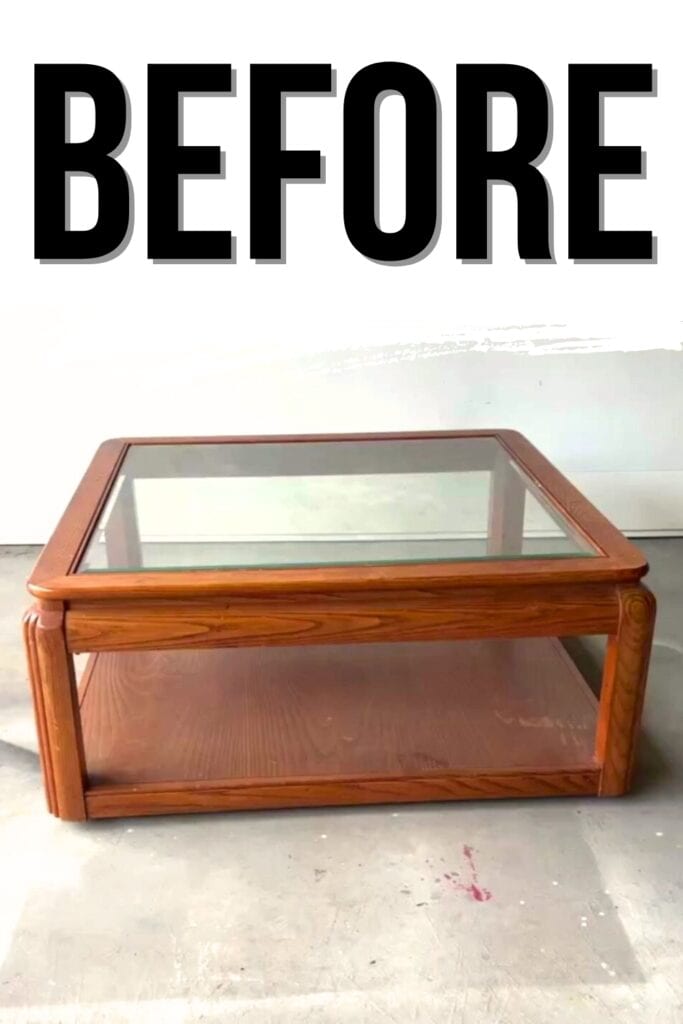
Credit: arayofsunlight.com