
Making furniture usually means using tools—hammers, saws, screwdrivers, and more. But what if you have no tools at all? Maybe you’re in a college dorm, moving to a new city, or living on a tight budget. Or perhaps you want to try something creative with your hands but without the noise and complexity of power tools.
The truth is, you can still build sturdy, useful, and even stylish furniture with no tools at all. This guide will show you how, giving you all the practical knowledge and tips to make it possible—even if you’ve never built anything before.
Why Make Furniture Without Tools?
Building furniture without tools can sound strange at first, but it offers unique advantages. First, it’s safe—no risk of cutting yourself or damaging your space. Second, it’s accessible. Almost anyone can do it, including kids, elderly people, or people living in small apartments where tools aren’t allowed.
Third, it’s affordable. You can often use materials you already have or items that are cheap or free.
There’s also a creative benefit: making furniture this way forces you to think differently. You’ll use your imagination, experiment, and learn problem-solving skills. Many people find this process fun and rewarding. And, if you ever move, you can easily take your creations apart and rebuild them somewhere else.
Key Principles For Tool-free Furniture
Before you start building, it’s important to understand some key ideas:
- Modular design: Make pieces you can build up or take apart easily.
- Friction fit: Use pressure and tightness to hold things together instead of nails or screws.
- Interlocking parts: Pieces that fit together like puzzle pieces.
- Gravity and weight: Use the natural weight of materials to make things stable.
- Repurposed materials: Use everyday objects in new ways, like crates, boxes, or even books.
Getting these ideas clear in your mind will help you create strong, functional furniture—even with no tools.
Credit: www.etsy.com
What Materials Can You Use?
Many tool-free furniture projects use common materials you can find almost anywhere. Here are some of the most popular:
- Cardboard: Thick, double-layered boxes can be surprisingly strong.
- Milk crates or storage bins: Stackable, sturdy, and cheap.
- Wooden pallets: Sometimes available for free, though you may need to find ones without nails sticking out.
- PVC pipes: Lightweight, easy to connect with corner pieces.
- Rope, zip ties, or Velcro straps: For holding things together without tools.
- Books: Heavy, flat, and easy to stack.
- Foam blocks or cushions: Great for seating.
- Fabric: For covering surfaces or making soft parts.
Non-obvious insight: Some of the strongest tool-free furniture uses combinations of these materials. For example, crates with a board on top make a strong bench, or cardboard with fabric creates a cozy ottoman.
Tool-free Furniture Ideas For Every Room
Now, let’s explore practical ways to create different furniture pieces without tools. Each section includes detailed instructions, tips, and what to watch out for.
Living Room
1. Bookshelf From Crates Or Boxes
Stack plastic crates or sturdy storage bins on their sides to form shelves. Alternate the stacking pattern for stability—like bricks in a wall. You can also use heavy books as a base for extra support.
- Tip: Use zip ties to connect the crates for safety, especially if children will use the shelf.
- Mistake to avoid: Don’t stack too high without securing the base, or the shelf might tip over.
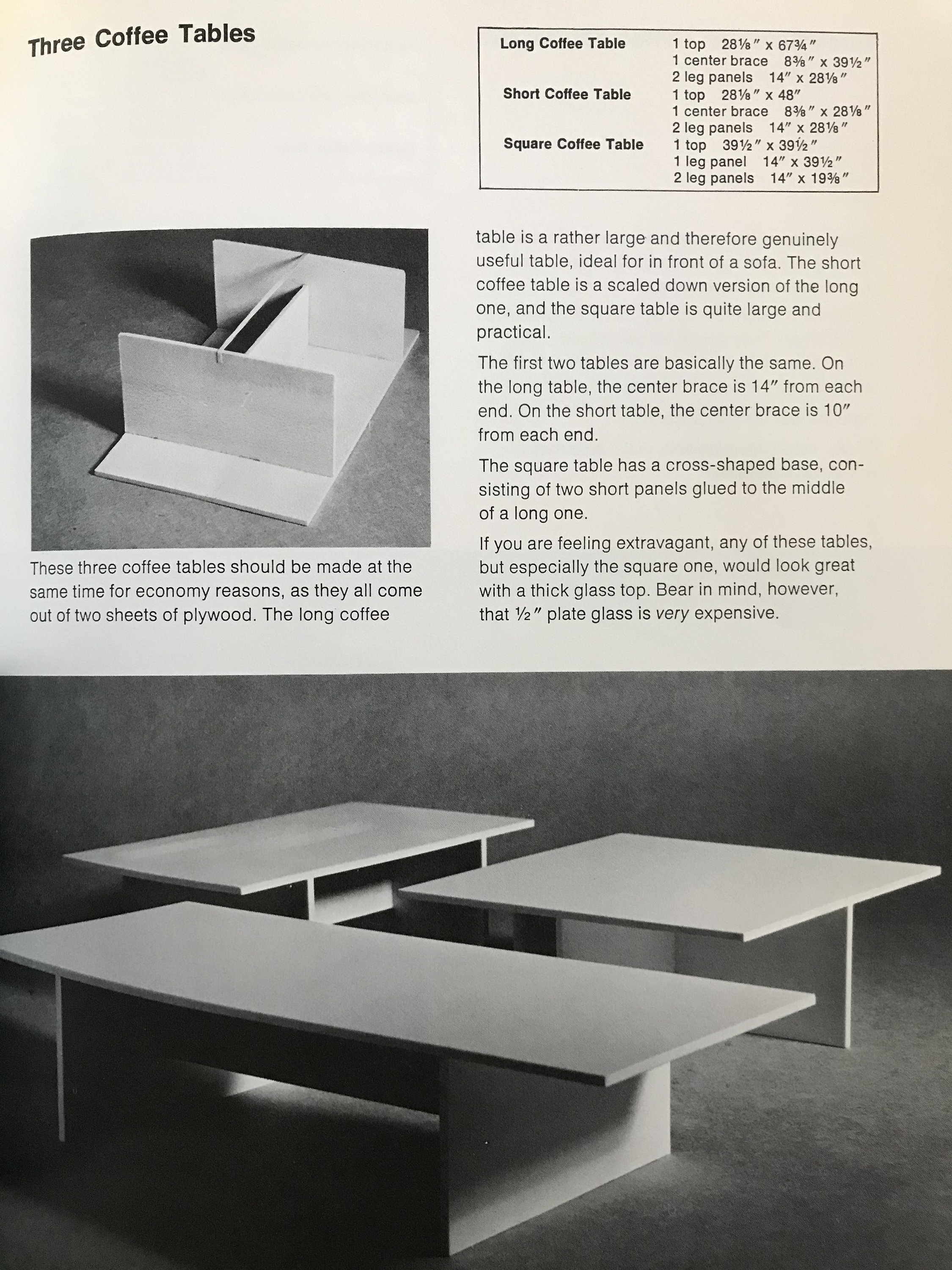
2. Coffee Table With Books And A Board
Lay out several large, flat books in two piles. Place a strong, flat board or thick piece of glass on top.
- Example: Use 8–12 large books (like old textbooks) for a coffee table about 16 inches high.
- Non-obvious insight: Rubber shelf liners between the books and board stop slipping.
3. Modular Sofa With Foam And Fabric
Arrange large foam blocks or firm couch cushions in an L-shape. Drape a big piece of fabric over the top to cover the joints.
- Tip: For back support, lean extra cushions or pillows against the wall.
- Practical detail: This kind of sofa is easy to move and can double as a guest bed.
4. Tv Stand From Stacked Pallets
Place two wooden pallets flat, one on top of the other. If you want a taller stand, add a third pallet. Slide storage boxes or baskets between the pallet slats for hidden storage.
- Safety note: Make sure the pallets are clean and check for loose nails.
Bedroom
5. Bed Frame With Wooden Pallets
Lay 4–6 pallets side by side to make a platform. Put your mattress on top.
- Practical tip: If the pallets are uneven, add folded towels or blankets to level them.
- Extra function: Store shoes or bins under the bed for more space.
6. Nightstand From Stacked Boxes
Stack two or three sturdy cardboard boxes or crates next to your bed. Cover with a cloth for a finished look. You can use the inside for storage.
- Mistake to avoid: Don’t use light, flimsy boxes—your lamp or books might tip them over.
7. Clothes Rack With Pvc Pipes
Connect PVC pipes and elbows to form a rectangle. Add a crossbar for hanging clothes. No glue or tools needed—just push the pieces together tightly.
- Tip: Add felt pads to the bottom to prevent scratching the floor.
8. Headboard From Cushions Or Tapestry
Lean several thick pillows or a folded blanket against the wall at the head of your bed. Or, hang a decorative tapestry with removable wall hooks.
- Non-obvious insight: This style is more comfortable than many wooden headboards.
Dining Room
9. Table With Crates And A Board
Arrange four crates in a rectangle. Place a large, strong board on top. You can use the space inside the crates for storage.
- Practical tip: For a more finished look, cover the board with a tablecloth.
10. Bench From Stacked Books And Cushions
Stack large books in two piles, spaced the width of a bench. Lay a thick cushion or folded blanket across the top.
- Strength warning: This works best for short benches and light users.
11. Folding Chairs From Cardboard
Fold thick cardboard into a Z-shape (seat, back, and base). Sit down gently, and test before using for long periods.
- Advanced idea: Look up “origami cardboard chair” for stronger folding patterns.
Entryway
12. Shoe Rack With Pallets Or Boxes
Place a pallet flat on the floor near your door. Slide shoes between the slats. Or, stack two or three boxes with openings facing outward.
- Tip: Use plastic bins for wet shoes to protect your floor.
13. Coat Hanger With Over-the-door Hooks
Hang a set of hooks over your entry door. No drilling or tools needed, and you can move them anytime.
- Alternative: Use a tall, sturdy branch wedged in a corner as a rustic hanger.
Home Office
14. Desk From Storage Bins And A Door
Set two strong storage bins or crates a few feet apart. Place a hollow-core door or thick board across them.
- Practical detail: The bins become your desk “drawers” for supplies.
15. Laptop Stand From Books
Stack several books to create a raised platform for your laptop. This helps with posture and can be adjusted easily.
- Tip: Use grippy shelf liner to stop sliding.
16. Partition Wall With Hanging Fabric
Hang a large piece of fabric or a curtain from a tension rod or sticky hooks. This divides your work area from the rest of the room.
- Non-obvious insight: A patterned curtain can also improve the look of your video calls.
Kids’ Room
17. Toy Storage With Baskets
Line up baskets or bins on the floor. Label each one for different types of toys.
- Safety note: Avoid stacking bins high—kids should reach them easily.
18. Play Table From Cardboard
Cut and fold a large, thick box into a low table shape. Cover with colorful contact paper for durability.
- Tip: Let kids decorate the sides for a personal touch.
19. Reading Nook With Cushions And Sheets
Make a cozy corner with several floor cushions. Drape a light sheet over a chair or small table to make a “tent. ”
- Extra idea: Add string lights inside for a magical effect.
Outdoor Or Balcony
20. Garden Bench From Cinder Blocks And A Board
Stack two or three cinder blocks at each end. Lay a wooden board or thick plank across.
- Strength tip: Use heavy blocks and a wide board for better support.
- Weatherproofing: Cover with a waterproof mat or outdoor fabric.
21. Raised Planter Bed With Crates
Line up crates or bins, fill with soil, and plant flowers or herbs.
- Practical detail: Drill drainage holes if possible, or choose crates with slats.
22. Portable Table With Folding Legs
Some folding table legs are sold as separate parts. Attach them to a board simply by snapping them in—no screws needed. This is one of the few “parts” that truly require no tools.
- Storage tip: Fold flat when not in use.
How Strong Is Tool-free Furniture?
You might wonder if furniture without tools can really hold up in daily use. The answer depends on your materials and design. Here’s a simple comparison of estimated load capacity for common tool-free builds:
| Furniture Type | Material Used | Estimated Max Weight |
|---|---|---|
| Bookshelf | Plastic crates | 80–120 lbs |
| Bed Frame | Wooden pallets | 300–500 lbs |
| Table | Board on crates | 100–150 lbs |
| Bench | Cinder blocks & board | 250–350 lbs |
Non-obvious insight: Pallets and cinder blocks provide much more strength than cardboard or plastic crates. Always test stability before regular use.
Where To Find Materials For Tool-free Furniture
You don’t need to buy everything new. Here are smart ways to get materials:
- Recycling centers: Old pallets, crates, and sturdy boxes are often free.
- Big box stores: Ask for extra cardboard or unused pallets.
- Online marketplaces: Search “free stuff” sections for boards, bins, or foam.
- Friends and family: Many people have extra cushions, fabric, or bins to give away.
Important: Always check for cleanliness, mold, or sharp edges before using recycled materials.

Credit: www.amazon.com
Design Inspiration: Tool-free Styles And Trends
Tool-free furniture is not just practical, it can look good, too. Here are some popular design styles you can try:
Minimalist
- Clean lines, neutral colors, and simple shapes.
- Stack white crates or use plain boards for a modern look.
Industrial
- Exposed pallets, cinder blocks, or visible crates.
- Pair with metal baskets or pipes for a “warehouse” vibe.
Bohemian
- Mix bright fabrics, patterned cushions, and colorful throws.
- Use baskets, woven rugs, or painted boxes.
Rustic
- Use weathered pallets, natural wood, or stone.
- Add plants, lanterns, or burlap for warmth.
Here’s a quick look at how different materials match with these styles:
| Style | Best Materials | Color Suggestions |
|---|---|---|
| Minimalist | White crates, plain boards | White, gray, black |
| Industrial | Pallets, cinder blocks | Gray, wood tones, metal |
| Bohemian | Fabric, baskets | Bright, mixed patterns |
| Rustic | Pallets, natural wood | Brown, green, cream |
Practical Tips For Success
Making furniture without tools is possible for almost anyone, but a few simple tips can help you avoid frustration:
- Test weight limits: Always sit, lean, or press on your furniture before regular use.
- Secure loose parts: Use Velcro straps, zip ties, or even double-sided tape to prevent slipping.
- Protect floors: Place felt pads or old towels under heavy items.
- Add safety: If kids are around, avoid tall or unstable stacks.
- Get creative: Don’t be afraid to try new combinations—like a board on stacked suitcases.
Beginner mistake: Rushing the process. Take your time to adjust and test each piece.

Credit: www.amazon.com
Are There Any Downsides?
Tool-free furniture is a great solution, but it isn’t perfect for every situation. Here are some honest drawbacks:
- Durability: Most pieces won’t last as long as traditional furniture.
- Appearance: Some designs might look temporary or unfinished.
- Stability: Not all tool-free builds are as solid as nailed or screwed furniture.
- Limited shapes: Complex curves or fine details are hard to achieve.
For short-term use, small spaces, or creative projects, these downsides are often minor. But for long-term use, consider combining tool-free methods with some simple tools later on.
How To Upgrade Your Tool-free Furniture
If you love your creations and want to make them more permanent, here are easy ways to upgrade:
- Add glue or screws: Once you’re ready, reinforce weak joints with a few basic tools.
- Paint or cover: Use contact paper, fabric, or paint for a polished look.
- Replace parts: Swap out boards, crates, or cushions as needed.
- Combine methods: Mix tool-free designs with store-bought parts, like legs or handles.
Pro tip: Some home improvement stores will cut wood or pipes to size for you—no tools needed at home.
Real-life Examples
Many people around the world have created impressive tool-free furniture. Here are a few examples:
- A college student built an entire dorm room set—bed, desk, shelves—using only crates, boards, and foam.
- A family made a kids’ playroom with cardboard tables, fabric tents, and foam seating, all without tools or hardware.
- City apartment dwellers often stack boxes, suitcases, and folding chairs to create modular, movable furniture.
For more inspiration, you can check out creative ideas on DIY websites like Inhabitat.
Frequently Asked Questions
How Long Does Tool-free Furniture Last?
Tool-free furniture can last from a few months to several years. It depends on the materials and how often you use it. Pallet beds or crate shelves can last years with care, while cardboard tables may need replacing sooner.
Can I Move Tool-free Furniture Easily?
Yes, most tool-free furniture is lightweight and modular. You can take it apart, move it, and rebuild it in a new space. This makes it ideal for renters and students.
Is Tool-free Furniture Safe For Children?
Many designs are safe, especially when built low to the ground and with soft materials. Always test for stability, avoid sharp edges, and supervise children with any stackable pieces.
What’s The Cheapest Tool-free Furniture To Make?
Cardboard and reused crates are usually free or very cheap. Look for strong boxes from grocery stores or recycling centers. Foam blocks from old sofas or cheap bins also work well.
Where Can I Find More Ideas?
You can search for “DIY no-tool furniture” on Pinterest, YouTube, or websites like Apartment Therapy for more inspiration and step-by-step guides.
Making furniture without tools is not just possible—it’s a practical, creative, and even fun way to furnish your space. Whether you need a quick fix or want to experiment with design, you have the power to build something useful with your own hands—no toolbox required.