
Living in an apartment or a multi-story house can be wonderful—until the sound of footsteps, dropping objects, or moving furniture from above becomes your daily background noise. This type of sound is known as impact noise, and it can make life below much less peaceful. Whether you’re a tenant, a homeowner, or a landlord, finding ways to reduce impact noise from upstairs floors can greatly improve comfort and quality of life. This guide covers practical methods, advanced solutions, and important insights that will help you understand and control impact noise effectively.
Understanding Impact Noise
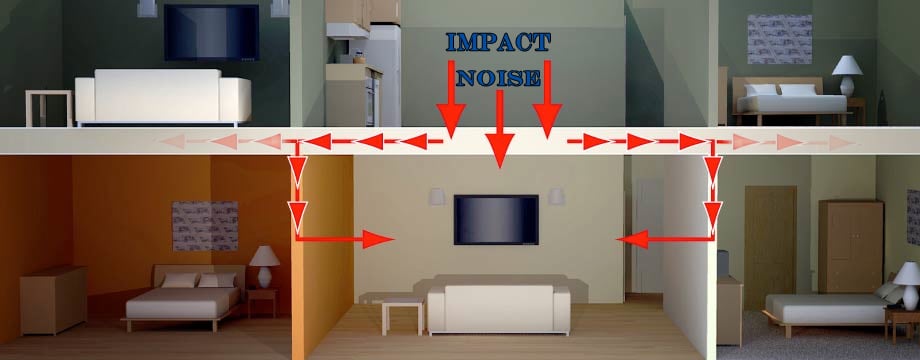
Before jumping into solutions, it helps to know what impact noise really is. Impact noise is the sound created when something physically hits a surface. Common examples include footsteps, children jumping, or objects being dropped. Unlike airborne noise (such as talking or music), impact noise travels through the building structure, making it harder to block. Even thick walls or double-glazed windows do little against it.
Impact noise is often measured with the Impact Insulation Class (IIC) rating. The higher the IIC, the better a floor assembly is at stopping impact noise. For example, carpets usually have a high IIC, while bare tile or wood floors have a much lower one.
Why Is Impact Noise So Difficult To Block?
Many people try to use heavy curtains, thick rugs, or even white noise machines, but these only help a little. The main reason is that impact noise travels through solid materials—like wood, concrete, and steel. When someone walks or drops something upstairs, the energy travels directly through the floor and into the ceiling below. Airborne solutions don’t work well because the sound doesn’t just travel through the air.
The Main Ways To Reduce Impact Noise
Reducing impact noise from upstairs floors usually involves changes in one or more of these areas:
- Floor coverings on the upper floor
- Ceiling treatments on the lower floor
- Structural changes to the building assembly
- Behavior changes for upstairs residents
Not every option is right for every home, so you’ll need to consider your building type, budget, and how much work you can do.
Evaluating Your Specific Noise Problem
Before making any changes, try to understand your exact noise situation. Is the noise constant or only at certain times? Is it mostly footsteps, moving chairs, or something else? Knowing this helps you choose the best solution. For example, loud thumps from running kids may need different fixes than the clicking of high heels.
It also helps to check the construction type of your building. Older wooden floors usually transmit more impact noise than modern concrete slabs, but even concrete floors can be noisy if they’re not built with soundproofing in mind.

Credit: www.secondskinaudio.com
Quick Fixes You Can Try Right Now
Not everyone can make big changes to their home, especially in rented spaces. Here are some fast solutions that can help, even if they don’t fully solve the problem:
1. Ask Upstairs Neighbors To Use Rugs Or Carpets
Rugs and carpets are very effective at absorbing impact noise. Even a simple area rug with a thick underlay can reduce noise by up to 50% compared to a bare floor.
2. Use Soft Shoe Rules
Encourage people upstairs to wear soft-soled slippers or socks instead of hard shoes indoors.
3. Rearrange Furniture
Place large, soft furniture like couches, beds, or bookshelves underneath the noisiest areas. These can help absorb sound before it spreads.
4. Add Temporary Ceiling Panels
Acoustic ceiling tiles or panels can sometimes be installed without permanent changes. They don’t stop all noise but can reduce echo and soften impact sounds.
Quick fixes are rarely perfect, but they can make life more comfortable while you plan bigger steps.
Floor Coverings: The First Line Of Defense
The most effective way to reduce impact noise is to stop it at the source—the floor above. Installing the right flooring materials can make a dramatic difference.
Comparing Common Floor Coverings
Here’s a look at how popular flooring options perform against impact noise:
| Floor Type | Typical IIC Rating | Impact Noise Performance | Comments |
|---|---|---|---|
| Carpet + Padding | 65-80 | Excellent | Best for blocking footsteps and drops |
| Engineered Wood | 40-55 | Fair | Needs acoustic underlayment for better results |
| Laminate | 35-50 | Poor | Very noisy without underlay |
| Tile/Stone | 30-45 | Poor | Hardest surface, amplifies noise |
| Vinyl Plank | 50-60 | Good | With thick underlayment, performs well |
Key Insights
- Carpet with dense padding is the most effective for reducing impact noise.
- Hard surfaces like tile and laminate should always be installed with a special acoustic underlayment.
- Many apartments have hard floors for easy cleaning, but these are much noisier unless you add rugs.
Choosing The Right Underlayment
If you can’t use full carpeting, the next best solution is a good acoustic underlayment. This goes under wood, laminate, or vinyl floors and absorbs some of the impact before it enters the structure.
Types of underlayments include:
- Rubber: Durable and absorbs sound well
- Foam: Cheap, but less effective for heavy noise
- Cork: Eco-friendly, moderate sound absorption
- Felt: Good balance between cost and performance
Look for products with a high IIC rating. Some underlayments can boost a floor’s IIC by 10–20 points, turning a noisy floor into a much quieter one.
Non-obvious Tip
Many people buy thick underlayment, thinking “thicker is better. ” That’s not always true. The material quality and density matter more than thickness. A thin but dense rubber underlayment can block more noise than a thick, soft foam.
Credit: www.auralexchange.com
Upgrading The Ceiling Below
When you can’t change the upstairs floor, treating your own ceiling is the next best step. There are several methods, from simple to advanced.
Acoustic Ceiling Panels
These panels are designed to absorb sound and reduce echo. They’re easy to install and can be painted or decorated to match your room. While they help with airborne noise and soften impact sounds, they don’t completely block strong impacts.
Resilient Channels
Resilient channels are special metal strips installed between the ceiling joists and the drywall. They work by decoupling the ceiling from the structure above, which means less vibration passes through.
Benefits:
- Can reduce impact noise by 6–10 decibels
- Not visible after installation
However, installation requires removing your existing ceiling, so it’s best for renovations.
Adding Mass With Extra Drywall
Adding a second layer of drywall to your ceiling increases its mass, which helps block noise. For even better results, use soundproofing drywall (like QuietRock or similar). Always seal any gaps with acoustic caulk, or noise will leak through.
Using Sound Isolation Clips
Sound isolation clips combine with resilient channels for maximum effect. The clips further separate the ceiling from the joists, greatly reducing the amount of structure-borne noise.
Example Upgrade Plan
A high-performance ceiling might include:
- Acoustic insulation between joists
- Sound isolation clips and resilient channels
- Two layers of soundproof drywall
This setup can reduce noise transmission by over 70%, but it’s more expensive and requires skilled installation.
Common Ceiling Treatments Comparison
Here’s how different ceiling treatments compare in effectiveness:
| Treatment | Noise Reduction | Cost | DIY Difficulty |
|---|---|---|---|
| Acoustic Panels | Low-Moderate | Low | Easy |
| Resilient Channels | Moderate-High | Medium | Intermediate |
| Isolation Clips + Channels | High | High | Hard |
| Extra Drywall Layer | Moderate | Medium | Intermediate |
Structural Changes For Serious Soundproofing
If you’re remodeling or building from scratch, there are advanced methods to almost eliminate impact noise. These require more time, money, and sometimes professional help.
Floating Floors
A floating floor is built above the main floor structure, separated by a layer of resilient material like rubber or foam. This design isolates vibrations, so much less noise gets through.
Floating floors are common in recording studios and high-end apartments. They’re expensive and require a skilled installer, but the results are excellent.
Acoustic Insulation
High-density mineral wool or fiberglass insulation placed between the floor joists helps absorb sound. While insulation alone won’t stop all impact noise, it works very well when combined with floating floors or resilient channels.
Floor-ceiling Assemblies
Some new buildings use specialized floor-ceiling assemblies tested for high IIC ratings. These might include layers of concrete, insulation, floating subfloors, and acoustic barriers. If you’re designing a new space, ask your architect or builder about these options.
Example: Real-world Impact
A 2017 study found that upgrading from a basic wood floor to a floating floor assembly with resilient channels and insulation improved the IIC from 41 (poor) to 71 (excellent)—a huge reduction in perceived noise.
Cost And Effectiveness Comparison
It’s important to match your budget to the expected results. Here’s a summary comparing common methods:
| Method | Estimated Cost (per room) | Noise Reduction | DIY Friendly? |
|---|---|---|---|
| Area Rug + Thick Underlay | $100–$500 | Moderate | Yes |
| Acoustic Ceiling Panels | $150–$600 | Low-Moderate | Yes |
| Resilient Channels + Drywall | $800–$2,000 | High | Somewhat |
| Floating Floor | $2,000–$6,000 | Excellent | No |
Mistakes To Avoid
Many people waste money on solutions that do little to block impact noise. Here are some common mistakes and how to avoid them:
- Ignoring the source: If possible, always treat the upstairs floor, not just your ceiling.
- Using only insulation: Insulation helps, but without decoupling methods like channels or floating floors, the improvement is limited.
- Buying the wrong underlayment: Not all acoustic underlayments are equal. Check for actual IIC ratings, not just marketing claims.
- Gaps and cracks: Even small gaps around lights or vents can let in a lot of noise. Always seal with acoustic caulk.
- Over-relying on soundproof paint or foam: These products may help with echo but do almost nothing for strong impact noise.
Communicating With Upstairs Neighbors
Sometimes the best solution is a conversation. Many people don’t realize how much noise they make. Here’s how to approach the subject:
- Be polite and specific. Mention the type and times of noise.
- Suggest simple fixes like area rugs or soft footwear.
- Offer to share costs for new rugs or underlayments if you’re both willing.
Remember, building good relationships can make noise problems easier to solve together.
Professional Help: When To Call An Expert
If you’ve tried basic fixes and the noise is still a major issue, consider hiring a soundproofing contractor. Professionals can measure your noise problem, recommend the best solutions, and handle tricky installations like floating floors or isolation clips.
A good expert will use tools like sound level meters to find weak points in your ceiling or floor. They can also help you navigate building codes and landlord-tenant laws about noise.
The Role Of Building Codes And Laws
Many US cities have rules about noise in multi-family buildings. For example, some require that at least 80% of floors are covered with carpet in apartments. If you’re a renter, check your lease—some landlords are responsible for maintaining acceptable noise levels.
If neighbor talks and simple fixes don’t work, you may have legal options. Document noise problems, keep a diary of issues, and contact your building management or local housing authority if needed.
For more about noise standards, you can check resources at the US Environmental Protection Agency.
Non-obvious Insights And Tips
Some less-known facts can help you get better results:
- Sound paths are sneaky: Noise doesn’t just travel straight down. It can move sideways through walls and even down pipes. If your ceiling is upgraded but you still hear noise, look for gaps around vents, electrical boxes, or plumbing.
- Structure-borne vs. airborne: Impact noise (structure-borne) is much harder to block than airborne noise. A ceiling that blocks talking or music well may still let through footsteps.
- Furniture matters: Upstairs, heavy furniture like beds or bookshelves placed on soft pads can help absorb vibration before it enters the floor.
- Ceiling height: Higher ceilings can reduce the feeling of noise, even if the actual decibel level is the same, because the sound spreads out more.
Maintenance And Longevity
Once you’ve installed soundproofing upgrades, it’s important to keep them in good shape:
- Check for gaps: Over time, caulk can crack and panels may shift. Inspect every year.
- Clean carpets and underlays: Dirty or compressed carpet padding loses its sound-blocking ability. Vacuum often and replace padding if it feels flat.
- Monitor for changes: New cracks or renovations can open up new noise paths. Seal or upgrade as needed.
Case Study: Transforming A Noisy Apartment
Let’s look at a real-world example. John lived in a city apartment with laminate floors above and constant noise from his upstairs neighbor. Here’s what made the difference:
- John first asked his neighbor to add area rugs, which reduced high-heel noise by about 40%.
- He then installed acoustic ceiling panels in his living room. This softened the impact but didn’t remove thumping sounds.
- After saving up, John hired a pro to add resilient channels and a second drywall layer. This step cost $1,200 but cut impact noise by another 50%.
- The final touch was sealing gaps around light fixtures with acoustic caulk.
In total, John reduced his noise problem by about 70%, and both he and his neighbor were happier.

Credit: www.youtube.com
Frequently Asked Questions
What Is The Difference Between Impact Noise And Airborne Noise?
Impact noise comes from physical impacts, like footsteps or dropped objects, that travel through the building’s structure. Airborne noise is carried through the air, like talking or music. Impact noise is usually harder to block because it moves through solid materials, not just air.
Will Adding More Insulation To My Ceiling Fix Impact Noise?
Insulation helps, but by itself, it does not stop most impact noise. It works best when combined with resilient channels or sound isolation clips, which break the direct path for vibrations.
Can I Soundproof My Apartment Without Making Permanent Changes?
Yes. You can use thick area rugs, acoustic panels, and soft furniture to reduce noise. These methods don’t fully block strong impacts but can make a noticeable difference, especially for lighter noises.
How Much Does Professional Soundproofing Cost?
Costs vary depending on the method and room size. Simple solutions like rugs may cost $100–$500, while advanced options like floating floors can cost several thousand dollars. Most moderate upgrades (resilient channels, extra drywall) cost between $800–$2,000 per room.
Are There Any Legal Requirements For Flooring In Apartments?
Many cities require a certain percentage of apartment floors to be covered with carpet to reduce noise. Check your lease and local laws. If your neighbor’s hard floors are causing major problems, building management may need to help.
Bringing It All Together
Living under noisy floors can be frustrating, but you have many options to reduce impact noise—no matter your budget or building type. The most effective fixes stop noise at the source, like using carpets and acoustic underlays. If that’s not possible, upgrading your ceiling with resilient channels, extra drywall, and sound isolation clips can make a big difference.
Don’t forget the power of simple solutions: area rugs, polite conversations, and rearranging furniture can help more than you might expect. For the best results, combine several methods and be patient—real soundproofing is often a process, not a quick fix.
Whether you’re a renter or a homeowner, knowing how impact noise travels and what really works puts you in control. Enjoy your quieter, more peaceful space!