
Waking up with unexplained bites or noticing small dark spots on your sheets can be worrying. Many people fear that these are signs of bed bugs in their mattress. If you share this concern, you’re not alone. Bed bugs are expert hiders and can infest even the cleanest homes, making it challenging to spot them early. Knowing how to tell if a mattress has bed bugs is crucial—not just for your peace of mind, but also to prevent a small problem from becoming a major infestation.
This guide will help you understand the clear signs of bed bugs, how to check your mattress properly, what to do if you find them, and how to avoid common mistakes many people make during inspection. You’ll also learn about tools and techniques professionals use, and get answers to the questions most people have about bed bug detection.
Why Mattress Bed Bugs Are So Hard To Spot
Bed bugs are tiny, flat insects—about the size of an apple seed when fully grown. Their bodies allow them to squeeze into the smallest cracks and seams in your mattress and bed frame. Even if you clean regularly, these pests can hide in places you might overlook. Unlike dust mites or other household insects, bed bugs avoid light and come out mostly at night to feed on blood. Their bites are often confused with those from mosquitoes or fleas, adding to the confusion.
What makes detection harder is that not everyone reacts to bed bug bites. Some people develop itchy red welts, while others have no reaction at all. This means you can have an active infestation without any visible bites.
Understanding The Life Cycle Of Bed Bugs
Before you start checking your mattress, it helps to know the bed bug life cycle. Bed bugs go through several stages:
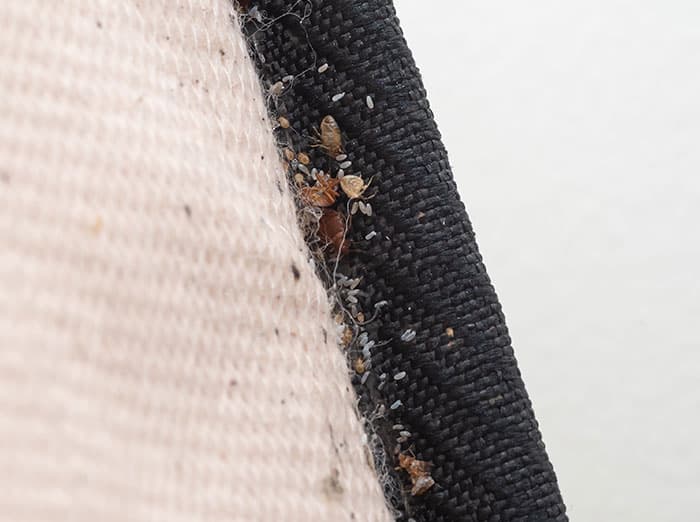
- Eggs – Tiny (about 1mm), white, and sticky. Usually found in clusters.
- Nymphs – Immature bed bugs. They are pale and hard to see.
- Adults – Reddish-brown, oval-shaped, and about 4-5mm long.
Knowing what each stage looks like will help you recognize their presence, even if you don’t see an adult bug.
| Stage | Size | Color | Where Commonly Found |
|---|---|---|---|
| Egg | ~1 mm | White | Mattress seams, cracks |
| Nymph | 1-4 mm | Translucent to light brown | Near adult bed bugs |
| Adult | 4-5 mm | Reddish-brown | Mattress, box spring, furniture |
Main Signs Your Mattress Has Bed Bugs
Detecting bed bugs early can save you time, money, and stress. Here are the primary signs to look for:
1. Unexplained Bites
Bed bug bites typically appear in clusters or lines, often on exposed skin like arms, legs, and neck. The bites are small, red, and may be itchy. However, not everyone reacts the same way. Some people have no visible marks, while others develop severe itching and swelling.
2. Dark Or Rusty Spots On Sheets
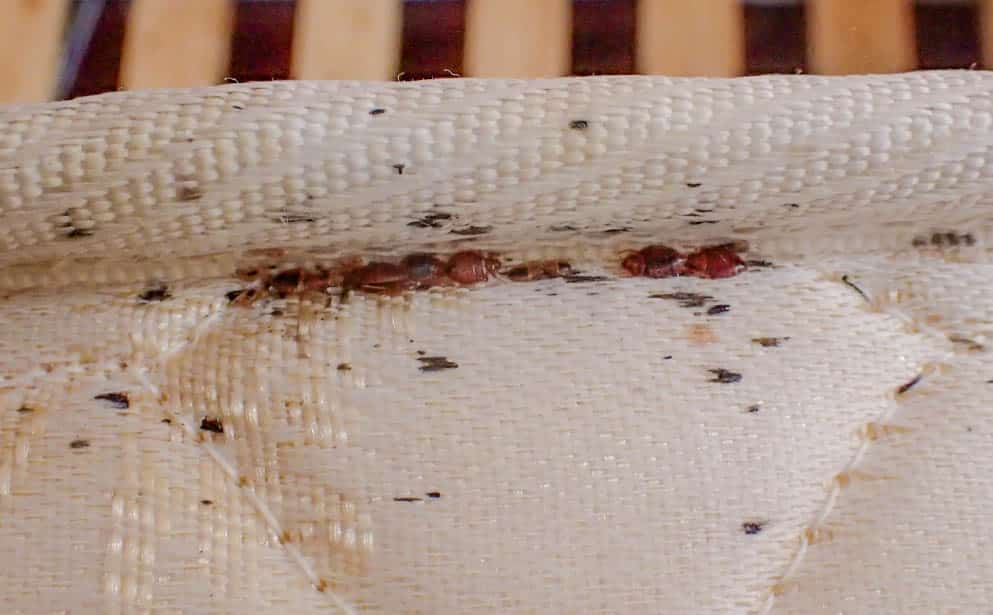
These spots are usually bed bug feces—digested blood that bed bugs excrete after feeding. The stains are dark brown or black and may bleed into the fabric like a marker.
3. Blood Stains
Tiny blood stains on your sheets or pillowcases can occur if you accidentally crush a bed bug while sleeping. These stains are usually small and red.
4. Shed Skins
As bed bugs grow, they shed their exoskeletons (outer shells). These pale, empty shells can collect in mattress seams, along the edges, or near cracks in your bed frame.
5. Live Bed Bugs
Seeing a live bed bug confirms an infestation. Look for small, flat, oval-shaped bugs. After feeding, they may appear more swollen and reddish.
6. Musty Odor
A strong, sweet, musty smell can sometimes be noticed in severe infestations. This odor comes from the bed bugs’ scent glands. Not everyone can detect it, and it’s usually more obvious when the infestation is large.
7. Bed Bug Eggs
Tiny, pearly white eggs are often found in hidden places. They are about the size of a pinhead and are sticky when first laid, often stuck to mattress seams or cracks.
8. Small White Spots
These can be bed bug eggs or newly hatched nymphs. They may be hard to see without a flashlight or magnifying glass.
How To Inspect Your Mattress For Bed Bugs
Checking your mattress thoroughly is the best way to find bed bugs early. Follow these steps for a complete inspection:
Remove All Bedding
Start by stripping your bed down to the bare mattress. Put the sheets, pillowcases, and blankets in a sealed plastic bag if you suspect bed bugs. This prevents them from spreading during your check.
Examine Mattress Seams And Edges
Bed bugs love tight, hidden spaces. Run your fingers along the seams and edges, looking for dark spots, shed skins, or live bugs. Use a flashlight to help you see better.
Check Under Labels And Handles
Mattress labels and handles are common hiding places. Peel back any fabric and check for eggs, bugs, or shells.
Lift The Mattress
Carefully lift the mattress and inspect the underside, especially the corners. Bed bugs often hide where the mattress rests on the box spring or bed frame.
Inspect The Box Spring
If you have a box spring, remove the dust cover (if possible) and look inside. Bed bugs often hide in the wooden frame or fabric folds.
Look Around The Bed
Check the bed frame, headboard, and nearby furniture for signs. Bed bugs can travel a few feet from their hiding spots to feed.
Use A Credit Card Or Thin Tool
Slide a credit card or similar tool along seams and cracks. This can help expose hidden bed bugs or eggs.
Use A Flashlight And Magnifying Glass
A bright flashlight will help you spot tiny eggs or bugs. A magnifying glass can make small details clearer.
Comparing Bed Bug Signs Vs. Other Pests
Sometimes, people mistake other insect problems for bed bugs. Here’s how bed bug signs compare to other common pests found in beds:
| Sign | Bed Bugs | Dust Mites | Fleas |
|---|---|---|---|
| Bite pattern | Clusters/lines | No bites | Random spots |
| Spot/stain color | Dark brown/black | No stains | Brown/red |
| Visible bugs | Yes, flat/oval | No | Yes, small/jump |
| Odor | Musty, sweet | No odor | No odor |
Understanding these differences can prevent unnecessary worry and help you take the right action.
Common Mistakes When Checking For Bed Bugs
It’s easy to overlook key signs or make errors during inspection. Here are mistakes many people make:
- Checking only the top of the mattress – Bed bugs hide along seams, under labels, and inside cracks.
- Ignoring the box spring and bed frame – These areas are often the main hiding spots.
- Missing tiny eggs and nymphs – Use a flashlight and magnifying glass to help.
- Not looking for shed skins – These are easier to find than live bugs.
- Mistaking other stains for bed bug feces – Only bed bug stains are dark and may smear with moisture.
Credit: www.getemservices.com
Using Tools And Devices For Better Detection
Professional exterminators use various tools to detect bed bugs. You can use some of these at home:
- Flashlight – Helps spot tiny bugs and eggs.
- Magnifying glass – Reveals small details missed by the naked eye.
- Bed bug interceptors – Plastic cups that fit under bed legs and trap bed bugs as they travel.
- Bed bug detector kits – Some kits include sticky traps or chemical lures.
- Vacuum with crevice tool – Can remove bugs and eggs from seams and cracks.
Remember, these tools help but do not guarantee detection if you miss key hiding spots.
What To Do If You Find Bed Bugs
If you confirm or strongly suspect bed bugs in your mattress, take these immediate steps:
1. Contain The Infestation
Don’t move bedding or mattress to other rooms. This prevents spreading bugs.
2. Clean Bedding And Clothes
Wash all bedding, clothes, and stuffed toys from the room in hot water (at least 120°F) and dry on the highest heat setting for at least 30 minutes. Heat kills all bed bug life stages.
3. Vacuum Carefully
Use a vacuum with a crevice tool to clean the mattress, bed frame, and floor. Empty the vacuum outside in a sealed bag.
4. Encase The Mattress
Use a bed bug-proof mattress encasement. This traps any remaining bugs inside, where they eventually die. Make sure the encasement is labeled specifically for bed bugs.
5. Contact A Professional
Bed bugs are tough to eliminate. Most DIY solutions only control small outbreaks. Large infestations or recurring problems usually require a licensed pest control expert.
6. Monitor Regularly
Continue checking for signs even after treatment. Bed bugs can return if not all are removed.

Credit: www.reddit.com
Non-obvious Signs And Insights Most People Miss
Many people focus only on visible bugs or bites. Here are lesser-known tips:
- Check electrical outlets and behind pictures: Bed bugs can hide in unusual places, not just the bed.
- Look for white powdery residue: Some infestations leave behind shed egg cases or molted skins that look like dust.
- Monitor for increased mosquito-like bites only in bed: If you only get bites while sleeping, bed bugs are more likely than fleas or mosquitoes, which bite at any time.
How To Prevent Bed Bugs From Infesting Your Mattress
Prevention is easier than removal. Take these steps to reduce your risk:
- Inspect used furniture before bringing it home – Bed bugs can hide in secondhand beds, couches, or chairs.
- Use mattress and box spring encasements – These make it harder for bugs to hide.
- Keep your bed away from walls – This limits their access.
- Reduce clutter around the bed – Fewer hiding places means fewer bed bugs.
- Vacuum regularly – Especially around the bed and baseboards.
- Be careful when traveling – Inspect hotel beds, and keep luggage off the floor.
How Professionals Confirm Bed Bug Infestations
When in doubt, professionals use advanced techniques to confirm infestations:
- Canine scent detection – Specially trained dogs can sniff out bed bugs with high accuracy.
- CO2 monitors and lures – These devices attract bed bugs for easier detection.
- Visual inspection – Experts know all the hidden spots and signs.
- Lab testing – Rarely, professionals may analyze samples under a microscope.
| Detection Method | Accuracy | Best For | Cost Level |
|---|---|---|---|
| Canine detection | 90-95% | Hidden infestations | High |
| Visual inspection | 60-80% | Obvious signs | Medium |
| CO2/chemical lures | 70-90% | Active bugs | Medium |
| Lab testing | 100% | Sample confirmation | High |
When To Replace Your Mattress
Sometimes, after a severe infestation, it’s best to replace the mattress. But this step is only necessary if:
- The mattress is heavily infested and cannot be cleaned.
- There are many tears, holes, or places bed bugs can hide.
- Professional treatment has failed multiple times.
If you do replace your mattress, make sure to treat the room and surrounding area first. Otherwise, new bed bugs can infest your replacement.
The Impact Of Bed Bugs On Health And Sleep
Living with bed bugs isn’t just uncomfortable—it can affect your health:
- Sleep disruption: Fear of bites can cause insomnia.
- Skin infections: Scratching bites can lead to secondary infections.
- Allergic reactions: Some people develop severe allergies.
- Mental stress: The stigma and anxiety about bed bugs can be significant.
Taking quick action to identify and remove bed bugs is important for your well-being.
The Truth About Diy Detection Dogs And Bed Bug Bombs
Some companies sell DIY bed bug detection dogs or “bed bug bombs.” However, these are rarely effective. Real detection dogs require months of professional training. Foggers or “bombs” don’t reach hidden bed bug spots and can make infestations worse by causing bugs to scatter.
Instead, focus on careful inspection and proven methods like encasements and professional treatments.
Credit: clearviewbedbugmonitor.co.uk
Bed Bug Myths That Confuse Mattress Owners
Many myths make detection harder. Here are a few:
- “Bed bugs only live in dirty homes.” False. Bed bugs can infest any home, clean or messy.
- “You’ll always see bed bugs if you have them.” False. They hide well, especially in early infestations.
- “Bed bugs only bite at night.” Mostly true, but in heavy infestations, they may bite during the day if hungry.
- “Mattress covers stop all bed bugs.” Only true if you use a certified, zippered encasement designed for bed bugs.
When Should You Call A Professional?
If you find live bed bugs, eggs, or many signs listed above, it’s time to call a pest control expert. Trying to solve a large infestation alone rarely works, and delays can make the problem worse. Professionals have access to tools and treatments that are not available to the public.
If you’re unsure whether you have bed bugs, many pest control companies offer free inspections or advice. For more information, visit the US Environmental Protection Agency.
Frequently Asked Questions
How Can I Be Sure It’s Bed Bugs In My Mattress And Not Another Pest?
Look for a combination of signs: dark fecal spots, shed skins, live bugs, and bites in a line or cluster. Fleas jump and are smaller, while dust mites don’t bite at all.
What Do Bed Bug Eggs Look Like On A Mattress?
Bed bug eggs are tiny, white, and oval—about the size of a pinhead. You’ll usually find them stuck to seams or tucked into small cracks.
Can I Get Rid Of Bed Bugs Without Throwing Away My Mattress?
Yes, in most cases. Using a bed bug-proof encasement, washing bedding in hot water, vacuuming, and professional treatment can save your mattress.
How Quickly Do Bed Bugs Spread From A Mattress?
Bed bugs can travel several feet in a night and may spread to nearby furniture, baseboards, and even other rooms if not controlled quickly.
Are There Any Natural Ways To Check For Bed Bugs?
Visual inspection is the best natural method. You can also use heat (like a hair dryer) to encourage bed bugs to leave hiding places, but this is not a guaranteed method.
Finding out if your mattress has bed bugs may feel overwhelming, but with careful inspection and quick action, you can control the problem before it gets worse. Remember, the key is knowing what to look for, avoiding common mistakes, and getting help if you need it.
Don’t let bed bugs ruin your sleep or your peace of mind—take charge and keep your sleeping space safe.