
Removing a bathroom sink plug might sound simple, but for many people, it can quickly become confusing or even frustrating. Maybe the water is draining slowly, or you dropped something down the drain. Or perhaps you just want to clean your sink thoroughly, but the plug won’t budge.
The truth is, bathroom sink plugs come in many different types, and each type needs a different approach. If you try to force it, you can break the plug, scratch your sink, or even damage the plumbing under your bathroom.
This guide will walk you through how to take plug out of bathroom sink in a way that is safe, clear, and easy for anyone to follow—even if you have never done any plumbing before. You will learn about the main types of sink plugs, what tools you will need, and step-by-step instructions for each method. I will also share tips, common mistakes to avoid, and advice on what to do if things go wrong. Whether you want to clean your drain, fix a blockage, or replace a broken plug, you will finish this article knowing exactly what to do.
Understanding Bathroom Sink Plugs
Before you start, it helps to know which type of plug you have. The removal process is different for each type, so identifying your plug saves you time and stress. Here are the most common types of bathroom sink plugs you might see:
- Push-Pull (Click-Clack or Pop-Up) Plug
- Flip-Top (Turn-and-Lift) Plug
- Traditional Rubber Stopper
- Lift-and-Turn Plug
- Pop-Up Drain Assembly with Lever
Let’s compare these main types.
| Plug Type | How It Works | Removal Difficulty |
|---|---|---|
| Push-Pull (Click-Clack) | Push to close, push again to open | Easy to Medium |
| Flip-Top | Rotate to open or close | Easy |
| Rubber Stopper | Pull out by hand | Very Easy |
| Lift-and-Turn | Lift and twist to open, reverse to close | Medium |
| Pop-Up with Lever | Use a lever/rod behind faucet | Medium to Hard |
Many people confuse push-pull with pop-up plugs, but they are not the same. Push-pull types are usually removed from the top, while pop-up assemblies may need work under the sink.
Tools And Materials You Will Need
You do not need expensive tools to take out a bathroom sink plug. In most cases, you probably have what you need at home. Here is a list of basic items that make the job easier and safer:
- Adjustable wrench or pliers (for pop-up assemblies)
- Screwdriver (Philips or flat-head, depending on your plug)
- Small bucket or towel (to catch water)
- Latex or rubber gloves (keeps your hands clean)
- Old toothbrush (for cleaning the plug or drain)
- Flashlight (to see under the sink)
- Penetrating oil (if parts are stuck)
- Plumber’s putty (if you plan to reinstall the plug)
If your plug is a simple rubber stopper, you may not need any tools at all. But for pop-up or lift-and-turn plugs, a wrench and screwdriver are usually required.
Step-by-step: How To Take Plug Out Of Bathroom Sink (by Type)
Each plug type has its own removal steps. Let’s go through each one in detail, with practical examples and tips for success.
Removing A Push-pull (click-clack Or Pop-up) Plug
These plugs are common in newer bathrooms. They work by pressing down to open or close the drain.
- Open the Plug: Press the plug down once so it pops up in the open position.
- Unscrew the Plug: Hold the plug and turn it counterclockwise (left). Most push-pull plugs can be unscrewed by hand. If it does not move, use a rubber glove for better grip.
- Lift Out the Plug: Once unscrewed, lift the plug straight out. Some plugs have a retaining nut; if so, unscrew it gently.
- Clean or Replace: Clean any hair or debris from the plug and drain. If you need to reinstall, reverse the steps.
Non-obvious tip: If the plug spins but does not come out, check for a hidden screw underneath the cap. Gently pry off the top cover with a flat-head screwdriver to reveal the screw.
Removing A Flip-top (turn-and-lift) Plug
These plugs have a top that you turn left or right to open or close.
- Rotate to Open Position: Turn the plug so the opening aligns with the drain.
- Lift the Plug: Pull the plug straight up. Some flip-top plugs lift out easily.
- Check for a Central Screw: If it does not come out, look for a screw in the center. Unscrew it (usually counterclockwise).
- Remove the Plug: Once the screw is removed, the plug should come out.
Insider advice: Do not use excessive force. If it feels stuck, wiggle gently and check for hidden screws.
Removing A Traditional Rubber Stopper
This is the simplest type, often found in older sinks.
- Grip the Stopper: Grab the rubber stopper by hand.
- Pull Up: Pull the stopper straight out of the drain. It should come out without resistance.
- Check for a Chain: Some rubber stoppers have a chain attached. Pull the chain gently to remove both the plug and chain.
Beginner mistake: Forgetting to check for a chain can result in the chain falling into the drain.
Removing A Lift-and-turn Plug
These are similar to push-pull, but you must lift and twist.
- Open the Plug: Lift and turn the plug counterclockwise until it stops.
- Pull Up: Try to pull the plug out. If it does not move, look for a small screw on the knob or under the cap.
- Loosen the Set Screw: Use a screwdriver or Allen key to loosen the set screw (do not fully remove).
- Remove the Plug: Lift the plug out of the drain.
Practical insight: Some set screws are very small and may be full of soap scum. Clean around the base before trying to loosen.
Removing A Pop-up Drain Assembly With Lever
This type is common in US bathrooms. There is a lever or rod behind the faucet.
- Move the Lever to “Open”: Push or pull the lever behind the faucet so the plug is in the open position.
- Go Under the Sink: Place a towel or bucket under the drain to catch water.
- Locate the Pivot Rod: Under the sink, find the horizontal rod connected to the drain pipe. It is held by a retaining nut.
- Loosen the Retaining Nut: Use pliers or your fingers to unscrew the nut holding the rod.
- Remove the Pivot Rod: Gently slide the rod out. The plug in the sink should now be loose.
- Remove the Plug: Go back above the sink and lift the plug out.
- Clean and Reassemble: Clean the plug and inside the drain. Reverse the steps to put everything back together.
Key warning: Do not force the pivot rod. If it feels stuck, apply a small amount of penetrating oil and wait 10 minutes.
What To Do If The Plug Is Stuck
Sometimes, the plug will not move, even after trying the above steps. Here’s what you can do:
- Apply Penetrating Oil: Spray a small amount around the base of the plug and wait.
- Use a Rubber Grip: Wear rubber gloves or use a rubber jar opener for better grip.
- Gently Wiggle the Plug: Move the plug side to side, not just up and down.
- Check for Hidden Screws: Some plugs have screws under decorative caps.
- Loosen from Below: For pop-up assemblies, loosen the pivot rod under the sink before trying to pull out the plug.
If the plug is still stuck, it may be corroded or installed incorrectly. In this case, you might need to remove the entire drain assembly, which can be more complex and may require a plumber.
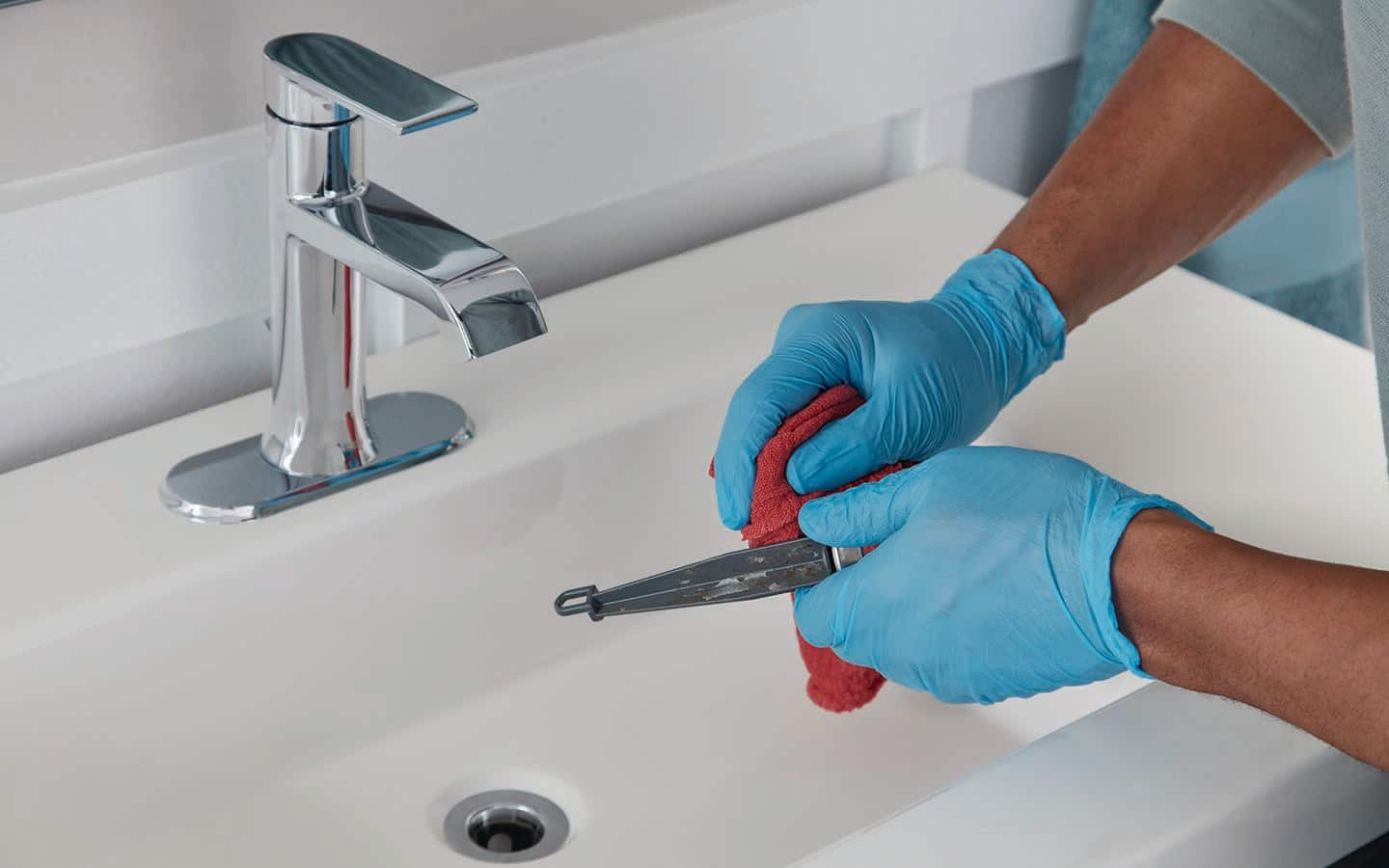
Credit: www.homedepot.com
Cleaning And Maintenance After Removal
After you have removed the plug, it’s a good idea to clean both the plug and the drain. Hair, soap scum, and debris often collect here, which can cause blockages and bad smells.
- Scrub the Plug: Use an old toothbrush and warm, soapy water to clean the plug.
- Clean Inside the Drain: Remove hair and gunk with a small brush or bent wire.
- Flush with Hot Water: Pour hot (not boiling) water down the drain to clear any loose debris.
- Check for Damage: Examine the plug and drain for cracks or wear. Replace parts if needed.
Extra tip: Regular cleaning every few months prevents most blockages and makes plug removal easier in the future.
Safety Tips And Common Mistakes
Working with bathroom sink plugs is safe, but there are a few things to watch out for:
- Never use sharp metal tools on your sink’s surface; they can scratch porcelain or enamel.
- Don’t force parts: If something will not move, check for hidden screws or parts before applying force.
- Wear gloves: This protects your hands from sharp edges and dirty water.
- Keep small parts safe: Plugs often have tiny screws or washers. Place them in a bowl so you do not lose them.
- Turn off water if you plan to remove the entire drain assembly.
Common mistake: Many people forget to check under the sink for retaining rods or nuts, making the job much harder.

Credit: www.youtube.com
When To Replace Instead Of Remove
Sometimes, you may find that the plug or drain is damaged or too old to reuse. Here are signs you should replace, not just remove and clean:
- The plug is cracked or chipped
- The plug will not open or close properly even after cleaning
- The seal is broken, causing leaks
- Corrosion or rust is present
Modern plugs are often inexpensive and easy to install. If you need to buy a new one, bring the old plug to the hardware store to match the size and type.
Choosing The Right Replacement Plug
If your plug is broken or you want to upgrade, choosing the right replacement is important. Bathroom sink plugs come in different sizes and mechanisms. Here is how to make the right choice:
- Measure the Drain Hole: Use a ruler or tape measure to find the diameter of your drain.
- Check Plug Type: Make sure the new plug matches your existing system (push-pull, pop-up, etc. ).
- Material: Brass and stainless steel last longer than plastic.
- Finish: Match the finish (chrome, brushed nickel, etc.) To your faucet.
- Installation Method: Some plugs are tool-free, others need a screwdriver or wrench.
Here’s a quick comparison of common plug materials:
| Material | Durability | Maintenance | Cost |
|---|---|---|---|
| Plastic | Low | Easy | Low |
| Brass | High | Medium | Medium |
| Stainless Steel | Very High | Easy | High |
| Rubber | Medium | Easy | Low |
Pro tip: If you are unsure, bring the old plug and a photo of your sink’s drain to the store for help.
Eco-friendly Disposal Of Old Plugs
When you remove and replace an old plug, do not throw it in the trash without thinking. Some plug parts can be recycled, especially metal ones. Rubber and plastic plugs can sometimes go in recycling bins, but check your local rules.
- Metal plugs: Recycle with scrap metal.
- Plastic plugs: Check for recycling symbols.
- Rubber stoppers: Usually go with household trash, unless your city recycles rubber.
If you are not sure, contact your local recycling center for advice.
Troubleshooting: If The Plug Falls Into The Drain
It is common for small plugs or parts to slip and fall into the drain. If this happens, do not panic.
- Do not run water: This can wash the plug further down.
- Try to grab it: Use long tweezers or needle-nose pliers to reach the plug.
- Use a magnet: If the plug is metal, a small magnet on a string can help.
- Remove the P-Trap: Place a bucket under the U-shaped pipe under the sink. Use a wrench to unscrew the nuts, then remove the trap to get the plug.
- Reinstall the P-Trap: Make sure to tighten the nuts securely to avoid leaks.
Extra insight: Dropping a plug down the drain is rarely a disaster—the P-trap usually catches it.
When To Call A Plumber
You can remove most bathroom sink plugs yourself, but sometimes it is safer or faster to call a professional:
- The plug will not move even after oil and cleaning
- There is a leak under the sink after removal
- The drain assembly is badly corroded or broken
- You do not have the right tools
A plumber can also replace the entire drain assembly if needed. For most people, though, removing a plug is a DIY-friendly job.
Preventing Future Problems
Once you have removed and cleaned your plug, you can avoid future headaches by following these tips:
- Clean regularly: Remove hair and debris once a month.
- Do not pour grease or food in the bathroom sink: This causes blockages.
- Check the plug for damage: Replace if you see cracks or rust.
- Use a drain cover: This traps hair and soap before it enters the drain.
Unexpected insight: Many blockages start with hair or soap chips that collect around the plug mechanism. Prevention is easier than a full removal.

Credit: www.familyhandyman.com
Real-world Example: Removing A Plug From A Pop-up Assembly
Let’s walk through a real example using a common pop-up assembly found in US homes.
- Locate the lever: Behind the faucet, there is a small rod you pull up or push down to open and close the plug.
- Open the plug: Push the lever so the plug is open.
- Go under the sink: Look for the horizontal rod attached to the drainpipe.
- Place a towel: Under the pipe to catch any water.
- Loosen the pivot nut: Unscrew by hand or with pliers.
- Remove the rod: Slide the rod out of the drain assembly.
- Lift the plug: It should now come out easily from the top.
- Clean and reinstall: Scrub everything, then reverse the steps to put it back.
This process is the same for most modern pop-up assemblies. If you need pictures, Family Handyman has a helpful visual guide.
Summary Table: Plug Types And Removal Difficulty
Here’s a quick reference for the most common types of bathroom sink plugs and how hard they are to remove.
| Plug Type | Removal Steps | Difficulty | Tool Needed |
|---|---|---|---|
| Push-Pull (Click-Clack) | Unscrew and lift | Easy | Hand |
| Flip-Top | Lift or unscrew | Easy | Hand or screwdriver |
| Rubber Stopper | Pull out | Very Easy | Hand |
| Lift-and-Turn | Twist, unscrew, lift | Medium | Hand, screwdriver |
| Pop-Up with Lever | Remove rod, lift plug | Medium | Pliers, screwdriver |
Frequently Asked Questions
What If My Bathroom Sink Plug Will Not Come Out?
If your plug is stuck, first check for hidden screws or nuts under the sink. Use a rubber glove for better grip and apply a small amount of penetrating oil. Gently wiggle the plug side to side. If it still will not move, the mechanism may be corroded.
You might need to remove the entire drain assembly or call a plumber for help.
Can I Remove A Bathroom Sink Plug Without Any Tools?
Yes, some plugs—like rubber stoppers or simple push-pull plugs—can be removed by hand. However, pop-up assemblies or lift-and-turn plugs usually require at least a screwdriver or pliers. It is best to have basic tools ready, just in case.
How Often Should I Clean My Bathroom Sink Plug?
It is a good idea to clean the plug and drain every 1–2 months, especially if you have long hair or use a lot of soap. Regular cleaning prevents blockages and keeps your drain smelling fresh.
Is It Safe To Use Chemicals To Loosen A Stuck Plug?
Chemical drain cleaners are not recommended for loosening plugs. They can damage your plumbing and are dangerous if they splash on your skin or eyes. Instead, use penetrating oil or a bit of vinegar and baking soda, and always wear gloves when working with chemicals.
Where Can I Find More Information About Bathroom Sink Plumbing?
For more detailed guides and visuals, you can visit Wikipedia’s article on drain stops. You will find diagrams, types, and extra tips for maintaining your bathroom sink.
Removing a bathroom sink plug is a small skill, but it can save you time, money, and frustration. With patience and the right steps, you can do it yourself and keep your sink running smoothly.