
Sweat stains and odors on a mattress are common, but removing them can feel overwhelming. You might notice a lingering smell even after washing your bedding. This can disturb your sleep and make your bedroom less inviting. Sweat contains water, salt, urea, and sometimes bacteria.
Over time, these soak into your mattress and create a stubborn odor that regular cleaning methods often miss.
Many people try to mask the smell with sprays or by opening windows, but these are only temporary solutions. In this article, you’ll learn step-by-step methods to get rid of sweat smell from your mattress for good. We’ll also discuss why this problem happens, what makes it worse, and how you can prevent it in the future.
Whether you have a memory foam, spring, or latex mattress, you’ll find practical advice you can use immediately.
Why Does Your Mattress Smell Like Sweat?
Mattresses trap more than just your body’s warmth at night. Sweat, dead skin cells, and even dust mites can build up inside the fabric and foam. While you may change your sheets weekly, mattresses are rarely cleaned. Over time, sweat residue seeps deeper, making odors harder to remove.
Here’s why the smell becomes stubborn:
- Absorption: Most mattresses are made from absorbent materials like foam or cotton, which hold on to sweat and moisture.
- Bacteria Growth: Sweat is a food source for bacteria. As bacteria multiply, they create strong odors.
- Humidity: A humid bedroom makes it easier for sweat to stay damp, encouraging further bacteria growth.
- Lack of Ventilation: Mattresses don’t dry out quickly, so sweat smells can get trapped for weeks or months.
Some people sweat more at night due to medical conditions, medications, or hot climates. If you share your bed, the problem can double.
Preparing Your Mattress For Cleaning
Before you start cleaning, you need to get your mattress ready. Skipping this step can make the cleaning process less effective.
- Strip the Bed: Remove all bedding—sheets, pillows, mattress protectors.
- Air Out the Mattress: Open the windows for at least 30 minutes. Fresh air helps reduce initial odors and moisture.
- Vacuum Thoroughly: Use a vacuum cleaner with an upholstery attachment. Focus on seams and crevices where sweat and dust might collect.
- Check for Stains: Look for yellow or darker patches. Sweat stains often go hand-in-hand with odor.
If you want a deep clean, plan for a day when you can leave your mattress uncovered for several hours. This allows it to dry completely after cleaning.
:max_bytes(150000):strip_icc()/clean-your-mattress-the-natural-way-350742-dd95404f7ac54f9b90f09045d9b4e98c.png)
Credit: www.thespruce.com
Simple Home Remedies To Remove Sweat Smell
Most sweat odors can be handled with common household items. You don’t need expensive cleaners to see good results.
Baking Soda Method
Baking soda is a natural deodorizer that absorbs odors and moisture.
- Sprinkle a generous layer of baking soda over the entire mattress surface.
- Let it sit for at least 4–8 hours. For best results, leave it overnight.
- Vacuum the baking soda thoroughly.
Baking soda works because it neutralizes acids and breaks down odor molecules. It’s safe for all mattress types.
White Vinegar Spray
White vinegar kills odor-causing bacteria and breaks down sweat residue.
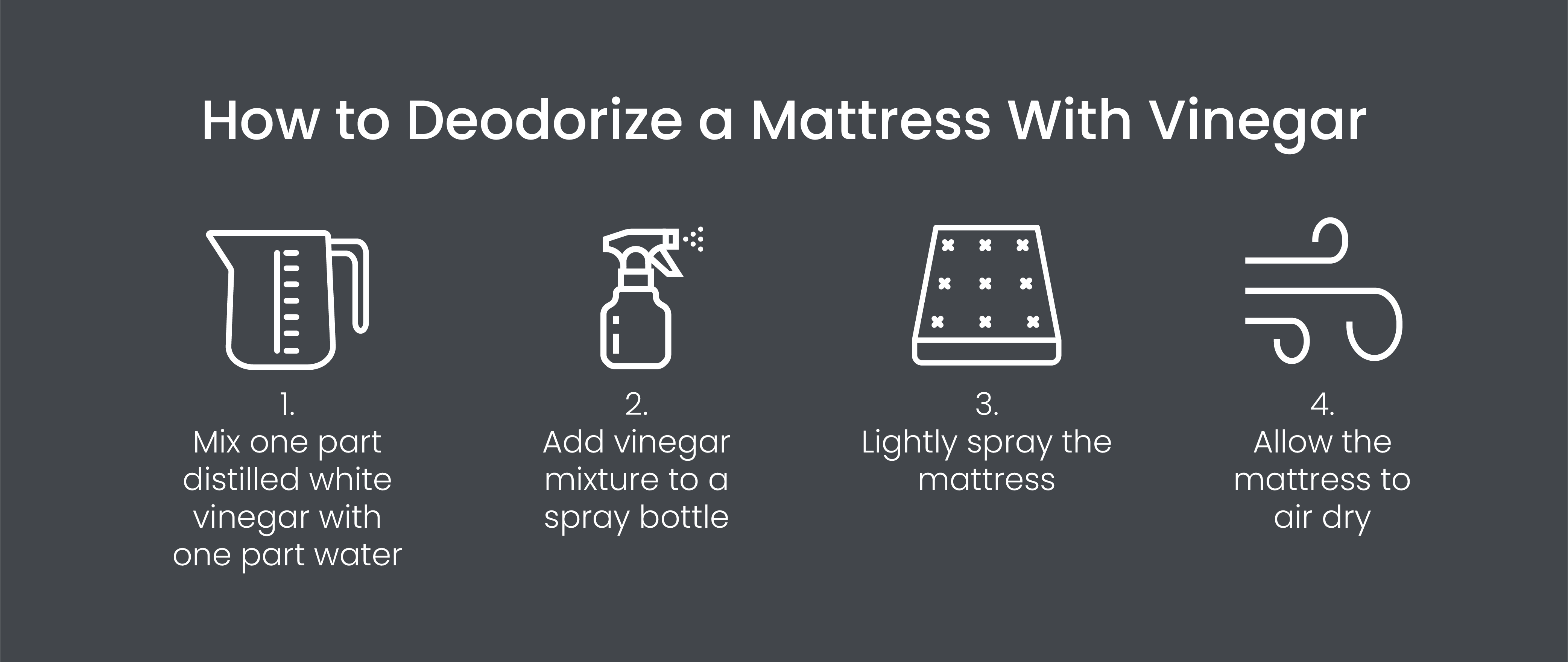
- Mix equal parts white vinegar and water in a spray bottle.
- Lightly mist the mattress (do not soak it).
- Leave the windows open so the mattress dries quickly.
- Once dry, sprinkle baking soda, wait an hour, then vacuum.
This method is especially good for memory foam, but always test a small area first. Vinegar’s smell will fade as it dries.
Enzyme Cleaners
Enzyme-based cleaners break down proteins in sweat and kill bacteria.
- Spray the enzyme cleaner over affected areas.
- Let it work for 10–15 minutes (check the label for specific times).
- Blot with a clean, damp towel to remove excess liquid.
- Allow the mattress to air dry completely.
These cleaners are available in pet stores and supermarkets. Always check that the product is safe for mattresses.
Sunlight Exposure
Sunlight is a natural disinfectant. If possible, move your mattress near a sunny window or outside (if safe).
- Leave the mattress in direct sunlight for 3–4 hours.
- Flip the mattress so all sides get sun.
Sunlight kills bacteria and helps remove moisture. However, this may not be practical for heavy or large mattresses.
Deep Cleaning Techniques For Persistent Sweat Odor
If home remedies aren’t enough, try these deeper cleaning methods. They reach sweat and bacteria trapped inside the mattress layers.
Steam Cleaning
A steam cleaner uses hot vapor to kill bacteria and loosen sweat residue.
- Use a handheld steam cleaner with an upholstery attachment.
- Pass over the mattress slowly, focusing on smelly areas.
- Let the mattress dry in a well-ventilated room for at least 8 hours.
Steam cleaning is effective but not suitable for all mattress types. Memory foam and some latex mattresses may absorb too much moisture, so check the manufacturer’s guidelines.
Hydrogen Peroxide Solution
Hydrogen peroxide can remove stains and neutralize odors.
- Mix one part 3% hydrogen peroxide with two parts water.
- Add a few drops of dish soap.
- Lightly spray on stains and smelly spots.
- Blot with a clean towel to lift residue.
Hydrogen peroxide can bleach some fabrics. Test on a small, hidden spot first.
Mattress Shampoo
Special mattress shampoos are designed for deep cleaning.
- Apply the shampoo according to the instructions.
- Scrub gently with a soft brush or sponge.
- Wipe away any excess moisture.
- Allow the mattress to dry completely before making the bed.
Shampoos can be bought online or from bedding stores. Choose one with a mild, non-toxic formula.
Preventing Sweat Smell From Returning
After you remove sweat smell, you want to keep your mattress fresh for as long as possible.
- Use a Mattress Protector: A waterproof protector acts as a barrier, blocking sweat from reaching the mattress.
- Wash Bedding Regularly: Change sheets at least once a week. Wash protectors every two weeks.
- Ventilate Your Room: Open windows or use a fan to reduce humidity.
- Air Out the Mattress: Every few months, remove bedding and let the mattress breathe for a few hours.
- Rotate the Mattress: Turn your mattress every 3–6 months to prevent sweat from building up in one area.
These steps help limit bacteria and moisture, which are the main causes of mattress odor.
Products That Help Remove Sweat Smell
Some products are made specifically to fight mattress odors. Here’s how the most common options compare:
| Product Type | Pros | Cons |
|---|---|---|
| Baking Soda | Cheap, easy to use, safe for all mattresses | Needs time to work, may need repeat use |
| White Vinegar | Natural, kills bacteria, good for tough odors | Strong smell at first, can damage some materials |
| Enzyme Cleaner | Breaks down sweat, safe for most mattresses | More expensive, needs drying time |
| Steam Cleaner | Deep cleaning, kills dust mites | Can add moisture, not for all mattress types |
| Mattress Shampoo | Professional results, removes stains too | Costs more, drying time needed |
When To Call A Professional Cleaning Service
Sometimes, sweat smell won’t go away despite your best efforts. If your mattress still smells after several cleaning attempts, it might be time for expert help.
- Deep Odor: If the smell is strong and covers the whole mattress.
- Mold or Mildew: If you see black spots or a musty odor, call professionals immediately.
- Allergies: If you have allergies or asthma, professional cleaning can remove allergens as well as odors.
- Warranty: Some mattress warranties require professional cleaning for certain problems.
Professional cleaners use specialized equipment and cleaning agents. They can reach deep into the mattress layers, something home remedies can’t always do.
How Sweat Smell Differs Across Mattress Types
Not all mattresses trap sweat and odors in the same way. Here’s a quick look at how different mattress types respond to sweat:
| Mattress Type | Absorbs Sweat? | Odor Removal Difficulty |
|---|---|---|
| Memory Foam | High | Moderate to Difficult |
| Innerspring | Medium | Moderate |
| Latex | Low to Medium | Easy to Moderate |
| Hybrid | Medium | Moderate |
| Pillow Top | High | Difficult |
Memory foam and pillow top mattresses are especially prone to sweat odor. Their dense layers hold moisture and bacteria. Latex and hybrid mattresses are usually easier to keep fresh, but all types can develop a problem if not cared for.
Common Mistakes To Avoid
Trying to remove sweat smells can sometimes make things worse. Here are mistakes you should avoid:
- Over-wetting the Mattress: Too much liquid can cause mold and take days to dry.
- Using Harsh Chemicals: Bleach and strong cleaners can damage mattress materials.
- Not Drying Properly: Always let the mattress dry completely before adding bedding.
- Ignoring Stains: Stains are often a sign of deeper odor issues. Treat them right away.
- Trying to Mask Smell: Air fresheners only hide the problem; they don’t solve it.
A non-obvious tip: Always check your mattress warranty before using any cleaning product. Some warranties become void if you use chemicals or certain cleaning methods.
How Often Should You Clean Your Mattress?
Cleaning frequency depends on your lifestyle and environment.
- Every 3–6 months: Deep clean your mattress using baking soda or a mattress shampoo.
- Monthly: Air out your mattress for a few hours.
- Immediately: Clean up sweat spills or stains as soon as you notice them.
If you sweat heavily at night, have pets, or live in a humid climate, you may need to clean more often.
The Science Behind Sweat Odors
Sweat itself is mostly water and doesn’t smell much. The problem comes when it mixes with skin oils and bacteria. As bacteria break down the sweat, they release volatile organic compounds (VOCs), which create that recognizable sweaty odor.
Research shows that humid environments and poor ventilation speed up this process. That’s why bedrooms with little airflow often have worse mattress smells. For more on the science of sweat and odor, see this Wikipedia article on sweat.
Diy Deodorizing Sprays
You can make your own spray to use after cleaning or as a routine freshener.
- Mix 1 cup water, 1/2 cup white vinegar, and 10 drops of lavender or tea tree essential oil in a spray bottle.
- Lightly mist your mattress every few weeks.
Essential oils add a pleasant scent and have natural antibacterial properties. Don’t over-apply, and make sure the mattress dries quickly.
How To Deal With Sweat Stains
Sweat stains are usually yellow and can make your mattress look old. Here’s how to remove them:
- Mix 1/2 cup hydrogen peroxide, 2 tablespoons baking soda, and a few drops of dish soap.
- Apply with a soft brush or cloth to the stain.
- Leave for 30 minutes, then blot with a damp towel.
- Let the mattress air dry.
This method breaks down the proteins and oils in sweat, removing both color and smell. Always test on a hidden spot first.
Tips For Hot Sleepers
If you sweat a lot at night, you’re not alone. About 41% of people say they sweat in their sleep at least once a week. Here’s how to manage it:
- Use breathable sheets: Cotton and linen help wick away moisture.
- Choose a cooling mattress topper: Gel or bamboo toppers reduce heat.
- Keep your room cool: Aim for 60–67°F (16–19°C).
- Avoid heavy blankets: Layer light blankets instead of a heavy one.
A small dehumidifier can also help if your room is humid. These steps reduce sweat and make odor less likely.

Credit: yogasleep.com
Mattress Maintenance Schedule
Keeping a regular schedule helps you stay ahead of sweat smells.
| Task | Frequency |
|---|---|
| Vacuum Mattress | Every 1–2 months |
| Baking Soda Treatment | Every 3–6 months |
| Wash Bedding | Weekly |
| Air Mattress | Monthly |
| Rotate Mattress | Every 3–6 months |
Set reminders on your phone or calendar. Consistency is key for a fresh, odor-free mattress.
What To Do If The Smell Won’t Go Away
If you’ve tried all these methods and the odor stays, consider these options:
- Replace Your Mattress: Mattresses have a lifespan of 7–10 years. If yours is older, odors may be a sign it’s time for a new one.
- Check for Mold: Persistent, musty smells can mean mold inside the mattress. Mold can be harmful to your health and is difficult to remove.
- Consult a Professional: Sometimes, only a professional can fix deep or old odor problems.
Don’t ignore stubborn smells. They can affect your sleep quality and even your health.
Credit: laylasleep.com
Frequently Asked Questions
How Long Does It Take To Remove Sweat Smell From A Mattress?
It depends on the cleaning method and how strong the smell is. Baking soda may take 4–8 hours, while deep cleaning or enzyme cleaners may need a full day. For persistent odors, you might need to repeat the process several times.
Is It Safe To Use Vinegar Or Hydrogen Peroxide On All Mattresses?
Vinegar and hydrogen peroxide are safe for most mattresses, but always test a small, hidden area first. Some materials, especially memory foam and latex, can be damaged by too much liquid or strong chemicals. Avoid soaking your mattress.
Can Mattress Protectors Prevent Sweat Smell Completely?
A good mattress protector acts as a barrier and can prevent most sweat from reaching your mattress. However, protectors need to be washed regularly. Over time, some sweat may still get through, so occasional mattress cleaning is still important.
Why Does My Mattress Smell Worse After Cleaning?
If you use too much liquid or don’t let the mattress dry completely, it can develop a musty odor. Always let your mattress air dry until it’s completely dry before putting bedding back on. Use fans or open windows to speed up the process.
When Should I Replace My Mattress Instead Of Cleaning It?
If your mattress is over 10 years old, has visible mold, or the odor returns quickly after cleaning, it’s a sign you may need a new one. Old mattresses can collect sweat, bacteria, and allergens that are hard to remove.
A clean mattress means better sleep and a healthier home. With the right methods, you can remove sweat smell and keep your bedroom fresh. Remember, regular care is easier than dealing with stubborn odors later. Your mattress will thank you—and you’ll enjoy a better night’s rest.