
If you love a perfect cup of tea, your Breville Tea Maker is probably one of your most valued kitchen tools. But to keep your tea tasting fresh and your machine working for years, regular cleaning is essential. Tea leaves, minerals, and water stains can build up quickly inside your device, affecting both flavor and function. Many owners are unsure about the right way to clean their machine without causing damage or voiding the warranty. This guide will show you exactly how to clean your Breville Tea Maker step by step, so you can enjoy pure, flavorful tea every time.
Why Cleaning Your Breville Tea Maker Matters
Many people underestimate how much buildup can occur in a tea maker. Over time, mineral deposits, leftover tea oils, and mold can collect inside the kettle, basket, and lid. This buildup can:
- Change the taste and smell of your tea
- Slow down heating time
- Cause buttons or the lid to stick
- Shorten the machine’s life
Even if your tea looks clear, invisible film or residue can affect every cup. Tea oils are especially stubborn, and their buildup can make black, green, or herbal teas taste bitter or stale. Some people notice a “musty” or “old” flavor after just a few weeks of not cleaning.
Regular cleaning prevents these problems. According to a study from the National Sanitation Foundation, kitchen appliances with moist interiors, like tea makers, are among the most common places for bacteria and mold to grow. A clean tea maker is not just about taste—it’s about health and longevity.
Many owners are surprised to learn that mold can start growing inside the lid or spout after just a few days if moisture stays trapped. Even if you don’t see mold, bacteria thrive in warm, wet environments. So, it’s not just about keeping your tea tasting great—you are also protecting yourself and your family from hidden germs.
Understanding Your Breville Tea Maker
Before cleaning, it helps to know the main parts of your Breville Tea Maker. Most models include:
- Glass kettle: Holds the water and steeps the tea
- Stainless steel tea basket: Where you place loose tea leaves
- Lid: Often removable, sometimes with a steam vent
- Base: Electrical part, never submerge in water
- Control panel/buttons: Where you set temperature and steep time
Some models have extra features, like a keep-warm function or auto-start. The cleaning steps are similar for all, but always check your user manual for specific instructions.
A few Breville models also have rubber gaskets or silicone seals to keep steam in, or mesh screens for pouring. Pay close attention to these areas during cleaning. These small components can trap tea oils or limescale, and are often missed during a quick rinse.
If your tea maker has a detachable power cord, always remove it before cleaning the base. For models with a digital display, never spray water directly onto the screen or buttons.
Example: On the Breville One-Touch Tea Maker, the tea basket automatically lowers and lifts. Make sure to clean any moving parts gently, as buildup can make these features stick or stop working.
Credit: www.breville.com
Preparing To Clean: What You’ll Need
Gather these supplies before you start:
- White vinegar
- Baking soda
- Mild dish soap
- Non-abrasive sponge or cloth
- Soft brush (like a toothbrush)
- Clean towel
- Fresh water
Avoid harsh chemicals, bleach, or anything abrasive. These can damage the kettle, basket, or electronics.
If you don’t have white vinegar, lemon juice is a good alternative for descaling and removing odors. Old, rough sponges can scratch glass or stainless steel, so choose something soft. A dedicated cleaning brush or even a cotton swab helps reach into the spout or mesh basket corners.
Practical insight: Set up your cleaning area near the sink with plenty of space. Lay out a towel so that freshly cleaned parts can air dry without touching dirty surfaces.
How Often Should You Clean Your Breville Tea Maker?
How often you clean depends on how much you use it and your water type:
- After every use: Rinse the kettle and basket with warm water
- Once a week: Wash all removable parts with soap and water
- Every 1-3 months: Deep clean and descale, especially if you use hard water
If your tea starts tasting “off,” or you see white mineral spots, it’s time to clean—even if it hasn’t been long.
Frequent cleaning is especially important if you use the tea maker every day or if you prepare different types of tea. For example, black teas leave more residue than green or herbal teas. If you use hard tap water, limescale will build up faster, requiring more regular descaling.
Non-obvious tip: Even if you only use filtered or bottled water, organic debris from tea leaves can still collect in the basket and lid, so don’t skip routine cleaning.
Many users only rinse the kettle and forget about the tea basket or lid. Over time, these parts can become sticky or discolored. Make a habit of checking all removable parts for hidden stains or odors after each use.
Step-by-step: Basic Daily Cleaning
Keeping your tea maker clean after each use prevents build-up and keeps your tea tasting great. Here’s what to do:
1. Unplug And Cool Down
Always unplug the tea maker and let it cool before cleaning to avoid burns or electric shock. Don’t rush this step—hot water or steam can linger in the kettle for several minutes.
2. Remove The Basket And Lid
Lift out the stainless steel tea basket and remove the lid if possible. Some baskets have small release levers or clips—be gentle to avoid bending them.
3. Rinse With Warm Water
Rinse the kettle, basket, and lid under warm running water. This removes loose tea leaves and oils. If you spot tea leaves stuck in the mesh, gently tap the basket upside down to shake them out, or use your fingers to dislodge stubborn bits.
4. Wipe With A Soft Cloth
Use a non-abrasive sponge or soft cloth to gently wipe away any remaining residue. Focus on the spout and rim, where tea stains can collect. For the basket, use a brush to clean inside the mesh.
5. Dry Thoroughly
Use a clean towel to dry all parts before reassembling or storing. This prevents water spots and mold. Leave the kettle and basket out to air dry if you have time.
Extra tip: If you’re in a hurry, at least open the lid after rinsing. This helps moisture escape and reduces musty smells.
Deep Cleaning And Descaling Your Breville Tea Maker
Even with regular rinsing, minerals from water will build up inside your kettle. This is called scale. It’s especially common with hard water. Deep cleaning removes this buildup.
How To Descale With Vinegar
1. Empty The Kettle
Make sure there’s no water or tea left inside. Remove any stray tea leaves or bags.
2. Mix The Solution
Fill the kettle with a mixture of one part white vinegar to two parts water. For example, use 1 cup vinegar and 2 cups water. This is strong enough to dissolve scale but gentle on seals.
3. Let Soak
Allow the solution to sit in the kettle for 30 to 60 minutes. For heavy buildup, soak longer, but never overnight. Agitate gently to loosen stubborn spots.
4. Run A Heating Cycle
Turn on the kettle and let it heat the vinegar solution to boiling (if your model allows boiling without the basket). The steam helps break down deposits on the walls and bottom.
5. Discard And Rinse
Pour out the hot solution carefully. Rinse the kettle several times with clean water to remove any vinegar smell or taste. Swirl the water around to catch any remaining residue.
6. Wipe The Interior
Use a soft cloth or brush to scrub away any remaining spots. Focus on the bottom and spout, where buildup is thickest.
7. Final Rinse And Dry
Fill the kettle with fresh water, bring to a boil, and discard. Do this at least once to remove all traces of vinegar. Let the kettle air dry with the lid off.
Cleaning The Tea Basket And Lid
- Soak both in warm, soapy water for 10-15 minutes to loosen oils.
- Use a soft brush (like a toothbrush) to clean mesh and corners. Pay extra attention to the edges where leaves get stuck.
- Rinse and dry fully. Don’t reassemble until all parts are completely dry.
Example: If the mesh basket looks dull or tea-stained, sprinkle baking soda on your brush before scrubbing.
Cleaning The Base And Control Panel
- Never immerse the base in water.
- Wipe with a damp (not wet) cloth.
- Dry immediately with a towel.
- If buttons feel sticky, use a cotton swab slightly dampened with water (not vinegar) to clean around them.
Removing Stubborn Stains And Odors
Sometimes, tea oils or hard water stains won’t budge with vinegar alone. Try these tips:
- Baking soda paste: Mix baking soda with water to make a paste. Apply to stains, let sit for 10 minutes, then gently scrub and rinse.
- Lemon juice: For persistent odors, rub the inside with lemon juice, let it sit for 15 minutes, and rinse well.
- Repeat vinegar soak: For very stubborn scale, repeat the vinegar process.
Tea makers used for herbal or flavored teas often develop stronger odors. Lemon juice is especially effective at neutralizing these smells. For the spout, use a cotton swab dipped in lemon juice or vinegar.
Insight: Many users forget to clean the lid and spout area, where mold often hides. Always check these areas for buildup.
Additional tip: Leave the lid off after cleaning and let the kettle air out overnight. Fresh air helps remove lingering odors naturally.
Cleaning The Exterior
The outside of your Breville Tea Maker can collect fingerprints, splashes, and dust.
- Wipe with a damp cloth and mild soap.
- Dry with a soft towel.
- Buff stainless steel parts with a dry microfiber cloth for shine.
Avoid getting water into the base or electrical parts.
If you notice water spots, use a few drops of vinegar on a cloth to gently remove them, then wipe with a dry towel. For stubborn sticky spots (like sugar or syrup), use a little dish soap and rinse immediately.
Non-obvious advice: Occasionally check under the kettle and base for dust or crumbs, as these can interfere with good contact and affect heating.
Common Mistakes To Avoid
Even careful owners can make these errors:
- Using abrasive cleaners: These scratch the glass and steel, making future stains worse.
- Letting water sit: Leaving tea or water in the kettle overnight encourages scale and mold.
- Forgetting the base: Neglecting the base and control panel can cause sticky buttons or malfunction.
- Not drying parts: Moisture left in the basket or lid can lead to mold.
- Overfilling with vinegar: Too much vinegar can damage seals over time. Always dilute and rinse well.
Additional mistake: Don’t try to clean with boiling water alone—high heat may loosen some grime, but it doesn’t remove oils or scale. Mechanical cleaning is always needed.
How To Clean Each Part: Quick Reference
Here’s a handy comparison of the best ways to clean each part of your Breville Tea Maker:
| Part | Best Cleaning Method | How Often | Notes |
|---|---|---|---|
| Glass Kettle | Vinegar or baking soda, rinse well | Weekly/Monthly | No abrasive pads |
| Tea Basket | Soak in soapy water, brush mesh | After every use | Dry immediately |
| Lid | Rinse and wipe, check for mold | After every use | Clean vent holes |
| Base | Damp cloth only | Weekly | Never immerse |
| Control Panel | Soft dry cloth | Weekly | Avoid moisture |
Comparing Cleaning Frequency For Different Water Types
Water type affects how often you need to clean your tea maker. Here’s a quick look:
| Water Type | Descale Frequency | Why |
|---|---|---|
| Soft Water | Every 2-3 months | Fewer minerals, slower buildup |
| Hard Water | Monthly | More minerals, faster scale |
| Filtered/Distilled | Every 3-4 months | Least buildup, but still clean regularly |
Insight: If you notice white spots, cloudiness, or your tea takes longer to brew, your water is likely hard and you need more frequent descaling.
Even if your water seems clean, trace minerals can build up over time. If you move to a new home or switch water sources, pay attention to how quickly scale appears and adjust your cleaning schedule.
Extra Tips For Long-term Care
1. Use Filtered Water
This reduces scale and keeps your tea tasting pure. Filters also help prevent strange flavors caused by chlorine or minerals in tap water.
2. Store With Lid Off
Letting your kettle air dry with the lid off prevents mold and musty smells. Even a small amount of trapped moisture can lead to bacteria growth.
3. Check Seals And Gaskets
If your model has rubber seals, check for wear or mold. Replace if needed. Mold can hide under the gasket, so lift gently and inspect every few months.
4. Run A Plain Water Cycle After Cleaning
Always run a full boil with fresh water after deep cleaning to remove any leftover taste from vinegar or soap.
5. Don’t Ignore The Keep-warm Function
If your machine has this, clean the heating plate under the kettle too—it can collect drips and stains.
6. Rotate Your Tea Types
If you brew strong teas, alternate with lighter teas or plain water boils to help keep the basket cleaner for longer.
7. Keep A Cleaning Schedule
Mark your calendar for monthly deep cleaning. Consistency prevents tough buildup.
Troubleshooting Common Problems
Sometimes, even after cleaning, you might notice issues like:
- Strange smells
Repeat a vinegar soak or use lemon juice to deodorize. Check for hidden tea leaves or mold under the lid or in the spout.
- Cloudy water
Descale more often, and switch to filtered water if possible.
- Buttons not working
Unplug and clean the control panel with a dry cloth. Moisture or sticky residue can cause malfunction.
- Tea tastes off
Clean all parts again, especially the basket and lid. Sometimes oils or old leaves get trapped. Also, double-check the water you’re using.
- Mold in the lid or spout
Use a cotton swab or brush to reach small crevices. Soak in vinegar if necessary.
If problems continue after thorough cleaning, inspect for cracks, worn seals, or electrical faults. Persistent issues may mean it’s time to consult the manufacturer or consider a replacement.
Can You Use Commercial Descalers?
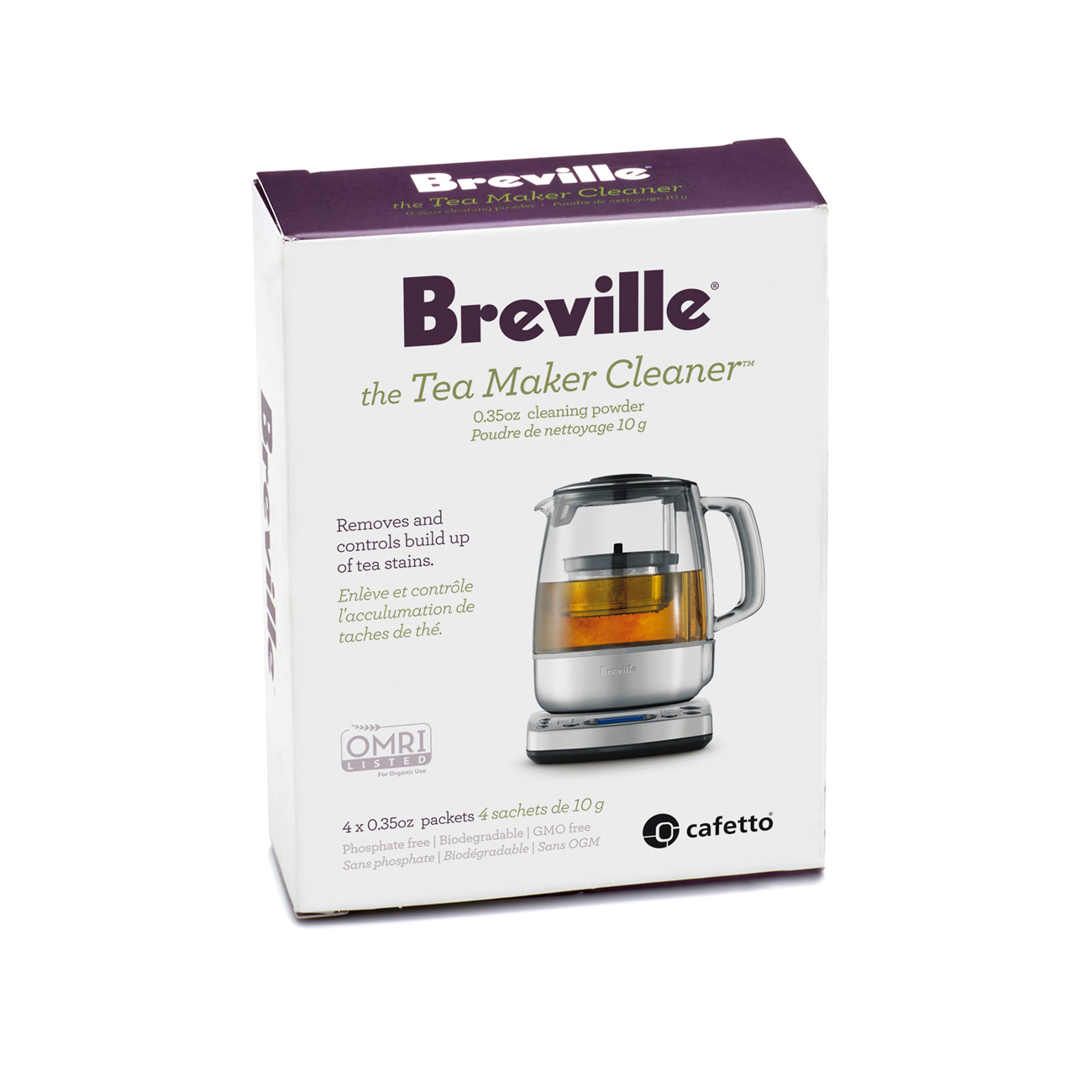
Breville approves certain commercial descaling products. These work well, but make sure they’re safe for kettles and follow instructions exactly. Never use bleach or bathroom cleaners. If unsure, stick to vinegar and water.
For the latest recommendations, check the Breville official website for your specific model.
Remember, commercial descalers can be more convenient but may be more expensive than natural solutions. Always rinse your kettle thoroughly after using any descaler to avoid leftover chemicals in your tea.

Credit: www.breville.com
How To Clean The Auto-start And Keep-warm Functions
These features help you enjoy tea at just the right time, but they can also collect residue.
- Auto-Start: Make sure the clock and electronics stay dry. Wipe the buttons and display with a dry microfiber cloth.
- Keep-Warm Plate: Wipe any spills immediately. If stains develop, use a damp cloth (never wet) and dry right away.
If you spill tea on the base, unplug immediately and wipe dry.
Extra guidance: Don’t use sprays or wet wipes on the display or buttons. If your buttons stick, use a soft brush or toothpick to gently remove buildup around the edges.
How To Store Your Breville Tea Maker Safely
Proper storage keeps your machine clean and ready to use:
- Dry all parts completely before storing.
- Store with lid open to prevent odors.
- Keep the base in a dry, dust-free area.
- Avoid stacking heavy items on top, which can damage buttons or the kettle.
If you plan to store your tea maker for a long period, wrap the power cord loosely and keep all parts together. This prevents missing pieces and makes reassembly easy.

Credit: www.breville.com
What To Do If Your Tea Maker Hasn’t Been Cleaned In A Long Time
If you’ve neglected cleaning for months, or bought a used Breville Tea Maker, do this:
- Wash all removable parts with hot, soapy water. Soak if necessary.
- Descale the kettle twice with vinegar solution.
- Scrub all crevices with a toothbrush or cotton swab.
- Check for mold in the lid and spout; soak in vinegar if needed.
- Run two cycles of fresh water to remove all cleaning solution.
- Inspect seals and electronics before use.
Tip: If you smell mold or see black spots after cleaning, repeat the process or consider replacing parts if possible.
If deep stains remain after several cleanings, try alternating vinegar and baking soda treatments. Persistent odors may need several air-drying cycles.
How To Tell If Your Breville Tea Maker Needs Replacing
No matter how well you clean, every appliance has a lifespan. Signs it’s time to replace:
- Cracks or chips in the glass kettle
- Rust or permanent stains that won’t come off
- Buttons that stop working even after cleaning
- Persistent odors or mold that won’t go away
In these cases, safety comes first.
If your tea tastes metallic, or you see flaking on the metal parts, it’s a sign the interior coating may be damaged. Don’t risk your health—replace the machine.
Environmental Impact: Eco-friendly Cleaning
Vinegar and baking soda are eco-friendly and safe for most Breville models. Avoid harsh chemicals that can harm both your tea maker and the environment. Reuse cleaning cloths and choose natural, unscented soaps.
If you want to avoid single-use cloths, use old cotton T-shirts or microfiber towels that can be washed and reused. For a completely zero-waste approach, compost used lemon peels and tea leaves after cleaning.
Final Safety Reminders
- Always unplug before cleaning
- Never immerse the base or electronics in water
- Dry all parts fully before plugging back in
- If you spill water on the base, let it dry 24 hours before use
Don’t rush the drying process—moisture is the biggest cause of damage and mold.
Frequently Asked Questions
How Do I Remove Tea Stains From The Glass Kettle?
Mix a baking soda paste (1 part baking soda, 1 part water) and apply to the stains. Let it sit for 15 minutes, scrub gently, then rinse. For tough stains, repeat or soak with vinegar solution. If stains are still visible, try rubbing with a slice of lemon.
Can I Put Breville Tea Maker Parts In The Dishwasher?
Most glass kettles and stainless steel baskets are not dishwasher safe. Always check your manual. Dishwasher heat can damage seals and cause cloudiness. Hand wash for best results.
Some lids or baskets may say “top rack safe,” but regular hand washing is gentler and extends the life of your parts.
How Do I Clean Mold From The Lid Or Spout?
Remove the lid and soak it in a vinegar and water solution for 30 minutes. Use a soft brush to scrub crevices. Rinse and dry completely. For the spout, use a cotton swab dipped in vinegar. Repeat if you see black spots or smell mustiness.
What If My Tea Still Tastes Strange After Cleaning?
Rinse and clean all parts again, especially the basket and lid. Run two cycles with fresh water. If the problem continues, switch to filtered water and check for hidden buildup. Also, try a different batch of tea leaves—sometimes the tea itself causes odd flavors.
Is Vinegar Safe For All Breville Tea Maker Models?
White vinegar is safe for most Breville glass kettles but always dilute and rinse well. Check your user manual. Never use pure vinegar or leave it in the machine overnight.
Caring for your Breville Tea Maker is simple with regular cleaning and the right methods. You’ll enjoy pure, delicious tea and a machine that lasts for years. The small effort you invest in cleaning pays off every time you take a sip of your favorite brew.