
Getting a new couch feels amazing—soft fabric, fresh color, and a cozy spot to relax. But after a few months, you might notice something frustrating: little balls of fuzz, called pilling or lint, gathering on the surface. These tiny fuzz balls can make your couch look old and worn, even if you clean it often. If you’re struggling with this problem, you’re not alone. Many people face the challenge of keeping their couches looking smooth and new.
This guide will walk you through how to remove fuzz from a couch completely. You’ll discover why fuzz appears, the best tools and methods for every fabric type, how to prevent new fuzz, and what to avoid. Even if you’ve never done this before, you’ll finish with the skills and confidence to restore your couch’s beauty.
Let’s Get Started On Bringing Back That Fresh, Clean Look!
Why Does Fuzz Build Up On Couches?
Fuzz, also called pilling or lint, comes from tiny fibers breaking loose from the fabric’s surface. This can happen to all types of couches—fabric, microfiber, velvet, even some leathers. Here’s why fuzz appears:
- Friction: Sitting, sliding, and moving on the couch rubs fibers together, causing them to tangle and form pills. Even simple activities like stretching out your legs, tossing a pillow, or kids jumping up and down on the cushions increase friction.
- Pets: Cats and dogs add extra friction with their claws and fur. Over time, their movements—especially scratching or climbing—accelerate pilling.
- Cleaning: Vigorous scrubbing or rough cleaning tools can loosen more fibers. For example, using a stiff brush or scrubbing the same area repeatedly can quickly break fibers loose.
- Low-quality material: Cheaper fabrics pill faster because their fibers are shorter and less tightly woven. Sometimes, even new couches pill quickly if the manufacturer used inexpensive upholstery.
Pilling is normal and doesn’t mean your couch is ruined. But removing fuzz quickly helps your couch stay soft and attractive longer. Acting early also prevents pills from getting bigger and harder to remove.
Types Of Fuzz You’ll Find
Understanding the kind of fuzz on your couch helps you choose the right removal method.
- Loose lint: Soft, fluffy fibers that sit on top of the fabric. They often come from blankets, clothing, or even the couch itself. They’re easy to remove and usually don’t damage the couch.
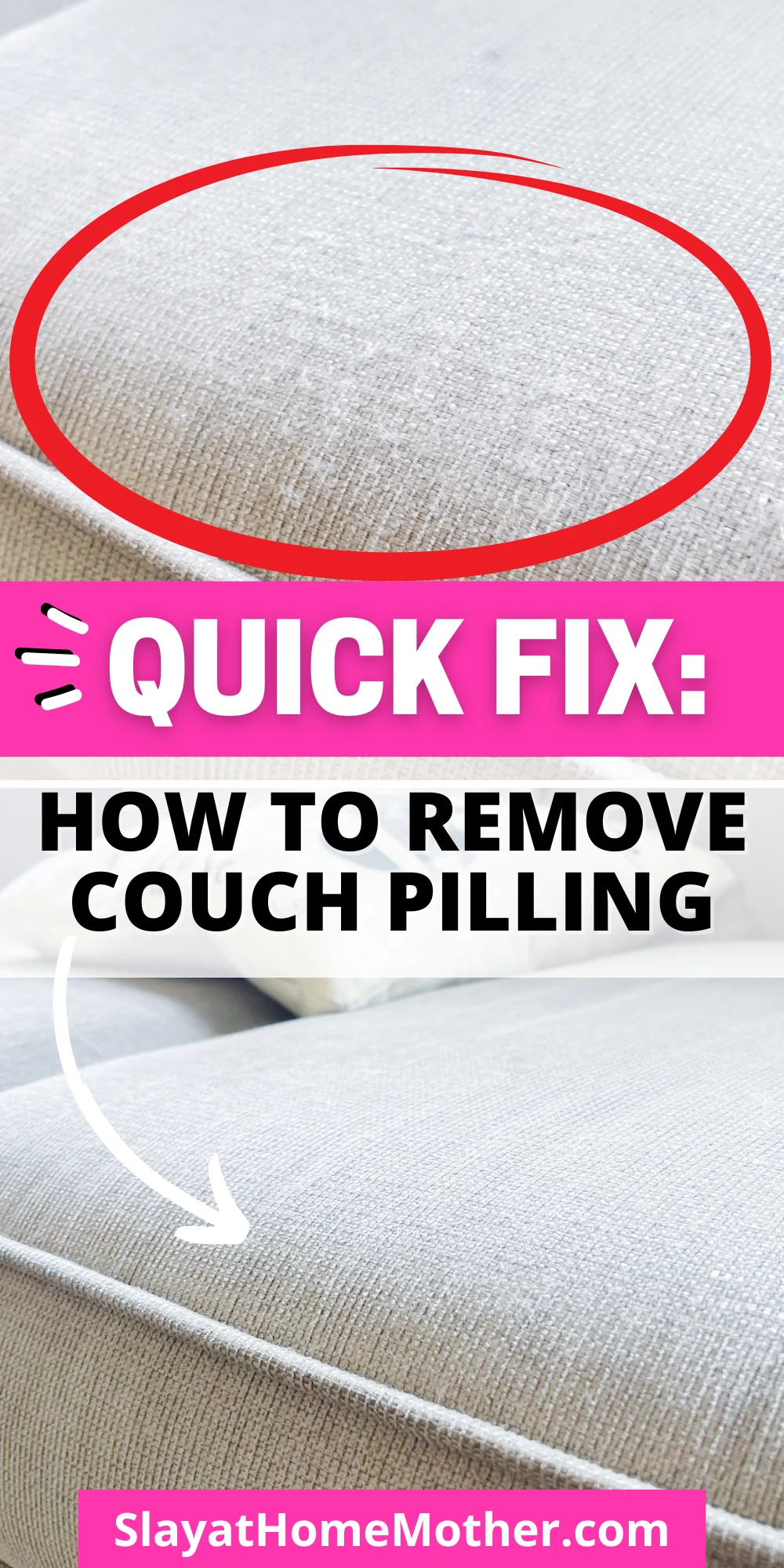
- Pills: Small, round balls tightly attached to the fabric. These are the most common type of fuzz and form when loose fibers twist together. Pills can build up over time and make the couch look uneven.
- Pet hair: Animal fur that sticks to fabric, sometimes mixed with lint. Pet hair can be short or long, and may also bring in dust or other debris from outside.
- Embedded fuzz: Deeply tangled fibers that are harder to remove. These often collect in seams, corners, or textured fabrics and may require special tools.
Each type requires a slightly different approach, which you’ll learn in detail below. For example, pet hair needs stickier tools, while pills respond best to shaving or combing.
Credit: www.slayathomemother.com
Essential Tools For Removing Fuzz
Different tools work best for different fabrics and types of fuzz. Here’s a quick comparison:
| Tool | Best For | Pros | Cons |
|---|---|---|---|
| Lint Roller | Loose lint, pet hair | Easy, quick | Needs refills, not for pills |
| Fabric Shaver | Pills, embedded fuzz | Very effective | Can damage delicate fabric if misused |
| Pumice Stone | Pills, heavy fuzz | Good for tough pilling | Requires gentle use |
| Velvet Brush | Delicate fabrics | Safe for sensitive surfaces | Slower process |
| Duct Tape | Quick fixes | Cheap, easy | Sticky residue risk |
You don’t need every tool. Often, two or three are enough for most homes. If you’re unsure, start with a lint roller and a fabric shaver, as these cover most situations.
Step-by-step Guide: How To Remove Fuzz From Your Couch
Let’s go through each method in detail. Choose the approach that matches your couch’s fabric and the type of fuzz you see.
1. Start With A Deep Vacuum
Before using any special tools, always vacuum your couch. This removes dust, crumbs, and loose fibers, making other methods more effective.
- Use a soft brush attachment to avoid damaging fabric. Hard plastic attachments can scratch or pull at the fibers.
- Move in slow, overlapping strokes. Rushing can leave fuzz behind.
- For cushions, remove and vacuum all sides. Don’t forget to vacuum the creases, under the cushions, and along the seams where fuzz hides.
Vacuuming not only cleans but also lifts fibers upright, making pills easier to spot and remove. This step alone can remove up to 30% of loose lint and pet hair.
2. Lint Roller For Quick Lint And Pet Hair
A lint roller is a sticky roll on a handle. It’s perfect for loose lint and pet hair.
- Roll over the surface with light pressure. Pressing too hard can push fuzz deeper.
- Replace sheets as they fill up. Full sheets lose stickiness and won’t pick up as much.
- For stubborn hairs, press and twist slightly. This lifts hair that’s stuck in the weave.
Pro tip: For large couches, use an extra-wide lint roller to save time. If you have pets, keep a lint roller on a nearby shelf for quick daily touch-ups.
3. Fabric Shaver For Pills
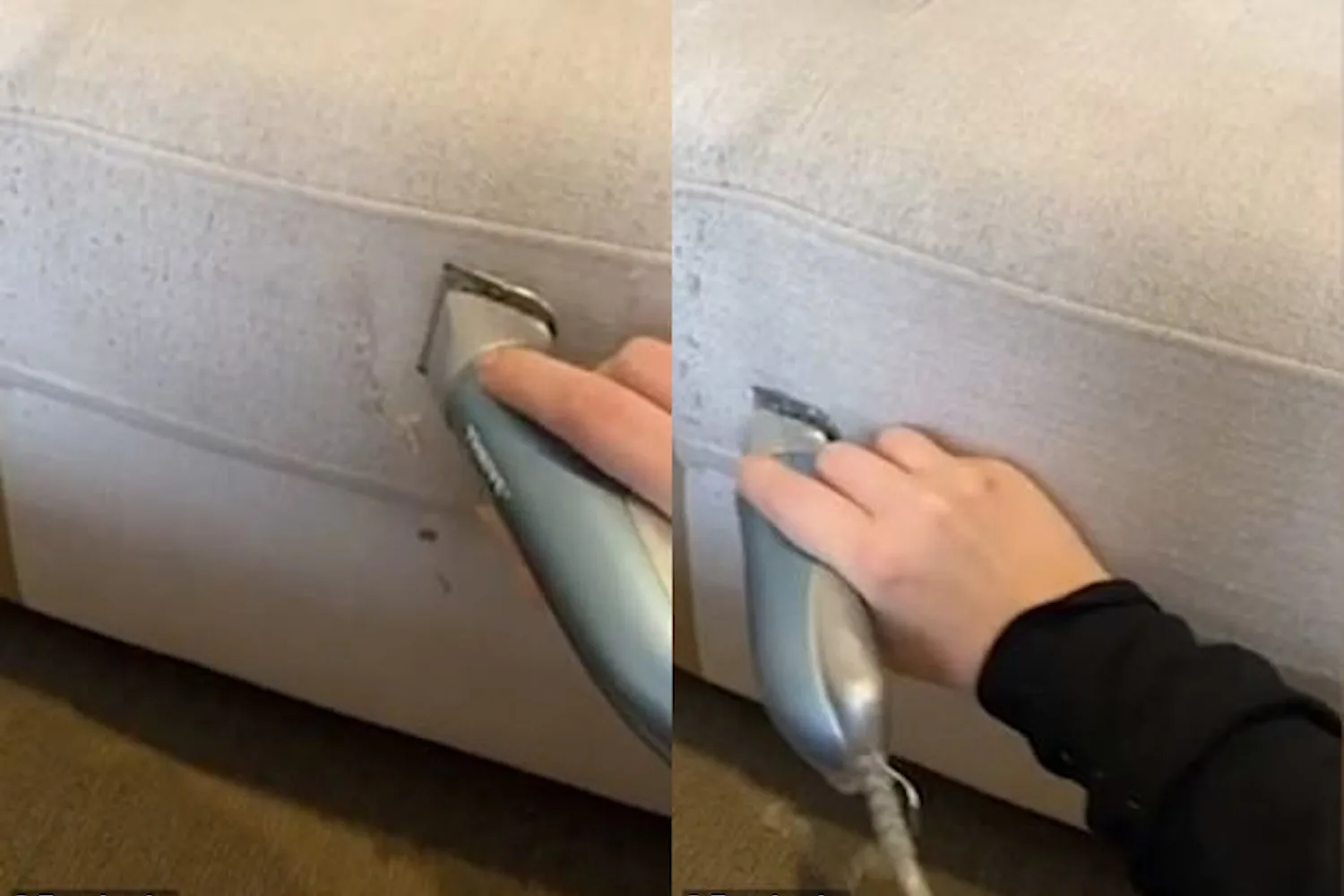
A fabric shaver (also called a lint remover or depiller) is the most effective tool for fuzz balls and deep pilling.
- Turn on the shaver and gently move it in circles over the fabric. Keep movements slow and even.
- Empty the fuzz compartment often. A full compartment can clog the blade or reduce effectiveness.
- Be extra careful near seams or thin areas. Avoid sharp corners—shavers can catch and tear threads.
Don’t press hard—gentle pressure avoids damaging the fabric. If your couch is heavily pilled, work in sections to avoid missing spots.
4. Pumice Stone For Heavy Pilling
A pumice stone (like the kind used for feet) can handle thick pills, especially on woven fabrics.
- Rub gently in one direction—never scrub back and forth. This helps prevent fabric pulls or tears.
- Lift fuzz with each pass and pick it off by hand. Collect pills in a small bag as you go to keep the area clean.
- Don’t use on velvet, silk, or leather. These materials can be scratched or ruined by abrasion.
This method can remove fuzz that other tools miss, especially on older or rougher fabrics.
5. Duct Tape Or Packing Tape For Quick Fixes
If you don’t have a lint roller, strong tape works in a pinch.
- Wrap tape around your hand, sticky side out.
- Pat over the fuzz and lift away. Don’t press too hard.
- Replace tape as it fills up.
Watch for sticky residue—test a small area first, especially on delicate upholstery. If residue appears, gently wipe with a damp cloth.
6. Velvet Brush Or Clothes Brush For Delicate Fabrics
For velvet, microfiber, or sensitive upholstery, use a soft velvet brush.
- Brush in the direction of the fabric’s “nap” (the soft, smooth side). Going against the nap can flatten or roughen the fabric.
- Use light, even strokes. Patience is key.
- Remove loose fibers with a vacuum afterward. This gives the couch a smooth, uniform look.
A velvet brush is also useful for dusting off crumbs and refreshing the couch’s appearance.
7. Sweater Comb For Small Areas
A sweater comb is a small plastic or metal tool used for clothes, but it also works on small couch areas.
- Hold fabric tight and gently pull the comb across. Short, quick strokes work best.
- Collect fuzz as you go. You might need to clean the comb after each pass.
- Use only on tough fabrics, not silk or velvet. The comb’s teeth can snag on delicate surfaces.
Sweater combs are perfect for armrests or cushion edges, where pills form quickly.
8. Rubber Gloves For Pet Hair
For pet owners, damp rubber gloves can lift hair and loose fuzz easily.
- Put on clean rubber gloves. Kitchen gloves work well.
- Slightly dampen them with water. Don’t soak—just a light mist.
- Run your hand over the fabric—the hair will clump up. The static electricity helps grab hair.
- Collect and throw away the fuzz.
This method is safe for almost all couch fabrics and is especially useful before guests arrive.
9. Electric Upholstery Brush (for Large Couches)
Some vacuum cleaners have an electric upholstery brush attachment.
- Use slow, gentle passes. Let the brush do the work.
- Focus on high-traffic areas. These spots collect the most fuzz and crumbs.
- Empty the dustbin often. A full bin can reduce suction and leave fuzz behind.
This tool combines vacuuming with brushing for a deeper clean. It’s especially useful for sectional or large family couches.
Credit: www.reddit.com
How To Choose The Best Method For Your Couch Fabric
Not all couches are the same. Using the wrong tool can damage your sofa’s fabric or make the problem worse.
Here’s a quick reference table by fabric type:
| Fabric Type | Best Methods | What to Avoid |
|---|---|---|
| Cotton or Linen | Lump roller, fabric shaver, vacuum | Harsh scrubbing, wet cleaning |
| Microfiber | Vacuum, velvet brush, rubber gloves | Pumice stone, fabric shaver on high speed |
| Velvet | Velvet brush, vacuum | Shavers, pumice stone, tape |
| Leather or Faux Leather | Vacuum, damp cloth | All fuzz removal tools (not needed) |
| Wool Blend | Fabric shaver, sweater comb | Pumice stone, sticky tape |
Always check your couch’s care label or manual. When in doubt, test any tool on a hidden area first. Some couch fabrics have special coatings, so gentle methods work best.
Preventing Fuzz And Pilling: Long-term Solutions
Once you’ve cleaned your couch, you want to keep it smooth as long as possible. Here are key prevention strategies:
1. Rotate And Flip Cushions
Most fuzz forms in high-use spots. Rotating cushions every week spreads out the wear and slows down pilling. For fixed cushions, try to switch the seat you use most, or swap pillows if possible.
2. Use Throw Blankets And Covers
A stylish throw blanket or fitted cover protects fabric from friction, especially in homes with kids or pets. Wash these covers regularly. Choose soft, tightly woven blankets that won’t shed their own lint onto the couch.
3. Trim Pet Nails
Shorter pet nails cause less damage. Keep your pets’ claws trimmed to reduce snags and loose fibers. If your pets are very active, consider adding a scratching post or pad near the couch to redirect their energy.
4. Clean Gently
Use soft brushes or a vacuum for regular cleaning. Avoid harsh scrubbing or rough tools. For stains, blot instead of rubbing, and use a clean, white cloth to avoid color transfer.
5. Choose The Right Cleaning Products
Some sprays and cleaners loosen fibers. Use only products recommended for your couch’s fabric. Test any new product on a hidden section first to avoid discoloration or weakening of the material.
6. Limit Direct Sun
Sunlight can weaken fabric over time, making it pill faster. Keep your couch out of direct sunlight if possible, or use curtains to filter harsh rays during the hottest part of the day.
7. Buy Higher Quality Fabric
If you’re buying a new couch, look for tightly woven fabrics with longer fibers. They resist pilling better than loose or low-quality material. Ask the salesperson about the fabric’s durability and pilling resistance before buying.
Small, consistent steps are more effective than waiting for a big cleaning session.
Mistakes To Avoid When Removing Fuzz
It’s easy to make the fuzz problem worse if you’re not careful. Here are common mistakes and how to avoid them:
- Scrubbing hard: This pulls out more fibers and creates more fuzz. Instead, use gentle, repeated strokes.
- Using the wrong tool: A pumice stone on velvet or silk can ruin the surface. Always match your tool to the fabric.
- Skipping vacuuming: Removing surface dust first makes every other step easier. Don’t overlook the crevices.
- Not emptying tools: A full lint roller or shaver works less effectively. Stop and clean out the tool as needed.
- Ignoring care labels: Some fabrics have special rules; always check before you start. You might discover important instructions about water temperature or approved cleaning agents.
- Overusing chemicals: Too much cleaner can weaken fibers, making them more likely to pill. Use only as much as necessary.
- Pulling at pills with fingers: This can stretch or tear the fabric. Use a tool instead.
Being careful saves time and helps your couch last longer.
How Often Should You Remove Fuzz?
For most homes, a deep de-fuzzing every one to two months is enough. But if you have pets or young kids, you may need to do it every two weeks.
Regular maintenance (like vacuuming and using a lint roller) keeps fuzz from building up and saves you time in the long run. Quick touch-ups after movie nights or when you notice hair or lint will keep your couch looking its best.
If you live in a humid climate, you may notice less pilling, but dust can stick more easily—adjust your routine as needed.
When To Call A Professional
Sometimes, fuzz or pilling is too severe for home methods. If your couch is vintage, expensive, or extremely delicate, it’s safer to call a professional upholstery cleaner.
Professionals have special tools and experience. They can also help restore old fabrics and give advice on long-term care. You might also want a professional if your couch has deep stains, odors, or structural damage.
It’s better to invest in expert help than risk ruining a valuable or sentimental piece of furniture.
Two Non-obvious Insights For Better Results
- Check your clothes: Often, the fuzz on your couch comes from what you’re wearing. Rough jeans or sweaters can transfer lint and pills to the fabric. Wearing softer clothes when relaxing on the couch can reduce fuzz.
- Humidity matters: Dry air (especially in winter) makes fabrics break down faster. Using a humidifier in your living room can help keep fibers strong and reduce pilling.
Here’s another detail: washing throw blankets or covers with too much fabric softener can leave a residue on your couch, attracting more lint. Use minimal detergent and skip softeners for anything that touches your couch.
Comparing Fuzz Removal Methods: Effectiveness Vs. Safety
Here’s a quick look at the effectiveness and risk of each main method:
| Method | Effectiveness | Fabric Safety |
|---|---|---|
| Lump roller | Medium | Very Safe |
| Fabric shaver | High | Safe with care |
| Pumice stone | High | Moderate (use gently) |
| Velvet brush | Low to Medium | Very Safe |
| Duct tape | Low | Risk of residue |
Choose the safest method for your fabric, even if it takes a bit more time. If you’re ever unsure, start with the gentlest tool and move up as needed.
Practical Tips For Busy Households
- Set a reminder: Schedule a monthly cleaning so fuzz doesn’t sneak up on you. Add it to your phone or calendar.
- Keep tools nearby: Store a lint roller or brush in your living room for quick touch-ups. A small basket under the coffee table works well.
- Tackle spills fast: Liquids can loosen fibers and create more pilling. Blot, don’t rub, and clean up spills quickly.
- Involve everyone: Teach kids or roommates how to use a lint roller or brush. Sharing the task makes cleaning easier.
- Use neutral colors: If you’re shopping for new furniture, lighter and neutral fabrics show less lint and pet hair than dark or bright colors.
Consistency makes cleaning feel less overwhelming.
When Fuzz Is A Sign Of Bigger Problems
If you notice fuzz plus fading, holes, or weak spots, your couch might need more than just cleaning. This could mean the fabric is wearing out or the couch is very old.
In these cases, consider:
- Using a slipcover for extra protection
- Reupholstering the couch
- Consulting a pro before the damage spreads
- Repairing small holes or tears quickly to prevent bigger issues
Don’t wait until the damage is severe. Early action can extend your couch’s life by years.
Resource For More Couch Care Tips
For more details about couch fabrics and maintenance, you can visit the Upholstery Wikipedia page, which explains different materials and care techniques in depth.
Credit: www.bhg.com.au
Frequently Asked Questions
How Do I Know If My Couch Will Pill?
Most fabric couches will pill at some point, especially if they’re used often. Signs include small fuzz balls or rough patches where people sit most. Check your care label—materials like polyester, cotton blends, and wool blends pill more than leather or tightly woven fabrics.
If your couch feels rough after a few months, pilling is likely.
Can I Use A Fabric Shaver On Any Couch?
Fabric shavers are safe for most woven fabrics, but you should avoid them on velvet, silk, or very delicate upholstery. Always test on a hidden spot first to make sure the tool doesn’t damage your couch. If you hear odd sounds or see threads getting pulled, stop immediately.
Will Removing Fuzz Damage My Couch?
If you use the right tool for your couch’s fabric and follow gentle techniques, removing fuzz will not harm your couch. The biggest risk comes from harsh scrubbing, using the wrong tool, or ignoring care instructions. Stick to recommended methods for your material.
How Do I Stop My Couch From Getting Fuzz In The First Place?
You can’t always stop pilling completely, but you can slow it down. Use covers, rotate cushions, trim pet nails, and avoid rough fabrics or clothing. Regular, gentle cleaning also helps prevent buildup. Buying higher quality upholstery helps, but even luxury couches can pill with heavy use.
Is It Worth Buying A New Couch If Mine Pills A Lot?
Not always. Pilling is usually a cosmetic issue, not a sign your couch is failing. If the frame and cushions are in good shape, regular de-fuzzing and using a slipcover can refresh your couch for years. Only consider a new couch if the fabric is worn through or the structure is damaged.
Sometimes, small repairs or new covers are all you need.
—
A clean, fuzz-free couch makes your living room look fresh and inviting. With the right tools, a little knowledge, and regular care, you can keep your couch looking like new for years—no matter how many people, pets, or Netflix marathons you host.
Don’t let pilling get you down; restore your couch’s beauty with these simple, proven methods.