
Removing a floor leveler can feel like a tough job, especially if you have never done it before. Maybe you want to change your old flooring, fix a mistake, or repair damage. Whatever the reason, getting rid of a floor leveler is more than just scraping away a layer.
It requires the right tools, techniques, and patience. If you rush or use the wrong method, you might damage your subfloor, waste time, or even hurt yourself.
Many people start this job without understanding what they are dealing with. Is your floor leveler cement-based, self-leveling compound, or gypsum? Each has its own challenges. In this guide, you’ll learn everything you need to know about how to remove floor leveler safely and efficiently. You’ll get step-by-step instructions, tool comparisons, safety advice, and common mistakes to avoid. By the end, you’ll know exactly what to expect and how to get professional results—even if you are a complete beginner.
Understanding Floor Levelers
Before you start removing anything, it’s important to know what floor leveler you have. Not all levelers are the same, and some need special care.
What Is A Floor Leveler?
A floor leveler is a material used to create a flat, smooth surface for new flooring. It fills dips, cracks, or uneven areas on concrete or wood subfloors. Common types include:
- Cement-based levelers: Hard and durable, often used for concrete subfloors.
- Gypsum-based compounds: Softer, sometimes used for wood subfloors.
- Self-leveling compounds: Flow easily and settle into low spots.
You’ll usually find floor levelers under tiles, vinyl, laminate, or engineered wood. Sometimes, people use them to fix old, uneven floors or prepare for high-end materials like stone. A leveler hides imperfections and makes the final flooring look much better.
Even though levelers are designed to be covered, over time, you might need to remove them. Understanding the type you have helps you pick the safest and most efficient removal method.
Why Remove Floor Leveler?
There are several reasons why you might need to remove a floor leveler:
- Changing flooring type: New flooring may need a different base.
- Damaged or cracked leveler: Repairs may be impossible without removing the old layer.
- Incorrect installation: If the original job was done poorly, it can cause problems.
Some common signs it’s time to remove the old leveler include visible cracks, crumbling or powdery spots, and hollow sounds when you tap the surface. Also, if the leveler was applied too thick or too thin, or if it’s separating from the subfloor, starting over is usually the best option.
How Hard Is It To Remove?
Cement-based levelers are usually harder to remove than gypsum or self-leveling types. The thickness and age of the material also affect how difficult the job will be. Older, thicker layers are tougher and may require power tools.
If you’re dealing with a leveler that’s bonded strongly to concrete, expect more work. Sometimes, self-leveling compounds can be as tough as cement, especially if they were mixed with extra additives for strength. If you feel resistance when scraping, don’t force it—switch to a stronger tool or change your technique to avoid damaging the floor underneath.
Hidden challenge: Some floor levelers were mixed with extra glue or bonding agents, making them almost “welded” to the subfloor. In these cases, removal can be especially hard, and you may need specialized removal blades or even professional help.
Tools And Materials You Will Need
Using the right tools can make the job easier and safer. Below you’ll find both basic and advanced options.
| Tool | Best For | Notes |
|---|---|---|
| Hammer and chisel | Small areas, edges | Slow but precise |
| Floor scraper | Thin layers, large areas | Manual or with long handle |
| Oscillating tool | Detail work, corners | Use with carbide blade |
| Rotary hammer (with chisel attachment) | Thick or hard levelers | Fast, but heavy |
| Angle grinder | Smoothing after removal | Creates a lot of dust |
| Shop vacuum | Cleanup | High-capacity recommended |
| Safety gear (goggles, gloves, mask) | All jobs | Essential for protection |
You may not need every tool on this list. Start with hand tools for small jobs, or rent power tools for bigger tasks.
Practical example: If you’re working in a bathroom or small kitchen, a manual floor scraper and oscillating tool might be enough. For larger rooms or thick, stubborn leveler, renting a rotary hammer from a hardware store will save hours of work and a lot of frustration.
Another useful addition is a strong LED work light. Leveler removal creates dust, making it hard to see. Good lighting helps you spot missed spots and avoid uneven scraping.

Credit: www.youtube.com
Preparing The Work Area
Good preparation saves time and prevents mistakes. Here’s how to set up your space:
- Clear the room: Remove all furniture, rugs, and objects. If possible, take out baseboards or trim near the floor.
- Protect surfaces: Tape plastic sheeting over doors, vents, and nearby walls to keep dust contained.
- Check for hazards: Make sure there are no wires, pipes, or radiant heating under the floor. If you’re unsure, consult a professional or check building plans.
- Open windows: Get good ventilation, especially if you’ll use power tools.
- Wear safety gear: Always use goggles, gloves, and a dust mask.
Insider tip: Some levelers contain silica, which is dangerous to breathe. Wetting the surface before you work helps keep dust down.
If you have pets or children at home, make sure they can’t enter the work area. Fine dust can travel far and is not safe to breathe. Also, place a damp towel at the doorway to catch dust from shoes.
If you’re working in an apartment or shared building, inform your neighbors about the noise and dust. Covering air vents with filter material is a smart move to stop dust from spreading through the HVAC system.
Step-by-step Guide: How To Remove Floor Leveler
Removing floor leveler is a multi-step process. Here’s the safest and most effective way to do it.
1. Test A Small Area
Start by testing a small corner or edge. Use a hammer and chisel to see how easily the leveler breaks apart. If it comes up in chunks, you may be able to use hand tools. If it is very hard or sticks tightly, you’ll need power tools.
If the leveler lifts easily, you may be lucky and finish quickly. If it crumbles or turns powdery, that’s a sign of gypsum or a poorly bonded layer. If it sounds hollow, it might already be loose in some areas.
2. Score The Surface
Use a utility knife or rotary tool to cut lines into the leveler. This weakens the surface and helps you break it up. Score every 12-18 inches in both directions to create a grid pattern.
Scoring the surface gives your scraper or chisel an edge to “bite” into, making removal easier. This step is especially useful for very hard or thick levelers, where a smooth surface is hard to grip.
If you’re dealing with a very tough cement-based leveler, making the grid deeper (using a circular saw with a masonry blade) can help break it into smaller, manageable pieces.
3. Start With Manual Tools
Use a floor scraper or chisel to pry up the leveler. Keep the blade flat against the subfloor to avoid gouging. Work slowly and use short, firm strokes.
- For thin layers (under ¼ inch), a scraper may lift large sections.
- For thick or stubborn areas, use a hammer with the chisel.
Non-obvious insight: Sometimes, spraying warm water and waiting 10-15 minutes can soften gypsum-based levelers. Do NOT use water on wood subfloors, as it can cause damage.
If you notice the leveler is breaking into dust rather than coming up in pieces, try adjusting your angle or switching to a sharper blade. When scraping close to walls or corners, take extra care—the subfloor is often weakest at the edges.
4. Move To Power Tools For Large Or Tough Jobs
If manual scraping is slow, switch to a rotary hammer with a chisel attachment. Hold the tool at a low angle and let the tool do the work. Move in small sections.
- For corners or tight spots, use an oscillating tool with a carbide blade.
- An angle grinder can smooth rough patches after most of the leveler is gone.
Pro tip: Work in short bursts to avoid overheating the tool or tiring yourself out.
Some power tools have speed settings. Start slow and increase speed only if needed. High speed may cause the tool to skip or “bounce,” which can damage the subfloor. If you’re using an angle grinder, always check for sparks—if you see any, stop and make sure you aren’t hitting a nail or metal mesh.
5. Remove Debris And Dust
Use a shop vacuum to collect dust and broken pieces as you go. Do not sweep dry debris, as this spreads fine dust into the air.
If your vacuum has a HEPA filter, use it—regular shop vacuums may release fine particles back into the room. Empty the canister outside, and avoid shaking dust-filled bags indoors.
Some people like to mist the floor lightly with water during vacuuming to “trap” dust, but this is only safe if you are sure the subfloor can handle moisture.
6. Inspect And Repair The Subfloor
After the leveler is gone, check the subfloor for damage. Look for:
- Gouges or scratches
- Loose nails or screws
- Cracks or holes
Fill small holes with patching compound. For wood subfloors, secure any loose boards. For concrete, repair cracks with a concrete patch.
If you notice musty smells or dark stains, check for mold or rot—especially in bathrooms and basements. If you find soft spots in wood, probe gently with a screwdriver. If it sinks in easily, you may need to replace damaged boards.
For concrete, minor cracks can be filled with a simple patch. Large cracks or big holes may require professional help.
7. Final Cleaning
Wipe the area with a damp cloth (if safe for the subfloor) to remove fine dust. Let the floor dry completely before installing new flooring.
For best results, go over the floor with the shop vacuum one final time. Any dust left behind can affect glue or mortar for your new flooring.
Special Cases: Different Floor Leveler Types
Not all floor levelers are the same. Here’s how to handle the most common types:
Cement-based Levelers
- Very hard and may need heavy-duty tools.
- Avoid using too much water, as it won’t soften the material.
- Power tools are often required for thick layers.
Some cement-based levelers contain fiberglass strands for extra strength. These can be sharp—wear gloves and long sleeves, and vacuum thoroughly.
Gypsum-based Levelers
- Softer than cement-based, and often easier to scrape.
- Can sometimes be softened with water. Test a small area first.
- Avoid soaking wood subfloors.
Gypsum dust is very fine and can clog vacuums. Change filters often, and wear a mask even if you’re using hand tools.
Self-leveling Compounds
- May be cement or gypsum-based. Check the product label.
- Usually thinner, so scraping works well.
- Edges and corners can be tricky—use detail tools.
Some self-leveling products bond very tightly to wood. If you see wood splinters coming up with the leveler, slow down and check for subfloor damage.
Non-obvious insight: Many old self-levelers were mixed on site and might contain sand, gravel, or even small stones. This makes removal unpredictable—go slow and adjust your tool choice as you go.
Comparing Removal Methods
Each removal method has pros and cons. Here’s a quick comparison:
| Method | Speed | Effort | Subfloor Risk | Best For |
|---|---|---|---|---|
| Manual scraping | Slow | High | Low | Small or thin areas |
| Rotary hammer | Fast | Medium | Medium | Thick or hard levelers |
| Angle grinder | Medium | Medium | High | Smoothing after removal |
| Oscillating tool | Slow | Medium | Low | Detail work |
If you’re unsure which method to use, start with the least aggressive tool. You can always move up if needed, but you can’t “undo” damage to your subfloor.

Credit: www.youtube.com
Safety Precautions
Removing floor leveler can be dusty and loud. Protect yourself and others by following these rules:
- Wear a dust mask: Leveler dust can be harmful if inhaled.
- Use eye protection: Flying chips can cause serious injury.
- Gloves: Prevent blisters and cuts.
- Ear protection: Power tools are noisy and can damage hearing.
- Ventilate the space: Open windows and use fans if possible.
- Take breaks: Removing leveler is tiring—rest every 30-45 minutes.
Advanced tip: Rent a vacuum with a HEPA filter if you’re working with old or unknown materials. Some levelers made before the 1980s may contain asbestos—if you suspect this, stop and call an expert.
If the space is very dusty, consider wearing a disposable coverall suit. Dust can stick to your clothes and spread through your home.
Never work alone if you’re using heavy power tools. Accidents can happen, and it’s safer to have someone nearby. Keep a first-aid kit in the work area.
Common Mistakes And How To Avoid Them
Many DIYers make costly mistakes when removing floor leveler. Here’s how to avoid the most common ones:
- Using the wrong tool: Don’t use a regular hammer drill instead of a rotary hammer. It’s less effective and can damage the subfloor.
- Skipping safety gear: Even a small job can create dangerous dust and sharp debris.
- Rushing the job: Trying to remove too much at once can gouge the subfloor or break your tools.
- Not checking for hazards: Hitting a hidden pipe or wire can cause serious injury or expensive repairs.
- Ignoring subfloor repairs: Installing new flooring over a damaged subfloor will cause future problems.
Another mistake is not testing the leveler in several spots. Sometimes, the material is loose in one area but stuck tight in another. Always test multiple locations before choosing your removal method.
Some people try to “melt” or dissolve the leveler with chemicals. This rarely works and can damage the floor or create toxic fumes.
How Long Does It Take?
The time needed depends on:
- Size of the area (10 sq ft vs 300 sq ft)
- Thickness of the leveler
- Tools used
- Your experience level
For a small bathroom (30-40 sq ft), removal can take 2-4 hours with manual tools, or 1-2 hours with power tools. Large rooms may take a full day or more.
Beginners often underestimate time for cleanup and subfloor repair. Plan for breaks and allow extra time if you’re new to power tools.
If you hit unexpected problems (hidden nails, wires, or extra-thick leveler), add at least an hour or two for each challenge.
Cost Breakdown
Removing floor leveler yourself is much cheaper than hiring a pro, but there are costs to consider.
| Item | Estimated Cost (USD) | Notes |
|---|---|---|
| Tool rental (rotary hammer) | $40-80/day | Home improvement stores |
| Manual tools | $20-50 | Reusable for other jobs |
| Safety gear | $15-40 | Essential for protection |
| HEPA vacuum rental | $30-60/day | Optional but recommended |
| Repair materials | $10-30 | Patching compound, screws |
Insider tip: If you plan to DIY, compare the cost to a pro removal service (often $2-$5 per square foot, labor only).
If you own most of the tools, your only expense may be blades and repair materials. If you need to rent tools or buy safety gear, add those costs up front. Factor in disposal costs if you have a lot of debris—some cities charge for construction waste.
Advanced Tips For A Cleaner, Faster Job
- Work in sections: Don’t try to tackle the whole room at once. Focus on small 2×2 ft areas for better control.
- Keep blades sharp: Dull scraper blades slow you down and can damage the subfloor.
- Use leverage: For thick levelers, slide a flat bar under the edge after starting with a chisel.
- Stay organized: Collect debris in buckets or bags as you go to keep the area tidy.
- Check tool settings: Use the right speed and attachment for your tool—too much force can crack concrete.
If your project lasts more than a day, cover the unfinished area with a tarp or plastic sheet overnight to keep dust contained and prevent moisture from getting in.
Another time-saver: Use a spray bottle to mist the area before scraping (for gypsum). This reduces dust and sometimes helps the leveler break up.
For stubborn patches, try “scoring and soaking”: score the surface, mist lightly with water, cover with plastic for 30 minutes, then scrape. This can help soften old or brittle compounds, but always test first.
When To Call A Professional
Sometimes, removing floor leveler is too risky or difficult for DIY. Call a pro if:
- You suspect asbestos: Never try to remove old leveler without testing.
- Large area (over 400 sq ft): Professionals have bigger, faster tools.
- Multiple layers or unknown materials: Hidden problems can be dangerous.
- Time constraints: If you need the job done quickly, pros are faster.
- You find major subfloor damage: Fixing structural issues is not a DIY task.
Pros have specialized equipment, like ride-on floor strippers and industrial vacuums. They can also handle hazardous materials, and their work is often guaranteed. If your subfloor is historic or valuable (like old hardwood), professional removal can prevent expensive mistakes.
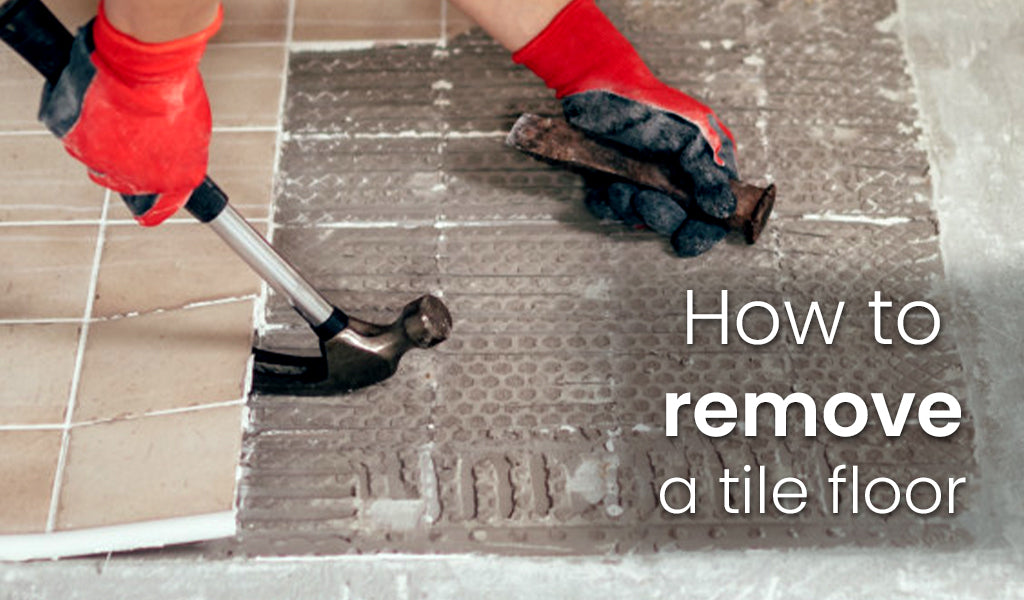
Credit: apollotile.com
What To Do After Removal
Once all the leveler is gone and the subfloor is repaired, you’re ready to move to the next step. Make sure the subfloor is:
- Clean and dry
- Level and solid
- Free from dust and debris
You can now install new flooring—tile, wood, carpet, or another type—on a strong and clean base.
If you plan to apply a new leveler, double-check that the surface is free from oil, paint, or old adhesive. Any residue can stop the new compound from bonding. For wood subfloors, screw down any squeaky boards before covering them up.
If you’re not installing new flooring right away, avoid heavy foot traffic on the bare subfloor. Dust and dirt can collect quickly and may need to be cleaned again.
Frequently Asked Questions
How Can I Tell What Kind Of Floor Leveler I Have?
Scrape a small area and look at the color and texture. Cement-based levelers are usually gray and very hard. Gypsum-based are lighter in color and softer. If you’re unsure, check old product packaging or consult a professional.
Some levelers have a chalky, powdery look (gypsum), while others feel gritty or sandy (cement-based). If your home is older, you may find more than one type in different rooms.
Is It Possible To Remove Floor Leveler From Wood Subfloors?
Yes, but be careful not to gouge the wood. Use a floor scraper or oscillating tool and avoid using too much water. If the leveler is thick, take your time and check for damage as you go.
If you see splinters or chunks of wood lifting, switch to a gentler tool and work in smaller sections. If the wood is damaged, patch it before new flooring goes down.
Can I Install New Leveler Over The Old One Instead Of Removing It?
Sometimes, if the old layer is solid and undamaged, you can add new self-leveling compound on top. However, cracks, loose sections, or moisture problems mean you must remove the old material first.
Always check the manufacturer’s instructions for the new compound—some require a primer coat, while others may not bond well to old material. If you’re unsure, removing the old leveler is the safest option.
What If I Find Mold Or Water Damage Under The Leveler?
Stop working and address the moisture source first. Remove all damaged material, clean and dry the area, and repair the subfloor before installing anything new.
If the mold is widespread, consider calling a professional. Mold can be dangerous to your health and may require special cleaning or sealing products.
Where Can I Find More Information About Safe Removal And Disposal?
The Occupational Safety and Health Administration (OSHA) offers guidelines on silica dust and safe work practices. See their advice at OSHA Construction Silica Standard.
Getting rid of floor leveler is a tough but doable task if you’re prepared and use the right tools. Take your time, follow safety steps, and your new floor will have a solid start. With the knowledge from this guide, you can approach the job confidently and avoid common problems.