
Many people enjoy the charm of older homes, but these houses sometimes hide risks that are not easy to see. One example is the popcorn ceiling, a textured ceiling popular in homes built between the 1950s and 1980s. For years, this ceiling style was loved for covering imperfections and reducing noise. However, many popcorn ceilings from that era contain asbestos, a mineral fiber once used for its strength and fire resistance. Today, we know that breathing asbestos fibers can seriously harm your health, leading to diseases like lung cancer and mesothelioma.
If you live in or are buying a home built before the 1990s, you may wonder if your popcorn ceiling is dangerous. Learning how to tell if your popcorn ceiling has asbestos is not just about curiosity—it’s about protecting your family’s health.
This guide will walk you through everything you need to know, from identifying possible asbestos to testing, safety steps, and what to do next. You’ll discover practical tips, expert advice, and facts that most homeowners miss. Let’s explore how to find out if your popcorn ceiling contains asbestos, what risks exist, and how to handle this situation safely.
What Is A Popcorn Ceiling?
Popcorn ceilings, also called stucco ceilings or cottage cheese ceilings, are a type of ceiling finish with a bumpy, textured look. Builders sprayed or painted this texture to hide flaws and absorb sound. These ceilings became popular in the United States from the 1950s through the 1980s, especially in bedrooms and hallways.
The main reason popcorn ceilings are risky is that asbestos fibers were often mixed into the ceiling material. Asbestos made the ceilings fireproof and strong, but it’s now known to be very dangerous if disturbed. If the ceiling stays in good shape, asbestos fibers are usually trapped. But if the ceiling is damaged, fibers can become airborne and easy to breathe in.
Why Was Asbestos Used?
Back then, asbestos was thought to be a miracle material. It was cheap, fire-resistant, and strong. Builders used it in many things—insulation, floor tiles, and, of course, popcorn ceilings. The health risks were not well known until the 1970s, when studies linked asbestos to deadly lung diseases.
After that, its use was banned or restricted in many countries, including the U. S.
Where Are Popcorn Ceilings Found?
You’ll most often see popcorn ceilings in:
- Homes built between 1950 and 1985
- Older apartments and condos
- Ceilings in bedrooms, hallways, and basements
If your home was built after the 1990s, it’s less likely to have asbestos, but it’s not impossible. Some builders still used older materials in new homes even after bans were in place.
Health Risks Of Asbestos In Popcorn Ceilings
Understanding the dangers of asbestos is crucial. Asbestos fibers are tiny and can float in the air. When you breathe them in, they can get stuck in your lungs. Over time, this can cause serious health problems. The risks come from disturbing the ceiling—by scraping, drilling, repairing, or even cleaning.
Main Health Problems
- Mesothelioma: A rare, aggressive cancer in the lining of the lungs or abdomen. Almost always caused by asbestos exposure.
- Lung Cancer: Asbestos increases your risk, especially if you smoke.
- Asbestosis: Scarring of the lungs that causes shortness of breath and coughing.
- Pleural Effusion: Fluid buildup around the lungs.
These diseases don’t show up right away. It can take 10 to 40 years after exposure to get sick. That’s why early detection and careful handling are so important.
Who Is Most At Risk?
- People living in homes with old popcorn ceilings
- Workers removing or repairing ceilings
- DIYers who disturb the ceiling without protection
- Children and pets, since their airways are smaller
Non-obvious Risk: Air Movement
Many people think only direct damage releases asbestos. In reality, even things like a ceiling fan, air conditioner, or closing a door can send fibers into the air if the ceiling is old and brittle. High-traffic areas below the ceiling are especially risky.
How To Visually Identify A Popcorn Ceiling With Asbestos
No one can confirm asbestos just by looking, but some visual clues can help you guess if your ceiling is likely to contain it.
Signs Your Ceiling May Contain Asbestos
- Installation date: If the ceiling was installed between 1950 and 1985, there’s a higher chance.
- Chunky texture: Asbestos popcorn ceilings often have a rough, chunky look compared to modern, finer textures.
- White or off-white color: While not a guarantee, most asbestos ceilings were white, gray, or cream.
- Original, unpainted texture: If your ceiling has never been painted, it’s more likely to release fibers if damaged.
What Does Asbestos Popcorn Ceiling Look Like?
It usually has:
- Uneven, bumpy texture
- Small, irregular “popcorn” or “cottage cheese” shapes
- Sometimes yellowed or stained with age
However, many non-asbestos ceilings look similar. Visual clues alone are not enough.
What Is Not A Sign?
- Paint color: Painting over a ceiling does not remove asbestos risk; it may only seal fibers in place.
- Location: Not all ceilings in old homes have asbestos, and some newer ceilings do.
- Ceiling height or size: These do not affect asbestos risk.
When Was Asbestos Used In Popcorn Ceilings?
Knowing the dates can help you judge your risk. The use of asbestos in building materials was common in the United States until the late 1970s.
| Year Range | Asbestos Likelihood | Notes |
|---|---|---|
| 1950-1977 | High | Asbestos widely used in popcorn ceilings |
| 1978-1985 | Medium | Asbestos use declined but still present in some products |
| 1986-1990 | Low | Most ceilings are asbestos-free, but some stockpiles remained |
| After 1990 | Very Low | Asbestos rarely used, but possible in rare cases |
If your home was built or renovated during the high or medium likelihood periods, be extra careful.
Why You Can’t Tell By Appearance Alone
Many homeowners think they can guess by looking, but this is a mistake. The only way to know for sure is through lab testing. Here’s why:
- Asbestos fibers are microscopic. They can’t be seen without a microscope.
- Many manufacturers used similar textures with and without asbestos.
- Some newer ceilings were made to look like older ones.
Don’t trust advice that says, “If it looks like this, it’s safe. ” Always confirm with a test.
How To Test For Asbestos In Popcorn Ceilings
Testing is the only reliable way to know if your popcorn ceiling has asbestos. You have two main options: professional testing or DIY sample kits.
Professional Asbestos Testing
Hiring a certified asbestos inspector is the safest choice. They have the right gear and know how to avoid spreading fibers.
Steps:
- The inspector wears protective clothing and a respirator.
- They carefully wet the area to prevent dust.
- A small sample is scraped and sealed in a special bag.
- The sample is sent to a certified laboratory.
- Results are provided, usually in 1-2 weeks.
Pros:
- Safest for you and your family
- Accurate and legally recognized
- Good if you plan to sell or remodel
Cons:
- More expensive (usually $250-$500 for one test)
Diy Asbestos Test Kits
DIY kits are sold online or at hardware stores. They cost less ($30-$60), but you must collect the sample yourself. This can be risky if not done carefully.
Steps:
- Turn off fans and air systems.
- Wear gloves, goggles, and an N95 mask.
- Wet the area with water and a little dish soap.
- Gently scrape a small sample into a bag (most kits include tools).
- Seal the bag and send to the lab (lab fee often extra).
- Wait for lab results (usually 1-2 weeks).
Pros:
- Cheaper than hiring a pro
- Fast if you need a quick answer
Cons:
- Risk of spreading fibers if not careful
- Not recommended if ceiling is cracking or flaking
What Do Lab Results Look Like?
You’ll receive a report showing the percentage of asbestos in your sample. If the result is more than 1% asbestos, the ceiling is considered hazardous. Some ceilings may contain up to 10% asbestos.
Common Mistake: Incomplete Sampling
Many people test just one spot, but asbestos content can vary. For best results, test samples from different areas—corners, center, and near vents.
What To Do If Your Popcorn Ceiling Contains Asbestos
If you find out your ceiling has asbestos, don’t panic. The biggest danger comes from disturbing the ceiling. If the texture is in good condition and undamaged, the safest option may be to leave it alone.
Options For Managing Asbestos Ceilings
- Encapsulation: Seal the ceiling with a special paint or coating that traps fibers. This is often cheaper and safer than removal.
- Enclosure: Cover the popcorn ceiling with drywall or another material. The asbestos stays in place but is sealed off.
- Removal: Hire certified asbestos removal experts. This is expensive but necessary if you plan to remodel, sell, or if the ceiling is damaged.
Cost Comparison
Here’s a general idea of costs for each option:
| Method | Estimated Cost (per sq. ft.) | Safety |
|---|---|---|
| Encapsulation | $2 – $6 | Low disturbance |
| Enclosure | $5 – $10 | Moderate disturbance |
| Professional Removal | $15 – $30 | High risk, best for professionals |
Tip: Never try to remove an asbestos ceiling yourself. It’s illegal in many places and extremely dangerous without the right equipment.
If You Must Disturb The Ceiling
- Seal off the room with plastic sheeting and tape
- Turn off HVAC systems
- Use a high-efficiency (HEPA) vacuum afterward
- Always wear proper protection
But remember: DIY removal is not recommended.
Notify Future Buyers
If you plan to sell, you must tell buyers about the presence of asbestos. Laws require this in most states. Not doing so can lead to legal problems.
Professional Asbestos Removal Process
If you choose to remove the ceiling, only hire licensed asbestos abatement professionals. Here’s what you can expect:
- The team seals off the work area with heavy plastic and negative air pressure machines.
- Workers wear full protective suits and respirators.
- They wet the ceiling to keep dust down.
- All debris is double-bagged and labeled as hazardous waste.
- The area is cleaned with HEPA vacuums.
- Air tests confirm no fibers are left.
Non-obvious insight: Some removal companies offer post-removal air testing. This is important to ensure your home is safe before you move back in.
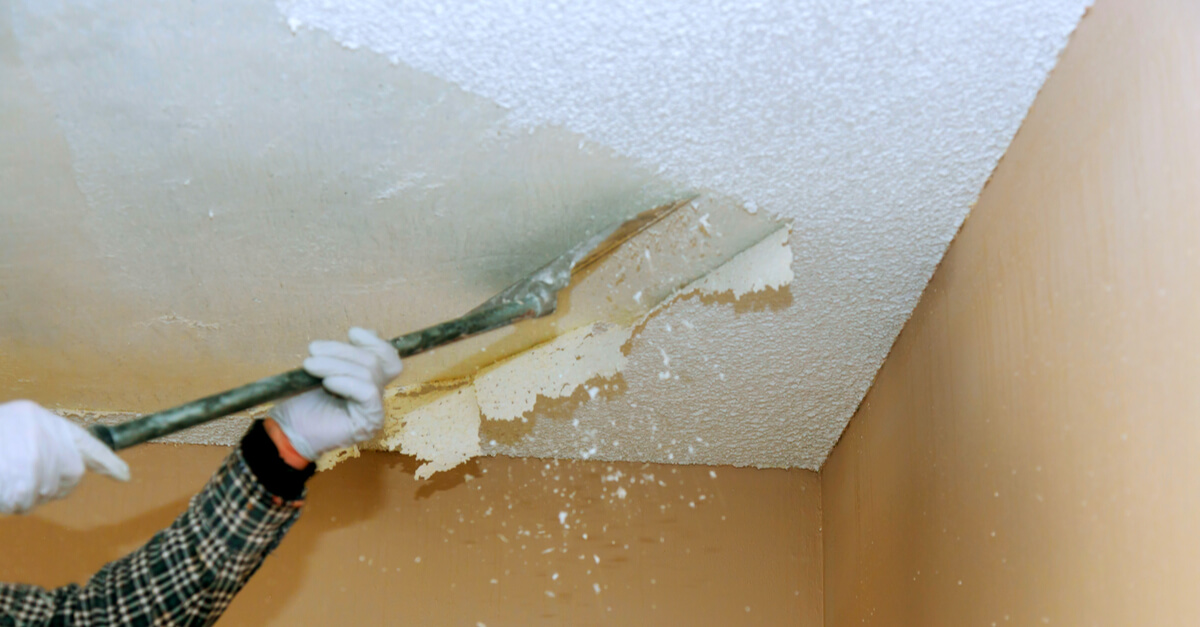
Credit: www.mesotheliomahope.com
How To Stay Safe While Waiting
If you’ve found asbestos but can’t remove it right away, take these steps:
- Don’t touch, drill, or scrape the ceiling.
- Keep children and pets away from the area.
- Avoid hanging things from the ceiling.
- Don’t use bunk beds or tall furniture under the ceiling.
- Use a HEPA air purifier in rooms with popcorn ceilings.
These small actions can make a real difference in reducing your risk.
What If The Ceiling Is Damaged?
Damaged ceilings—cracking, flaking, or water stains—are more dangerous. Asbestos fibers may already be in the air. In this case:
- Seal off the room and avoid entry.
- Call a professional for emergency advice.
- Don’t try to vacuum or sweep; this spreads fibers.
If you have young children, elderly family members, or people with breathing problems in the home, act quickly.
Laws And Regulations About Asbestos
Asbestos is strictly regulated in the United States. Here’s what you need to know:
- The Environmental Protection Agency (EPA) banned most uses of asbestos in 1989.
- Many states and cities have extra rules for testing, removal, and disposal.
- Only licensed professionals can remove and dispose of asbestos legally.
For more information, visit the EPA’s official asbestos page.
Common Myths About Popcorn Ceilings And Asbestos
Many homeowners believe things that are simply not true. Here are a few myths to watch out for:
- Myth: If my ceiling is painted, it’s safe.
Fact: Paint can seal fibers, but damage or cracks still release asbestos.
- Myth: Only homes built before 1978 have asbestos.
Fact: Some ceilings installed in the 1980s and even early 1990s contain asbestos.
- Myth: I can remove asbestos safely with a mask and gloves.
Fact: Standard masks do not protect against fine asbestos fibers.
- Myth: Asbestos is only dangerous if you can see dust.
Fact: The most dangerous fibers are invisible to the naked eye.
- Myth: Vacuuming the ceiling will remove asbestos.
Fact: Regular vacuums can spread fibers into the air.
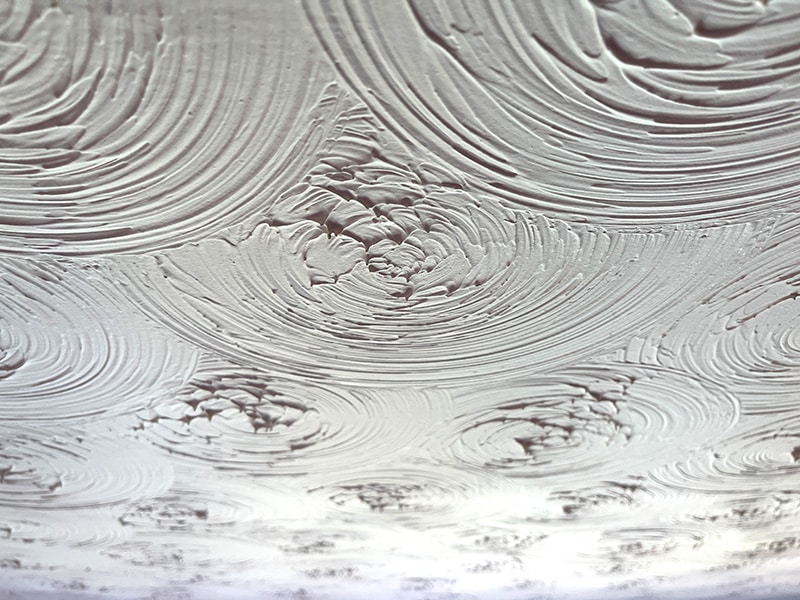
Credit: www.oracleasbestos.com
How To Find A Qualified Asbestos Professional
If you need testing or removal, choose a professional with:
- State or federal certification
- Good references and reviews
- Clear explanation of their process
- Insurance for asbestos work
Ask for a written contract and never work with someone who can’t show proof of training.
Insurance And Legal Issues
Some home insurance policies cover asbestos abatement, especially if damage was caused by a covered event (like a burst pipe). Check your policy or ask your agent. If you’re buying or selling a home, always disclose known asbestos—hiding it can lead to fines and lawsuits.
Renovation And Remodeling Tips
If you plan to remodel your home:
- Test for asbestos before any demolition or ceiling work.
- Share lab results with your contractor.
- Only work with remodelers who follow safety laws.
Never assume that a contractor will test for asbestos unless you request it.
Environmental Impact Of Asbestos Removal
Asbestos waste must go to special landfills. Never throw asbestos debris in regular trash. Illegal dumping can lead to big fines and environmental harm.
Comparison: Asbestos Vs. Non-asbestos Popcorn Ceilings
Here’s a quick look at the main differences:
| Feature | Asbestos Popcorn Ceiling | Non-Asbestos Popcorn Ceiling |
|---|---|---|
| Year Installed | Before 1986 (mostly) | After 1986 |
| Texture | Rough, chunky | Smoother, finer |
| Health Risk | High if disturbed | Low |
| Testing Needed? | Yes | Sometimes (to confirm) |
| Removal Cost | High (special handling) | Standard |
Practical tip: Even newer ceilings may contain asbestos if old stock was used, so always test if you’re not sure.
How To Talk To Children And Family About Asbestos
Kids may be scared if you mention asbestos in your home. Explain that:
- It’s only dangerous if disturbed.
- You’re taking steps to keep everyone safe.
- No one should touch the ceiling or throw things at it.
Being calm and clear helps avoid panic.

Credit: jselabs.com
Why Some People Miss The Danger
Many people ignore popcorn ceilings because they “look fine.” But asbestos risk doesn’t depend on how the ceiling looks today. Over time, even small cracks or leaks can turn a safe ceiling into a hazard.
Non-obvious insight: Homeowners often forget about closets, attics, or basements with popcorn ceilings. Always check every room, not just the main living areas.
Frequently Asked Questions
Can I Remove Popcorn Ceiling Myself If I Wear A Mask?
No. Regular masks do not filter out tiny asbestos fibers. Only certified respirators and professional equipment can protect you. DIY removal is dangerous and usually illegal.
How Long Does Asbestos Testing Take?
If you use a professional service, results usually arrive in 1-2 weeks. Some labs offer rush service for an extra fee.
Is It Safe To Live Under A Popcorn Ceiling With Asbestos?
If the ceiling is in good shape and not disturbed, the risk is low. However, if the ceiling is damaged or you plan to remodel, take action right away.
How Much Does Asbestos Testing Cost?
Professional testing usually costs $250-$500 per sample. DIY kits are cheaper, but you still pay a lab fee, usually $30-$60.
What Should I Do If My Landlord Refuses To Test For Asbestos?
Contact your local health department or housing authority. In many states, landlords are required to provide a safe living environment and may be required by law to test for asbestos if there is a risk.
Popcorn ceilings can add character to a home, but hidden dangers like asbestos require knowledge and care. By understanding how to tell if your popcorn ceiling has asbestos, you can make smart, safe decisions for your home and family. Always test when in doubt, work with certified experts, and never ignore the risks. Your safety is worth the effort.