
Upholstery gives furniture both character and comfort. But the fabric you choose isn’t just about style—it’s about strength. If you want your chairs, sofas, or benches to last for years, reinforcing fabric for upholstery is essential. Weak or poorly supported fabric will tear, sag, or pill quickly, even with light use. Many people choose a beautiful textile but later regret not preparing it properly. Reinforcement is the secret ingredient for making furniture stand up to daily life.
This article dives deep into how to reinforce fabric for upholstery, whether you’re a hobbyist, a DIY renovator, or a professional looking to improve results. You’ll discover methods, materials, tips, and even common mistakes to avoid. By the end, you’ll feel confident choosing and preparing upholstery fabric that can handle anything.
Why Reinforce Upholstery Fabric?
Upholstery fabric faces more stress than almost any other textile in your home. Every time someone sits, shifts, or even pets a chair, the fabric is pulled and stretched. Over time, even tough material can weaken. Reinforcing your upholstery fabric means:
- Longer lifespan: Reinforced fabric resists wear and tear, so your furniture looks good for years.
- Stronger seams: Proper reinforcement keeps seams from splitting under pressure.
- Better appearance: Fabric keeps its shape and stays tight, avoiding wrinkles or sagging.
- Easier maintenance: Reinforced fabric is less likely to fray or pill, so cleaning is simpler.
Understanding Upholstery Fabric Types
Not all upholstery fabrics are the same. Some are strong by nature, while others need more help. Knowing what you’re working with helps you choose the right reinforcement method.
| Fabric Type | Strength | Common Uses | Reinforcement Needed? |
|---|---|---|---|
| Cotton | Medium | Slipcovers, casual chairs | Usually |
| Linen | Low-Medium | Accent chairs, light-use sofas | Often |
| Velvet | Medium-High | Luxury sofas, headboards | Sometimes |
| Leather | High | High-use furniture | Rarely |
| Microfiber | High | Modern sofas, family rooms | Rarely |
| Chenille | Medium | Couches, armchairs | Often |
| Silk | Low | Decorative pieces | Always |
Non-obvious insight: Even “heavy-duty” fabrics like velvet can benefit from reinforcement if the furniture sees a lot of use or if the weave is loose.
Choosing The Right Reinforcement Method
There are several ways to reinforce fabric for upholstery. The best method depends on the fabric, the furniture, and the level of use. Let’s break down the most effective options:
1. Using Fusible Interfacing
Fusible interfacing is a thin layer with adhesive on one side. You iron it onto the back of your fabric. It adds body, reduces stretching, and strengthens seams. It’s ideal for thin or loosely woven fabrics like linen, silk, or lightweight cotton.
Steps:
- Cut interfacing to match your fabric shape.
- Place the rough (adhesive) side onto the fabric’s back.
- Use a steam iron (medium heat) and press for 10–15 seconds per section.
- Allow to cool before handling.
Tip: Always test a small piece first. Some fabrics, like velvet, can be damaged by heat.
2. Adding Sew-in Interlining
Interlining is a separate fabric layer sewn between the upholstery fabric and the padding or foam. It can be cotton flannel, muslin, or special upholstery interlining. Sew-in interlining doesn’t use glue or heat, so it’s perfect for delicate or heat-sensitive fabrics.
Steps:
- Cut interlining slightly smaller than your main fabric.
- Lay it flat behind the upholstery fabric.
- Baste (temporarily sew) the layers together around the edge.
- Upholster as normal.
Non-obvious insight: Interlining not only strengthens fabric, it also adds a soft, luxurious feel and can improve sound insulation for furniture.
3. Backing Fabric With Muslin Or Canvas
A sturdy muslin or canvas backing gives extra weight to light fabrics. This is common in traditional upholstery, especially for silk, velvet, or vintage textiles.
How it works:
- Choose a tight-weave, pre-washed muslin or cotton canvas.
- Lay your upholstery fabric face-down, place the backing on top, and baste together.
- Treat the two layers as one when upholstering.
Example: If you love a beautiful but delicate silk for a dining chair, backing it with canvas can double its life.
4. Laminating With Spray Adhesive
For large, flat surfaces, spray adhesive can bond fabric to a backing (such as foam or felt). This method is quick and avoids sewing.
Steps:
- Spray adhesive evenly on the backing material.
- Carefully lay the fabric on top, smoothing out bubbles.
- Let it dry completely before upholstering.
Caution: Choose a high-quality, fabric-safe spray. Cheaper sprays can cause yellowing or stiff spots.
5. Using Double-faced Tape For Edges
For small projects or tricky seams, double-faced tape helps hold fabric layers together while you staple or sew. It’s not a substitute for other methods, but it’s useful for reinforcing corners, curves, or delicate edges.
Tip: Remove the tape before final stitching if possible, as adhesive can gum up needles.
6. Applying Liquid Fabric Stabilizers
Liquid stabilizers are brushed or sprayed onto the fabric’s back. Once dry, they stiffen the fibers and help prevent fraying. These are best for lightweight fabrics, open weaves, or when you want to keep the fabric’s original look.
Steps:
- Apply evenly with a brush or spray bottle.
- Let dry completely.
- Test flexibility—some stabilizers can make fabric too stiff for comfort.
Non-obvious insight: Stabilizers can be washed out if you want to remove them in the future, making them great for temporary projects.
7. Reinforcing Seams With Stay Tape
Stay tape is a narrow strip of strong fabric (often twill or bias tape) sewn along seams to keep them from stretching. It’s ideal for places where fabric will be pulled a lot, like cushion edges or corners.
How to use:
- Place stay tape along the seam line on the wrong side of the fabric.
- Sew the seam as usual, catching the tape in the stitches.
8. Binding Raw Edges
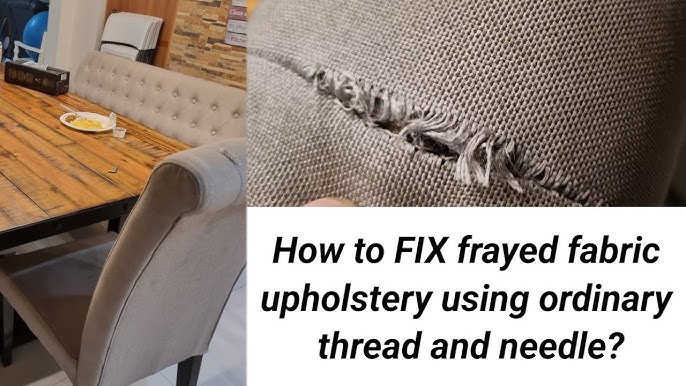
Fraying is a common cause of upholstery failure. Binding raw edges with overlock stitching (serging), bias tape, or zigzag stitches keeps the fabric intact even under stress.
Tip: For hand-sewn projects, a simple whipstitch around the edge can also prevent fraying.
9. Choosing Heavier-weight Thread
Many people use regular sewing thread for upholstery, but this can snap under stress. Use polyester upholstery thread or bonded nylon for stronger seams.
Example: For a sofa that gets daily use, a heavier thread can mean the difference between tight seams and embarrassing splits.
10. Reinforcing With Webbing
Webbing is a tough tape (often jute, synthetic, or cotton) stretched across the furniture frame before fabric is added. It supports both the cushion and the upholstery fabric, reducing sagging and wear.
How it works:
- Staple webbing across the seat or back in a crisscross pattern.
- Apply padding and fabric on top.
- The result: Firmer, longer-lasting support.
11. Using Lining For Extra Support
Lining is a thin fabric layer added behind the upholstery fabric. Unlike interlining, lining is usually lighter (like lightweight cotton or polyester) and used mostly for decorative or lightly-used furniture.
Benefit: Lining hides the inside of the fabric, strengthens it slightly, and adds a finished look.
12. Quilting For Strength
Quilting involves stitching the upholstery fabric to a layer of batting or foam in a pattern (like diamonds or squares). This not only adds style but also holds the layers together, reducing movement and wear.
Where it’s used: Quilted panels are popular for headboards, footstools, or high-end armchairs.
13. Reinforcing With Backing Paper
Some fabrics, especially vinyl and faux leather, come with a backing paper layer added at the factory. If you’re working with these, check that the backing is intact before using. If not, you can add a similar paper or light canvas layer with adhesive.
14. Double Layering Fabric
For maximum strength, use two layers of upholstery fabric. This is common for commercial furniture or in homes with pets and kids. The second layer can be the same fabric or a cheaper, tough material underneath.
Tip: If you double-layer, make sure both fabrics are pre-washed and compatible to avoid shrinking or color bleeding.
15. Foam Lamination
Foam lamination is when you glue or bond fabric directly to foam padding with a special adhesive. This method is often used for car interiors and modern furniture.
Benefits: Prevents fabric shifting, adds comfort, and strengthens the surface.
Preparing Your Fabric For Reinforcement
Preparation is critical for a strong, professional finish. Cutting corners here can ruin your project, even if you use the best materials.
Pre-washing
Most natural fabrics will shrink the first time you wash them. Always pre-wash and dry your fabric before reinforcing, especially for cotton, linen, or blends. Synthetic fabrics (like polyester) may not need this step.
Checking For Flaws
Before reinforcing, inspect the fabric for weak spots, holes, or flaws. These can get worse during use. Cut around damaged sections or reinforce them with a patch.
Ironing
Smooth, wrinkle-free fabric is easier to reinforce and upholster. Iron on the appropriate heat setting before applying any backing or adhesive.
Marking Grain Lines
Fabric stretches more in one direction (the weft) than the other (the warp). Mark the grain line on your fabric, and always reinforce in the same direction. This keeps the fabric from warping after it’s attached.
Step-by-step Guide: Reinforcing Fabric For Upholstery
Let’s walk through a complete process using fusible interfacing and backing fabric as an example. Adjust these steps for your chosen method.
- Pre-wash and dry both your upholstery fabric and the backing (canvas or muslin).
- Iron both layers flat.
- Cut the backing fabric to match the size and shape of your upholstery pieces.
- Lay out the upholstery fabric, wrong side up.
- Place fusible interfacing (if using) adhesive side down on the fabric. Apply heat with an iron as directed.
- Position the backing fabric on top of the interfacing.
- Baste (temporarily sew) around the edges to hold all layers in place.
- Finish raw edges with overlock stitching or bias tape.
- Mark seam lines and grain direction on the reinforced fabric.
- Upholster as usual, treating the reinforced fabric as one layer.
Example: For a silk-covered dining chair, you might use both fusible interfacing and a canvas backing. This combination gives silk the strength to handle regular use.
Comparing Reinforcement Methods
Choosing the right method can be confusing. Here’s a quick comparison to help you decide:
| Method | Best For | Pros | Cons |
|---|---|---|---|
| Fusible Interfacing | Thin or delicate fabrics | Quick, easy, adds body | Heat can damage some fabrics |
| Sew-in Interlining | Heat-sensitive, vintage, or expensive fabrics | No heat needed, adds luxury | Takes more time to sew |
| Muslin/Canvas Backing | Lightweight or loose-weave fabrics | Strong, traditional method | Adds bulk, more sewing |
| Spray Adhesive | Large, flat pieces | Fast, smooth results | Potential for mess, fumes |
| Stay Tape | Seams, corners | Prevents stretching | Extra sewing needed |
| Liquid Stabilizer | Open weaves, temporary projects | Easy to use, removable | Can stiffen fabric too much |

Credit: www.reddit.com
Common Mistakes To Avoid
Reinforcing fabric isn’t hard, but there are pitfalls. Watch out for these:
- Skipping pre-washing: If fabric shrinks after reinforcement, you’ll get wrinkles or loose spots.
- Using the wrong adhesive: Some glues damage fabric, cause yellowing, or stiffen the surface.
- Ignoring grain lines: Reinforcing against the grain can lead to sagging or warping.
- Reinforcing only the seat: Arms, backs, and cushions get lots of stress too. Reinforce all high-use areas.
- Over-reinforcing: Too many layers can make fabric stiff and hard to work with.
- Forgetting to test: Always test your method on a fabric scrap before starting the main project.
- Using weak thread: Even reinforced fabric will fail if seams are weak.
Non-obvious insight: If you’re upholstering a curved surface, use bias-cut backing (cut on the diagonal) to allow the fabric to stretch smoothly around curves.
Special Considerations For Vintage Or Delicate Fabrics
Old or fragile textiles need extra care. Sometimes, the reinforcement is more about preservation than strength.
- Use only sew-in interlining (never adhesives) for antiques.
- Avoid heat: Vintage fabrics can scorch or discolor easily.
- Consider conservation backing: Museums use fine silk or cotton lawn as a backing, attached with hand stitching.
If you’re unsure, consult a textile conservator or specialist before working on valuable pieces.
Tools And Materials Checklist
To reinforce upholstery fabric successfully, gather these supplies:
- Upholstery fabric
- Backing fabric (muslin, canvas, or interlining)
- Fusible interfacing or liquid stabilizer
- Spray adhesive (fabric-safe)
- Stay tape or bias tape
- Heavy-duty thread
- Iron and ironing board
- Sharp scissors or rotary cutter
- Sewing machine (or hand sewing needles)
- Measuring tape and ruler
- Pins and basting thread
- Seam ripper (for fixing mistakes)
- Protective mask (when using spray adhesive)
Pro tip: Invest in high-quality tools. Cheap scissors or a dull rotary cutter can snag or tear fabric, making reinforcement harder.
Caring For Reinforced Upholstery
Once your furniture is done, a little care goes a long way.
- Vacuum regularly to remove dirt and dust.
- Spot-clean spills quickly with a mild cleaner.
- Avoid harsh chemicals that can break down adhesives or stabilizers.
- Protect from direct sunlight to prevent fading and weakening.
- Check seams every few months, and repair any loose stitches right away.
Non-obvious insight: Reinforced upholstery is often more water-resistant, but aggressive scrubbing can still separate layers. Always blot stains, don’t rub.
Credit: www.youtube.com
When To Call A Professional
DIY reinforcement is possible for most projects, but some situations call for expert help:
- Expensive or antique furniture
- High-traffic commercial pieces
- Difficult shapes or curves
- Unusual fabrics like tapestries, brocades, or hand-woven textiles
A professional upholsterer can recommend the best reinforcement and ensure a flawless result.
Where To Learn More
Upholstery is both craft and art. If you want to go deeper, consider taking a class at a local craft or design school. Many upholstery supply stores also offer workshops and expert advice. Online resources, like the Wikipedia Upholstery page, provide valuable background and advanced tips.

Credit: www.dimplesandtangles.com
Frequently Asked Questions
How Do I Know If My Fabric Needs Reinforcement?
If your fabric is thin, loosely woven, or made for light use (like silk, linen, or lightweight cotton), it should always be reinforced for upholstery. Also, if you’re covering high-use furniture (sofas, dining chairs), reinforcement is recommended, even for medium-weight fabrics.
Can I Use Spray Adhesive And Sew-in Interlining Together?
Yes, you can combine both methods for extra strength. Apply spray adhesive to hold the backing in place, then sew around the edges. This is useful for large pieces or difficult fabrics, but be careful not to add too much thickness.
Is Reinforcing Fabric Expensive?
Most reinforcement materials are affordable. Fusible interfacing and muslin backing cost much less than replacing a chair or sofa. The real investment is your time and care in preparation.
What Is The Best Reinforcement Method For Curved Surfaces?
For curves, use a bias-cut backing (cut at a 45-degree angle to the grain). This allows the fabric to stretch and conform smoothly without wrinkling. Sew-in interlining or flexible canvas works well.
Will Reinforced Upholstery Feel Stiff Or Uncomfortable?
Properly reinforced upholstery should feel sturdy but not stiff. If it feels hard or rigid, you may have used too many layers or a heavy adhesive. Always test a sample before finishing your project.
Upholstery is about blending beauty with strength. Reinforcing your fabric is the key to furniture that not only looks great but stands up to the test of time. With these techniques, your next project will be as durable as it is stylish.