
Refreshing a mattress can transform your sleep quality, reduce allergies, and even extend the life of your bed. Many people think buying a new mattress is the only way to get better rest, but that’s not true. Most mattresses just need a good refresh to feel clean, comfortable, and supportive again.
If you wake up with aches, notice odors, or see stains, your mattress is asking for attention. Learning how to refresh a mattress is simple, but doing it well requires a little know-how.
In this guide, you’ll find everything you need for a full mattress refresh. From deep cleaning and odor removal to protecting your bed from future damage, every step is covered in detail. You’ll get practical tips, expert recommendations, and solutions for common issues—plus some insights that even experienced homeowners often miss.
Whether you have a memory foam, innerspring, or hybrid mattress, you’ll soon enjoy a fresher, healthier sleep.
Why Mattress Refreshing Matters
A clean mattress is about more than just comfort. Over time, mattresses collect dust mites, sweat, dead skin, and even bacteria. According to the National Sleep Foundation, most mattresses double their weight over 10 years due to the buildup of debris and moisture. This sounds unpleasant, but the good news is regular cleaning can prevent these problems.
Refreshing your mattress:
- Reduces allergens that trigger sneezing or asthma
- Helps control odors from sweat and spills
- Improves support by keeping materials in good shape
- Extends the mattress’s usable life
- Makes your bed feel more inviting
Many people skip this task, thinking changing sheets is enough. In reality, deep cleaning your mattress once or twice a year is essential for health and comfort.
Before You Start: What You’ll Need
Gathering the right tools before you begin will make the process smoother. Here’s what you should have:
- Vacuum cleaner with an upholstery or brush attachment
- Baking soda
- Mild liquid detergent (no bleach)
- White vinegar
- Spray bottle
- Clean towels or microfiber cloths
- Enzyme cleaner (for tough stains)
- Essential oil (optional, for fresh scent)
- Mattress protector (for after cleaning)
- Fan or access to open windows (for drying)
You don’t need expensive cleaners—just basic household supplies and a little time.
Step 1: Strip The Bed Completely
Remove all bedding—sheets, blankets, comforters, mattress pads, and pillowcases. Wash them in hot water (if safe for the fabric) to kill dust mites and remove oils. Starting with a bare mattress allows you to clean every surface and corner, not just the top.
A common mistake is to clean the mattress with sheets still on. This traps moisture and bacteria, so always start with a completely bare bed.
Step 2: Vacuum The Mattress Thoroughly
Vacuuming removes dust, crumbs, pet hair, and other debris that collect on your mattress. Use the upholstery or brush attachment to gently cover the entire surface, including the sides and seams.
Pay extra attention to:
- Seams and crevices where dust mites and debris collect
- The head and foot of the bed, which often get ignored
- Areas under where you sleep, as sweat and skin cells gather here
If you haven’t vacuumed your mattress before, you might be surprised by how much dust comes out. Repeat this step several times if it’s been a while since your last clean.
Step 3: Remove Stains The Right Way
Stains on a mattress are common—sweat, spills, and accidents happen. The key is using the right cleaner for the type of stain. Here’s a quick guide:
| Stain Type | Best Cleaner | Cleaning Method |
|---|---|---|
| Sweat/Body Oil | Mild detergent + water | Blot with damp cloth, rinse, air dry |
| Urine | Enzyme cleaner or vinegar + water | Spray, blot, repeat as needed |
| Blood | Hydrogen peroxide (small amount) | Apply, blot gently, rinse area |
| Wine/Coffee | Baking soda + vinegar | Sprinkle, spray, blot, vacuum after dry |
Tips for stain removal:
- Don’t soak the mattress; too much water can cause mold.
- Always blot, never rub, to avoid spreading stains.
- Test cleaners on a small area first if you’re unsure.
For tough odors or stains, an enzyme-based cleaner is your best friend. These break down organic material (like urine or sweat) and remove the smell at its source.
Step 4: Deodorize With Baking Soda
Once stains are gone, sprinkle a generous layer of baking soda over the entire mattress surface. Baking soda is excellent at absorbing odors and moisture. If you want a fresh scent, mix a few drops of lavender or eucalyptus essential oil into the baking soda before spreading.
Let the baking soda sit for at least 2-8 hours. The longer it sits, the more odor and moisture it absorbs. Open windows or use a fan to help with airflow.
Afterward, vacuum the entire surface again to remove all the baking soda. This simple step makes a big difference in mattress freshness.
Step 5: Air Out The Mattress
Sunlight is a natural disinfectant. If possible, move your mattress near a window or outside for a few hours. Fresh air helps remove lingering odors and moisture. Even if you can’t take the whole mattress outside, opening windows and using a fan will speed up drying and freshening.
Important: Never put a wet mattress back on the bed. Make sure it’s fully dry to prevent mold and mildew.
Step 6: Flip Or Rotate The Mattress
Mattresses wear unevenly. Flipping or rotating your mattress helps it last longer and stay comfortable.
- Innerspring and double-sided mattresses can be flipped and rotated 180 degrees.
- Memory foam, hybrid, or pillow-top mattresses should be rotated head-to-foot but not flipped (unless the manufacturer says it’s two-sided).
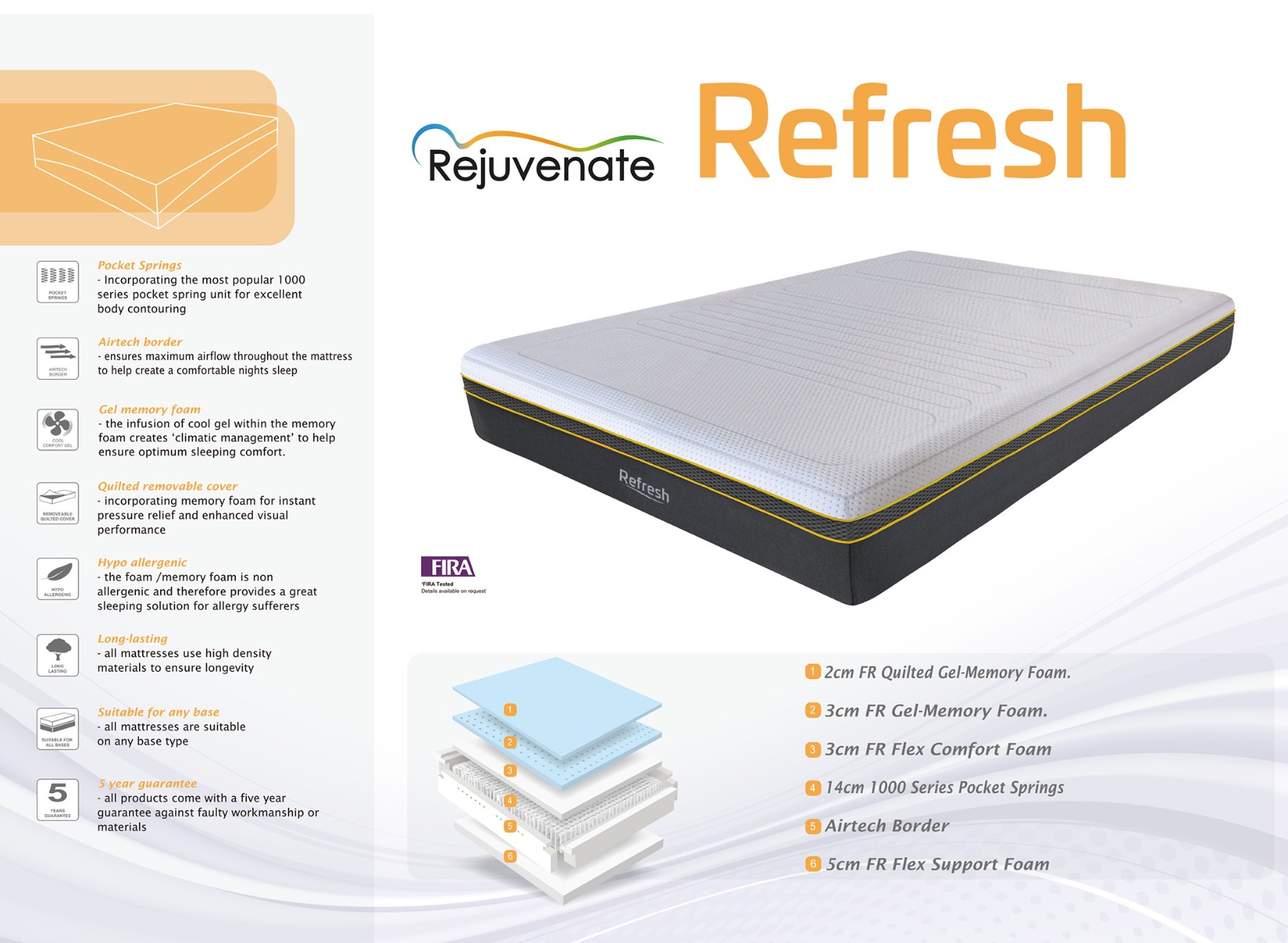
A simple way to remember: Flip or rotate your mattress every 3–6 months. Mark your calendar or set a reminder on your phone.
Credit: www.dreams.ie
Step 7: Protect Your Fresh Mattress
After cleaning, add a mattress protector. These covers block sweat, spills, and dust mites from getting into your mattress. They’re easy to wash and much cheaper to replace than a mattress.
There are two main types:
| Type | Protection Level | Feel | Best For |
|---|---|---|---|
| Waterproof | High (liquids, allergens) | May feel cool/plastic | Kids, pets, humid climates |
| Breathable (non-waterproof) | Medium (dust mites, light spills) | Soft, more natural | Adults, dry climates |
Choose a protector that fits your needs. Wash it every 1–2 months to keep your mattress fresh.
Step 8: Refresh Pillows And Bed Accessories
While your mattress is drying, clean your pillows and other bedding accessories. Pillows can hold as many allergens as your mattress. Most can be washed in a machine, but check the label.
Don’t forget:
- Mattress toppers or pads
- Throw blankets
- Headboard (wipe down if upholstered)
A clean sleep environment supports better health and sleep quality.
Step 9: Address Specific Mattress Types
Different mattresses need slightly different care. Here’s how to refresh each type:
Memory Foam Mattresses
- Avoid soaking with water—memory foam takes a long time to dry.
- Use a light spray of diluted detergent for stains.
- Always air dry with a fan before remaking the bed.
Innerspring Mattresses
- Flip and rotate for even wear.
- Vacuum deeply, as dust settles in the springs.
- Watch for rust if your bed is in a humid area.
Hybrid Mattresses
- Rotate, but do not flip unless manufacturer allows.
- Treat stains gently to avoid damaging layers.
- Check for sagging at the edges, as hybrids can lose support.
Latex Mattresses
- Vacuum regularly; latex resists dust mites naturally.
- Avoid harsh cleaners that might break down the latex.
- Airing out latex is important as it can retain odors.
Step 10: Maintain Mattress Freshness Year-round
Once your mattress is refreshed, keep it that way with simple habits:
- Wash sheets and bedding every week.
- Use a mattress protector and wash it monthly.
- Vacuum the mattress surface every 2–3 months.
- Address spills or stains right away—don’t let them set.
- Rotate or flip as recommended.
- Air out your mattress (open windows) each season.
These steps prevent buildup and keep your bed cleaner longer. Most people only clean their mattress when there’s a problem, but regular care makes a real difference.
Advanced Tips For Extra Freshness
If you want to go beyond the basics, try these expert-level ideas:
- Activated charcoal pouches: Place under the mattress to absorb odors.
- UV-C light sanitizing wands: Kills bacteria and dust mites (follow safety instructions).
- Anti-allergen mattress sprays: Target dust mites, especially helpful for asthma.
- Dehumidifier in the bedroom: Controls moisture and prevents mold, especially in humid climates.
People often forget that humidity and air quality affect mattresses. Keeping the room dry and well-ventilated helps more than you might think.
Common Mistakes To Avoid
Refreshing a mattress is simple, but there are pitfalls:
- Using too much water: Mattresses dry slowly, and moisture can create mold.
- Ignoring stains: Even small spots can attract dust mites and bacteria.
- Skipping the sides and seams: These areas collect the most debris.
- Not drying fully: A damp mattress is a health hazard.
- Forgetting to clean pillows and bedding: Allergens move between surfaces.
If you avoid these errors, your mattress will stay fresher and last longer.

Credit: play.google.com
Signs It’s Time For A Mattress Replacement
No amount of refreshing can save a mattress that’s truly worn out. Here are signs it’s time to buy a new one:
- Visible sagging, lumps, or broken springs
- Noisy springs or creaks
- Waking up sore or tired, even after a full night’s sleep
- Mattress is more than 8–10 years old
- Persistent odors, even after deep cleaning
On average, a quality mattress lasts 7–10 years. Regular cleaning helps, but eventually, replacement is needed for proper support and hygiene.
How Mattress Refreshing Affects Health
A fresh mattress is more than just pleasant—it’s healthier. Dirty mattresses can trigger allergies, skin irritation, and even breathing issues. According to the Asthma and Allergy Foundation of America, dust mites are a leading cause of allergy symptoms in the bedroom.
Refreshing your mattress:
- Reduces exposure to dust mites and their droppings
- Lowers the risk of skin irritation and rashes
- Improves sleep quality by reducing odors and discomfort
- Supports a stronger immune system
Most people overlook the connection between mattress cleanliness and sleep health. But regular refreshing is one of the easiest ways to create a healthier bedroom.
Real-world Example: The Impact Of Mattress Cleaning
Consider this scenario: A family with two young children and a dog noticed both kids waking up congested and sneezing. After a deep mattress cleaning and adding protectors, their symptoms improved in just a week. Regular cleaning and allergen control made their home healthier without buying new mattresses.
This example shows that a few hours of effort can make a big difference in daily comfort and health.
Mattress Refreshing: Myths Vs. Facts
Many myths surround mattress care. Let’s clear a few up:
| Myth | Fact |
|---|---|
| Baking soda ruins mattresses | Baking soda is safe and effective for odor removal |
| Only old mattresses need cleaning | Even new mattresses collect dust and sweat |
| Vacuuming damages memory foam | Vacuuming is safe with the right attachment |
| Mattress protectors are uncomfortable | Modern protectors are thin and breathable |
| Professional cleaning is always needed | DIY cleaning works for most mattresses |
Understanding what really works saves time and money.
Credit: www.omf.com.au
When To Call A Professional
Some problems need expert help:
- Serious mold or mildew: This can be a health risk. Professionals have the right tools.
- Bed bug infestation: DIY methods rarely solve this. Call a pest control expert.
- Large, deep stains: If stains cover a large area, or you can’t remove odors, professional cleaning may be your best option.
For most cleaning jobs, though, you can do it yourself and get great results.
Eco-friendly Mattress Refreshing
If you care about the environment, you can refresh your mattress with natural products:
- Use baking soda and vinegar for most cleaning.
- Try essential oils like tea tree or eucalyptus for natural odor control.
- Avoid harsh chemicals that can linger in your bed.
- Air dry in sunlight whenever possible.
Eco-friendly methods are effective and safe for people with allergies or sensitive skin.
How Often Should You Refresh Your Mattress?
A good rule is to deep clean your mattress every six months. If you have allergies, pets, or kids, do it more often—every three months is ideal. Spot clean spills and stains as soon as they happen.
Mark your calendar for regular cleaning, just like you would for car maintenance or dental checkups.
Frequently Asked Questions
How Do I Get Rid Of A Strong Urine Smell From My Mattress?
Blot up as much urine as possible with towels. Mix equal parts white vinegar and water in a spray bottle and spray the area. Blot again. Sprinkle baking soda over the spot and let it sit for at least 8 hours, then vacuum.
For stubborn smells, use an enzyme cleaner. If odor remains, repeat the process or consider professional cleaning.
Can I Steam Clean My Mattress?
It’s possible, but use caution. Steam cleaning can kill bacteria and dust mites, but too much moisture can cause mold. Use a steam cleaner with a low-moisture setting, move slowly, and make sure the mattress dries completely before putting on bedding.
How Do I Know If My Mattress Has Dust Mites?
Common signs include waking up sneezing, itchy eyes, or runny nose. If you see tiny white spots or feel “crawly” sensations, dust mites could be present. Regular vacuuming, using allergen-proof covers, and washing bedding in hot water help control them.
Is Flipping A Mattress Necessary For All Types?
No. Traditional innerspring mattresses are designed to be flipped and rotated. Most modern memory foam, latex, and hybrid mattresses should only be rotated (head to foot), not flipped, unless the label says otherwise. Check your manufacturer’s instructions.
Where Can I Learn More About Mattress Care?
A reputable source for more in-depth information is the Sleep Foundation. They offer expert advice on mattress cleaning, care, and choosing the right products.
Refreshing your mattress isn’t just a chore—it’s an investment in better sleep and health. With the steps above, you’ll enjoy a cleaner, more comfortable bed for years to come. Take a little time to refresh your mattress, and you’ll notice the difference every night.