
Keeping your fabric dining chairs in good shape can feel like a challenge, especially if you have a busy home, children, or pets. Spills, stains, dust, and daily wear can make even the best chairs look old before their time. But with the right steps, you can protect your chairs and keep them looking new for years. There are simple habits, products, and cleaning methods that make a big difference. You don’t need to be an expert or spend a lot of money to see real results.
This article will guide you through proven ways to guard your fabric dining chairs against damage. You’ll learn which preventive measures really work, how to handle stains, and what mistakes to avoid. Whether your chairs are new or have already seen some use, these tips can help you make the most of your investment and keep your dining space looking inviting.
Let’s look at how you can protect your fabric dining chairs from all the common threats they face.
Why Fabric Dining Chairs Need Special Protection
Fabric is soft and comfortable, but it’s also more vulnerable than wood, metal, or plastic. Food stains, liquid spills, and even sunlight can damage or discolor the material. Unlike leather or vinyl, most fabrics absorb liquids fast. Dust and pet hair can hide in the fibers, making the chairs look dirty or smell bad over time.
Many people don’t realize that even daily habits, like where you place the chairs or how you clean them, can make a big difference. Regular attention and a few protective steps can add years to the life of your chairs.
Ignoring these things often leads to costly cleaning, repairs, or early replacement.
Choosing The Right Fabric For Dining Chairs
Before you even worry about protection, your choice of fabric matters. Some fabrics are naturally more resistant to stains and wear. Here’s a quick comparison to help you understand which materials are easiest to protect:
| Fabric Type | Stain Resistance | Durability | Maintenance Level |
|---|---|---|---|
| Microfiber | High | High | Low |
| Polyester Blend | Medium-High | High | Low |
| Linen | Medium | Medium | Medium-High |
| Cotton | Low-Medium | Medium | Medium |
| Velvet | Low | Medium | High |
Microfiber and polyester blends are easier to keep clean and less likely to stain, making them a smart choice if you want low-maintenance chairs. Cotton and linen look beautiful but need more care. If you already have delicate fabric chairs, don’t worry—many of the protective steps below will help, no matter the material.
Everyday Habits That Protect Fabric Dining Chairs
You don’t always need special products to protect your chairs. Often, it’s the small, daily habits that make the biggest difference. Here are some practical ways to shield your chairs from common problems:
1. Wipe Up Spills Immediately
Liquids can soak into fabric in seconds. Always blot (not rub) spills with a clean, dry towel as soon as they happen. Even clear water can leave marks if left to dry.
2. Vacuum Regularly
Dust, crumbs, and pet hair can settle deep into fabric. Use a handheld vacuum or upholstery attachment once a week to keep the surface clean. This prevents buildup and odors.
3. Rotate Chairs
If some chairs are used more often than others, swap their places every month. This keeps wear even and avoids one chair looking much older than the rest.
4. Limit Eating Messy Foods
Encourage family and guests to avoid eating extra-messy foods (like sauces or oily snacks) on fabric chairs, or use placemats and napkins to catch spills.
5. Keep Chairs Away From Sunlight
Direct sunlight fades fabric fast. Place your chairs where the sun does not hit them directly, or close curtains during the brightest parts of the day.
6. Don’t Drag Chairs
Dragging can tear the fabric along seams or edges. Lift chairs when moving them to prevent accidental damage.
7. Discourage Jumping Or Standing
Children may climb or jump on chairs. This strains the fabric and frame, causing both to wear out faster.
These habits cost nothing but can double the lifespan of your dining chairs if done regularly.
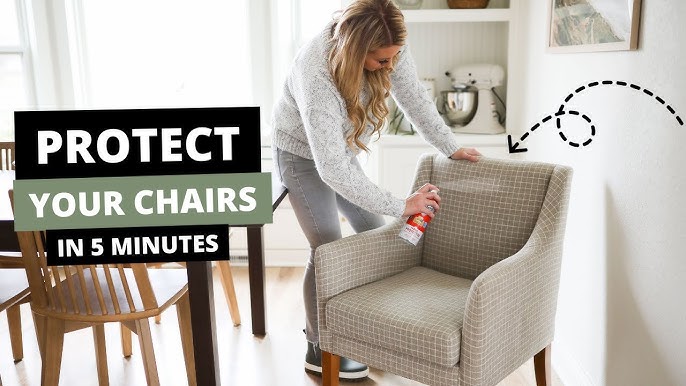
Using Fabric Protection Sprays
One of the most effective ways to guard against stains is a fabric protection spray. These sprays create an invisible barrier that helps liquids bead up instead of soaking in. Here’s what you need to know:
- Choose the Right Spray: Look for products labeled as “fabric protector” or “upholstery protector.” Brands like Scotchgard are well-known, but always check if the spray matches your chair’s fabric.
- Test First: Before spraying the whole chair, test on a hidden spot. Some sprays can change the color or texture of delicate fabrics.
- Apply Evenly: Hold the can about 6-8 inches away and spray in light, even coats. Make sure the room is well-ventilated.
- Let It Dry: Most sprays need at least an hour to dry. Avoid sitting on the chairs until they are completely dry.
- Reapply Every 6-12 Months: The protective layer wears off with use, so repeat the process to maintain protection.
Non-obvious insight: Many people skip the “test first” step, but some sprays can cause watermarks or dark patches, especially on linen and velvet. Always check before full use.
Slipcovers And Removable Covers
If you want maximum protection with minimum effort, consider slipcovers or removable seat covers. These are fabric covers that go over your chairs and can be removed for washing.
Benefits Of Slipcovers
- Easy to Clean: Most slipcovers are machine-washable. If there’s a spill, just remove and wash.
- Style Flexibility: You can change the look of your dining room for seasons or special events with different covers.
- Full Protection: Covers protect not just the seat, but also the back and sides.
Choosing The Right Slipcover
When selecting a slipcover, check:
- Size and Fit: Some slipcovers are one-size-fits-all, but fitted covers look neater.
- Material: Stretchy polyester blends are durable and easy to clean.
- Color: Dark or patterned covers hide stains better than light colors.
Practical tip: If you can’t find a slipcover that fits, a simple seat pad with ties can also offer protection for the most-used parts of the chair.
Regular Cleaning Routines
Even with protection, fabric chairs need regular cleaning to look their best. The right cleaning routine depends on your fabric type and how often the chairs are used.
Weekly Cleaning
- Vacuum: Use an upholstery attachment to remove dust, crumbs, and pet hair.
- Spot Check: Look for any new stains or marks and treat them quickly.
Monthly Cleaning
- Check Seams and Edges: Dust and debris often collect in seams. Use a soft brush to loosen and vacuum away.
- Deodorize: Sprinkle a little baking soda on the fabric, wait 15 minutes, then vacuum. This absorbs odors.
Deep Cleaning
Every 3-6 months, give your chairs a more thorough clean:
- Check Labels: Most chairs have a tag with cleaning codes (W, S, WS, X). These show what products are safe to use.
- Water-Based Cleaner (W): Use mild soap and water for most polyester or cotton blends.
- Solvent Cleaner (S): For delicate fabrics like linen or silk, use a dry-cleaning solvent.
- Vacuum Again: Always vacuum before and after cleaning to remove residue.
Non-obvious insight: Many stains set because people scrub too hard. Always blot, never rub, and use as little water as possible to avoid water rings.
Credit: www.youtube.com
How To Handle Spills And Stains
No matter how careful you are, spills happen. Acting fast is the key to preventing permanent stains.
- Blot, Don’t Rub: Use a clean, dry cloth to blot up as much liquid as possible. Rubbing spreads the stain.
- Use Mild Cleaners: Mix a few drops of dish soap with water. Dampen a cloth and gently dab the spot.
- Rinse and Blot Dry: Use a second cloth with plain water to remove soap, then blot dry with a towel.
- For Tough Stains: Use a stain remover made for upholstery, but always test on a hidden area first.
Common Stain Solutions
- Red Wine: Blot, then sprinkle salt to absorb the liquid. Vacuum after 10 minutes, then clean with mild soap.
- Grease: Sprinkle baking soda, wait 10 minutes, then vacuum. Use a bit of dish soap on a damp cloth.
- Ink: Dab gently with rubbing alcohol on a cotton ball, then blot with water.
Practical example: If you spill coffee, blot up the liquid right away, apply a mix of water and vinegar, and blot dry. Waiting even 10 minutes can let the stain set.
Preventing Fading And Sun Damage
Sunlight is a hidden enemy of fabric dining chairs. Ultraviolet (UV) rays can fade colors and weaken fibers, making fabric look old and brittle.
How To Prevent Sun Damage
- Move Chairs Out of Direct Sun: Arrange your dining room so chairs are not in the sun’s path.
- Use Curtains or Blinds: Close window coverings during the brightest part of the day.
- Window Film: Apply UV-blocking film to your dining room windows. This reduces fading without blocking light.
Comparison: Sun Exposure Vs. Protected Chairs
| Condition | Color Fading (1 Year) | Fabric Strength Loss (1 Year) |
|---|---|---|
| Direct Sun | 30-50% | Up to 25% |
| Indirect Sun | 10-15% | Up to 10% |
| Protected (Curtains/Film) | 2-5% | Minimal |
Key takeaway: Even a simple curtain can extend the life and look of your fabric chairs by many years.

Credit: www.prestige-affairs.com
Pet And Kid-proofing Your Dining Chairs
Homes with pets or small children need extra protection. Fur, claws, sticky hands, and spills are a daily reality. Here’s how to minimize damage:
For Pets
- Use a Throw Blanket: Drape a washable blanket or towel over the seat when not in use.
- Trim Pet Nails: Short nails are less likely to snag or tear fabric.
- Train Pets: Teach pets not to jump on dining chairs if possible.
For Kids
- Place Booster Seats: Use plastic or wipe-clean booster seats for toddlers.
- Set Rules: Teach children to keep food and drinks on the table, not the chair.
- Wipe After Meals: Quickly check and clean after each meal to prevent crumbs and sticky spots.
Advanced tip: Consider using a double-layer cover (a fitted slipcover plus a removable seat pad) for families with both kids and pets. The seat pad catches most of the mess and is easy to wash.
Professional Cleaning And Maintenance
Sometimes, regular home cleaning is not enough, especially for deep stains or delicate fabrics. Professional upholstery cleaning can restore your chairs and remove stubborn marks.
When To Call A Professional
- Deep Stains: If home remedies don’t work, or you’re worried about damaging the fabric.
- Delicate Materials: Silk, velvet, or antique fabrics are best handled by experts.
- Annual Maintenance: A professional clean once a year can keep chairs looking new.
What Professionals Do
- Steam Cleaning: Removes dirt with hot water and suction; safe for most fabrics.
- Dry Cleaning: Uses solvents, not water; best for delicate or “S-code” fabrics.
- Stain Removal: Special treatments for ink, grease, or colored stains.
Cost Insight: Professional cleaning usually costs $20-$75 per chair, depending on fabric and stain level. This is much less than buying new chairs.
For more information, visit the Wikipedia Upholstery page.
Mistakes To Avoid When Protecting Fabric Chairs
Even with the best intentions, some well-meaning actions can harm your chairs. Avoid these common mistakes:
- Using Too Much Water: Over-wetting fabric can cause water stains or shrinkage. Always use minimal moisture.
- Skipping Test Spots: Always test cleaning products on a hidden area first.
- Ignoring Cleaning Codes: Each fabric has a care code. Using the wrong cleaner can ruin the chair.
- Letting Spills Sit: Waiting to clean a spill lets it soak in and set, making removal harder.
- Using Bleach or Harsh Chemicals: These can weaken fibers and fade color.
- Covering Wet Chairs: Don’t put slipcovers back on until the chair is completely dry to prevent mold.
- Assuming All Protection Sprays Are the Same: Some sprays are only for certain fabrics. Read labels carefully.
- Vacuuming with a Dirty Attachment: Dirty tools can spread stains or odors. Clean your vacuum head often.
- Placing Chairs Near Heaters: Heat can dry out and damage fabric fibers.
- Ignoring Pet Hair: Letting fur build up can lead to odors and more difficult cleaning later.
Non-obvious insight: Many people think more cleaning is always better. In reality, gentle, regular care beats aggressive cleaning every time.
Diy And Store-bought Products: What Really Works?
With so many products available, it’s easy to feel lost. Here’s a look at what actually helps and what might be a waste of money:
| Product Type | What It Does | Best For | Watch Out For |
|---|---|---|---|
| Fabric Protector Spray | Repels liquids, prevents stains | All fabrics (test first) | May change color/texture |
| Slipcovers | Physical barrier, easy to wash | Homes with kids/pets | Fit may be loose on some chairs |
| Upholstery Shampoo | Deep cleaning of fabric | Stubborn stains, odors | Some require rinsing, can over-wet |
| DIY Vinegar Spray | Deodorizes, light cleaning | Light stains, odor removal | Strong smell, test first |
| Baking Soda | Odor absorber, mild cleaner | All fabrics | Vacuum thoroughly after use |
Key advice: Spend money on a good slipcover and a trusted protector spray. Most other “miracle” products are less important if you follow regular cleaning and prevention.
How To Store Fabric Dining Chairs
If you need to store your chairs for a season or during a move, a few precautions will keep them looking new:
- Clean First: Vacuum and spot-clean before storing. Dirt left on fabric can set over time.
- Cover Chairs: Use cotton sheets or breathable covers. Avoid plastic, which traps moisture and can cause mold.
- Keep Dry: Store in a dry, cool place. Avoid basements or attics with high humidity.
- Don’t Stack: Stacking chairs can crush fabric or create permanent dents.
- Check Periodically: If storing for more than a month, check every few weeks for moisture or pests.
Pro tip: Slip a small packet of silica gel or baking soda under the seat to absorb excess moisture and prevent odors.
When To Replace Vs. Repair
Fabric dining chairs eventually reach the end of their life, but many issues can be repaired. Here’s how to decide:
- Repair if: Only the fabric is stained or torn; frame and padding are still strong.
- Replace if: Frame is broken, padding is flat, or fabric is badly faded and worn.
- Reupholster if: You love the chair’s design and it’s sturdy. Reupholstering can give a “like new” look for less than buying new.
Cost insight: Simple reupholstering can cost $40-$100 per chair. Compare this to the price of new chairs to decide what’s best for your budget.
Credit: protectmeproducts.co
Frequently Asked Questions
How Often Should I Clean My Fabric Dining Chairs?
For most homes, vacuuming weekly and deep cleaning every 3-6 months is enough. If you have pets or children, check for stains and clean more often. Fast action keeps chairs looking their best.
What Should I Do If My Chair Gets A Large Stain?
Blot the stain right away. Use a mild soap and water mix, or an upholstery cleaner if safe for your fabric. If the stain is stubborn, consider calling a professional to avoid making it worse.
Can I Use Bleach Or Strong Chemicals On Fabric Chairs?
No, avoid bleach and strong chemicals. They can damage fibers and fade colors. Always use products made for upholstery and test them first.
Are Slipcovers Worth It For Fabric Dining Chairs?
Yes, especially in homes with kids or pets. Slipcovers are easy to wash and change, give full protection, and can refresh your dining room style instantly.
How Can I Stop My Fabric Chairs From Smelling?
Vacuum regularly, sprinkle baking soda and vacuum it up, and deal with spills quickly. For strong odors, let the chair air out in a dry, breezy spot, or use a little vinegar spray.
Keeping fabric dining chairs looking clean and fresh is not difficult when you know what matters. The right habits, products, and cleaning routines will help your chairs last for many years. With just a little attention, your dining space will always feel welcoming and comfortable for family and guests.