
Cleaning a broiler pan is one of those kitchen tasks many people avoid, but it is essential for both food safety and cooking performance. Whether you use your broiler pan for roasting meats, grilling vegetables, or making crispy fish, keeping it clean ensures your meals taste great and your kitchen stays safe.
Many people are surprised to learn that broiler pans can build up grease and burnt food quickly, which not only affects taste but can also be a fire hazard. If you’ve ever pulled out a sticky, blackened pan and wondered where to start, you’re not alone.
Let’s dive into the details of how to clean broiler pans, why it matters, and how you can do it easily, even if you’ve never cleaned one before.
What Is A Broiler Pan And Why Does It Get So Dirty?
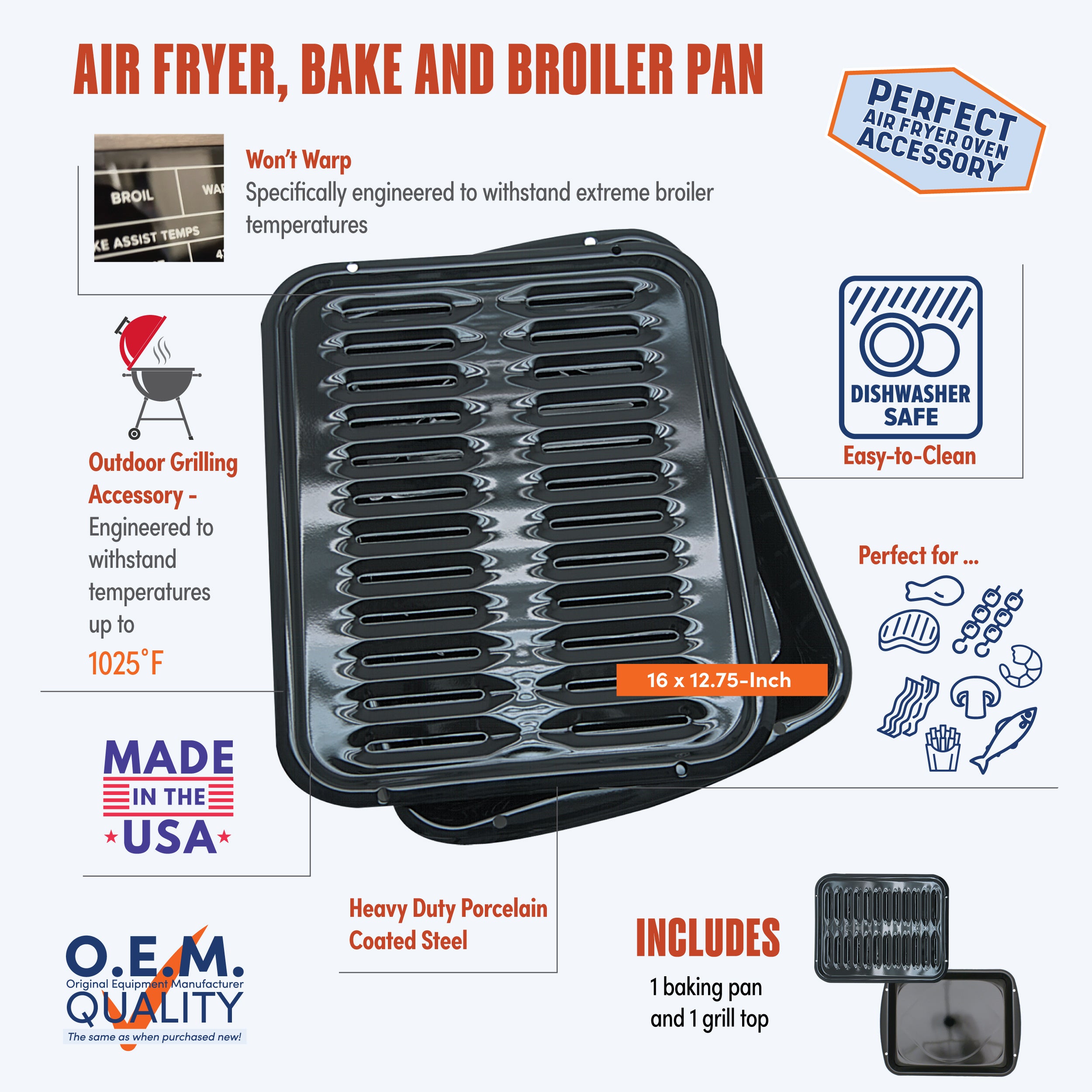
A broiler pan is a special tray that sits under your oven’s broiler element. It usually has two parts: a slotted upper tray and a solid lower tray. The upper tray lets fat and juices drip down, while the lower tray catches them, keeping food crisp and reducing smoke. Broiler pans are great for high-heat cooking but tend to get dirty fast. Grease splatters and cooked-on food can build up quickly, especially if you broil often.
The main reasons broiler pans get dirty:
- High heat: Broiling uses intense heat, which makes food residue bake onto the pan’s surface.
- Fat and juices: Meats and oily foods release grease that can burn and stick.
- Lack of cleaning: Skipping regular cleaning makes buildup worse over time.
A dirty broiler pan can cause smoke, bad smells, uneven cooking, and even fires. Keeping it clean is not just about looks—it’s about safety and better-tasting food.
Types Of Broiler Pans And How Cleaning Differs
Broiler pans come in a few main materials, and each needs a different cleaning approach. The most common types are enamel-coated steel, stainless steel, and cast iron. Some ovens come with broiler pans, while others require you to buy one separately.
| Material | Cleaning Difficulty | Special Care |
|---|---|---|
| Enamel-Coated Steel | Medium | Avoid scratches, no harsh abrasives |
| Stainless Steel | Easy-Medium | Can use steel wool, polish for shine |
| Cast Iron | Hard | No soaking, keep dry to avoid rust |
Enamel pans are common in home ovens and resist rust, but the enamel can chip if you use metal scrubbers. Stainless steel pans are more durable and can handle tougher cleaning methods. Cast iron is less common but often found in older or high-end ovens; it needs special care to prevent rust.

Credit: www.thebirchcottage.com
Why You Should Clean Your Broiler Pan Regularly
Many people clean their broiler pans only when they look dirty, but there are real reasons to clean them after every use:
- Food safety: Old grease can grow bacteria, even in the oven’s heat.
- Taste: Burnt bits from past meals can affect the flavor of new dishes.
- Smoke: Greasy pans cause smoke, which can fill your kitchen and set off alarms.
- Fire risk: Built-up grease can catch fire during broiling.
Cleaning after each use is quicker and easier than waiting until the pan is coated with layers of burnt-on residue. It also helps your broiler pan last longer and perform better.
Step-by-step Guide: How To Clean A Broiler Pan
Cleaning a broiler pan does not have to be a hard or time-consuming job. Here’s a simple process that works for most pans.
1. Let The Pan Cool
Never try to clean a broiler pan when it’s hot. Wait for it to cool completely to prevent burns and warping.
2. Remove Loose Food
Use a spatula or paper towel to scrape off large food bits and excess grease. This makes the next steps more effective.
3. Soak The Pan
Fill your sink with hot water and a few drops of dish soap. Place both parts of the broiler pan in the water. Let them soak for at least 15–30 minutes. For stubborn stains, soak overnight.
4. Scrub Gently
Use a non-abrasive sponge or nylon brush to scrub the pan. For enamel pans, avoid steel wool or metal brushes, which can scratch the surface. For stainless steel, you can use a bit more pressure if needed.
5. Address Tough Stains
If you see burnt-on spots, sprinkle baking soda on them, then add a little water to make a paste. Let it sit for 10–15 minutes before scrubbing. For really stubborn stains, use a mixture of baking soda and vinegar. The fizz helps lift off grime.
6. Rinse And Dry
Rinse the pan thoroughly with hot water to remove all soap and residue. Dry immediately with a towel to prevent water spots and rust, especially with cast iron pans.
7. Final Inspection
Check for any missed spots. If needed, repeat soaking and scrubbing. A clean broiler pan should look shiny and feel smooth.
Alternative Cleaning Methods For Stubborn Buildup
Sometimes, regular cleaning is not enough, especially if you haven’t cleaned your pan in a long time. Here are a few extra methods for heavy buildup:
Oven Cleaner (for Stainless Steel And Enamel)
Spray a thin layer of oven cleaner on the pan (avoid using on cast iron). Let it sit according to the product instructions, then scrub and rinse well. Always use gloves and work in a ventilated area.
Ammonia Soak
Place the broiler pan in a garbage bag with a small cup of ammonia. Seal the bag and leave it outside overnight. The fumes help loosen burned-on grease. Open the bag carefully and wash the pan with soap and water.
Never mix ammonia with other cleaners.
Dishwasher (if Safe)
Some broiler pans are dishwasher safe. Check your manual. Place both parts in the dishwasher and run a heavy cycle. This works best for lighter messes.
Natural Cleaners
Lemon juice and salt can also help. Sprinkle salt on the stain, rub with half a lemon, and let it sit before rinsing. This is a gentle way to clean without harsh chemicals.
How Often Should You Clean Your Broiler Pan?
A common question is how often you should clean a broiler pan. The answer depends on use, but as a rule:
- After every use: Wipe off grease and food bits, then wash with soap and water.
- Deep clean: Once a month if you use it often, or anytime you see burnt-on residue.
Quick, regular cleaning saves time later and keeps your oven working safely.
Tips To Keep Your Broiler Pan Cleaner
Prevention is easier than cleaning a dirty pan. Here are smart tips to reduce mess:
- Line the lower tray with aluminum foil before broiling. Change the foil after each use to catch drips.
- Use a cooking spray on the upper tray to prevent sticking.
- Trim excess fat from meats to reduce splatter.
- Avoid using sugary marinades under the broiler, as sugar burns easily.
- Clean quickly after the pan cools—dried residue is harder to remove.
These habits can make cleaning much faster and less frustrating.
Common Mistakes When Cleaning Broiler Pans
Many people make simple mistakes that make cleaning harder or even damage the pan:
- Using metal scouring pads on enamel: This causes scratches and chips.
- Soaking cast iron: Water causes rust. Wipe clean and dry right away.
- Not rinsing off cleaners: Leftover chemicals can affect taste and safety.
- Forgetting to clean both parts: Always clean the slotted tray and the bottom tray.
- Waiting too long to clean: The longer you wait, the harder it is.
Recognizing these mistakes helps you avoid them and keep your pan in good shape.
When To Replace Your Broiler Pan
Even with good care, broiler pans do not last forever. Signs it’s time to buy a new one include:
- Deep rust spots that do not scrub off
- Chipped or cracked enamel
- Warped or bent trays
- Loose or broken handles
A damaged pan can be unsafe and affect your cooking. Most broiler pans last 3–5 years with regular use and care.
Comparing Popular Broiler Pan Brands
Different brands offer broiler pans with various features. Here’s a comparison of three common options:
| Brand | Material | Dishwasher Safe | Average Price | Durability |
|---|---|---|---|---|
| Nordic Ware | Enamel-coated steel | No | $25 | Good |
| General Electric (GE) | Stainless steel | Yes | $30 | Very good |
| Frigidaire | Porcelain enamel | No | $28 | Good |
Nordic Ware pans are durable and affordable but must be washed by hand. GE pans cost a bit more but are dishwasher safe and long-lasting. Frigidaire offers good quality and works well in most ovens.
Broiler Pan Vs. Baking Sheet: Which Is Easier To Clean?
Some people use a baking sheet instead of a broiler pan for convenience. However, there are key differences:
| Feature | Broiler Pan | Baking Sheet |
|---|---|---|
| Design | Slotted top, solid bottom | Single flat tray |
| Grease control | Excellent | Poor |
| Cooking results | Crispy, less greasy | Can get soggy |
| Cleaning ease | Moderate | Easy (with parchment/foil) |
Broiler pans cook food better under high heat, but they take more effort to clean. Baking sheets are simpler but not as good for broiling meats.
Non-obvious Insights And Pro Cleaning Tips
Even if you clean your broiler pan regularly, there are two smart tricks most people miss:
- Soak immediately after use: Fill the pan with hot, soapy water as soon as you finish cooking. Even if you clean it later, this loosens grease and makes scrubbing much easier.
- Use a soft toothbrush: For hard-to-reach corners and slotted trays, a soft toothbrush removes hidden bits without scratching.
Another expert tip: Rotate your broiler pan during cooking if you notice uneven browning. This prevents buildup in one spot and makes cleaning more even.
Safe Cleaning Products For Broiler Pans
Choosing the right cleaner is important. Stick to dish soap, baking soda, and vinegar for most jobs. For heavy-duty cleaning, check the label to make sure products are safe for your pan’s material. Avoid bleach or harsh oven cleaners on enamel or cast iron. Always rinse well after using any cleaner.
What If My Broiler Pan Is Discolored?
Some pans develop dark spots or stains that won’t scrub off, even when clean. This is often just discoloration from high heat and is not dangerous. If the surface feels smooth and there’s no rust or flaking, it’s safe to use.
If you want a shiny look, use a stainless steel polish (for steel pans only).

Credit: www.amazon.com
Cleaning Broiler Pans In Apartments And Shared Kitchens
If you live in a shared space, broiler pans get dirty faster. Here’s how to manage:
- Clean right after use to avoid fights with roommates.
- Mark your pan with a sticker or tape.
- Store in your room if theft is a risk.
Shared pans often collect more grease. A quick wipe-down after each use makes deep cleaning easier for everyone.
How To Store A Clean Broiler Pan
To keep your broiler pan clean between uses:
- Store it dry to prevent rust.
- Place a paper towel between the trays to absorb any leftover moisture.
- Avoid stacking heavy items on top, which can bend or chip the pan.
If you use your broiler pan rarely, keep it in a plastic bag or wrap it in foil to keep dust and grease away.
Broiler Pan Cleaning For Commercial Kitchens
In restaurants, broiler pans see heavy use and need extra care:
- Clean after every meal service.
- Use commercial degreasers, but rinse very well.
- Rotate pans to let them cool and clean evenly.
- Inspect pans often for cracks or warping.
Commercial pans are often stainless steel and stand up to tough cleaning, but even they need regular checks.
Environmental Impact: Eco-friendly Cleaning For Broiler Pans
Many cleaning products contain chemicals that can harm the environment. For a greener kitchen, try these methods:
- Use baking soda and vinegar instead of strong chemicals.
- Reuse old toothbrushes for scrubbing.
- Choose biodegradable dish soaps.
Also, avoid pouring grease down the drain, as it can clog pipes and pollute water.
Credit: rangekleen.com
Diy Broiler Pan Liners: Are They Worth It?
Some people make liners from foil or parchment paper to protect their broiler pans. These can help with cleaning, but there are things to watch out for:
- Aluminum foil can catch drips but may block heat if used on the upper tray.
- Parchment paper can burn under high heat—never use it directly under the broiler.
If you use a liner, keep it on the bottom tray only and always check your oven manual for safety.
Broiler Pan Cleaning Myths
You may hear advice that sounds true but isn’t:
- “You can just leave the pan dirty; the oven heat kills everything.” Not true—grease still builds up and can burn.
- “All broiler pans are dishwasher safe.” Some are not; always check first.
- “Steel wool is the best for all pans.” Steel wool scratches enamel and some stainless steel, causing damage.
Always use cleaning methods that match your pan’s material.
How To Handle A Broiler Pan With Years Of Buildup
If you inherit or find a broiler pan with thick, black buildup, don’t give up. Try this process:
- Scrape off what you can with a plastic spatula.
- Soak the pan in hot, soapy water overnight.
- Apply a paste of baking soda and water to any remaining grime.
- Scrub with a nylon brush or old toothbrush.
- If residue remains, try an oven cleaner (for enamel or steel only; not cast iron).
- Rinse well and dry.
It may take several rounds, but most pans can be saved.
Can You Clean A Broiler Pan With Just Water?
Water alone removes loose dirt but won’t break down grease or burnt-on food. Always use soap or a gentle cleaner for best results. For a quick wipe, hot water and a sponge are fine, but deep cleaning needs more effort.
Broiler Pan Maintenance: Beyond Just Cleaning
To keep your broiler pan working like new:
- Check for cracks or chips regularly.
- Polish stainless steel pans with a soft cloth.
- Season cast iron pans lightly with oil after cleaning.
- Replace pans when they become unsafe.
Good maintenance means safer, better-tasting meals every time you cook.
Frequently Asked Questions
How Do I Know If My Broiler Pan Is Dishwasher Safe?
Check the manufacturer’s instructions. Most stainless steel pans are safe for the dishwasher, but enamel-coated and cast iron pans usually are not. If you can’t find instructions, hand wash to be safe.
Can I Use Oven Cleaner On All Types Of Broiler Pans?
No. Oven cleaner is safe for stainless steel and enamel-coated pans, but never use it on cast iron. It can damage the seasoning and cause rust. Always follow product instructions and rinse thoroughly.
What Should I Do If My Broiler Pan Rusts?
Small spots of rust can be scrubbed away with baking soda and a soft brush. For cast iron, re-season after removing rust. If rust is deep or covers a large area, it’s safer to replace the pan.
Is Aluminum Foil Safe To Use On A Broiler Pan?
Yes, but only on the bottom tray. Foil helps catch drips and makes cleanup easier. Never cover the slotted tray, as this blocks airflow and can cause uneven cooking.
Where Can I Find More Information About Broiler Pan Cleaning And Safety?
For more tips and safety guidelines, visit the official USDA Food Safety site.
Keeping your broiler pan clean is not just a chore—it’s a smart step for better meals and a safer kitchen. With the right methods, even tough messes become easy to handle. Start cleaning today, and enjoy tastier, healthier broiled dishes every time.