
Gas appliances are everywhere: homes, restaurants, factories, and even in outdoor grills. But while gas fuels our lives, it can also be dangerous if not handled correctly. One of the most critical safety steps is proper venting. Many people think venting is just about letting out smoke or fumes, but it’s much more. Done wrong, venting can put your health, property, and even life at risk. This article will guide you through everything you need to know about how to properly vent a gas appliance, system, or line—whether you’re a homeowner, a DIY enthusiast, or a professional.
You’ll learn why venting matters, the different types of venting systems, step-by-step instructions, and common mistakes to avoid. We’ll also discuss building codes, materials, and special situations like high-efficiency appliances. By the end, you’ll know how to keep your space safe, efficient, and compliant with regulations.
Why Proper Gas Venting Is Essential
When gas appliances work, they create combustion byproducts. These include carbon monoxide (CO), nitrogen dioxide, water vapor, and sometimes unburned fuel. If not vented out, these byproducts can build up inside your space and cause:
- Health risks: CO poisoning is silent but deadly. Even small leaks can cause headaches, dizziness, or worse.
- Fire hazards: Unvented gas can ignite, especially near sparks or open flames.
- Appliance damage: Corrosive gases or moisture can shorten appliance life.
- Legal and insurance issues: Poor venting can violate codes and void insurance.
Many accidents happen because people don’t realize how serious venting is. For example, a 2022 survey found that over 25% of gas-related home incidents in the US involved improper venting. This shows why learning the right way is so important.
How Gas Venting Systems Work
A gas venting system carries fumes safely from the appliance to the outside. The system must:
- Start at the appliance’s exhaust outlet
- Use the right materials to handle heat and moisture
- Stay airtight so fumes don’t leak indoors
- Exit the building at a safe location
There are several main types of venting systems, each with different uses and rules. Let’s look at the most common ones.
Common Types Of Gas Venting Systems
- Natural draft (atmospheric) vents: These use the rising power of hot air. Most old water heaters and furnaces use this system.
- Direct vent systems: These pull in outdoor air for burning and send fumes out a sealed pipe. High-efficiency heaters and fireplaces use these.
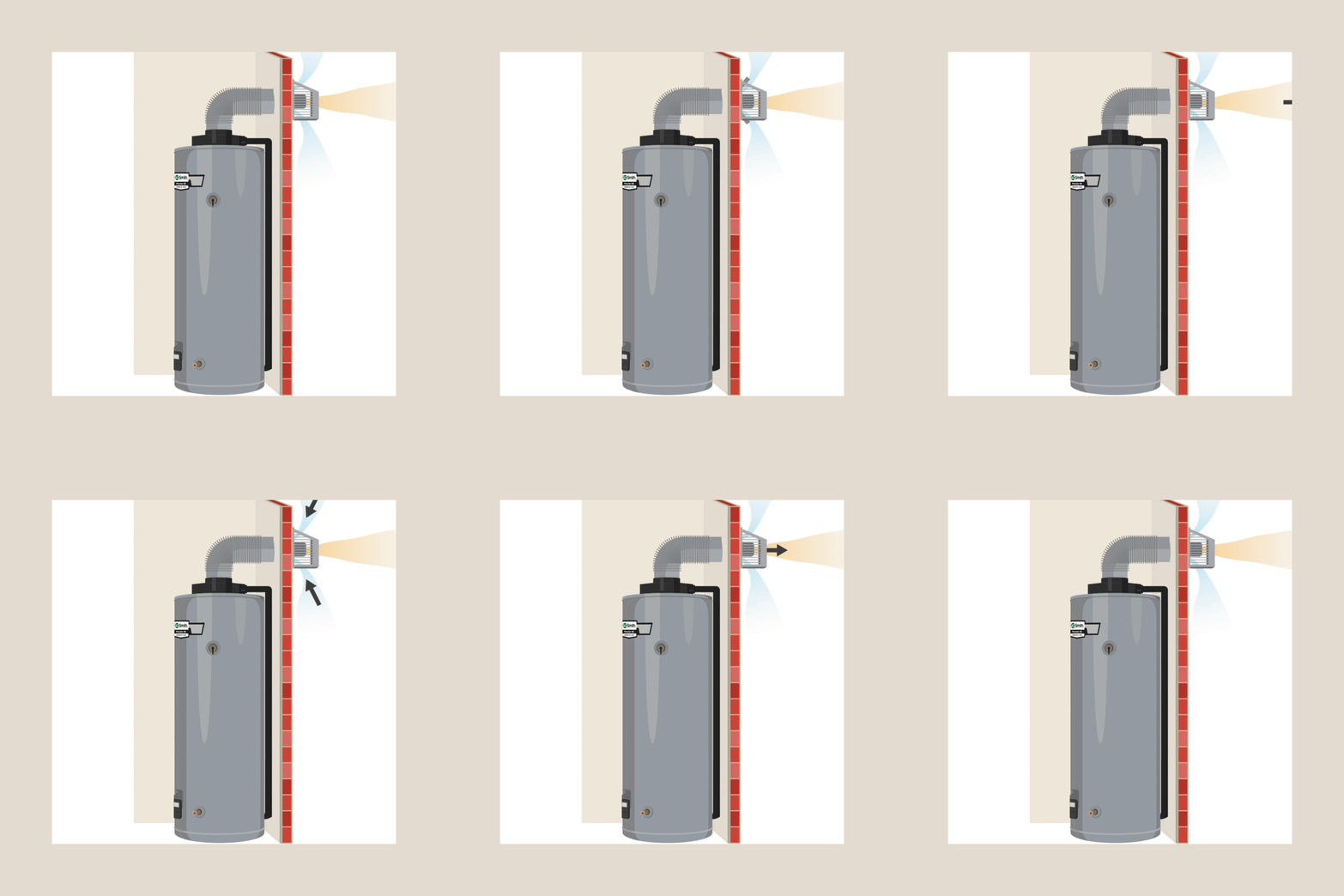
- Power vent systems: A fan pushes fumes out. These work where a chimney or tall stack isn’t possible.
- Type B vent (double-wall): Made for gas appliances. They have an inner pipe for fumes and an outer pipe for safety.
- Masonry chimneys: Old-style brick or stone chimneys, sometimes lined with a metal pipe.
- Single-wall vent: Only for short runs in open areas, not inside walls or ceilings.
Here’s a simple comparison of these systems:
| Venting System | Best For | Key Feature | Main Limitation |
|---|---|---|---|
| Natural draft | Standard water heaters, old furnaces | Works without power | Needs vertical vent; can backdraft |
| Direct vent | High-efficiency appliances | Sealed, safer | May need special pipe |
| Power vent | Basements or tight spaces | Fan-assisted, flexible | Needs electricity |
| Type B vent | Most gas furnaces, boilers | Double wall, safer | Not for wood or oil |
| Masonry chimney | Fireplaces, old homes | Heavy-duty, durable | Needs liner for gas |
| Single-wall vent | Short, visible runs | Low cost | Not for concealed use |

Credit: www.wikihow.com
Main Steps To Properly Vent A Gas Appliance
Let’s break down the general steps for safely venting a gas appliance. The process may change a bit depending on the system, but the key ideas are the same.
1. Check Local Building Codes And Appliance Manuals
Every area has its own codes about gas venting. These rules cover:
- What venting materials are allowed
- How far pipes must be from windows, doors, and walls
- Maximum and minimum vent lengths and heights
- How to support and secure the vent
Never skip this step. Some areas may require inspection or a permit. The appliance’s manual will also give venting instructions that you must follow. If the manual and local code differ, always use the stricter rule.
2. Choose The Right Venting System
Pick the system that matches your appliance and space. For example, a new high-efficiency furnace may need a direct vent system with PVC pipe, while an older gas heater might use a Type B vent.
Non-obvious tip: Don’t mix vent types on the same run. This can cause leaks or dangerous backdrafts.
3. Measure And Plan The Vent Route
Plan the shortest, straightest route from the appliance to the outdoors. Avoid sharp bends, long horizontal runs, or sharing the vent with other appliances unless the code allows it.
- Use a tape measure for all distances
- Mark any wall or roof penetrations
- Check for hidden wires or pipes before cutting
Beginner mistake: Forgetting to plan for clearance from combustibles (like wood). Most vents need at least 1 inch, but some require more.
4. Gather The Correct Materials And Tools
The venting materials must match the system type and size. For gas appliances, common materials include:
- Type B vent pipe (for furnaces, boilers, water heaters)
- PVC, CPVC, or ABS pipe (for condensing, high-efficiency units)
- Single-wall metal pipe (for short, visible runs)
- Aluminum or stainless liner (for chimneys)
You’ll also need:
- Pipe hangers or supports
- Metal screws (not drywall screws)
- High-temperature silicone sealant (if required)
- A drill, screwdriver, and saw
Pro tip: Buy a CO detector if you don’t already have one. It’s a cheap and vital safety check.
5. Install The Vent Pipe
Read the manual and follow these basics:
- Start at the appliance’s exhaust collar
- Use proper connectors (don’t force-fit or duct tape)
- Slope horizontal runs up at least 1/4 inch per foot toward the vent exit
- Support pipes every 4-5 feet so they don’t sag
- Seal all joints with approved sealant or screws (never regular tape)
- Keep clearance from flammable materials
When passing through walls or roofs, use an approved thimble or firestop. This keeps the heat from damaging the structure.
Non-obvious insight: For condensing appliances, the vent pipe must drain water back to the unit or a drain. Otherwise, acidic water may leak out and cause rust or mold.
6. Terminate The Vent Safely
The vent must end outside, not in an attic, garage, or crawl space. The tip should:
- Extend far enough from the building (usually 12+ inches)
- Be away from windows, vents, or doors (usually 3+ feet)
- Point slightly down or have a rain cap to keep out water
Here’s a simple vent termination comparison:
| Termination Type | Where Used | Key Requirement | Common Issue |
|---|---|---|---|
| Wall termination | Direct/power vent | 3 ft from openings | May freeze in cold |
| Roof termination | Natural draft, B vent | Above roof line | Can leak if not sealed |
| Chimney cap | Masonry chimneys | Weatherproof, screened | Bird nests, blockages |
7. Test For Leaks And Proper Draft
Once installed, turn on the appliance and check for:
- Warm air or fumes coming out the vent outside
- No gas smell indoors
- No condensation leaks at pipe joints
- Steady flame at the burner (not flickering)
For extra safety, use a smoke pen or a match (held safely) near the draft hood to check airflow. The smoke should go up the vent, not into the room.
Beginner insight: CO detectors should always be installed nearby—even after a successful test.
8. Schedule Regular Maintenance
Vents can clog with lint, nests, or rust over time. Once a year:
- Check for blockages
- Clean out any debris
- Look for loose or rusty sections
- Test the draft again
If you see white powder or water stains, call a pro. This can mean acidic condensation is leaking out.
Special Situations And Advanced Tips
Not every venting job is simple. Here are some common special cases.
Venting Multiple Appliances
If you have more than one gas appliance (like a furnace and water heater) sharing a vent, you must follow manifold rules. Each appliance must be the right distance from the vent, and the pipe must be big enough for all the fumes.
Common error: Making the vent too small. This can cause backdrafts and fumes entering your home.
High-efficiency (condensing) Appliances
These units make cooler exhaust that can be vented with plastic pipe, but the fumes are acidic. Use only pipes marked for this use (like PVC or CPVC). Also, plan for condensate drainage—never let water pool in the pipes.
Mobile Homes Or Tiny Houses
Rules can be stricter for compact spaces. Only use appliances and venting systems rated for mobile use. Also, watch for wind effects—strong gusts can blow exhaust back inside if the vent is too short.
Old Masonry Chimneys
If reusing an old chimney, you must line it with a metal liner. Gas exhaust can eat away brick and mortar if left unlined. If the chimney is cracked or blocked, don’t use it until repaired.
Venting Gas Lines (purging)
If you need to vent a gas line (for repairs or replacement), follow these steps:
- Shut off the main gas supply.
- Use only approved venting tools—never just open a valve indoors.
- Vent the gas outside, away from sparks or flames.
- Monitor the line for leaks with soapy water after turning gas back on.
Important: Only licensed professionals should work on gas lines. Even a small mistake can be deadly.
Key Materials And Their Properties
Using the right vent pipe material is essential. Here’s a comparison of the most common materials:
| Material | Uses | Heat Rating | Corrosion Resistance |
|---|---|---|---|
| Type B vent | Standard furnaces, heaters | Up to 400°F | Good |
| PVC/CPVC | Condensing appliances | Up to 140°F/194°F | Excellent |
| Stainless steel | High heat, corrosive exhaust | 600°F+ | Excellent |
| Single-wall steel | Short, visible runs only | Up to 350°F | Poor (rusts fast) |
| Aluminum liner | Chimneys (gas only) | Up to 400°F | Good |
Non-obvious tip: Always check for UL or CSA listing marks on vent materials. Unlisted pipe may not be safe or allowed.
Common Mistakes To Avoid
- Ignoring clearances: Keep all vent pipes the minimum distance from wood, insulation, or other flammable material.
- Mixing vent types: Never connect a gas vent to a wood stove or oil furnace vent.
- Too many bends: Each 90-degree bend reduces airflow. Use gentle curves if possible.
- Poor pipe support: Sagging pipes can leak or block.
- Improper sealing: Duct tape is not for gas vents! Use only approved sealants or gaskets.
- Blocked vent terminals: Snow, leaves, or nests can block airflow. Always check the outside regularly.
- Backdrafting: Negative air pressure (from kitchen fans or dryers) can pull exhaust back inside. If you smell gas, shut off the appliance and get help.
- Using old chimney unlined: Brick chimneys must have a metal liner for gas use.
- Oversizing or undersizing pipe: The vent must match the appliance size. Too big or too small reduces efficiency and safety.
- Skipping regular checks: Even a perfect installation needs annual inspection.
Safety Rules And Legal Requirements
You must always follow local and national codes. In the US, the main guidelines are:
- International Fuel Gas Code (IFGC)
- National Fuel Gas Code (NFPA 54)
- Manufacturer’s instructions
If you’re outside the US, your country will have similar rules. In many places, only a licensed professional can install or repair gas venting. Violating these rules can lead to fines, denied insurance claims, or even criminal charges after an accident.
Non-obvious insight: Insurance companies often check for code violations after a claim. If your vent isn’t up to code, they may not pay for damages.
For more, check the NFPA official site for the latest standards.
Signs Your Gas Venting Needs Repair
Even if everything was installed correctly, time and weather can cause problems. Watch for these warning signs:
- Soot buildup on or around the appliance
- Moisture or water stains near the vent pipe
- Rust, corrosion, or holes in the vent
- Unusual smells (especially rotten egg, which signals a gas leak)
- CO detector alarms or unexplained headaches and nausea
If you notice any of these, shut off the appliance and call a pro right away.
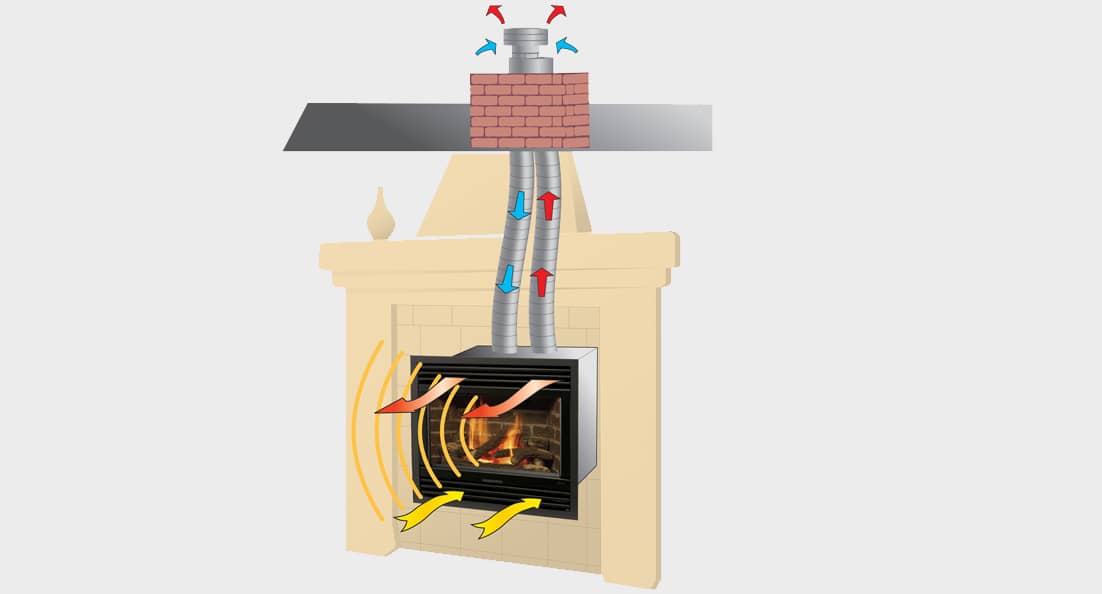
Credit: www.valorfireplaces.com
When To Call A Professional
Many venting jobs are best left to experts. Call a licensed technician if:
- You’re unsure about codes or materials
- The vent run is long, complicated, or passes through floors or roofs
- You see signs of leaks or corrosion
- You’re switching to a high-efficiency or new type of appliance
Professionals have the tools to test draft, check for leaks, and certify the work. This can save you from expensive or dangerous mistakes.
Frequently Asked Questions
What Happens If A Gas Appliance Is Not Properly Vented?
If venting is poor, dangerous gases like carbon monoxide can build up inside. This may cause headaches, sickness, or even death. Poor venting can also lead to fires, property damage, and legal issues.
Can I Vent A Gas Appliance Horizontally?
Yes, some direct vent and power vent systems allow horizontal runs. But you must follow the manufacturer’s rules for slope, length, and termination distance from openings. Never vent a natural draft system horizontally.
How Can I Tell If My Vent Is Blocked?
Common signs are soot, moisture, or a yellow burner flame. You may also smell gas or feel headaches. If your CO detector goes off, leave the building and call emergency services.
Is It Okay To Use Flexible Duct Or Dryer Vent Hose For Gas Venting?
No, only use approved vent pipes—never dryer vent hose or regular HVAC duct. These can melt, leak, or catch fire. Always check for UL or CSA listing.
How Often Should I Check Or Clean My Gas Vent?
Check your vent at least once a year for blockages, rust, or leaks. Clean out any debris and test the draft. If you live in an area with lots of birds or wind-blown debris, check more often.
Credit: www.hotwater.com
Final Thoughts
Properly venting a gas appliance isn’t just a technical detail—it’s a matter of safety and peace of mind. The right venting protects your health, meets the law, and keeps your appliances working at their best. While some steps may seem simple, small mistakes can have big consequences.
Always check codes, use the correct materials, and don’t hesitate to call a pro if you’re unsure. With careful planning and regular checks, you can enjoy the comfort and efficiency of gas with confidence.