
Giving your old, high gloss laminate furniture a fresh look can feel impossible. The shiny, slippery surface seems to reject paint, making most attempts end in frustration or peeling finishes. But with the right preparation, tools, and methods, you can transform glossy laminate pieces into beautiful, custom furniture that fits your style.
If you want to avoid costly mistakes and get results that last for years, this guide walks you through every step—no guesswork, no skipped details.
Painting over high gloss laminate is different from painting wood or even regular laminate. The surface is non-porous and very smooth, so paint doesn’t stick easily. But, with careful preparation and the right products, you can achieve a flawless, durable finish.
This article covers everything you need—from understanding what makes laminate tricky, choosing the right primer and paint, to application techniques, drying, and maintenance. You’ll also discover expert tips that most DIYers miss and learn how to avoid common pitfalls.
Ready to give your furniture a new life? Let’s get started.
Understanding High Gloss Laminate Furniture
High gloss laminate is made by fusing a printed decorative paper to particleboard or MDF, topped with a shiny, plastic-like layer. This outer shell gives a mirror-like finish, making it attractive and easy to clean. However, that same glossy coating creates a barrier that paint cannot penetrate or grip.
Laminate is not real wood. It won’t absorb paint or stain, and any coating will sit on top. This means poor adhesion if you skip the right steps, and your paint can scratch, peel, or bubble. High gloss laminate is especially difficult because the surface is more slippery and less forgiving than matte or textured types.
Most high gloss laminate furniture is found in kitchens, offices, and budget-friendly home décor. It’s popular for cabinets, wardrobes, bookshelves, and desks. While it’s durable and stain-resistant, the style can become outdated, or the color may not match your décor.
That’s why painting is a popular way to refresh these pieces without buying new furniture.
Tools And Materials You Will Need
Before you start, gather all your supplies. Missing a crucial item halfway through can ruin your project or force you to take shortcuts. Here’s what you’ll need:
- Screwdrivers – To remove hardware (handles, knobs, hinges)
- Drop cloths or old sheets – Protect floors and nearby surfaces
- Mild detergent or degreaser – For cleaning
- Sponge and clean rags – For washing and drying
- Fine-grit sandpaper (220-320 grit) – For deglossing the surface
- Tack cloth – To remove dust after sanding
- Painter’s tape – To mask edges and areas you don’t want painted
- High-quality bonding primer – Essential for laminate
- Topcoat paint – Acrylic, latex, or alkyd enamel recommended
- Foam roller and angled brush – For smooth application
- Paint tray and liners
- Respirator or mask – For sanding and painting in enclosed spaces
- Gloves – Protect your hands
- Optional: Liquid deglosser – For extra adhesion
- Optional: Polyurethane or clear topcoat – For added durability
Cutting corners on materials, especially primer, can ruin your results. Invest in the best you can afford, especially for bonding primer and paint.
Preparing The Surface: The Most Critical Step
Preparation makes or breaks your project. Most paint failures on laminate come from skipping or rushing these steps. Even the best paint will peel if the surface isn’t properly prepared.
1. Remove Hardware And Clean Thoroughly
Start by taking off all hardware—handles, knobs, and hinges. This gives you easy access to all areas and prevents paint from sticking to unwanted spots.
Clean the entire surface with a mild detergent or degreaser. Laminate attracts oils, fingerprints, and residues that can prevent paint from sticking. Use a sponge to scrub, then rinse with clean water and dry with a lint-free cloth.
Non-obvious insight: Even invisible fingerprints or a thin film of polish can ruin adhesion. Never skip the cleaning step, even if the furniture looks clean.
2. Lightly Sand The Glossy Surface
Sanding is not about removing the laminate or making deep scratches. The goal is to dull the shine and create a slightly rough surface for primer to grip.
- Use fine-grit sandpaper (220 to 320 grit).
- Sand evenly in small circles, covering every inch.
- Wipe away all dust with a tack cloth.
If you see shine anywhere, sand again. Don’t use heavy pressure—gentle sanding avoids damaging the thin laminate layer.
Pro tip: For tricky corners, wrap sandpaper around a block or use a sanding sponge.
3. Clean Off All Dust
After sanding, dust is your enemy. Any particles left on the surface can cause bumps or prevent paint from adhering. Go over every surface with a tack cloth. Pay extra attention to corners and edges.
4. Optional: Use Liquid Deglosser
For extra tough, ultra-glossy finishes, a liquid deglosser can help. Wipe it on as directed, then let it dry. This step is not always required, but it increases adhesion, especially on surfaces that still feel slippery after sanding.
Masking And Protecting Surrounding Areas
Before priming, use painter’s tape to protect:
- Edges where you don’t want paint (like inside drawers)
- Glass panels or mirrors
- Walls or floors near the furniture
Lay down drop cloths or old sheets to catch drips or spills. If you’re painting drawers or doors, remove them for easier access.
Non-obvious insight: Wrap tape around hardware screws or hinges still attached, so you don’t gunk up moving parts with paint.

Credit: salvagedinspirations.com
Choosing The Right Primer And Paint
Not all paints or primers are made for laminate. Using the wrong type is the number one cause of peeling and chipping.
Primer: The Secret To Success
Always use a bonding primer designed for slick surfaces. Regular primers won’t work. Look for:
- “Bonding” or “adhesion” on the label
- Water-based for easy clean-up, or oil-based for maximum grip
Popular options include Zinsser B-I-N, Zinsser Bulls Eye 1-2-3, and KILZ Adhesion.
Paint: Durability And Finish
Choose a paint that matches your needs:
- Acrylic enamel: Hard, smooth finish; resists scratches
- Alkyd paint: More durable, but requires mineral spirits to clean up
- Latex paint: Easy to use, less durable unless topcoated
- Chalk paint: Trendy, needs wax or poly finish for durability
Finish: Satin or semi-gloss is best for furniture. Flat paint marks easily and is hard to clean.
Paint Comparison Table
Here’s a quick comparison of common paints for laminate furniture:
| Paint Type | Durability | Ease of Use | Finish | Special Notes |
|---|---|---|---|---|
| Acrylic Enamel | High | Moderate | Satin, Semi-Gloss | Best balance for DIY |
| Alkyd | Very High | Harder (needs solvent) | Semi-Gloss, Gloss | Professional finish |
| Latex | Medium | Easy | Any | Needs topcoat for best results |
| Chalk Paint | Medium | Easy | Matte | Must seal with wax/poly |
Topcoat: Extra Protection
For furniture that gets a lot of use, add a polyurethane or polycrylic topcoat. This helps prevent scratches, stains, and chipping. Water-based topcoats won’t yellow, which is important for white or light colors.
Applying Primer: How To Get Perfect Adhesion
Priming is the most important painting step for laminate. Here’s how to do it right:
- Stir the primer well—don’t shake, as this adds bubbles.
- Use a foam roller for large, flat areas. Use an angled brush for edges and corners.
- Apply a thin, even coat. Don’t try to cover everything in one layer.
- Let the primer dry completely (usually 1-4 hours, check the label).
- Lightly sand with fine sandpaper (320 grit) between coats for a super smooth finish. Wipe away dust with a tack cloth.
- Apply a second coat if needed, especially on dark or heavily used furniture.
Allow the final coat to dry at least as long as the label says—longer if possible.
Non-obvious insight: Test primer adhesion in a hidden spot. After drying, try scratching with your fingernail. If it peels, sand again and apply another coat.
Painting Over High Gloss Laminate: Techniques For A Smooth Finish
Now it’s time for color. Patience and good technique make the difference between a pro finish and a streaky, chipped mess.
1. Stir And Prepare Your Paint
Don’t shake the paint can—this causes bubbles. Stir gently. Pour paint into a tray, and load your foam roller evenly.
2. Apply Thin Coats
Use a foam roller for large surfaces. Roll in long, even strokes, overlapping slightly to avoid lines. Use an angled brush for corners and edges.
- First coat may look streaky—this is normal.
- Don’t try to cover in one go; thick coats lead to drips and peeling.
Let each coat dry fully—don’t rush. Check the paint can for dry times.
3. Sand Between Coats
For the smoothest finish, let each coat dry, then lightly sand with 320-grit sandpaper. Wipe with a tack cloth before the next layer.
4. Add More Coats As Needed
Most furniture needs 2-3 thin coats of paint. Dark colors or dramatic color changes may need more.
Pro tip: If using chalk paint, apply a clear wax or poly topcoat for water resistance and durability.
5. Let The Paint Cure
Paint can feel dry to the touch but still be soft underneath. Wait at least 24 hours before gentle use. For heavy use, let the paint cure for 7–10 days before replacing hardware or putting items on the surface.
Applying A Protective Topcoat
For high-traffic furniture (desks, tables, cabinets), a protective topcoat is your best defense. Choose a water-based polyurethane for most colors, or an oil-based for darker shades.
- Apply with a clean foam roller or brush in thin, even coats.
- Let each coat dry, then lightly sand.
- Two coats are usually enough.
Polycrylic dries clear and resists yellowing, making it ideal for whites and pastels.
Reassembling And Final Touches
Once the paint and topcoat are fully cured, carefully remove painter’s tape. Reinstall hardware, hinges, and doors. Clean up any drips or missed spots with a small brush.
Add felt pads under the legs to protect floors, especially if you moved the furniture during painting.
Common Mistakes And How To Avoid Them
Even experienced DIYers make errors with high gloss laminate. Avoid these pitfalls for lasting results:
- Skipping sanding or primer – Paint will peel quickly.
- Using regular paint or primer – Won’t bond to laminate.
- Applying thick coats – Leads to drips and longer drying times.
- Not allowing proper drying or curing – Paint stays soft and scratches.
- Ignoring cleaning – Oils or residues prevent adhesion.
- Not protecting surroundings – Paint splatters are hard to remove from floors or walls.
- Not sealing chalk or flat paint – Finish wears off fast.
Troubleshooting: If Things Go Wrong
If your paint starts to peel, bubble, or scratch:
- Check if you skipped or rushed any prep steps.
- Sand off the peeling area, clean, and re-prime.
- Apply thin, even coats and allow full drying time.
If you notice brush marks or roller texture, sand lightly and use a foam roller for the next coat.
If the finish looks uneven or patchy, add another thin coat after sanding.
Caring For Painted Laminate Furniture
Proper care extends the life of your new finish:
- Avoid harsh cleaners—use a damp cloth.
- Don’t drag heavy objects across the surface.
- Use coasters or placemats on tables.
- For sticky spills, clean up quickly to avoid staining.
Painted laminate will last for years with gentle use and occasional touch-ups.
When To Call A Professional
If your furniture is very large, has complex shapes, or you want a flawless, factory-like finish, consider hiring a professional painter. They have commercial sprayers, specialty paints, and experience with tricky surfaces.
Cost And Time Estimates
Painting high gloss laminate furniture is affordable compared to buying new. Here’s a rough breakdown:
| Item | Low-End Cost | High-End Cost |
|---|---|---|
| Primer | $10 | $25 |
| Paint | $15 | $40 |
| Topcoat | $12 | $30 |
| Other Supplies | $20 | $40 |
| Total | $57 | $135 |
Time needed:
- Preparation (cleaning, sanding): 2-3 hours
- Priming: 1-2 hours + drying time
- Painting: 2-4 hours + drying time per coat
- Topcoat: 1-2 hours + curing time
Total project time: 2–4 days, depending on drying/curing.

Credit: www.youtube.com
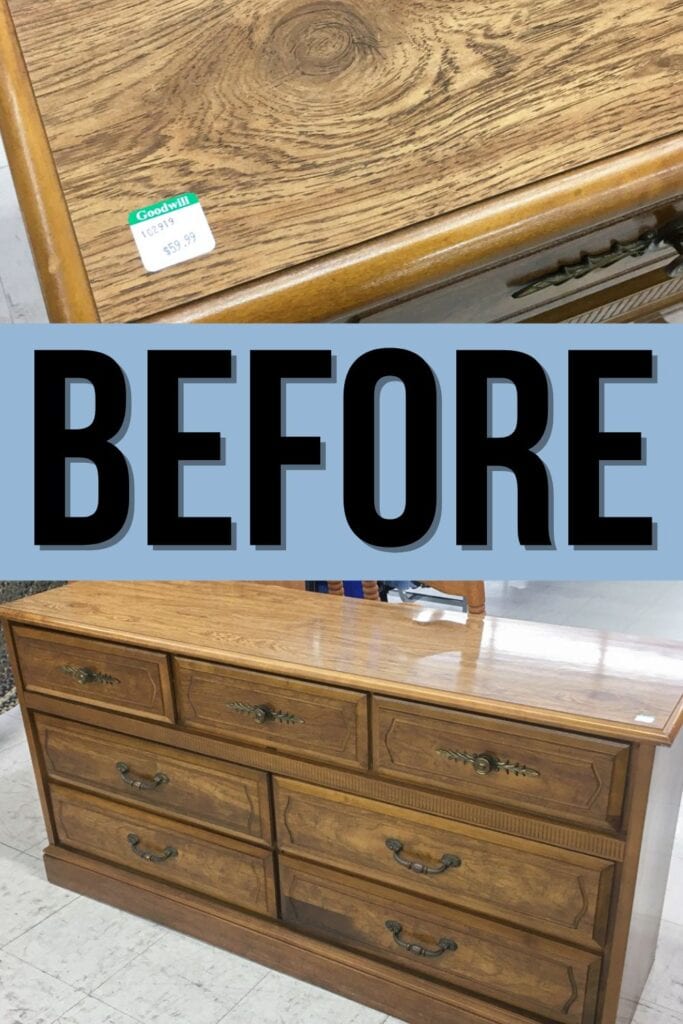
Real-life Example: Transforming A Glossy Laminate Dresser
Emma bought a secondhand, high gloss white dresser for $25. She wanted to paint it navy blue to match her bedroom.
- She cleaned the surface with TSP substitute, then rinsed and dried.
- She sanded with 220-grit sandpaper until the shine was gone.
- She wiped away dust with a tack cloth and masked the edges.
- Emma applied two thin coats of Zinsser Bulls Eye 1-2-3 primer, sanding lightly between coats.
- She used a foam roller to apply three coats of acrylic enamel in navy blue, with light sanding between each.
- After drying, she applied a water-based polyurethane topcoat.
- The result: A durable, even, and beautiful navy dresser that looks brand new.
Her total cost was $70, and the project took three days, mostly waiting for paint to dry.
Advanced Tips For A Pro Finish
- For super-smooth surfaces, use a paint sprayer. This reduces brush or roller marks.
- Warm, dry weather helps paint cure faster and reduces dust in the air.
- Use a color-blocking primer if covering dark or bold colors.
- Always test your process on the back or underside before painting the visible areas.
- Consider adding new hardware for an instant style upgrade.
Credit: arayofsunlight.com
Sustainability: Is Painting Laminate Eco-friendly?
Painting old laminate furniture keeps it out of landfills, reducing waste. Use low-VOC paints and primers for better air quality. Dispose of old paint, rags, and cleaners responsibly.
For more on low-VOC and eco-friendly painting, visit the EPA Safer Choice program.
Frequently Asked Questions
How Long Does Painted Laminate Furniture Last?
With proper preparation and sealing, painted laminate furniture can last 5–10 years. High-traffic pieces may need touch-ups sooner, but using a good primer and topcoat increases durability.
Can I Paint High Gloss Laminate Without Sanding?
Sanding is strongly recommended. Some products claim “no sanding needed,” but even a light scuff improves adhesion. Skipping sanding often leads to peeling or chipping later.
What If My Paint Is Peeling After A Few Weeks?
Peeling is usually caused by poor prep—oily residue, skipped sanding, or using the wrong primer. Sand the peeling area, clean, prime, and repaint.
Is Chalk Paint Good For High Gloss Laminate?
Chalk paint can work but must be sealed with wax or polyurethane. It’s easier to use but less durable than acrylic or alkyd paints without a protective topcoat.
Can I Use Spray Paint On High Gloss Laminate Furniture?
You can, but surface prep is still crucial. Use a bonding spray primer first, then multiple thin coats of spray paint. Spray paints can be tricky on large surfaces but work well for small items.
—
Giving high gloss laminate furniture a new look with paint is a rewarding project. The keys are thorough prep, using the right products, and being patient through each step. With these techniques, your furniture will look fresh and stay beautiful for years. Don’t rush, and you’ll be proud of the results every time you walk into the room.