
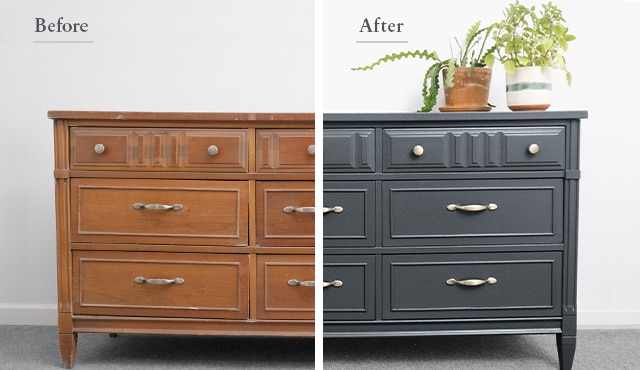
Painting manufactured wood can completely change the look and feel of your furniture, cabinets, or floors. Many people think painting manufactured wood is hard, or that paint will not stick. In reality, with the right steps, you can get a smooth and durable finish.
This article will guide you through every detail, from understanding manufactured wood to choosing the right materials, preparing your surface, and applying paint. You will learn tips, avoid common mistakes, and discover how to make your project last for years.
Understanding Manufactured Wood
Manufactured wood, also called engineered wood, is made from wood fibers, particles, or veneers glued together. Common types include MDF (medium-density fiberboard), particle board, and plywood. Each has its own structure and properties.
MDF is dense and smooth, which makes it a good base for paint. Particle board is made from wood chips and resin, so it has a rougher surface and can soak up moisture quickly. Plywood is layered and strong, but sometimes has visible grain or knots.
Manufactured wood is often cheaper and more available than solid wood. It is used for furniture, cabinets, shelving, doors, and even flooring. However, its surface is less forgiving. If you do not prepare it well, paint may peel or bubble.
Moisture is a problem too; some types swell or warp if water gets in.
Knowing your type of manufactured wood helps you pick the right primer, paint, and method. For example, MDF needs a special primer to block moisture, while plywood may need a filler to hide grain.
Why Painting Manufactured Wood Is Different
Painting manufactured wood is not like painting solid wood or drywall. The surface is often smooth or covered with laminate (a plastic-like layer). Paint does not always stick well to these surfaces without preparation. Also, manufactured wood can absorb paint unevenly, causing blotches or rough spots.
Another challenge is edge absorption. The cut edges of MDF or particle board soak up primer and paint much more than the flat surfaces. Without sealing, these edges may look fuzzy or swollen. You need to treat edges differently from flat panels.
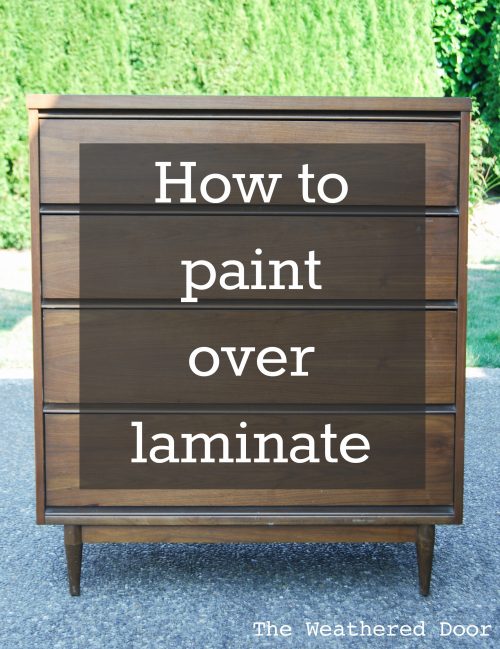
Finally, some manufactured wood furniture comes with a thin, shiny coating (called melamine or thermofoil). Paint will not stick to these unless you sand and prime them properly.
Understanding these differences is the first step to a great result.
Credit: www.benjaminmoore.com
Tools And Materials You Need
Having the right tools and materials makes painting manufactured wood much easier and faster. Here is a breakdown of what you will need for most projects:
- Sanding tools: A sanding block or electric sander, and sandpaper (120, 220, and 320 grit).
- Cleaning supplies: Mild soap, water, lint-free cloths, and tack cloth.
- Primer: Choose a stain-blocking primer (oil-based or shellac) for MDF, or a bonding primer for laminate.
- Paint: High-quality acrylic latex or enamel. Use alkyd paint for extra durability.
- Brushes and rollers: Synthetic brushes for water-based paint, foam rollers for smooth surfaces.
- Putty/filler: Wood filler or spackling compound for holes and joints.
- Painter’s tape: To protect edges and create clean lines.
- Drop cloths and gloves: To protect floors and your hands.
- Paint trays and stir sticks: For easy mixing and application.
- Respirator or mask: When sanding or using oil-based products.
- Sealer (optional): For extra protection, especially on tabletops or shelves.
Do not skip on quality. Cheap brushes can leave marks and bristles, and low-quality paint might chip. Investing in good materials saves time and frustration.
Choosing The Right Paint And Primer
The right primer and paint are essential for a lasting finish. Manufactured wood is not all the same, and each type may need a different approach.
Primer Types
- Oil-based primer: Best for blocking stains and sealing MDF or particle board. It stops the wood from soaking up moisture and paint.
- Shellac-based primer: Excellent stain-blocker, dries quickly, and works on almost any surface.
- Bonding primer: Specially made for shiny or laminate surfaces. It helps paint stick to plastic-like layers.
Paint Types
- Acrylic latex paint: Water-based, easy to clean, and low in odor. Good for furniture and cabinets.
- Enamel paint: Hard, durable finish. Great for high-use surfaces.
- Alkyd paint: Oil-based, very tough, and gives a smooth finish. Takes longer to dry but lasts longer.
Tips For Choosing
- For MDF: Use an oil or shellac primer to seal the surface. Top with enamel or acrylic latex.
- For laminate: Use a bonding primer first. Then paint with enamel or alkyd.
- For plywood: Any good wood primer works. Fill grain with wood filler if you want a super smooth finish.
Never skip the primer. It makes paint stick better, prevents stains, and stops wood from soaking up too much paint. Using the right primer is a common step beginners miss, and it is the difference between a smooth, lasting result and a peeling mess.
Preparing Manufactured Wood For Painting
Preparation is the most important part of painting manufactured wood. If you rush or skip steps, even the best paint will not last.
Clean The Surface
Start by removing all dirt, oil, and grease. Use a mild soap and water solution. Wipe with a damp cloth, then dry with a lint-free cloth. Grease or dust stops paint from sticking.
For old furniture, remove hardware like handles or knobs. Take out drawers if possible. Cover floors with drop cloths.
Sanding
Sanding creates a slightly rough surface so primer and paint can grip. Use 120-grit sandpaper for the first pass. Sand all flat areas, edges, and corners lightly. For laminate, sand enough to dull the shine, not remove the layer. For MDF, sand gently to avoid tearing the surface.
After sanding, wipe all dust with a tack cloth. Even small dust can cause bumps in the finish.
Filling And Repairing
Manufactured wood often has dents, holes, or joints. Use wood filler or spackling compound. Press it into holes, let it dry, then sand smooth with 220-grit paper.
Edges are a special concern for MDF or particle board. Seal them with a thin layer of primer or wood glue before painting. This prevents swelling.
Taping And Masking
Use painter’s tape to cover areas you do not want to paint, like glass panes or hardware. Press the tape down firmly to prevent leaks.
This careful prep is often skipped by beginners, but it makes a big difference.
Step-by-step Guide To Painting Manufactured Wood
Follow these steps to get a smooth, even, and professional look:
1. Sand And Clean Again
After filling and repairing, give the whole surface a final light sand with 220 or 320-grit paper. Remove dust with a tack cloth. The cleaner the surface, the better the paint will look.
2. Apply Primer
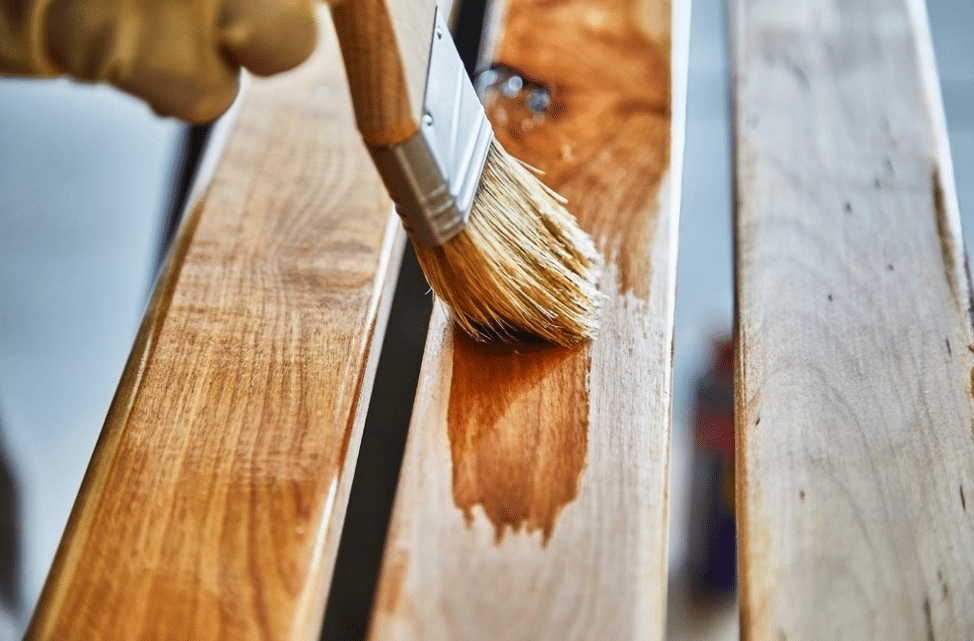
Use a high-quality brush or foam roller for primer. Apply a thin, even coat. Cover all surfaces, including edges and corners.
For MDF or particle board, pay extra attention to edges—apply a second coat if needed. Let the primer dry fully (check the label; usually 1-4 hours). Sand lightly with 320-grit paper after the primer dries, then wipe clean.
3. Paint The Surface
Stir your paint well. Use a synthetic brush for corners and edges, and a foam roller for flat areas. Apply thin coats for the smoothest finish.
Let the first coat dry fully (usually 4–6 hours for latex, longer for oil-based). Sand lightly between coats with 320-grit paper, then wipe away dust.
Apply a second (or third) coat as needed for full coverage. Do not rush; thick coats can drip or bubble.
4. Finish And Protect
Once the final coat is dry, check for touch-ups. Remove painter’s tape carefully. For high-use surfaces (like desks or kitchen cabinets), add a water-based polyurethane sealer for extra protection.
Allow your project to cure for several days before heavy use. Paint may feel dry but is not fully hard for a few days.
Credit: harborexports.com
Common Problems And How To Avoid Them
Painting manufactured wood can have challenges, but most issues can be prevented:
- Peeling paint: Usually from poor sanding or skipping primer. Always sand and prime well.
- Bubbles or blisters: Caused by painting over dust or not allowing layers to dry. Clean carefully and wait between coats.
- Rough edges: MDF and particle board edges need sealing and extra primer.
- Uneven color: Thin coats and proper drying avoid blotches. Mix paint well.
- Visible brush marks: Use foam rollers or high-quality brushes. Sand lightly between coats.
If you make a mistake, let the paint dry, sand smooth, and reapply.
Special Tips For Different Types Of Manufactured Wood
Manufactured wood is not all the same. Here are expert tips for the most common types:
Mdf
- Always seal cut edges with primer or glue before painting.
- Use a shellac or oil-based primer to block moisture.
- Sand gently to avoid damaging the smooth surface.
Particle Board
- Fill any chips or dents with wood filler.
- Use an oil-based primer to stop swelling.
- Handle carefully—particle board can crumble if sanded too hard.
Laminate
- Lightly sand to dull the surface; do not remove the laminate.
- Use a high-adhesion bonding primer.
- Thin coats of paint work best to avoid peeling.
Plywood
- Fill grain for a smooth look, or keep it for a natural style.
- Any wood primer works, but sand well for the best finish.
- Seal knots with shellac-based primer to prevent stains.
Credit: www.theweathereddoor.com
Comparing Paint And Primer Options
Choosing the best paint and primer can be confusing. Here is a quick comparison for manufactured wood projects:
| Type | Best For | Main Benefit | Drawback |
|---|---|---|---|
| Oil-Based Primer | MDF, Particle Board | Blocks stains, seals well | Strong smell, longer drying |
| Shellac Primer | MDF, Plywood, Knots | Dries fast, blocks stains | Expensive, harder cleanup |
| Bonding Primer | Laminate, Melamine | Sticks to glossy surfaces | May need 2 coats |
| Acrylic Latex Paint | Furniture, Cabinets | Easy to use, low odor | Not as tough as enamel |
| Enamel/Alkyd Paint | High-traffic areas | Very durable, smooth finish | Longer drying time |
How Long Does It Take?
Project time depends on size and drying times. Here is a basic estimate for a medium-sized bookshelf:
| Step | Time (hours) | Tips |
|---|---|---|
| Cleaning & Sanding | 1–2 | Don’t rush sanding |
| Priming | 1 (plus 2–4 dry) | Thin, even coat |
| Painting (2 coats) | 2 (plus 4–6 dry each) | Light sanding between coats |
| Sealing (optional) | 1 (plus 24 cure) | Use for tabletops |
Remember, drying times vary with weather and paint type.
Cost Breakdown And Saving Tips
Painting manufactured wood is affordable, especially compared to buying new furniture. Here is a cost breakdown for a typical project:
| Item | Low Cost | High Cost | Notes |
|---|---|---|---|
| Primer (quart) | $10 | $20 | Enough for 2–3 pieces |
| Paint (quart) | $15 | $30 | 2 coats on small shelf |
| Brushes/Rollers | $5 | $15 | Reusable if cleaned |
| Sandpaper | $3 | $8 | 3–4 sheets |
| Filler/Tape | $5 | $10 | Optional for repairs |
| Total | $38 | $83 |
You can save money by:
- Using leftover paint or primer from other projects.
- Cleaning and reusing brushes.
- Buying supplies in bulk if you have many items to paint.
Advanced Tips For A Professional Finish
If you want your painted manufactured wood to look like it was done by a pro, try these advanced tips:
- Use a paint sprayer: Gives the smoothest finish, but needs practice and prep.
- Add a paint conditioner: Helps paint level out, reducing brush marks.
- Wet sand between coats: Use very fine sandpaper (400-grit), slightly damp, for a glass-smooth result.
- Tint your primer: Ask the paint store to tint primer to match your paint color. This gives better coverage.
- Disassemble furniture: Take shelves or doors off for easier, cleaner painting.
These steps take more time but can make even cheap furniture look high-end.
Safety Considerations
Some primers and paints, especially oil-based or shellac, have strong fumes. Always paint in a well-ventilated area. Wear a respirator or mask when sanding, priming, or painting. Keep children and pets away until all surfaces are dry.
Dispose of leftover paint and solvents according to local rules. Never pour them down the drain.
Mistakes To Avoid
Beginners often make these errors:
- Skipping sanding and cleaning.
- Using regular wall paint (too soft for furniture).
- Not sealing MDF edges.
- Painting thick, wet coats (causes drips).
- Rushing between coats.
If you notice a problem, let the paint dry, sand out flaws, and try again. Patience pays off.
Real-life Example: Painting A Laminate Bookshelf
Imagine you have a shiny, outdated laminate bookshelf. Here’s how you could transform it:
- Remove shelves and hardware. Clean with soapy water.
- Lightly sand all surfaces to remove shine.
- Wipe with a tack cloth.
- Apply a bonding primer. Let dry and sand lightly.
- Paint with two thin coats of acrylic enamel. Sand between coats.
- Let dry fully, then reassemble.
This bookshelf will look new, and the finish will resist scratches and chips.
Caring For Painted Manufactured Wood
A well-painted surface can last for years if you take care of it:
- Clean gently with a damp cloth; avoid harsh cleaners.
- Use coasters or pads under hot or wet items.
- Touch up chips or scratches quickly to prevent peeling.
- Avoid dragging heavy objects across painted surfaces.
If you use a sealer, wait at least a week before heavy use to let it cure fully.
When To Hire A Professional
Large projects, like kitchen cabinets or built-in shelving, can be overwhelming. If you want a perfect finish, or if you have allergies to paint fumes, consider hiring a pro. Professionals have spray equipment and know how to get flawless results.
For most small projects, you can get great results at home with care and patience.
Where To Learn More
For deep dives on paint types and advanced techniques, check resources like This Old House. They offer guides, videos, and expert advice on painting all types of wood surfaces.
Frequently Asked Questions
Can I Paint Manufactured Wood Without Sanding?
It is not recommended. Even with bonding primer, light sanding helps paint stick and prevents peeling. Skipping sanding is a common cause of paint failure.
What Is The Best Paint For Manufactured Wood?
Acrylic enamel or alkyd paint works best for durability. Always use a primer made for your specific surface (oil-based for MDF, bonding for laminate).
How Do I Stop Mdf Edges From Swelling When Painting?
Seal edges with primer, wood glue, or even CA glue before painting. Apply two coats of primer to edges, sanding between each.
How Long Should I Wait Between Coats?
Wait at least 4–6 hours between coats for latex paint, and 8–24 hours for oil-based. Check the paint can for exact times. Rushing can cause smudges or peeling.
Can I Use Spray Paint On Manufactured Wood?
Yes, but only if you use a proper primer first. Spray paint is fast and smooth but offers less control. Use light, even coats and spray in a ventilated area.
Painting manufactured wood is a great way to refresh your space without spending much money. With careful prep, the right materials, and patience, you can achieve a finish that looks beautiful and lasts for years.