
Painting a TV stand is a simple way to change the look of your living room without buying new furniture. You might want a fresh color, to cover up scratches, or match your TV stand with your updated decor. Doing it yourself saves money and lets you pick any color or finish you want.
Many people think painting furniture is hard or takes too much time. But with the right steps, even a beginner can get a smooth, professional finish.
This guide walks you through every part of painting a TV stand. You’ll learn how to choose the best paint, prepare the surface, avoid mistakes, and finish with a durable topcoat. You’ll also find tips for different materials—wood, laminate, metal, and more.
Whether your TV stand is old or new, large or small, you’ll discover how to make it look amazing. Let’s get started.
Why Paint Your Tv Stand?
A TV stand is often the centerpiece of a living room. Over time, it can show scratches, stains, or faded colors. Painting your TV stand has many benefits:
- Cost-effective update: Instead of buying a new piece, you can give your old stand a new life for a fraction of the price.
- Personal style: Choose colors or patterns that match your home or express your personality.
- Repair and protection: Paint covers imperfections and can protect the surface from future damage.
- Eco-friendly choice: Reusing furniture reduces waste and is better for the environment.
If you’ve never painted furniture before, you might worry about making mistakes. The good news is, painting a TV stand is a manageable project—even for beginners—if you follow the right steps.
Types Of Tv Stands And Paint Compatibility
Not all TV stands are made from the same material. Before you start, identify what your stand is made of:
| Material | Common Finishes | Paint Compatibility |
|---|---|---|
| Solid Wood | Varnish, stain, paint | Excellent for most paints |
| Veneer | Thin wood layer on particleboard | Works well with prep |
| Laminate | Plastic-like coating | Needs special primer |
| Metal | Powder coat, paint | Requires metal primer |
| Glass | Clear or frosted | Needs special paint |
Pro tip: If your TV stand is laminate or metal, don’t skip priming. Regular wall paint may not stick well, leading to peeling.
Planning Your Project
Painting furniture takes time and patience. Good planning helps avoid common mistakes. Here’s what to consider:
- Choose your color and finish: Matte, satin, semi-gloss, or gloss—each has a different look and durability. Gloss is easy to clean but shows fingerprints. Matte hides flaws but is harder to wipe.
- Pick the right paint: For most stands, use acrylic latex paint or chalk paint. For laminate or metal, use a bonding primer and paint made for that surface.
- Plan your workspace: Paint in a well-ventilated area, away from dust and pets. Lay down a drop cloth or old sheets to protect your floor.
- Schedule enough time: You’ll need to wait for primer, paint, and topcoat to dry. Most projects take 2–3 days from start to finish.
Beginner mistake: Rushing between coats. Always let each layer dry fully for the best finish.
Supplies You’ll Need
Gather all supplies before you start. This prevents interruptions and helps you finish faster. Here’s a list of the essentials:
- Screwdriver (to remove hardware/doors)
- Medium and fine-grit sandpaper (120, 220)
- Tack cloth or damp rags
- Painter’s tape
- Drop cloth or old sheets
- Quality paintbrushes (2–3 inch angled, small detail brush)
- Small foam roller (for smooth surfaces)
- Primer (bonding primer for laminate/metal)
- Paint (acrylic latex, chalk paint, or spray paint)
- Topcoat or sealer (polycrylic, polyurethane, or wax)
- Optional: Wood filler, putty knife, respirator mask
Having the right tools makes the process easier and your results better.
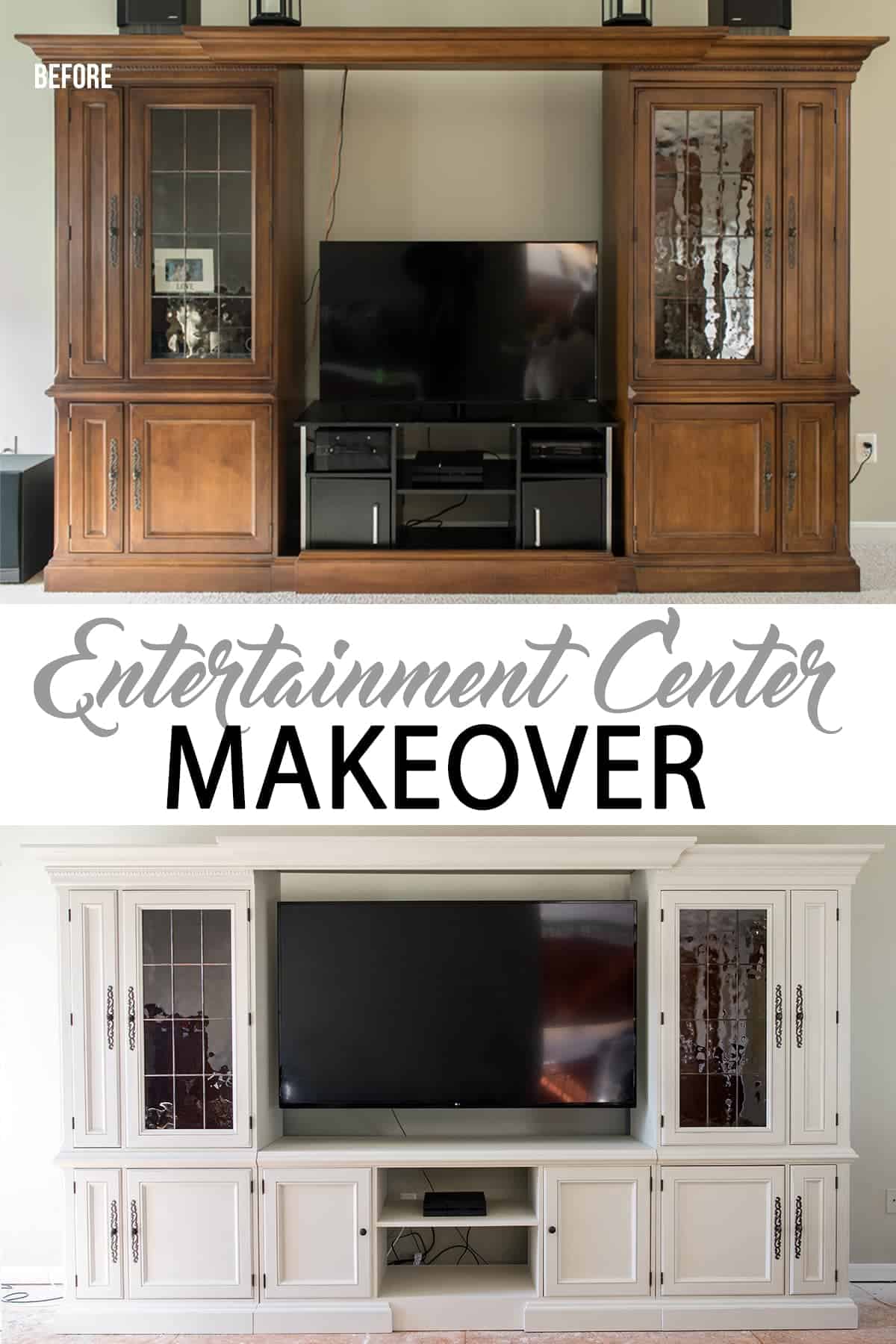
Credit: www.cravingsomecreativity.com
Prepping The Tv Stand
Preparation is the most important step in painting furniture. Skipping this step can cause paint to peel, bubble, or look uneven.
1. Remove Hardware And Doors
Take off all handles, knobs, hinges, and doors. Place screws and hardware in a labeled bag so you don’t lose them. Removing these parts helps you paint every surface and avoid messy edges.
2. Clean Thoroughly
Dust, dirt, and oil stop paint from sticking. Clean your stand with a mild soap and water solution. For sticky or greasy spots, use a degreaser like TSP (trisodium phosphate). Let it dry completely.
3. Repair Damage
Check for scratches, dents, or holes. Fill small holes and scratches with wood filler or putty. Smooth with a putty knife. Let it dry, then sand the area until it’s flat and smooth.
4. Sand The Surface
Sanding gives the paint something to grip. For wood or veneer, start with medium-grit (120) sandpaper, then finish with fine-grit (220). Sand by hand or with a sanding block. For laminate, sand lightly just to scuff the surface—don’t sand through the plastic layer.
Tip: Wipe away dust with a tack cloth or damp rag after sanding.
5. Protect Areas You Don’t Want Painted
Use painter’s tape to cover edges, glass panels, or sections you want to keep paint-free. Taping helps create sharp, clean lines.
Priming: The Secret To Long-lasting Paint
Primer prepares the surface and helps paint stick better. It also blocks stains and old colors from showing through.
- For wood: Use a stain-blocking primer if the wood is dark or has knots.
- For laminate or metal: Use a bonding primer made for slick surfaces.
- For previously painted surfaces: Light sanding and a quality primer usually work.
Apply primer with a brush for corners and a roller for flat surfaces. Let it dry according to the instructions (usually 1–4 hours).
Common mistake: Skipping primer, especially on laminate. This usually leads to peeling or chipping paint after a few months.
Choosing The Right Paint
Your choice of paint affects how your TV stand looks and how long it lasts. Here’s a quick comparison of popular types:
| Paint Type | Best For | Pros | Cons |
|---|---|---|---|
| Acrylic Latex | Wood, veneer | Easy to use, durable, low odor | May need topcoat for heavy use |
| Chalk Paint | Wood, laminate | Trendy matte finish, no need to sand | Needs wax or sealer, can mark easily |
| Spray Paint | Metal, small items | Even finish, fast drying | Hard to control, needs good ventilation |
| Oil-based | Wood, metal | Very durable, smooth finish | Strong smell, long drying time |
Insight: For most living rooms, acrylic latex or chalk paint is best. Chalk paint is popular for a vintage look, while acrylic latex gives a classic, easy-clean finish.
Painting Techniques For A Flawless Finish
How you apply paint matters as much as the type you choose. Here are proven tips for a smooth result:
- Start with edges and corners: Use an angled brush for detail work. Paint these areas first, then do the larger flat surfaces with a roller.
- Thin, even coats: Avoid thick layers, which can drip or look uneven. Two or three thin coats are better than one thick one.
- Let each coat dry fully: Follow the manufacturer’s drying times. Usually, wait 2–4 hours between coats.
- Sand lightly between coats: Use fine-grit sandpaper (220) to smooth out bumps. Wipe away dust before the next coat.
- Check for missed spots: After each coat dries, inspect your work in good light. Touch up any thin or missed areas.
Pro tip: Using a foam roller on large, flat surfaces gives a factory-smooth look.
Special Tips For Different Materials
Not all TV stands need the same treatment. Here’s how to handle common materials:
Wood
- Sand well to remove old finish or gloss.
- Use wood filler for deep scratches.
- Seal knots with shellac-based primer to stop sap stains.
Veneer
- Sand gently; veneer is thin and can wear through.
- Use a bonding primer if the old finish is shiny.
- Avoid soaking veneer with water when cleaning.
Laminate
- Scuff lightly with sandpaper; don’t remove the plastic layer.
- Always use a special bonding primer.
- Avoid oil-based paint, which may not cure on plastic.
Metal
- Remove rust with a wire brush or sandpaper.
- Wipe with alcohol to remove oils.
- Use a primer made for metal; spray paint works best for even coverage.
Glass
- Only paint glass if you want an opaque look.
- Use spray paint made for glass surfaces.
- Mask off surrounding areas very carefully.
Adding Color, Patterns, Or Texture
Painting doesn’t mean you must use just one color. Many people add creative touches:
- Two-tone: Paint the body one color and the drawers or shelves another.
- Ombre: Blend one color into another from top to bottom.
- Stencils: Add patterns or shapes using a stencil and contrasting paint.
- Distressing: Lightly sand edges after painting for a vintage look.
- Texture: Use a textured roller or chalk paint for a unique feel.
These details make your TV stand truly one-of-a-kind. If you’re new to painting, start simple—solid colors are easier and always look classic.
Applying A Topcoat For Durability
A painted TV stand sees a lot of action—TV remotes, game consoles, decorations, and dusting. Adding a clear topcoat helps your paint job last longer.
Choosing A Topcoat
- Polycrylic: Water-based, dries clear, doesn’t yellow. Good for light colors.
- Polyurethane: Oil-based version is very tough but can yellow over time. Use water-based for light paints.
- Wax: Used with chalk paint for a soft, matte finish. Needs reapplying every year or so.
Apply the topcoat with a clean brush or roller in thin, even layers. Let it dry fully between coats (usually 2–4 hours). For busy homes or if you have kids and pets, two coats of polycrylic or polyurethane protect best.
Non-obvious insight: Some paints claim to be “all-in-one” with built-in primer and topcoat. While they save time, a separate primer and clear coat still give the longest-lasting results, especially on high-touch furniture like TV stands.
Reattaching Hardware And Final Touches
Once your paint and topcoat are dry (wait at least 24–48 hours for full curing), it’s time to finish up:
- Remove painter’s tape carefully to avoid peeling fresh paint.
- Reinstall doors, shelves, and hardware. If you want a new look, replace knobs or handles with modern designs.
- Let the piece “cure”: Even after it feels dry, paint and topcoat can take up to 30 days to fully harden. Avoid heavy use or cleaning during this time.
- Touch up as needed: Keep a small amount of leftover paint for future touch-ups.
Now your TV stand is ready to return to its place of honor!
Common Mistakes To Avoid
Many beginners make the same errors when painting furniture. Here’s how to avoid them:
- Skipping prep work: Not cleaning or sanding leads to peeling paint.
- Using the wrong paint: Wall paint or craft paint won’t last on furniture.
- Not letting layers dry: Rushing between coats causes bubbles and smudges.
- Painting in humid or dusty conditions: Moisture or dust ruins the finish.
- Applying thick coats: This causes drips and uneven drying.
- Ignoring the topcoat: Skipping this step means the finish will wear out faster.
- Not protecting your workspace: Paint can stain floors and walls if you don’t use a drop cloth.
Advanced insight: If you see “bleed-through” (yellow or brown spots), especially on old wood, use a shellac-based primer before repainting.
How To Care For Your Painted Tv Stand
A little maintenance keeps your TV stand looking fresh for years:
- Dust with a soft cloth: Avoid rough sponges or scrubbers.
- Clean spills quickly: Use a damp cloth and mild soap—no harsh chemicals.
- Protect from heat: Don’t place hot electronics or drinks directly on the surface.
- Use felt pads: Under decorations or electronics to prevent scratches.
- Reapply topcoat: Every few years if the finish starts to wear.
Painting your TV stand is an investment in your space. With simple care, your hard work will last.

Credit: belleze.com
Real-life Example: Transforming An Old Tv Stand
Let’s look at a real example. Maria bought a second-hand TV stand for $25. It was sturdy but scratched and an ugly orange-brown color. Here’s how she changed it:
- Preparation: She removed the doors, cleaned the stand, and filled scratches with wood filler.
- Sanding: She sanded every surface, including the shelves.
- Priming: Maria used a stain-blocking primer to cover the old color.
- Painting: She chose a cool gray acrylic latex paint and applied three thin coats, sanding lightly between each.
- Topcoat: Two coats of polycrylic made the finish tough and easy to wipe.
- Hardware: She replaced the old handles with modern black knobs.
Maria’s total cost was about $60, including supplies. Her TV stand now looks modern, matches her living room, and feels brand new.
Troubleshooting: Fixing Painting Problems
Even with care, problems can happen. Here’s how to fix the most common issues:
- Peeling paint: Usually from poor prep. Sand the area, prime, and repaint.
- Bubbles or blisters: Caused by painting in humid conditions or over dust. Sand smooth, let dry, and repaint.
- Brush marks: Use a foam roller on flat surfaces. Sand lightly between coats.
- Drips or runs: Sand after drying. Apply thinner coats next time.
- Sticky finish: Happens if paint or topcoat isn’t fully dry. Give it more time before use.
Don’t be discouraged—most problems are easy to fix if caught early.
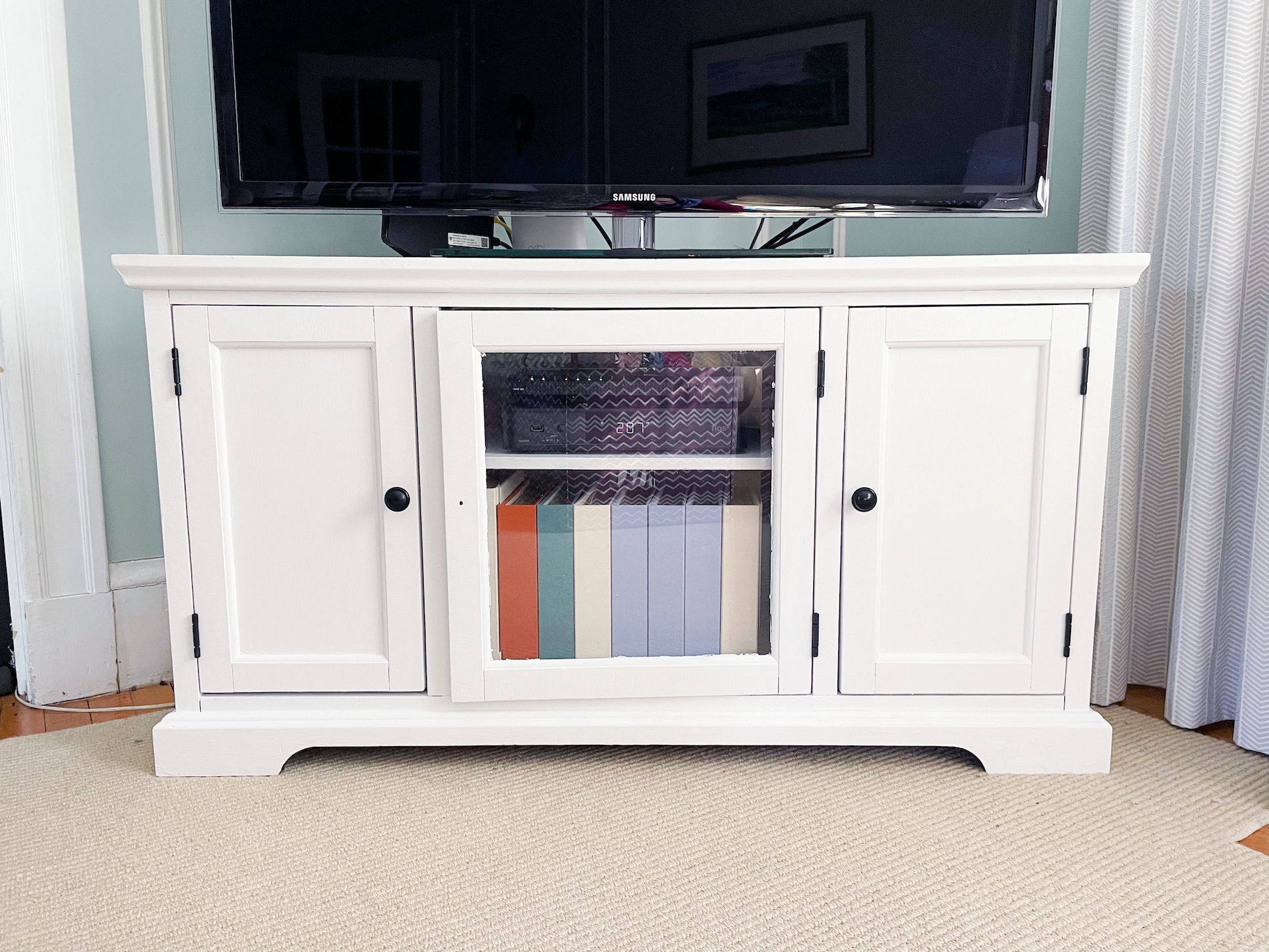
Credit: whitneysowles.com
Table: Quick Comparison Of Paint And Topcoat Choices
Here’s a handy guide to help you choose:
| Material | Recommended Paint | Recommended Topcoat |
|---|---|---|
| Wood | Acrylic latex, chalk paint | Polycrylic or polyurethane |
| Laminate | Bonding primer + acrylic latex | Polycrylic |
| Metal | Spray paint for metal | Polyurethane |
| Glass | Spray paint for glass | Not needed |
If you’re unsure, ask at your local hardware store—they can recommend brands that work well for furniture.
Eco-friendly And Safe Painting Tips
Painting indoors can be messy and sometimes unsafe, especially with children or pets. Here’s how to stay safe and green:
- Ventilate well: Open windows, use a fan, and wear a mask if using spray paint.
- Choose low-VOC paints: These have fewer chemicals and less odor.
- Dispose of paint properly: Don’t pour leftover paint down the drain. Many cities have recycling programs.
- Reuse supplies: Clean brushes and rollers for future projects.
If you want more on eco-friendly paints, check out the EPA’s advice on safer paint choices at EPA Safer Choice.
Frequently Asked Questions
How Long Does It Take To Paint A Tv Stand?
Most projects take 2–3 days from start to finish. This includes cleaning, sanding, priming, painting, drying between coats, and adding a topcoat. If you rush, the finish might not last as long.
Can I Paint A Tv Stand Without Sanding?
Sanding is important for most surfaces, especially glossy finishes. Some chalk paints claim you can skip sanding, but a light scuff will always help paint stick better and last longer.
What Kind Of Paint Should I Use For A Laminate Tv Stand?
Use a high-quality bonding primer first, then acrylic latex paint. Avoid oil-based paints, as they may not cure well on laminate. Always finish with a polycrylic topcoat for durability.
How Do I Avoid Brush Marks?
Use a foam roller on large, flat surfaces and a high-quality brush for corners. Sand lightly between coats to smooth out any marks. Thin paint is less likely to leave brush streaks.
How Long Should I Wait Before Using My Painted Tv Stand?
Wait at least 24–48 hours after the final coat of paint or topcoat before gentle use. For the hardest, most durable finish, wait up to 30 days for the paint and topcoat to fully cure before heavy use or cleaning.
Transforming your TV stand with paint is a satisfying project that can make your living room feel brand new. With the right steps, attention to detail, and a little patience, you’ll create a piece you’re proud to show off for years to come.