
When you buy a recliner, you expect comfort and convenience. But what if the recliner handle breaks or goes missing? Many people find themselves stuck, unable to relax because their favorite chair won’t open. This situation can be frustrating, especially if you have mobility issues or simply want to enjoy your evening. The good news is, you can still open a recliner without its handle. There are several practical ways to do it, and you don’t need special skills or tools for most of them.
This guide will walk you through simple, step-by-step methods to open your recliner even when the handle is gone. We’ll also explain how different recliner mechanisms work, what tools you might need, and how to avoid damaging your chair. Along the way, you’ll find tips that most people miss—like the importance of understanding your recliner’s release type and how to prevent future handle problems.
Whether your chair uses a lever, a pull handle, or has a hidden latch, you’ll be ready to handle it.
Let’s get into all the practical solutions, so you don’t have to give up your comfort just because of a small missing part.
Understanding Recliner Mechanisms
Before you try to open a recliner without a handle, it helps to know how these chairs work. Recliners come in different types, but most use a mechanical release system that lets the backrest recline and the footrest pop up. When you pull or push the handle, it triggers an internal lever or rod. This releases a lock or moves a spring, making the chair recline.
There are three main types of mechanisms:
- Lever-operated: The classic side handle, usually a wooden or plastic lever.
- Pull handle: A cord or strap, often hidden between the seat and arm.
- Push-back: No visible handle; you push with your body weight.
If your handle is missing, you need to trigger the internal mechanism directly. The method depends on your chair’s design. Some recliners also have electric motors, but this guide focuses on manual recliners.
Knowing your mechanism is important. For example, a push-back recliner can often be opened by simply leaning back, while a lever-operated one might need a tool to reach the release rod. If you’re unsure, look under the chair or check your user manual.
Safety First: Preparing To Open Your Recliner
It’s easy to get frustrated and try to force your recliner open. However, using too much force can break the internal parts or hurt your fingers. Here’s how to get ready safely:
- Clear the area: Move any objects away from the chair.
- Check for sharp edges: If the handle broke off, pieces might be sharp.
- Wear gloves: Protect your hands when reaching under the seat.
- Unplug electric recliners: If yours has power, always unplug before working.
- Have a flashlight: It helps you see inside dark areas.
This preparation makes the process smoother and lowers the risk of injury.
Method 1: Manually Releasing The Mechanism
Most manual recliners have a metal rod or lever inside, right where the handle used to connect. You can open the chair by moving this part directly.
Steps To Open:
- Locate the opening: Find where the handle was attached. Usually, there’s a small hole or slot.
- Feel for the release rod: Use your fingers (with gloves) or a flashlight to look inside.
- Use a tool: A flathead screwdriver, pliers, or even a butter knife can help reach the release rod.
- Move the rod: Gently push or pull the rod in the same direction the handle moved. You might feel or hear a click.
- Lean back: Once the mechanism is released, lean back to recline the chair.
Practical Example
Suppose your handle broke off, leaving a small metal part inside. Insert a screwdriver into the hole, and gently push the rod forward. The footrest should pop up, and you can recline as usual.
Common Mistakes
- Using too much force—this can bend the mechanism.
- Not checking for leftover handle pieces, which might block the rod.
- Forgetting to support the chair; sudden movement can tip it.
Method 2: Accessing The Release Mechanism From Underneath
Sometimes, the side access is blocked or too damaged. In this case, you can work from below.
Steps To Open:
- Tilt the chair forward: Place the backrest on the floor, exposing the bottom.
- Locate the mechanism: Look for a metal bar running parallel to the seat.
- Find the connecting rod: This rod links the handle to the footrest mechanism.
- Move the rod: Use your hand or a tool to manually pull or push the rod.
- Return the chair upright: Once open, carefully set the chair back.
Practical Example
For a recliner with a broken handle and missing side cover, tilting the chair reveals the linkage. Pulling this rod releases the footrest. This method is especially useful if the side is not accessible.
Safety Tip
Make sure the chair is stable when tilted. Ask someone to hold it if needed.

Credit: www.wikihow.com
Method 3: Using A Replacement Tool Or Temporary Fix
If you plan to use your recliner often before replacing the handle, a temporary fix helps. You can use a wrench, socket driver, or even a looped zip-tie.
Steps To Open:
- Choose your tool: A wrench often fits over the exposed rod.
- Attach the tool: Secure it to the rod where the handle was.
- Operate like a handle: Move the tool in the same way you’d move the original handle.
- Remove after use: Take off the tool to avoid injury.
Non-obvious Insight
Many people overlook zip-ties. You can loop a strong zip-tie through the hole, creating a pull handle. This keeps your fingers safe and works almost like the original.
Example
A homeowner used a socket wrench on the recliner rod for weeks until a replacement part arrived. The tool gave good leverage and was easy to remove.
Method 4: Push-back Recliners
Some recliners don’t have handles by design. They open by shifting your body weight.
Steps To Open:
- Sit upright: Place your feet firmly on the ground.
- Lean back slowly: Apply steady pressure on the backrest.
- Lift your feet: The footrest should pop up as you recline.
- Adjust position: Stop when you reach the desired angle.
Common Mistake
People often push too hard, making the chair slide or tip. Always recline gently and avoid sudden movements.
Extra Tip
If your push-back recliner feels stiff, check for debris or tight joints underneath. Lubricating the moving parts can help.
Method 5: Pull Handle Models
Some recliners have a pull cord or strap instead of a lever. If the handle is missing but the cord is still there, you can improvise.
Steps To Open:
- Find the cord: Look between the seat and armrest.
- Grip the cord: Use pliers or wrap with cloth for better hold.
- Pull firmly: The mechanism should release, letting the footrest pop up.
- Replace with a new cord: If the cord is frayed, use a shoelace as a temporary fix.
Real-world Example
A user tied a piece of rope to the original pull mechanism, creating a simple replacement. This solution lasted for months without issue.
Method 6: Opening Electric Recliners Without Handle
Some electric recliners also have manual releases for emergencies. Always check your manual first.
Steps To Open:
- Unplug the chair: Safety first.
- Look for a manual lever: Some have a small handle or button underneath.
- Use a tool if needed: Gently move the lever to release the footrest.
- If stuck, do not force: For electric models, forcing the mechanism can break the motor.
Non-obvious Insight
Many electric recliners have a battery backup or a small release lever, but users don’t know about it. Always check for labels or diagrams under the seat.
Tools That Can Help
Having the right tool makes the process easier and safer. Here are some common items you might need:
- Flathead screwdriver: Best for moving rods or levers.
- Pliers: Useful for gripping cords or metal parts.
- Flashlight: To see inside the mechanism.
- Zip-ties or rope: For making temporary handles.
- Gloves: To protect your hands.
Here’s a quick look at tool effectiveness:
| Tool | Best For | Ease of Use | Availability at Home |
|---|---|---|---|
| Flathead Screwdriver | Moving rods | Easy | Very Common |
| Pliers | Gripping cords | Medium | Common |
| Zip-tie/Rope | Making handles | Easy | Common |
| Socket Wrench | Turning rods | Medium | Less Common |
When To Call For Professional Help
Most people can open a recliner without a handle using the methods above. However, sometimes the problem is more serious.
Consider calling a professional if:
- Internal parts are broken or bent
- The chair is stuck and won’t move at all
- You hear grinding or snapping sounds
- The recliner is very expensive or under warranty
A technician can fix or replace the mechanism without causing more damage. For high-end recliners, this can save money in the long run.
Preventing Future Recliner Handle Problems
Once you’ve opened your recliner, it’s smart to prevent future issues. Handles break for several reasons, but you can avoid most of them.
- Don’t force the handle: If it feels stiff, stop and check for obstructions.
- Lubricate moving parts: Use a silicone spray or light oil every 6 months.
- Check screws and bolts: Tighten loose parts before they fall out.
- Teach gentle use: Remind family and guests not to yank or lean on the handle.
- Replace worn handles promptly: Don’t wait for a complete break.
Table: Common Causes And Prevention
| Cause of Handle Failure | How to Prevent |
|---|---|
| Wear and tear | Regular inspection and timely replacement |
| Excessive force | Gentle operation and user education |
| Poor lubrication | Apply lubricant twice a year |
| Loose screws/bolts | Check and tighten every few months |
Buying A Replacement Handle
While you can open your recliner without a handle, it’s not a long-term solution. Replacement handles are affordable and easy to install.
How To Choose The Right Handle
- Know your recliner brand and model: Handles are not universal.
- Measure the shaft size: Check the diameter and length.
- Check screw type: Some use Phillips, others flathead.
- Look for metal handles: They last longer than plastic.
- Read reviews: Some brands have better replacement parts.
Common Mistake
Buying the cheapest handle often leads to quick breakage. Investing a few extra dollars can prevent repeat problems.
Example
A customer with a popular recliner brand bought a handle directly from the company’s website. The part fit perfectly, and the installation took less than 10 minutes.

Credit: www.youtube.com
Installing A New Handle
Once you have the right part, installation is usually straightforward.
Steps To Install:
- Remove any broken pieces: Make sure the area is clean.
- Align the new handle: Match the holes with the mechanism.
- Insert screws: Tighten securely, but don’t overtighten.
- Test the handle: Open and close the recliner several times.
If you’re unsure, look for video guides for your exact model. Many manufacturers offer instructions online.
Special Cases: Hidden Or Custom Recliner Mechanisms
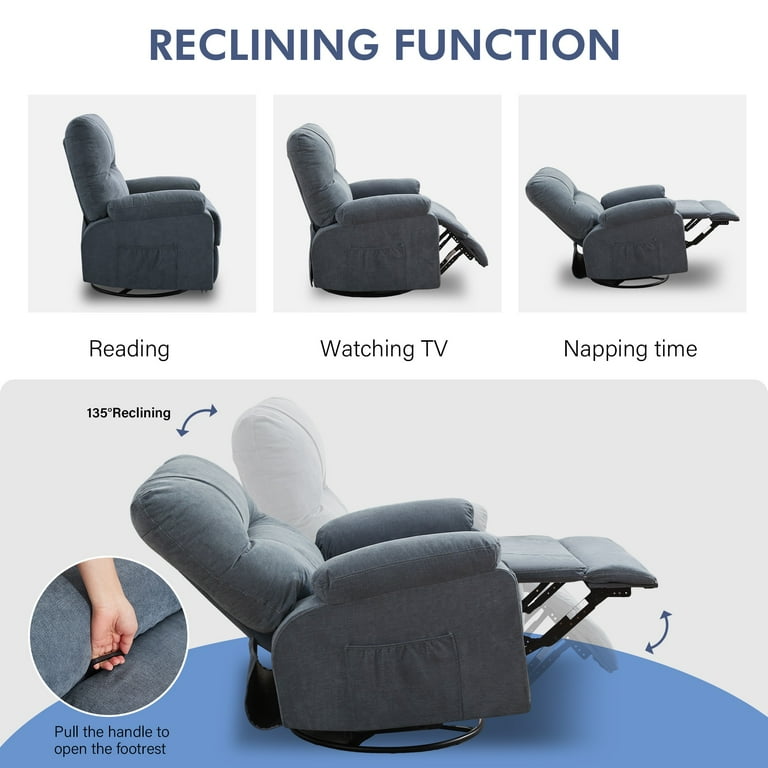
Some recliners have unique designs or hidden mechanisms. For example, high-end chairs might use a button inside the armrest or have a spring-loaded release under the seat.
Tips For Opening Custom Recliners
- Check for hidden levers: Feel around the sides and underneath.
- Read the manual: If you still have it, check for “emergency open” instructions.
- Contact the manufacturer: They can often send diagrams or support.
Example
A luxury recliner had a release button hidden under a fabric flap. The owner only found it after calling customer service.
Credit: www.walmart.com
What If The Recliner Is Jammed?
If you try all the above methods and the recliner still won’t open, the mechanism might be jammed.
Possible Reasons:
- Foreign object stuck inside
- Bent or broken rod
- Disconnected linkage
- Rust or lack of lubrication
What To Do
- Inspect carefully: Use a flashlight to look for objects or damage.
- Try lubricating joints: Sometimes this frees up stuck parts.
- Do not force: Forcing a jammed chair can break it beyond repair.
- Call a technician: Especially if the chair is valuable.
Maintenance Tips For Long-term Use
A well-maintained recliner can last for years. Here’s what you should do:
- Clean the mechanism regularly: Vacuum out dust and debris.
- Lubricate every 6 months: Use products designed for moving furniture.
- Check for loose parts: Tighten as needed.
- Test the recliner: Open and close it every week to keep parts moving.
- Replace worn parts: Handles, cords, or springs should be replaced as soon as you notice wear.
Regular care prevents most problems and keeps your chair comfortable.
Comparing Opening Methods
To help you decide which method to try, here’s a quick comparison:
| Method | Ease of Use | Tools Needed | Best For |
|---|---|---|---|
| Manual Release (Side) | Easy | Screwdriver, pliers | Broken lever-type handles |
| Underneath Access | Medium | Flashlight, pliers | Hidden or blocked mechanisms |
| Temporary Tool Fix | Easy | Wrench, zip-tie | Waiting for replacement handle |
| Push-Back | Very Easy | None | No-handle recliners |
| Pull Handle Models | Easy | Rope, pliers | Chairs with cord or strap |
Hidden Insights Most People Miss
Many articles skip these important details:
- Handle compatibility varies by brand: Always check your model before buying a replacement.
- Temporary fixes can last longer than you think: Zip-ties or wrenches are not just “emergency” solutions—they can keep your chair working for months.
- Lubrication prevents many handle failures: Most handle breaks start with stiff or dry mechanisms.
- Manual releases on electric recliners: Many users don’t realize their power recliner has a backup manual release—check your manual or the underside of the chair.
- Professional repair can save money: For high-end recliners, a quick repair is cheaper than a full replacement.
Additional Resources
If you want more detail on recliner repairs, check out guides from furniture brands or home improvement sites. The Wikipedia recliner page also has useful background on different recliner types and mechanisms.
Frequently Asked Questions
How Can I Tell What Kind Of Recliner Mechanism I Have?
Look under your chair or check the user manual. Most recliners use a lever, pull handle, or push-back system. If you see a metal rod or cord where the handle was, it’s likely a lever or pull-handle type. Electric recliners usually have buttons or remotes.
Can I Open A Recliner Without Any Tools?
Yes, if your recliner is a push-back model or still has a pull cord. For lever-operated chairs with no handle, you’ll likely need a screwdriver or pliers to reach the internal release.
Will Forcing The Recliner Open Damage It?
Using too much force can bend or break the internal mechanism. Always move slowly and gently. If the chair is stuck, check for jams or call a technician.
Are Replacement Handles Universal?
No, most handles are made for specific brands or models. Check your recliner’s brand, model, and shaft size before buying. Universal handles exist, but they may not fit securely.
What Should I Do If My Recliner Won’t Open After Trying All Methods?
If none of the methods work, your recliner may be jammed or have a broken mechanism. Inspect for visible damage and try lubricating moving parts. If still stuck, it’s best to call a professional repair service.
Opening a recliner without a handle is possible and often easier than you think. By understanding your chair’s mechanism and using simple tools, you can keep enjoying your favorite seat even when small parts break. With a bit of care and maintenance, your recliner can remain comfortable and reliable for years to come.