
Washing your clothes should leave them feeling fresh and smelling wonderful, but sometimes, that’s not the case. You might pull your laundry out of the machine and notice a musty or sour scent. This can be frustrating, especially if you want to smell clean and confident throughout your day.
The good news is, you can change this with a few smart habits and techniques. Whether you’re dealing with tough odors, want to boost the scent of your favorite laundry detergent, or just want your clothes to smell their best, there are proven methods to make every load a pleasure to wear.
Let’s explore the steps, products, and insider tips that help your clothes smell good in the wash every time. You’ll also learn why some common mistakes make laundry smell worse and how to avoid them. With a little attention to detail, you can transform your laundry routine and enjoy long-lasting freshness.
Why Clothes Sometimes Smell Bad After Washing
Many people think washing alone will remove all odors. But sometimes, even freshly washed clothes can smell musty, sour, or just not clean. This happens for a few key reasons:
1. Washing Machine Problems: A dirty or moldy machine spreads bad smells onto your clothes, even after washing.
2. Too Much Detergent: Using extra soap doesn’t mean cleaner clothes. Instead, it can leave residue that traps bacteria and odor.
3. Overloading the Machine: Packing the drum full prevents water and soap from moving freely. Clothes don’t get rinsed well, so odors remain.
4. Leaving Wet Clothes Too Long: Wet laundry sitting in the washer for hours creates a perfect place for bacteria and mildew, causing a sour smell.
5. Hard Water: Minerals in hard water can react with detergent, making it less effective and leaving clothes less fresh.
6. Using Cold Water Always: Cold water is energy efficient, but it might not remove heavy odors or bacteria as well as warm or hot water.
Understanding these problems is the first step toward making your laundry smell good every time.
Choosing The Right Detergent For Fresh-smelling Clothes
The detergent you use plays a big role in how your laundry smells. Not all detergents are the same, and some are specially made to fight odors or add lasting fragrance. Here’s what to look for:
Fragrance Vs. Fragrance-free
Some people love a strong, clean scent. Others prefer no added fragrance, especially if they have sensitive skin. Choose what fits your needs, but remember:
- Fragranced detergents often cover odors, but may not remove them.
- Fragrance-free options focus on cleaning, which may actually eliminate smells better in some cases.
Odor-fighting Ingredients
Look for words like “odor defense,”“active fresh,” or “odor eliminator” on the label. These detergents use special enzymes to break down sweat, body oils, and bacteria.
Liquid Vs. Powder Vs. Pods
Each type has pros and cons. Here’s a quick comparison:
| Type | Pros | Cons |
|---|---|---|
| Liquid | Dissolves easily, good for cold water, targets stains | Can leave residue if overdosed |
| Powder | Effective for hard water, often cheaper, good for heavy soils | May not dissolve fully in cold water |
| Pods | Pre-measured, easy to use, less mess | More expensive, not flexible for small/large loads |
Don’t Ignore He (high Efficiency) Labels
If you have a high-efficiency washer, always use HE detergent. Regular detergent creates too many suds, leaving residue and odor.
Non-obvious Insight
Some detergents contain fabric softener. While these smell nice at first, they can coat fabric fibers, trapping dirt and bacteria over time. For lasting freshness, use a separate detergent and softener only when needed.
Credit: downy.com
The Importance Of Water Temperature
Many people choose cold water to save energy, but water temperature matters for removing odors. Here’s how temperature affects your wash:
- Cold Water (60-80°F): Good for delicate fabrics and colors, but may leave behind bacteria and oils if clothes are very dirty or sweaty.
- Warm Water (90-110°F): Balances energy savings and cleaning power. Removes most everyday smells.
- Hot Water (120-140°F): Best for heavy odors, towels, or bed linens. Kills bacteria and dissolves oils.
Be sure to check clothing labels—some fabrics can shrink or fade in hot water.
Non-obvious Insight
If you only use cold water, run a monthly hot wash with white towels or rags to keep your machine clean and reduce odor build-up.
Don’t Overload The Machine
It’s tempting to stuff as many clothes as possible into one load. But overloading is one of the biggest reasons clothes don’t smell fresh. Here’s why:
- Water and detergent can’t move freely.
- Clothes rub together but don’t rinse properly, leaving dirt and odor.
- Wet spots remain, encouraging mildew.
A good rule is to fill the drum about three-quarters full. Clothes should have room to move.
Use The Right Amount Of Detergent
More soap doesn’t mean cleaner clothes. In fact, too much detergent can backfire:
- Residue builds up on fabric, trapping bad smells.
- The washing machine gets dirty faster.
- Skin irritation increases for sensitive people.
Follow the measuring lines on the detergent cap or scoop. If your water is soft, you may need less soap.
Non-obvious Insight
Detergent manufacturers want you to use more so you buy more. Start with the lowest recommended amount and increase only if clothes still smell after washing.
Try Laundry Boosters For Extra Freshness
Sometimes detergent isn’t enough. Laundry boosters are special products that help your regular soap work better and remove stubborn smells.
Types Of Laundry Boosters
- Baking Soda: Neutralizes odors and softens water, making detergent more effective.
- White Vinegar: Breaks down minerals and bacteria. Add half a cup to the rinse cycle for odor-free clothes.
- Oxygen Bleach: (Not chlorine bleach) Removes stains and smells without damaging colors.
- Borax: Softens hard water and helps soap clean better.
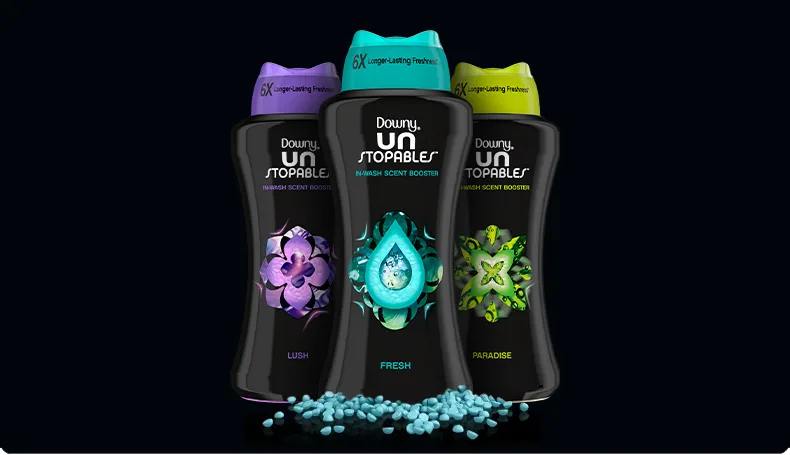
- Scent Boosters: Beads or crystals that add long-lasting fragrance.
| Booster | Main Benefit | How to Use |
|---|---|---|
| Baking Soda | Odor removal, softens water | Add 1/2 cup with detergent |
| White Vinegar | Removes bacteria, softens fabric | Add 1/2 cup to rinse cycle |
| Oxygen Bleach | Stain and odor removal | Follow package directions |
| Borax | Boosts cleaning, softens water | Add 1/4 cup with detergent |
| Scent Boosters | Adds fragrance | Add to drum before clothes |
Practical Example
If gym clothes still smell after washing, add half a cup of white vinegar to the rinse cycle. This kills odor-causing bacteria without leaving a vinegar smell once dry.
Clean Your Washing Machine Regularly
A dirty machine can never produce clean, good-smelling laundry. Over time, residue, mold, and bacteria build up in your washer. Here’s how to keep it fresh:
- Run a Cleaning Cycle: Most modern machines have a self-clean or tub clean cycle. Use it monthly with hot water and a special washer cleaner or white vinegar.
- Wipe the Drum and Door: After each load, use a cloth to wipe away moisture, especially around the rubber seal.
- Clean the Detergent Drawer: Pull it out and rinse regularly. Soap can build up and cause odor.
- Leave the Door Open: Let the inside dry after each wash. This stops mold and mildew from growing.
- Check the Filter: Some machines have a lint or debris filter that needs cleaning every few months.
Non-obvious Insight
Front-loading washers are more likely to have odor problems because water can get trapped around the door seal. Pay extra attention to cleaning this area.
Dry Clothes Properly And Quickly
Even perfect washing can’t save clothes left wet for too long. Damp fabric is a breeding ground for bacteria and mold. Here’s how to prevent this:
- Remove clothes right after the cycle ends.
- Shake out items before putting them in the dryer to reduce wrinkles and improve airflow.
- Use the right dryer settings: High heat for towels and sheets, lower for delicates.
- Hang clothes to dry if possible—fresh air and sunlight kill odor-causing bacteria.
- Don’t fold or store clothes until fully dry. Even a little moisture can create a musty smell in your closet or drawers.
Practical Tip
If you forget a load in the washer and it smells sour, rewash it with a cup of white vinegar before drying.
Credit: bysophialee.com
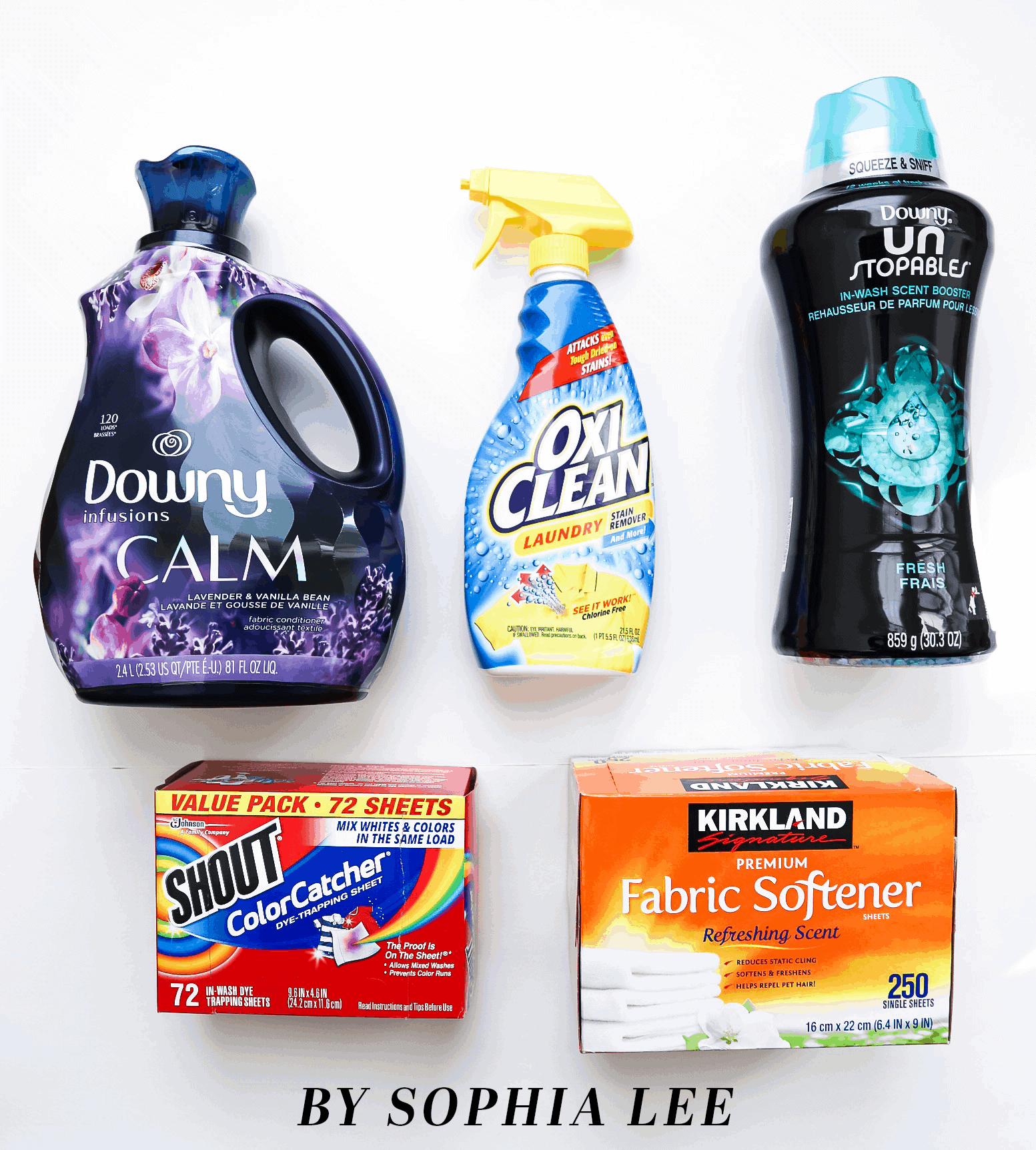
Use Fabric Softeners And Dryer Sheets Wisely
Fabric softeners and dryer sheets add a pleasant scent to clothes, but they aren’t always the best answer for odor problems. Here’s what to know:
- They coat fibers with a chemical that makes clothes feel soft and smell fresh.
- Over time, this coating can trap dirt and bacteria, making smells worse.
- Some fabrics (like towels and sportswear) lose absorbency and performance with repeated use of softeners.
Best Practices
- Use these products only with items where you want extra softness, like sheets or T-shirts.
- Avoid on towels, workout clothes, or anything labeled “moisture-wicking.”
- Try natural alternatives, such as wool dryer balls with a few drops of essential oil.
Non-obvious Insight
Dryer sheets can also leave residue inside your dryer. Clean the lint filter and drum regularly to avoid build-up and odor transfer.
Add Scent In Creative Ways
If you love a strong, fresh scent, you can boost it naturally:
- Put a few drops of essential oil (like lavender or lemon) on a clean washcloth, then toss it in the dryer.
- Store clean clothes with an open box of baking soda or a small bag of dried herbs (like lavender or cedar chips) in your closet or drawers.
- Use scented drawer liners or fabric sachets for a subtle, long-lasting fragrance.
Caution
Essential oils are strong. Use only a few drops and avoid direct contact with delicate fabrics.
Special Tips For Sportswear And Workout Clothes
Athletic gear often traps sweat and body oils, which are hard to remove. Here’s how to keep them smelling good:
- Wash Quickly: Don’t let sweaty clothes sit for days.
- Turn Inside Out: Odors and bacteria build up on the inside.
- Use a Sports Detergent: These are made to break down oils and kill odor-causing bacteria.
- Skip Fabric Softener: It coats the fibers and makes odor worse.
- Air Dry When Possible: Sunlight kills bacteria and removes odor naturally.
Non-obvious Insight
If you notice a “perma-stink” that won’t go away, soak clothes in a mixture of cold water and a cup of baking soda for 30 minutes before washing.
Preventative Habits For Long-lasting Freshness
Smelling good isn’t just about the wash. These small habits keep your clothes fresher between laundry days:
- Don’t pile dirty clothes in closed hampers for days. Let air circulate.
- Hang towels and gym clothes to dry before tossing in the basket.
- Rotate clothes—wear everything in your closet, not just the same few items. This prevents stale odors.
- Wipe out drawers and closets every few months to remove dust and hidden smells.
How To Deal With Stubborn Odors
Sometimes, odors stick even after washing. Here’s what to do:
- Check for Residue: If clothes feel sticky or stiff, they have detergent build-up. Wash again with hot water and no soap.
- Double Wash: Wash the item twice—first with detergent, then with vinegar or baking soda.
- Sun Bleaching: Hang clothes outside in direct sunlight. UV rays kill bacteria and neutralize smells.
- Spot Soak: For underarms or collars, scrub with a paste of baking soda and water before washing.
Practical Example
If a shirt smells like sweat after washing, rub the area with a baking soda paste, let it sit for 30 minutes, then wash with an odor-fighting detergent.
When To Seek Professional Help
If you’ve tried everything and clothes still smell, you may need a professional laundry service or dry cleaning. Sometimes, deep-set odors (like smoke or mildew) need special treatment. Be honest about the problem so they can use the right methods.

Credit: www.unexpectedlydomestic.com
Comparing Laundry Scent Options
There are many ways to add scent to your laundry. Here’s how they compare:
| Option | Lasting Power | Best For | Drawbacks |
|---|---|---|---|
| Detergent Fragrance | Medium | Everyday use | Sometimes covers, not removes odors |
| Fabric Softener | High | Bedding, soft clothes | Can coat fibers, reduce absorbency |
| Scent Booster Beads | Very High | Long-lasting freshness | Extra cost, may irritate sensitive skin |
| Essential Oils | Medium | Natural scent lovers | Strong oils can stain if not used carefully |
| Herbal Sachets | Low | Closet/drawer storage | Subtle, not for strong odors |
Mistakes That Make Laundry Smell Worse
Even with the best products, small mistakes can ruin your results. Watch out for these:
- Leaving wet clothes in the washer or hamper
- Using too much or too little detergent
- Ignoring machine maintenance
- Skipping the rinse cycle
- Using the wrong water temperature
- Not drying clothes completely
- Using fabric softener on technical fabrics
- Washing too many clothes at once
The Science Of Laundry Odor
Laundry odor comes from bacteria, body oils, and dirt trapped in fabric. These particles feed bacteria, which create gases and smells. Detergents with enzymes break down these particles, but only if water, time, and temperature are right. Overuse of softeners or too much soap creates a sticky layer where bacteria can hide.
Research from the American Cleaning Institute shows that regular machine cleaning, correct detergent use, and proper drying are the most important steps for odor-free laundry. For more on the science behind laundry, visit the Wikipedia page on laundry.
A Simple Fresh Laundry Routine
Here’s a quick, effective routine for always fresh-smelling clothes:
- Sort clothes by color and soil level.
- Clean the washing machine monthly.
- Use the right detergent and dose.
- Add a booster for tough odors.
- Choose the correct water temperature.
- Don’t overload the machine.
- Remove clothes immediately after washing.
- Dry fully—either in the sun or the dryer.
- Store in a clean, dry space with a little added scent if you like.
This routine, plus a few creative touches, will keep your clothes fresh and inviting every time.
Frequently Asked Questions
What Is The Best Way To Make Clothes Smell Good In The Wash?
The best way is to use an odor-fighting detergent, avoid overloading the washer, and add a laundry booster like baking soda or white vinegar. Remove clothes right after washing and dry them fully. Regularly clean your washing machine to stop odors from building up.
Can I Use Essential Oils In My Washing Machine?
Yes, but with care. Add a few drops to a clean washcloth, not directly to clothes or the drum. Place the cloth in the dryer or washer with your laundry. Too much oil can stain fabrics or damage the machine, so use only a small amount.
Why Do My Towels Smell Even After Washing?
Towels often trap soap residue, body oils, and bacteria. Use less detergent, avoid fabric softener, and run a hot wash with a cup of white vinegar. Always dry towels completely, and never leave them damp in a pile or basket.
How Can I Keep My Closet Smelling Fresh?
Store only clean, dry clothes. Add a sachet of dried herbs, cedar chips, or an open box of baking soda to your closet. Clean the closet regularly, and let air circulate by leaving the door open sometimes.
Is It Safe To Mix Vinegar Or Baking Soda With Detergent?
Yes, it’s safe to use these with detergent, but add them in the right way. Put baking soda in the drum with clothes, and vinegar in the fabric softener dispenser or during the rinse cycle. Don’t mix them directly together—they will neutralize each other’s effects.
Making your clothes smell good in the wash is both a science and an art. With the right products, habits, and a little creativity, you can enjoy fresh, clean laundry every time. These steps will not only improve how your clothes smell, but also make your whole home feel cleaner and more inviting.