
Making your own couch from a twin mattress is a smart way to save money, customize your space, and recycle furniture you may already own. Whether you live in a small apartment, a dorm, or just want a flexible seating option, this project lets you create a stylish, comfortable couch without breaking the bank.
Many people are surprised at how easy and rewarding this DIY task can be. With a little planning, some basic tools, and a few design choices, your twin mattress can become the centerpiece of your living room or guest area.
This guide will walk you through every step, from choosing your base to finishing touches, ensuring your couch is both functional and attractive.
Why Make A Couch From A Twin Mattress?
Most store-bought couches are expensive and often don’t fit smaller spaces. A twin mattress is around 38 inches by 75 inches, which is just right for a compact, cozy sofa. Using a mattress also means your couch can double as a guest bed, perfect for hosting friends or family.
You get to decide the style, fabric, and color, so your couch matches your taste. This project is especially appealing for people who want a unique piece of furniture without spending a fortune.
Another benefit is sustainability. Reusing a mattress keeps it out of the landfill. If you already have a twin mattress in good shape, you avoid the cost and waste of buying new materials. With some creativity, your DIY couch can look as good—or even better—than something from a furniture store.
Planning Your Diy Couch Project
Before you start building, some planning will save you time and frustration. A clear plan also helps you avoid common mistakes that can ruin your project or make it uncomfortable.
Measuring Your Space
First, measure the area where your couch will go. Make sure there’s enough room for the mattress and any frame or armrests you want to add. Don’t forget to consider walking space around the couch and access to doors or windows.
If your space is tight, sketch out a simple layout on paper or use painter’s tape on the floor to visualize the final size.
Choosing A Mattress
Not all twin mattresses are the same. If you have a choice, pick a medium-firm mattress for the best support. A very soft mattress may sag, while one that’s too firm won’t feel comfortable for sitting. If your mattress is old, check for lumps, stains, or smells before using it. For the best results, use a mattress less than five years old.
Setting A Budget
Building a couch from a twin mattress is usually cheaper than buying a new sofa. Still, set a budget for the frame, covers, pillows, and any tools you need. Many people spend between $100 and $350 for materials, depending on their choices. Reusing wood, fabric, or hardware you already have can lower the cost even more.
Style And Function
Decide if you want your couch to look modern, rustic, or traditional. Will you use it mostly for sitting, or do you need it to become a bed sometimes? Do you want armrests, a backrest, or storage underneath? Planning these details early makes each step easier.

Credit: www.amazon.com
Materials And Tools You’ll Need
Gathering the right materials before you start saves time and helps you stay focused.
Basic Materials:
- 1 twin mattress (38″ x 75″)
- Plywood or wood slats for the base
- 4–6 sturdy legs or a wooden platform
- Upholstery fabric or fitted twin sheet
- Foam or pillows for the backrest
- Screws, brackets, and wood glue
- Armrest materials (optional)
- Decorative pillows (optional)
Tools:
- Power drill and bits
- Screwdriver
- Tape measure
- Saw (if cutting wood to size)
- Staple gun and staples
- Scissors
- Heavy-duty fabric glue (optional)
- Sandpaper
Pro Tip: If you want extra storage, consider adding drawers or baskets under the couch. This makes your furniture even more useful, especially in small spaces.
Building The Couch Base
The base gives your couch support, height, and style. There are several ways to build a sturdy base, and your choice depends on your skills, tools, and budget.
Platform Base
A platform base uses a solid piece of plywood or several wooden slats. The platform should be the same size as the mattress or slightly larger for stability.
- Cut the plywood to 38″ x 75″ if needed. Sand the edges to avoid splinters.
- Attach legs at each corner. Use strong wood screws and brackets to make sure they’re secure. The legs should be at least 8–12 inches tall for comfortable seating.
- If you want a more open look, use slats spaced 2–3 inches apart instead of solid plywood. This helps with air flow and reduces weight.
Pallet Base
Wooden pallets are popular for DIY furniture because they are cheap and easy to find. You’ll need two or three pallets of the same size.
- Stack the pallets to your desired height (usually two high is enough).
- Screw them together for stability.
- Sand all surfaces to prevent splinters.
- Paint or stain the pallets for a finished look.
Storage Base
If you want storage, build a base with an open front or sides. Use sturdy plywood and leave space for baskets or bins. A storage base can be especially useful for storing blankets, games, or shoes.
Important: Make sure your base supports the weight of both the mattress and the people using the couch. Test the strength before attaching the mattress.
Attaching The Mattress
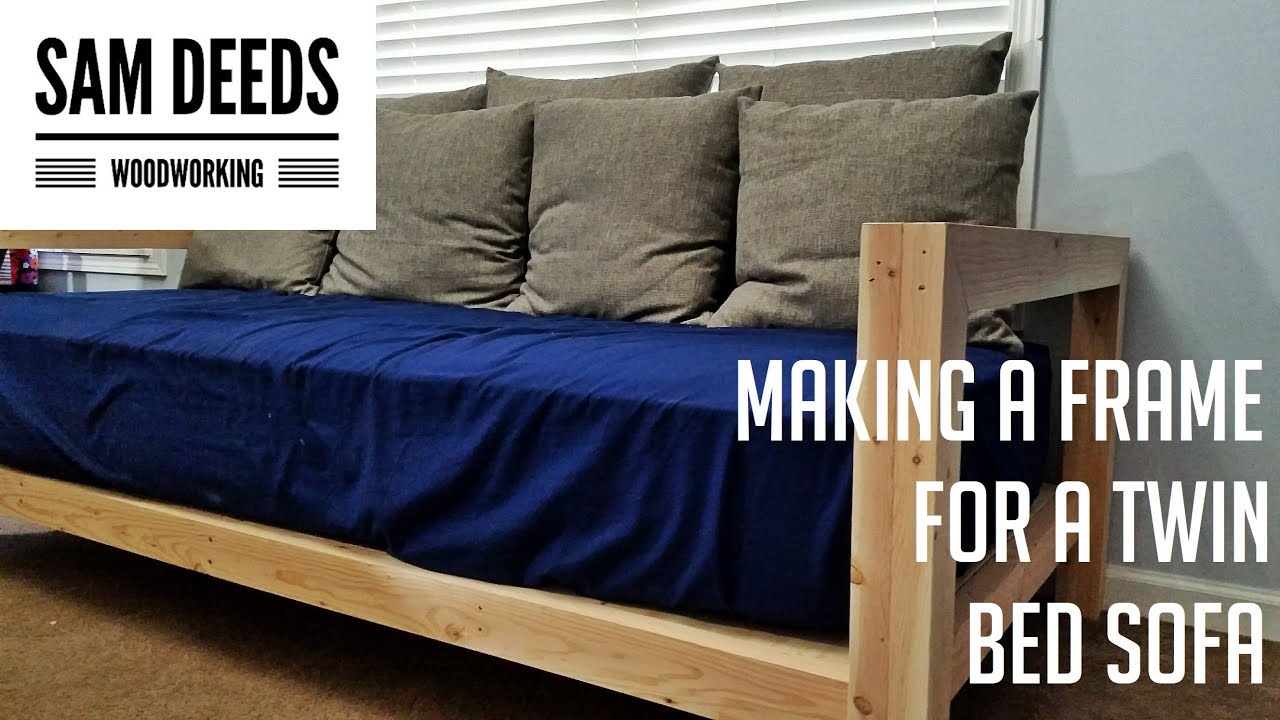
Once your base is ready, it’s time to place the mattress. For most designs, you can simply set the mattress on top of the base. If you want to prevent sliding, use non-slip pads or Velcro strips between the base and mattress.
If you’re worried about the mattress moving, especially on a smooth platform, here’s a trick: attach wide elastic straps at the corners of the base and stretch them over the mattress corners. This holds the mattress in place without damaging it.
Creating A Backrest
A backrest makes your couch comfortable for sitting and lounging. You have several options, each with its own look and feel.
Foam Backrest
Cut a long piece of upholstery foam (at least 6 inches thick) to the length of your couch. Wrap it in fabric and attach it to the back of your base with brackets or heavy-duty Velcro. This type of backrest is soft and supportive.
Pillow Backrest
Arrange several large pillows or euro shams along the back of the mattress. This is the easiest method and allows you to change colors or patterns whenever you want. Choose pillows at least 24 inches wide for good support.
Wooden Or Upholstered Back
For a more traditional sofa look, build a wooden back attached to your base. Cover it with foam and fabric for comfort. This is more work but gives a sturdy, finished look.
Expert Tip: If you want to lean against the backrest for long periods, make sure it’s at a slight angle (100–110 degrees from the seat) for the most comfortable support.
Credit: www.youtube.com
Adding Armrests (optional)
Armrests are not required, but they make your couch more comfortable for reading, napping, or watching TV. They also give your DIY couch a more finished look.
Simple Wooden Armrests
Attach short sections of 2×4 or 4×4 wood to each end of the base. Sand and paint them, or cover with foam and fabric for a softer feel.
Upholstered Armrests
Build a simple wooden frame, add foam, and wrap with matching fabric. Screw the frames to the sides of your base.
No Armrests
If space is tight, skip armrests. Your couch will look more like a daybed and can fit in smaller rooms or corners.
Covering The Mattress
The cover you choose is important for style, comfort, and keeping your couch clean. There are several ways to cover your twin mattress.
Fitted Sheet Method
A fitted twin sheet is the fastest and cheapest cover. It’s easy to remove and wash. Choose a color or pattern that matches your room.
Upholstery Fabric Cover
For a more custom look, sew a simple slipcover from upholstery fabric. Use strong fabric that can handle daily use. Add zippers or Velcro for easy removal. If you don’t sew, you can wrap the fabric around the mattress and secure it underneath with a staple gun.
Quilted Cover
A quilted cover adds softness and a cozy look. You can buy a pre-made cover or make one yourself by sewing two layers of fabric with batting in between.
Insight: If you want to protect your mattress from spills or pets, add a waterproof mattress cover under your main fabric. This small step can keep your couch looking new for years.

Credit: www.flickr.com
Decorating And Styling Your Couch
Now comes the fun part—making your couch look great! Styling is where you can really show your taste.
Choosing Pillows
Add 3–5 decorative pillows in different shapes and sizes. Mix colors and patterns for interest. Large pillows support your back, while smaller ones add style.
Throw Blankets
A soft throw blanket draped over the side or back makes your couch inviting. Choose a washable fabric for easy cleaning.
Rug Placement
Place a rug in front of your couch to define the seating area. A rug also adds warmth and comfort underfoot.
Adding Storage
Slide baskets or storage boxes under the couch for a neat look. This is perfect for small spaces or kids’ rooms.
Lighting
Add a floor lamp or table lamp nearby for reading or relaxing. Good lighting makes your couch area cozy and practical.
Comparing Diy Mattress Couch Vs. Store-bought Couch
It’s helpful to see how a homemade mattress couch compares with buying a traditional sofa. Here’s a quick overview:
| Feature | DIY Mattress Couch | Store-Bought Couch |
|---|---|---|
| Cost | $100–$350 (average) | $400–$2000+ |
| Customization | High (fabric, size, shape) | Limited by models |
| Time Needed | 4–8 hours (DIY) | None (ready to use) |
| Comfort | Depends on mattress | Consistent |
| Dual Function | Sofa + guest bed | Sofa only (usually) |
| Maintenance | Easy (wash covers) | Varies by fabric |
This comparison shows why so many people choose the DIY route when they want a budget-friendly, versatile piece of furniture.
Common Mistakes And How To Avoid Them
Even a simple project like this can go wrong if you skip important steps. Here are some mistakes to watch for:
- Weak Base: Using thin plywood or not securing the legs can cause the couch to wobble or break.
- Wrong Mattress: A very old or saggy mattress will not give enough support for sitting.
- No Non-Slip Pads: The mattress can slide off the base if you don’t use something to hold it in place.
- Poor Measuring: If the base is too small or too big, the mattress will not sit properly.
- Ignoring Comfort: Thin or hard backrests make your couch uncomfortable for long periods.
- Skipping Sanding: Not sanding wood can lead to splinters or rough edges.
- Using Weak Fasteners: Cheap screws or brackets can loosen and make the couch unstable.
Tip: Always test your couch before using it daily. Sit, bounce, and lean to make sure everything is sturdy.
Cleaning And Maintaining Your Couch
A mattress couch is easy to keep clean, but a few habits will help it last longer.
- Vacuum the mattress and base weekly to remove dust and crumbs.
- Wash covers and sheets regularly. If you have pets, choose fabrics that are easy to clean.
- Check screws and brackets every few months and tighten if needed.
- Spot-clean stains with mild soap and water. Avoid harsh chemicals that can damage fabric.
If your couch starts to smell or develop mildew, air out the mattress in sunlight. This kills bacteria and freshens the fabric.
Creative Variations And Upgrades
Once you’ve made your first couch, you might want to try some upgrades. Here are a few creative ideas:
L-shaped Sectional
Use two twin mattresses in an L-shape for a sectional sofa. Build a corner platform or wedge for support. This works well in larger rooms or for families.
Trundle Bed Couch
Add a pull-out platform under the main couch for a second mattress. This gives you two beds for guests, perfect for sleepovers.
Loft Couch
If you have high ceilings, build a lofted platform for your mattress couch. The space under the couch can be used for a desk, storage, or play area.
Outdoor Mattress Couch
Use a waterproof cover and weather-resistant wood to make a patio or balcony couch. Store cushions inside during bad weather.
Non-Obvious Insight: If your mattress is a memory foam type, it may need extra air flow. Use slats instead of solid plywood for the base to prevent mold and odors.
Real-life Examples And Inspiration
People around the world have made unique couches from twin mattresses. Here are a few inspiring examples:
- College students often use simple pallet bases and bright sheets for affordable dorm couches.
- Tiny house owners build mattress couches with built-in storage for clothes and books.
- Creative families use bold fabrics and lots of pillows to make playroom couches that double as nap spaces.
- Minimalist decorators use white or gray upholstery, clean lines, and no armrests for a modern look.
If you want more visual ideas, sites like Pinterest and Instagram have thousands of photos of DIY mattress couches for every taste.
Safety Tips For Diy Mattress Couches
Safety is very important, especially if children or older adults will use the couch.
- Use sturdy materials and check weight limits for all parts.
- Avoid sharp corners or exposed screws.
- Make sure the couch is stable and doesn’t tip when someone sits at the edge.
- Use non-slip pads or straps to keep the mattress in place.
- If using the couch as a bed, make sure there are no gaps where someone could get stuck.
Insight for Beginners: Always build your couch in the room where it will be used. Many people build their base in a garage, only to find it won’t fit through the door when finished.
Cost Breakdown And Saving Tips
Let’s look at the typical costs for this DIY project:
| Item | Low Cost | High Cost |
|---|---|---|
| Twin Mattress | $0 (used) | $150 (new) |
| Wood for Base | $20 | $80 |
| Legs or Pallets | $0 (free pallet) | $40 |
| Fabric/Covers | $20 | $60 |
| Pillows/Backrest | $30 | $70 |
| Hardware/Tools | $20 | $50 |
| Total | $90 | $450 |
Saving Tip: Ask local furniture stores or construction sites for leftover pallets or wood. Many give them away for free.
Environmental Impact
Building your own couch from a mattress is not just cost-effective; it’s also better for the environment. Reusing a mattress saves space in landfills and reduces demand for new materials. If you choose eco-friendly fabrics and finishes, your couch has an even smaller carbon footprint.
If you need more ideas for sustainable furniture, check resources like the EPA’s Sustainable Furniture Guide.
Frequently Asked Questions
How Long Does It Take To Make A Couch From A Twin Mattress?
Most people finish this project in 4 to 8 hours over one or two days. The time depends on your experience, the materials, and whether you add armrests or storage.
Can I Use Any Twin Mattress?
You can use any twin mattress as long as it is clean and not sagging. Medium-firm mattresses work best for both sitting and sleeping. Avoid very old or damaged mattresses for safety and comfort.
How Do I Keep The Mattress From Sliding?
Use non-slip pads, Velcro strips, or elastic straps to keep the mattress secure. If your base has a raised edge or frame, this can also help prevent movement.
Is A Diy Mattress Couch Good For Sleeping?
Yes, a mattress couch is comfortable for sleeping, especially for guests. Just add a fitted sheet and use regular bedding. For daily use, choose a good-quality mattress.
What Fabrics Are Best For Covering The Couch?
Choose durable, washable fabrics like cotton, canvas, or outdoor upholstery material. These are easy to clean and last longer. If you have pets, look for fabrics that resist hair and stains.
Making your own couch from a twin mattress is a creative and practical way to furnish your home. You get to decide the look, feel, and function, all while saving money and reducing waste. With careful planning and a bit of effort, you can build a piece of furniture that is both comfortable and unique—something you’ll be proud to use every day.