
Keeping dark floors clean is a challenge that often surprises new homeowners or those who love the bold look of rich wood, slate, or tile. These floors look elegant and modern, but every speck of dust, pet hair, and footprint stands out.
Many people believe dark floors hide dirt, but in reality, they reveal more than you might expect. If you want your floors to look stunning every day—not just after a deep clean—you need smart habits, the right tools, and a little bit of know-how.
This guide will give you practical, real-life strategies to keep your dark floors looking their best, whether you have hardwood, laminate, vinyl, or tile.
Understanding Dark Floors: Beauty And Challenges
Dark floors, like espresso hardwood or charcoal tiles, create a dramatic effect in any room. They make spaces feel more grounded and luxurious. But with this beauty comes a unique set of cleaning problems.
Why Dust And Dirt Show More
Dust is usually light in color—gray, white, or even yellowish. On a dark background, even a tiny amount is easy to see. Pet hair, crumbs, and lint also stand out. Water spots from cleaning or spills can leave white marks.
Even oily footprints from bare feet can be obvious.
This means that even when your home is mostly clean, your floors can look dirty if you skip a day or two of cleaning. Dark floors are also less forgiving when it comes to cleaning mistakes—streaks, water marks, and leftover residues are visible right away.
Many people are surprised by how much more often they need to clean compared to lighter floors.
Common Types Of Dark Flooring
- Solid hardwood (walnut, mahogany, cherry)
- Engineered wood in dark stains
- Laminate flooring in dark patterns
- Dark ceramic or porcelain tile
- Slate or dark stone
- Luxury vinyl planks (LVP) in dark tones
Each has its own needs, but all share the challenge of visible dust and marks. For example, dark hardwood may show scratches, while dark tile can highlight pale grout lines. Understanding your exact floor material helps you choose the best cleaning method and prevents accidental damage.
Essential Cleaning Tools For Dark Floors
The right tools make all the difference. Many people use the wrong broom or mop, which can actually make floors look worse.
Must-have Tools
- Microfiber dust mop – Attracts dust without spreading it around. Microfiber traps tiny particles and won’t leave lint behind, unlike cotton mops.
- Vacuum with soft brush attachment – Gentle but effective for picking up fine dust and hair. Make sure the wheels and brushes are clean to avoid scratching.
- PH-neutral floor cleaner – Safe for most surfaces and leaves no cloudy residue. Harsh chemicals can dull dark finishes.
- Spray bottle – For spot cleaning without soaking the floor. Great for dealing with sticky spots or spills before they set.
- Soft, lint-free cloths – For buffing and drying. Old T-shirts or microfiber towels work well.
- Bucket with clean water – Rinsing your mop prevents streaks. Always start with fresh, clean water for the best results.
- Rubber broom or squeegee – Especially useful for pet hair on hard surfaces. The rubber bristles create static that lifts hair easily.
What To Avoid
- String mops (can leave streaks and lint)
- Oil soaps or wax on laminate or vinyl (can cause build-up)
- Abrasive scrubbers (scratch surfaces)
Some people also use Swiffer-style dusters, but these can sometimes push dust into corners rather than pick it up. If you use them, double-check corners and edges with a cloth.
Handy Comparison: Popular Cleaning Tools
| Tool | Best For | Drawbacks |
|---|---|---|
| Microfiber mop | Dust, hair, daily cleaning | Needs washing often |
| Vacuum (soft brush) | Cracks, corners, all debris | Can scratch if brush is worn |
| Traditional broom | Quick sweeps | Misses fine dust, pushes it around |
| Sponge mop | Sticky spills | May leave streaks on dark floors |
Microfiber mops remain a favorite because they’re gentle and highly effective, but remember to wash mop heads frequently. Dirty mops can actually spread grime and leave marks, especially on dark flooring.
Daily Cleaning Habits That Really Matter
Consistency is the secret. Instead of big, exhausting cleaning sessions, simple daily habits prevent the buildup of dust and spots.
Quick Dust Removal
- Use a dry microfiber mop every day, especially in high-traffic zones like entryways or kitchens.
- If you have pets, do a quick sweep both morning and evening.
This quick habit can take less than five minutes but makes a huge difference in how clean your floors look. Some people keep a small handheld vacuum or dust mop in a closet near the busiest room for convenience.
Spot Clean Spills Instantly
- Wipe spills immediately with a damp, soft cloth.
- Avoid letting water or cleaners sit—they can leave marks or damage wood.
Even a single drop of water can create a pale spot on dark hardwood if left too long. For sticky or greasy spills, use a spray of diluted floor cleaner on a cloth rather than spraying the floor directly.
Shoes Off Inside
- Place mats at all entrances and encourage a no-shoes policy. Shoes bring in sand, grit, and oils that show on dark floors.
If your home is busy or guests forget, keep a small shoe rack by the door and offer slippers or socks. This small change reduces both cleaning time and visible dirt.
Pet Hair Patrol
- Use a rubber broom or vacuum to pick up hair daily.
- Keep pet nails trimmed to avoid scratches.
For homes with long-haired pets, consider brushing them more often outside or in an easy-to-clean area. This extra effort keeps hair off your floors and out of the air.
Humidity Control
- Keep indoor humidity at 40-60%. This reduces dust in the air and prevents wood floors from warping.
If you live in a dry or humid climate, a humidifier or dehumidifier can help maintain this range. Not only does this make cleaning easier, it also protects your floors in the long run.
Deep Cleaning: What To Do And How Often
Even with daily care, dark floors need a more thorough clean weekly or bi-weekly. The method depends on your floor type.
Hardwood And Engineered Wood
- Vacuum with a soft brush or use a microfiber dust mop.
- Mop with a damp (not wet) microfiber mop and a pH-neutral wood cleaner.
- Dry immediately with a clean towel to prevent water spots.
Avoid using steam mops on hardwood, as the high heat and moisture can damage the finish and the wood itself. For stubborn spots, apply cleaner directly to a cloth and rub gently.
Laminate And Vinyl
- Sweep or vacuum first.
- Mop with minimal water—laminate especially hates moisture.
- Use cleaners made for laminate/vinyl to avoid streaks.
Laminate expands and contracts with moisture, so always mop lightly. Too much water can cause bubbling or warping.
Tile And Stone
- Sweep or vacuum to remove grit.
- Mop with a stone-safe or tile cleaner.
- Dry with a soft cloth to avoid water spots.
If your tile has textured surfaces, use a soft brush to get into grooves where dust collects. For stone, check that your cleaner is acid-free to prevent etching.
How Often?
- High-traffic areas: 2-3 times per week.
- Low-traffic rooms: Once per week.
- Deep clean (move furniture, wash baseboards): Every 2-3 months.
If you have children or pets, you may need to deep clean more often. Try to stick to a routine so dirt and dust never get a chance to build up.
Deep Cleaning Steps For Dark Hardwood
- Dust or vacuum the entire floor.
- Mix a small amount of pH-neutral cleaner in a bucket.
- Lightly dampen a microfiber mop—never soak.
- Mop in the direction of the wood grain.
- Buff dry with a soft towel.
For extra shine, some people buff with a dry microfiber cloth after cleaning. This also helps remove any missed residue.
Common Deep Cleaning Mistakes
- Using too much water (causes swelling, stains)
- Letting cleaning solution dry on the floor (leaves a film)
- Skipping the drying step (leads to streaks and spots)
Another mistake is using the wrong cleaner—some “all-purpose” sprays can actually make dark floors cloudy or sticky. Always check the label and test in a small spot first.
Preventing Streaks And Cloudy Marks
One of the biggest frustrations with dark floors is streaks after mopping. Here’s how to avoid them:
Use The Right Cleaner
- Always choose a pH-neutral cleaner. Many all-purpose cleaners are too harsh and leave residue.
- Test new products in a small, hidden area first.
If you have hard water, mineral deposits can cause streaks. Try using distilled water for mopping if you notice spots after cleaning.
Don’t Over-wet The Mop
- Too much water leaves streaks and can damage the floor.
- Wring out your mop thoroughly before using.
When mopping, pass over each section only once or twice. Repeated passes with a wet mop make streaks more likely.
Change Mop Water Often
- Dirty water means you’re just spreading grime around.
- For larger spaces, change the water halfway through.
If your water looks cloudy, it’s time to refresh. Clean water is especially important for dark floors where every residue shows.
Dry Floors Immediately
- Use a clean, dry microfiber cloth or towel.
- Buff in circles to remove any leftover moisture.
Pay extra attention to corners and along baseboards, where water tends to pool. These areas often show streaks first.
Choose The Right Time Of Day
- Clean floors when sunlight isn’t shining directly on them. Sunlight shows every streak, making cleaning harder.
If you have large windows or glass doors, close blinds or curtains while cleaning for better results.
Handling Scratches, Scuffs, And Dullness
Dark floors show scratches more than light ones. But not all marks are permanent.
Quick Fixes
- Use a floor repair marker in a color that matches your floor for minor scratches.
- For scuffs, rub with a tennis ball or soft eraser.
- For dull spots, buff gently with a dry microfiber cloth.
For very fine scratches, a small amount of olive oil on a cloth can sometimes disguise them, but always test first. If your floor is engineered wood or laminate, avoid sanding or aggressive treatments.
Preventing New Damage
- Place felt pads under furniture legs.
- Don’t drag heavy items across the floor.
- Rotate rugs and furniture to avoid uneven wear.
If you have rolling chairs, use a plastic mat or area rug to prevent grooves. Children’s toys with hard wheels can also leave marks—soft rubber wheels are better.
When To Refinish
- For deep scratches or dullness that doesn’t go away, refinishing may be needed. Consult a pro for real wood floors.
Refinishing is a big step, but it can bring old, tired dark floors back to life. Some engineered floors can be refinished once, but check your manufacturer’s advice.
Best Cleaning Solutions: Store-bought Vs. Homemade
Many people prefer commercial cleaners, but some simple homemade solutions work well—if you use them correctly.
Store-bought Cleaners
- Look for products labeled safe for dark hardwood or your specific flooring.
- Avoid anything that says “waxes” or “polishes” unless your floor is unfinished wood.
Read reviews or ask at your local hardware store for recommendations. Sometimes, what works well on light floors will streak or dull dark finishes.
Homemade Cleaner Recipes
- For hardwood: Mix 1 cup distilled white vinegar with 1 gallon warm water. Dampen mop—don’t soak.
- For laminate: A few drops of mild dish soap in a bucket of warm water.
- For tile: 1/4 cup rubbing alcohol, 1/4 cup vinegar, and 1 gallon warm water.
Important: Always dry floors after using any homemade cleaner to prevent streaks.
Never use baking soda directly on wood or laminate floors, as it’s abrasive and can scratch. For tile grout, a baking soda paste is effective, but rinse well.
Cleaner Comparison Table
| Cleaner Type | Best For | Pros | Cons |
|---|---|---|---|
| Commercial (pH-neutral) | All dark floors | Easy, streak-free, safe | More expensive |
| Vinegar solution | Hardwood, tile | Cheap, effective | Can dull finish if overused |
| Dish soap & water | Laminate, vinyl | Gentle, no streaks | Leaves residue if overused |
If you’re unsure, always start with the mildest cleaner and increase strength only if needed.
Managing High-traffic Areas And Entryways
Dark floors in kitchens, hallways, and entryways get dirty fastest. A little planning keeps these zones looking good.
Use Floor Mats
- Place a mat outside and inside every door.
- Choose mats with rubber backing to prevent slipping.
Some mats are designed to trap more dirt and moisture. Look for textured or absorbent mats for best results.
Designate Shoe Zones
- Create a space for shoes right inside the door.
- Use a bench or shoe rack to encourage use.
If space is tight, a simple basket or tray works. The key is making it easier to take shoes off than to leave them on.
Clean Entry Mats Regularly
- Wash or shake out mats at least once a week. Dirty mats don’t trap grit.
During rainy or snowy weather, you may need to clean mats every few days. Wet mats can also develop odors, so let them dry thoroughly.
Protect With Rugs
- Area rugs in busy spots reduce wear and catch dirt.
- Use a non-slip pad under rugs to protect the floor finish.
Choose darker or patterned rugs—they show dirt less than light colors and blend with your flooring.

Credit: www.grandmashousediy.com
How To Keep Dark Floors Clean With Kids And Pets
Children and animals bring extra mess, but you can stay ahead.
Kid-friendly Strategies
- Teach kids to remove shoes and wipe feet.
- Use easy-to-clean area rugs in play zones.
- Wipe up spills right away—even water.
You can make a game of cleaning up, or use colorful rugs in kids’ rooms that are machine washable.
Pet Solutions
- Keep pet bowls on mats to catch spills.
- Brush pets regularly to reduce hair shed.
- Wipe muddy paws at the door.
Some pet owners set up a small cleaning station near the entrance with towels and wipes for quick clean-ups.
Pro Tip: Pet Hair
- A slightly damp rubber glove works wonders for picking up pet hair from hard floors.
For stubborn areas, use short, quick strokes. This method also works on baseboards and furniture.
Seasonal Maintenance For Dark Floors
Different times of year bring new cleaning challenges.
Spring And Summer
- Pollen and dust increase—dust mop more often.
- Wet shoes can leave water spots. Keep absorbent mats by all doors.
Consider keeping a small vacuum or dust mop near entrances during allergy season.
Fall
- Leaves and outdoor debris are common. Sweep entryways daily.
- More rain? Dry floors immediately to avoid streaks.
If your area gets muddy, keep a small tray by the door for boots and wipe paws and shoes before coming inside.
Winter
- Snow and salt can damage dark floors. Use extra mats.
- Clean up melted snow or ice right away.
Salt can scratch and discolor dark floors, so vacuum and mop entryways more often in winter months.
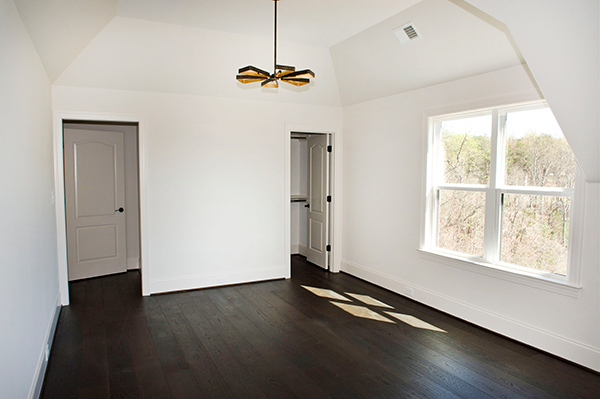
Credit: hallmarkfloors.com
Long-term Care: Keeping Floors Beautiful For Years
Daily cleaning matters, but so does long-term maintenance.
Re-seal Or Refinish As Needed
- Real wood floors need resealing every 3-5 years.
- Follow manufacturer guidelines for laminate or vinyl care.
If your floors start to lose their shine or feel rough, it may be time for professional attention.
Avoid Harsh Chemicals
- Bleach, ammonia, or strong detergents can strip color or damage finish.
If you use a new cleaner, always check for any changes in color or texture after the first use.
Control Sunlight
- UV rays fade dark floors. Use curtains or blinds to protect them, especially in sunny rooms.
Window films can also help block UV without darkening your home too much.
Rearrange Furniture
- Move rugs and heavy furniture every few months. This prevents uneven fading and wear.
This also gives you a chance to clean underneath, where dust can collect unnoticed.
When To Call A Professional
Sometimes, professional help is the best choice.
- For deep scratches, warping, or stubborn stains, pros have the right tools.
- If your floors look dull even after cleaning, a professional clean or buff can restore shine.
- Stone and tile may need professional sealing every few years.
Professional cleaning can be especially helpful before big events or when moving into a new home with existing dark floors.

Credit: allkleencarpets.com
Non-obvious Insights For Keeping Dark Floors Clean
1. Clean Baseboards And Walls
Dust falls from above, so wipe baseboards and the lowest part of your walls weekly. This keeps floors cleaner and dust from resettling.
2. Use A Floor Color-matched Touch-up Kit
Most hardware stores sell touch-up kits matched to common floor colors. A small scratch filled with the right color is invisible—far better than clear fillers on dark floors.
3. Check Air Filters And Vents
Dirty HVAC filters blow dust back onto floors. Change filters every 2-3 months, especially if you notice dust accumulating fast.
4. Smart Lighting Choices
Glossy dark floors show streaks more under bright, direct lighting. Use diffused or warmer lights to make floors look cleaner between deep cleans.
5. Keep A Mini Cleaning Kit Handy
Store a small spray bottle of floor cleaner and a microfiber cloth in busy rooms. You’ll be more likely to clean small messes right away, preventing buildup.
6. Pay Attention To Floor Gaps
Older dark floors can develop tiny gaps where dust collects. Use a vacuum crevice tool every few weeks to remove hidden dirt from these spaces.
7. Rotate Decorative Items
If you have vases, plant pots, or other objects on the floor, move them occasionally. This helps prevent ring marks, fading, or uneven shine—issues that can be more noticeable on dark finishes.
Real-life Examples: Success With Dark Floors
Marissa, a mom of three from Atlanta, switched to dark hardwood in her living room. She struggled with footprints and dust until she started using a microfiber dust mop every night and placed a washable rug by the door. “Now, I don’t dread surprise guests—my floors look good all the time,” she says.
Jorge, a pet owner, uses a rubber broom for his husky’s hair and keeps a spray bottle of vinegar solution for muddy paw prints. “It’s easy now. I spend five minutes in the morning, and my floors look as good as new,” he reports.
Stephanie, who manages rental properties, trains her tenants to use the right cleaning products and provides a starter kit. “Most problems happen because people use too much water or the wrong cleaner. With the right instructions, dark floors stay beautiful and repairs are rare,” she notes.
Frequently Asked Questions
How Do I Prevent Footprints On Dark Floors?
Footprints come from oils and moisture on feet. The best way to avoid them is by keeping floors dry, encouraging socks or slippers indoors, and wiping up spills right away. In humid climates, use a dehumidifier to help floors dry faster.
What’s The Best Mop For Dark Hardwood Floors?
A microfiber mop is ideal. It picks up dust without scratching and doesn’t leave lint. Always wring out well before use—never mop with a soaking-wet pad.
Can I Use Vinegar To Clean All Dark Floors?
Vinegar is safe for sealed hardwood, tile, and some stone when diluted, but avoid it on waxed or unfinished wood and some types of vinyl. Too much vinegar can dull the finish. Always spot test first.
How Can I Keep Dark Tile Grout Clean?
Grout attracts dirt easily. Use a soft brush and a pH-neutral cleaner weekly. Sealing grout every year helps prevent stains. For stubborn dirt, try a mix of baking soda and water, but rinse well.
Are Steam Mops Safe For Dark Floors?
Steam mops are not safe for most hardwood, laminate, or engineered floors—they can cause warping. For tile, use steam mops only if the manufacturer says it’s safe, and avoid leaving the mop in one spot.
If you want more details on flooring care, the National Wood Flooring Association offers trusted advice: woodfloors.org.
Dark floors are a bold design choice, but with the right approach, they can look clean and elegant every day. Develop good habits, use the right tools, and don’t let small messes wait. With a little attention, your dark floors will be the showpiece of your home for years to come.