
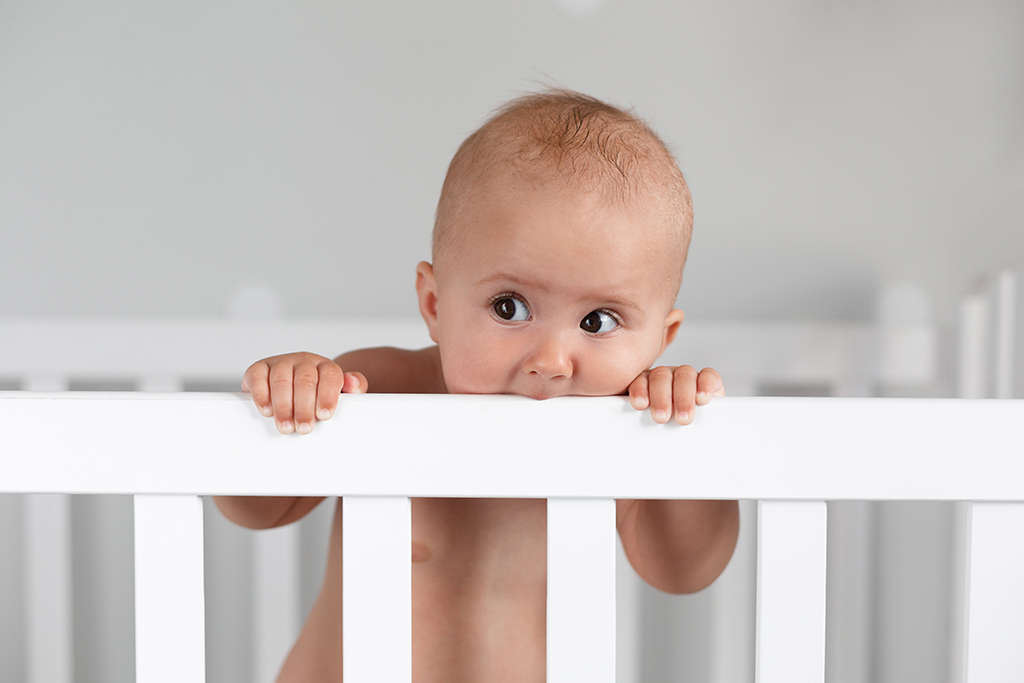
Every parent knows the feeling: you walk into the nursery and see tiny teeth marks all over the side of your baby’s crib. It can be surprising, even worrying. Why is your baby chewing on the crib? Is it safe? And, most importantly, how can you stop this from becoming a daily habit?
Crib chewing is a common phase for many babies, especially during teething. While it may look harmless, there are real risks. Babies could swallow paint chips, splinters, or even hurt their gums. Plus, the crib itself gets damaged over time, which means expensive repairs or replacements.
But don’t worry—there are practical steps you can take to protect both your baby and the crib. This guide will give you clear, actionable methods to stop crib chewing, explain why it happens, and help you create a safer sleep environment for your little one.
Let’s explore every angle so you can handle this phase with confidence.
Why Do Babies Chew On Cribs?
Before you can fix a problem, you need to understand it. Babies chew on cribs for several reasons, and each reason points to different solutions.
Teething Pain Relief
Most babies start teething between 4 and 7 months. The pressure of new teeth breaking through the gums is uncomfortable. Chewing on hard surfaces, like a crib rail, helps relieve this pain. The texture of wood or plastic feels good against sore gums.
Exploring The World
Babies learn about their environment using their mouths. Chewing is a way to discover texture, taste, and shape. The crib rail is often within easy reach when your baby wakes up from a nap or during playtime.
Boredom Or Curiosity
Sometimes, crib chewing happens simply because your baby is bored. If there’s nothing else to play with or chew on, the crib becomes an easy target.
Sensory Needs
Some babies have stronger oral sensory needs. They may chew more to calm themselves or to fulfill a sensory craving, which is a normal part of development.
Key insight: Not all chewing is due to teething. If you only focus on teething, you might miss other important causes.
Health Risks And Safety Concerns
Crib chewing isn’t just a minor annoyance—it can lead to real dangers if not addressed.
Paint And Finish Hazards
Many cribs are coated with paint or varnish. If these finishes chip or peel, your baby might swallow small pieces. Older cribs (before 1978 in the US) could even have lead-based paint, which is toxic.
Splinters And Injuries
Wooden cribs can splinter when chewed. Splinters in the mouth or gums are painful and can lead to infection.
Choking Hazards
Small bits of wood, paint, or plastic can break off. These become choking hazards for curious babies.
Damaged Cribs
Repeated chewing weakens the crib rails. Over time, structural damage could create unsafe gaps or sharp edges.
Non-obvious insight: Even “eco-friendly” or “natural” wood cribs can be unsafe if chewed, as natural finishes can still splinter.

Credit: www.imperfecthomemaking.com
Safe And Effective Strategies To Stop Crib Chewing
Now, let’s get practical. Here are the best ways to keep your baby from chewing on the crib, with clear steps for each.
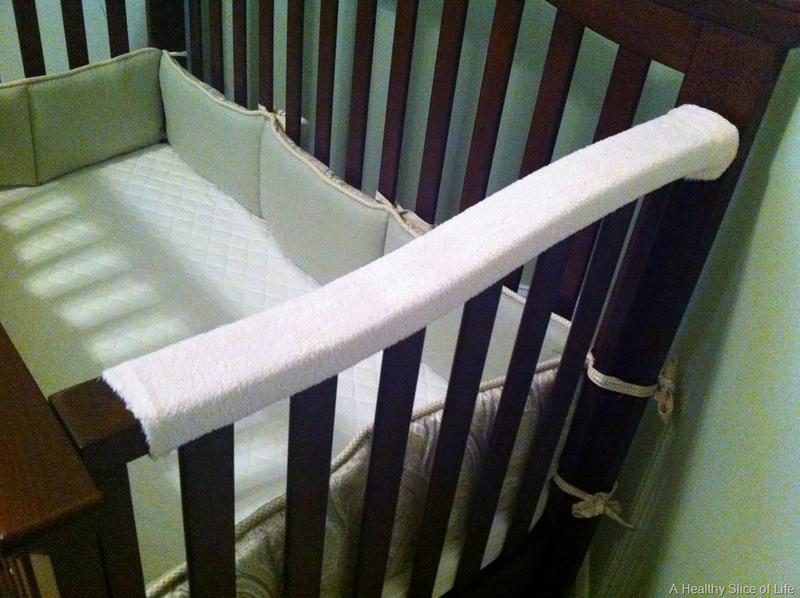
1. Use Crib Rail Covers
Crib rail covers are soft, fabric or plastic guards that wrap around the crib rails. They create a barrier between your baby’s mouth and the wood or paint.
How to use:
- Choose covers that fit your crib size and shape.
- Make sure they attach securely—Velcro, snaps, or ties.
- Wash fabric covers regularly to keep them clean.
Tip: Avoid padded covers with loose stuffing, as babies can chew through fabric and reach the filling.
2. Offer Safe Teething Toys
Give your baby something better to chew on. Teething toys are made for this purpose and come in many shapes and textures.
How to use:
- Keep 2–3 teething toys in the crib or nearby.
- Choose BPA-free, non-toxic materials.
- Clean toys daily, since they go in your baby’s mouth.
Non-obvious insight: Rotate teething toys every few days. New textures keep your baby interested and reduce crib chewing.
3. Ensure Proper Supervision
While you can’t watch your baby every second, increased supervision during awake time helps reduce chewing.
- Check in frequently if your baby is playing in the crib.
- Remove the baby from the crib if chewing starts.
4. Apply A Safe, Bitter-tasting Spray
Some parents use bitter sprays (like those for pets) to discourage chewing. These are safe for babies if made from food-grade ingredients.
- Test on a small spot first to check for allergic reactions.
- Reapply as needed—most sprays fade after a few days.
Caution: Read labels carefully. Never use sprays with strong chemicals or alcohol.
5. Lower The Crib Mattress
If your baby mostly chews the top rail, lowering the mattress can make it harder to reach.
- Adjust the crib height as your baby grows.
- Always follow crib manufacturer’s guidelines for safety.
6. Distract With Activity
If boredom is the cause, give your baby other things to do.
- Hang a mobile above the crib (out of reach).
- Offer soft, safe crib toys.
- Play music or white noise to soothe your baby.
7. Address Teething Pain
Treating teething pain directly can reduce the urge to chew.
- Use chilled (not frozen) teething rings.
- Massage your baby’s gums with a clean finger.
- Ask your pediatrician about safe over-the-counter remedies.
Non-obvious insight: Overusing teething gels can numb a baby’s mouth, making them chew harder to “feel” their gums again.
8. Keep The Crib Bare
Remove unnecessary items from the crib. Pillows, blankets, or stuffed animals can be chewed and pose a suffocation risk.
- Follow safe sleep guidelines: Only a fitted sheet on the mattress.
- If your baby chews on the sheet, try a tighter fit.
9. Repair And Maintain The Crib
Check the crib often for signs of damage.
- Sand down any rough or chewed spots.
- Repaint or refinish with baby-safe products if needed.
- Tighten loose screws or bolts.
10. Monitor Baby’s Diet
Sometimes, chewing is a sign your baby needs more oral stimulation in their diet.
- Offer foods with different textures (if age-appropriate).
- Try teething biscuits or sliced, chilled fruits (under supervision).
Key point: Always check with your pediatrician before adding new foods.
11. Use Pacifiers Wisely
A pacifier can satisfy the urge to chew. But overuse can affect teeth alignment.
- Offer pacifiers during teething phases.
- Choose orthodontic designs to protect teeth development.
- Wean off gradually as your baby grows.
12. Check For Underlying Issues
Some babies chew more due to sensory processing needs or developmental delays.
- If chewing is extreme or continues past age 2, talk to your doctor.
- Occupational therapists can recommend special chewable tools (“chewelry”).
13. Practice Consistent Routines
A predictable sleep and play schedule can reduce stress and chewing.
- Put your baby down for naps and bedtime at the same time daily.
- Create a calming pre-sleep routine (books, gentle rocking).
14. Avoid Negative Reinforcement
Don’t punish your baby for chewing. Yelling or scolding can increase anxiety and chewing.
- Redirect gently instead.
- Praise your baby when they use teething toys instead of the crib.
15. Upgrade The Crib If Needed
If your crib is old or heavily damaged, consider buying a new one.
- Look for cribs made with non-toxic finishes and rounded edges.
- Read recent safety reviews before purchasing.
Quick comparison:
| Feature | Modern Crib | Older Crib |
|---|---|---|
| Paint/Finish | Non-toxic, lead-free | Possible lead/chemicals |
| Rails | Rounded, smooth | May splinter or chip |
| Safety Standards | Meets current guidelines | May not meet standards |
Comparing Common Crib Chewing Solutions
Let’s compare the most popular methods so you can choose what works for your family.
| Solution | Pros | Cons | Best For |
|---|---|---|---|
| Crib Rail Covers | Easy to install, reusable, protects wood and baby | Must be washed, can slip if not secured | Most families |
| Teething Toys | Soothes gums, safe to chew, variety of shapes | Needs cleaning, can get lost in crib | Teething babies |
| Bitter Spray | Quick deterrent, affordable | Some babies adapt, must reapply | Babies with strong chewing habits |
| Lower Mattress | Simple, no extra cost | Limited effect as baby grows taller | Young babies |
What To Avoid When Stopping Crib Chewing
Not every solution is safe. Here’s what you should not do:
- Do not wrap rails with plastic wrap or tape. Babies can tear these off and choke.
- Avoid using home-made sprays with spicy or harsh ingredients.
- Never tie toys or objects to crib rails—strings and cords are a strangulation hazard.
- Do not use crib bumpers, even if marketed as chew guards. They increase the risk of suffocation.
- Don’t ignore ongoing chewing—persistent habits may need medical advice.
Important: If you notice bleeding, swollen gums, or signs of pain while chewing, contact your pediatrician.
Real-life Examples: What Works For Other Parents
Hearing from other parents can help you see what works in real life.
Rachel’s Story: Rachel’s 10-month-old started chewing the crib rail during teething. She tried fabric rail covers, but her baby pulled them off. Switching to a hard plastic rail cover did the trick—her daughter lost interest quickly.
Mark’s Experience: Mark noticed his son chewed mostly when bored. He added a rotating set of teething toys and played soft music during nap time. Chewing stopped within a week.
Sofia’s Approach: Sofia’s baby chewed even after teething ended. Her pediatrician referred her to an occupational therapist, who suggested chewable necklaces (worn by parents, not babies). This gave her baby the oral input needed, and crib chewing faded away.
Non-obvious lesson: Not every “solution” works for every baby. Sometimes you need to combine ideas or adjust your approach.
How To Fix A Chewed Crib
If your crib already has teeth marks, you can repair it.
- Sand down rough or splintered spots with fine sandpaper.
- Wipe away dust before refinishing.
- Use baby-safe paint or finish to cover bare wood.
- Allow the crib to air out for 24–48 hours before use.
For painted cribs, match the touch-up paint as closely as possible. Hardware stores can help you find non-toxic options.
When To Seek Professional Help
Most crib chewing is harmless and fades over time. But sometimes, it’s a sign of a bigger issue.
Contact your pediatrician if:
- Chewing is extreme and nothing helps.
- Your baby chews non-food objects outside the crib (pica).
- There are signs of mouth injury, swelling, or infection.
- Chewing continues well past age two.
A doctor may recommend an evaluation for oral sensory needs or other developmental concerns.
Supporting Your Baby’s Oral Development
Remember, oral exploration is part of healthy development. Babies need to chew, suck, and mouth objects to learn about the world.
- Provide safe items for chewing.
- Avoid scolding or shaming.
- Encourage positive oral habits as your baby grows.
Pro tip: Transition from chewing to using sippy cups or straws as your child gets older. This helps with speech and jaw strength.
Baby-proofing Beyond The Crib
Crib chewing often means your baby is ready to explore more. Use this time to check for other hazards in the nursery.
- Anchor furniture to walls.
- Cover electrical outlets.
- Remove cords and small objects from reach.
- Use safety gates for doors.
This extra step makes the whole room safer as your baby becomes more mobile.
Credit: www.ahealthysliceoflife.com
Common Mistakes Parents Make
Even careful parents can make mistakes. Here are a few to watch for:
- Waiting too long to act—crib chewing can become a strong habit.
- Relying on only one method—babies sometimes need a mix of solutions.
- Forgetting to check for damage—splinters can form overnight.
- Using unsafe DIY solutions—not everything on the internet is safe for babies.
- Ignoring the cause—boredom, teething, or sensory needs all require different fixes.
Quick Reference: Step-by-step Action Plan
If you need a simple plan, follow these steps:
- Identify why your baby is chewing (teething, boredom, etc. ).
- Inspect the crib for damage and fix sharp areas.
- Install crib rail covers or guards.
- Offer safe teething toys and rotate them.
- Treat teething pain with approved methods.
- Use safe sprays if needed.
- Keep the crib bare and follow sleep safety guidelines.
- Supervise, distract, and redirect as needed.
- Consult your pediatrician if chewing persists or if you’re concerned.
Additional Resources
For more information on crib safety and child development, visit the official guidelines from the American Academy of Pediatrics.
Frequently Asked Questions
Why Does My Baby Chew On The Crib Even If Not Teething?
Babies chew for many reasons beyond teething, such as curiosity, boredom, or sensory needs. Chewing helps them explore their environment and soothe themselves. If your baby chews but shows no signs of teething, offer safe alternatives and watch for patterns in their behavior.
Are Crib Rail Covers Safe For All Babies?
Yes, as long as they are securely attached and made from non-toxic materials. Check for loose ties or stuffing, which can pose a choking risk. Wash fabric covers regularly and inspect for wear. Always follow manufacturer instructions.
Can Crib Chewing Cause Long-term Dental Problems?
Crib chewing usually does not cause permanent dental issues. However, hard or repeated chewing can wear down baby teeth or affect alignment if it continues for a long time. If you notice tooth damage, talk to your pediatrician or pediatric dentist.
How Do I Choose A Safe Teething Toy?
Look for toys labeled BPA-free, phthalate-free, and made for babies. Avoid small parts, loose fillings, or attached cords. Choose toys that are easy to clean and have different textures. Check for safety certifications and reviews from other parents.
When Should I Worry About Crib Chewing?
Most crib chewing is harmless and temporary. You should be concerned if your baby chews extremely, chews non-food items outside the crib, or shows signs of pain, bleeding, or infection. If crib chewing continues past age two or if you’re worried, consult your pediatrician.
Helping your baby through the crib chewing phase can feel overwhelming, but with patience and the right tools, you can protect both your child and your crib. The key is to stay proactive, offer safe alternatives, and keep your home environment as safe as possible for your little explorer.
Credit: thedomfamily.com