
A floating vanity can transform any bathroom from ordinary to modern and stylish. Because it is mounted on the wall, a floating vanity creates the illusion of extra space and makes cleaning the floor much easier. Installing one may seem challenging, but with the right tools, clear steps, and careful planning, most homeowners can do it themselves.
This guide will walk you through the entire process, from preparation to finishing touches, so you can confidently install a floating vanity and enjoy the results for years.
Why Choose A Floating Vanity?
Floating vanities offer more than just a sleek look. They can make a small bathroom appear larger by exposing more of the floor. The extra space underneath is convenient for cleaning and can be used for baskets or storage. Many modern homes and hotels use floating vanities for these reasons.
Another practical advantage is flexibility. You can mount your vanity at any height, which means you can adjust for children, tall adults, or even accessibility needs. This level of customization is hard to achieve with traditional vanities.
Before starting, it’s important to know what is involved and what to expect. This will help you avoid common mistakes and ensure a smoother installation.
Tools And Materials Needed
Having the right tools and materials ready will save time and prevent frustration. Here’s what you’ll need:
Tools
- Stud finder
- Level (at least 24 inches)
- Tape measure
- Power drill and drill bits (masonry and wood)
- Screwdriver (manual or electric)
- Adjustable wrench
- Pipe wrench
- Utility knife
- Pencil or marker
- Hammer
- Safety glasses and gloves
Materials
- Floating vanity unit (with mounting hardware)
- Sink (if not included)
- Faucet
- Plumbing supply lines and P-trap
- Water supply valves (if old ones are worn)
- Silicone sealant or plumber’s putty
- Anchors and heavy-duty wall screws (if mounting on drywall)
- Backer board or plywood (for extra support if needed)
- Shims (for leveling)
- Touch-up paint or caulk
It’s wise to double-check the vanity manufacturer’s instructions, as some units may require unique hardware or installation steps.
Planning Your Installation
Proper planning is the foundation of a successful installation. Skipping this step leads to misaligned vanities, plumbing headaches, or even a vanity falling off the wall.
Measure Your Space
First, measure the area where you want to install the vanity. Take note of the wall width, height, and depth available. Leave enough room for drawers or doors to open fully. Don’t forget to check clearance for bathroom doors and nearby fixtures like toilets or showers.
Check Plumbing Location
Floating vanities must line up with your existing plumbing. If the water supply or drain doesn’t match the vanity’s openings, you may need to adjust the plumbing or choose a different model. For major changes, consult a plumber.
Find Wall Studs
A floating vanity must be securely attached to wall studs, not just drywall, because it holds a lot of weight. Use a stud finder to locate the studs and mark their locations with a pencil. If your wall is made of masonry or concrete, you’ll need special anchors and drill bits.
Plan For Electrical Outlets
If your vanity has built-in lighting, outlets, or a powered mirror, plan for wiring needs. Turn off the electricity before working near any outlets. This step often requires a licensed electrician for safety and code compliance.
Preparing The Area
With your plan in place, it’s time to prepare your bathroom. Preparation reduces mess and prevents damage during installation.
Turn Off Water Supply
Before removing the old vanity, turn off the water supply. Usually, there are shut-off valves under the sink. Turn both hot and cold valves clockwise to stop the flow. If your valves are stuck or leaking, consider replacing them now.
Remove The Old Vanity
- Disconnect the plumbing. Use a wrench to loosen the nuts on the water supply lines and drain pipe. Place a bucket underneath to catch any water.
- Cut the sealant. Use a utility knife to slice through silicone or caulk along the edges.
- Unscrew the vanity from the wall. Carefully remove the screws and pull the vanity away.
- Clean the area. Remove any old caulk, paint, or adhesive left on the wall or floor.
Inspect The Wall
Check the wall for damage, mold, or weak spots. If needed, patch holes with spackle or install a plywood backer for extra support. This is especially important for drywall walls, which can be weak.
Mark Mounting Height And Position
Most floating vanities are installed with the top 32-36 inches above the floor, but you can adjust based on your needs. Use a level and tape measure to draw straight, horizontal lines for the top and bottom edges of the vanity on the wall.
Mark where the mounting brackets or screws will go, making sure they line up with studs.
Installing Wall Support
Because a floating vanity is not supported by legs, strong wall support is essential. Depending on your wall type and vanity weight, you may need to add extra support.
Wood Stud Walls
If your mounting points line up with studs, you’re in luck. Secure mounting brackets or the vanity frame directly into the studs with long, heavy-duty screws (3-inch or longer). This is the safest option.
Drywall Without Studs
If studs are not in the right place, install a horizontal backer board between the studs. Cut a piece of 3/4-inch plywood that fits between the studs at the mounting height. Screw it into the studs, then mount the vanity to the plywood. This spreads the weight evenly and prevents the vanity from pulling out of the wall.
Masonry Or Concrete Walls
For solid walls, use concrete anchors and lag bolts. Drill holes with a masonry bit, insert anchors, and secure the vanity or brackets with bolts.
Support Table: Typical Wall Types And Mounting Methods
| Wall Type | Best Mounting Method | Special Tips |
|---|---|---|
| Wood Stud | Screw directly into studs | Use 3-inch screws for best hold |
| Drywall (no studs) | Install plywood backer board | Spread load across several studs |
| Masonry/Concrete | Concrete anchors and lag bolts | Use masonry bit and heavy-duty anchors |
Mounting The Vanity
With support in place, it’s time to mount the vanity. This step needs patience and accuracy.
Attach Mounting Brackets Or Rails
Many floating vanities use metal brackets or rails that screw into the wall. Line up the brackets with your pencil marks. Hold them level, then drill pilot holes at the marked points. Use a level to check your work.
Secure The Vanity
Lift the vanity into place (you may need help, as these are often heavy). Set it onto the brackets or secure directly to the wall using screws or bolts. Double-check that the vanity is level side-to-side and front-to-back. If it isn’t, use shims behind the vanity or brackets until it’s perfectly straight.
Double-check Alignment
Open the vanity doors and drawers to make sure nothing is blocked. Confirm the vanity is at the correct height and flush against the wall.
Data Table: Common Floating Vanity Sizes
| Width (inches) | Depth (inches) | Height (inches) | Best For |
|---|---|---|---|
| 24-30 | 18-20 | 20-22 | Small bathrooms, powder rooms |
| 36-48 | 20-21 | 20-22 | Medium bathrooms |
| 60+ | 20-22 | 20-22 | Large bathrooms, double sinks |

Credit: www.reddit.com
Connecting Plumbing
Now, reconnect the plumbing for the sink and faucet. This can be tricky in floating vanities because there’s less room to work and pipes are exposed underneath.
Install The Faucet And Drain
Follow the manufacturer’s instructions for installing the faucet and drain in your sink. It’s easier to do this before the sink is mounted on the vanity.
- Use plumber’s putty or silicone to seal the drain.
- Attach the faucet and tighten all connections.
Connect Water Supply Lines
Screw flexible supply lines onto the faucet’s hot and cold water inlets. Connect the other ends to the shut-off valves. Use an adjustable wrench, but don’t overtighten—hand tight, then a quarter turn is usually enough.
Install The Drain Pipe
Connect the drain assembly to the sink and attach the P-trap. Adjust the length of the pipes if necessary. Test the connections by running water for several minutes. Check for leaks and tighten connections as needed.
Hide Pipes If Desired
Some people prefer to box in the pipes or paint them to match the wall. If so, use moisture-resistant materials and allow access for repairs.
Securing And Sealing The Vanity
Once plumbing is done, secure the vanity and sink to prevent movement and stop water from leaking behind or underneath.
Seal The Edges
Run a thin bead of silicone sealant along the back edge where the vanity meets the wall. This keeps water from seeping behind the unit. Smooth the sealant with your finger or a caulk tool.
Attach Sink To Vanity
If your sink sits on top of the vanity, use the manufacturer’s recommended adhesive or silicone to secure it. Some sinks are “drop-in,” while others are “vessel” style. Each has its own installation method.
Check For Movement
Press down gently on the vanity and sink to make sure nothing moves. If you notice any wobble, add more support or tighten screws.

Credit: www.youtube.com
Final Adjustments And Cleanup
You’re almost done. Now it’s time for the finishing touches.
Check Drawers And Doors
Open and close all drawers and doors. Adjust hinges if needed to ensure smooth operation and even gaps.
Touch Up Walls
If you scratched the wall or chipped paint during installation, touch it up now. Caulk any visible gaps for a clean look.
Clean Up
Remove all tools, debris, and packaging. Clean the vanity, sink, and floor. If you used silicone, let it cure for at least 24 hours before using the sink.
Common Mistakes And How To Avoid Them
Many DIY installers make similar mistakes. Here’s how to prevent them:
- Skipping the stud check. Always mount into studs or a backer board for safety.
- Ignoring wall level. Use a level at every step. Even a small tilt is very noticeable.
- Tightening plumbing too much. Overtightening can crack pipes or strip threads.
- Forgetting to seal gaps. Water damage behind the vanity can ruin your wall.
- Choosing the wrong height. Test the height before mounting. It’s hard to change later.
- Rushing the job. Take your time. A careful installation lasts much longer.
Advanced Tips For A Professional Finish
If you want a truly professional result, consider these extra tips:
- Pre-paint the wall behind the vanity for a seamless look.
- Use a stud template to mark screw holes before drilling.
- Run a bead of caulk along the bottom edge for extra water resistance.
- Choose a vanity with a removable back panel for easier plumbing access.
- If you have kids, consider a rounded corner vanity for safety.
Cost And Time Estimates
Installing a floating vanity yourself can save money, but it does require time and patience.
- Material cost: $300–$2,000 for the vanity and sink, $50–$200 for plumbing supplies and hardware.
- Tools: Most are common household tools; you may need to buy a stud finder or level.
- Time required: 3–6 hours for most installations, more if you need to adjust plumbing or install a backer board.
- Professional installation: Hiring a contractor can cost $500–$1,500, depending on complexity.
When To Call A Professional
While many homeowners can install a floating vanity, some situations need expert help:
- If your walls are concrete or brick and you don’t own a hammer drill.
- If you need to move plumbing lines.
- If your vanity includes complex electrical features.
- If you are unsure about wall strength or safety.
A plumber or carpenter can complete the job quickly and safely, often with a better finish.
Maintenance Tips For Floating Vanities
After installation, regular care will keep your vanity looking new.
- Clean underneath regularly to prevent dust and moisture buildup.
- Use mild cleaners; avoid harsh chemicals that can damage the finish.
- Check caulk and sealant every year and reapply if it starts to peel.
- Tighten any loose screws or hardware as needed.
- If you see water stains or swelling, fix leaks immediately to prevent damage.
Floating Vanity Vs. Traditional Vanity
You might wonder how a floating vanity compares to a standard floor-mounted unit. Here’s a side-by-side look:
| Feature | Floating Vanity | Traditional Vanity |
|---|---|---|
| Appearance | Modern, minimalist | Classic, solid look |
| Space Saving | Yes, floor visible | No, covers floor |
| Cleaning | Easy under vanity | Hard to clean behind/under |
| Installation Difficulty | Higher, needs wall support | Lower, sits on floor |
| Height Customization | Flexible | Fixed |
| Cost | Usually higher | Varies |
Non-obvious Insights Most Beginners Miss
- Backer board can be hidden behind the wall for a cleaner look. If you’re remodeling, consider installing extra support before drywall goes up.
- Moisture-resistant drywall (greenboard) is a good upgrade behind a floating vanity, especially in bathrooms with poor ventilation.
- Some floating vanities are pre-assembled, while others require full assembly. If you’re not comfortable with assembly, choose a pre-built unit.
Where To Find More Help
Most major hardware stores offer floating vanities, and many provide installation guides. Manufacturer websites often have detailed instructions and videos. For best practices in home improvement and to check local building codes, you can visit Family Handyman.
Frequently Asked Questions
What Is A Floating Vanity?
A floating vanity is a bathroom cabinet and sink unit that is attached to the wall, with open space below. It does not touch the floor, which makes the room feel bigger and makes cleaning easier.
How Much Weight Can A Floating Vanity Hold?
Most floating vanities can hold 100–200 pounds if installed into wall studs or with proper support. Always follow the manufacturer’s weight rating and never overload shelves or drawers.
Can I Install A Floating Vanity On A Tiled Wall?
Yes, you can install on tile, but you’ll need a masonry drill bit and anchors. Drill slowly and carefully to avoid cracking tiles. Always mount into studs or use a plywood backer behind the tile.
Do Floating Vanities Need Special Plumbing?
Usually, you can use standard plumbing. But because the pipes are exposed, you may want to use chrome or decorative pipes. Sometimes you need to adjust the length or position of pipes to fit the vanity.
What If My Wall Doesn’t Have Studs Where I Need Them?
Install a backer board (like 3/4-inch plywood) between the studs at the mounting height. This lets you attach the vanity anywhere along that board for solid support.
Installing a floating vanity is a project that combines style, function, and modern design. With careful planning and attention to detail, you can enjoy a beautiful, updated bathroom that’s easier to clean and feels more open. Take your time, don’t skip steps, and soon you’ll have a finished space you’re proud to show off.
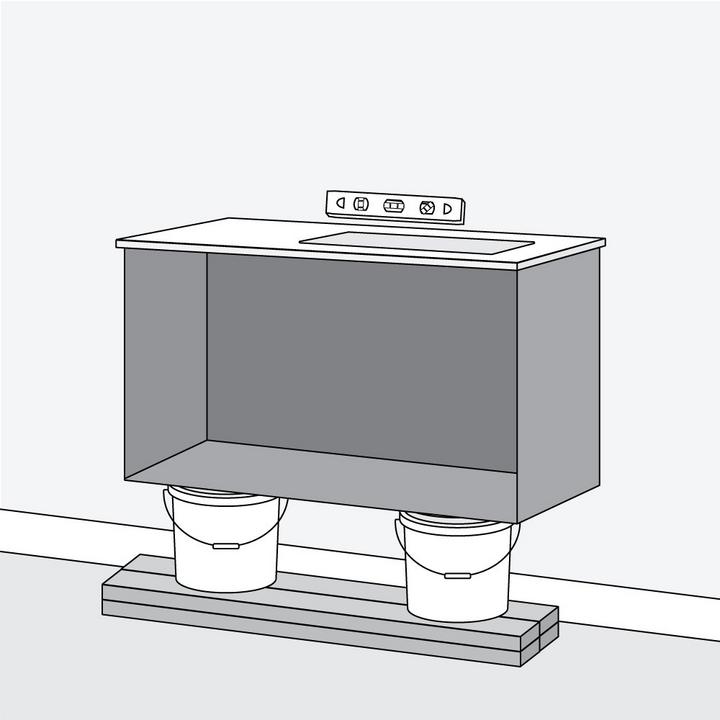
Credit: www.signaturehardware.com